

Ireland’s coastline runs for thousands of kilometres, and some of its loveliest corners are the small villages that cling to its bays, harbours and headlands. These are places where painted cottages face the tide, fishing boats still unload the morning catch, and a good pub is never far from the water. Here are ten of the prettiest coastal villages in Ireland, each with its own character and its own view of the sea.
☘ Enjoying this? 64,000+ Ireland lovers get stories like this every week. Subscribe free →
1. Kinsale, County Cork
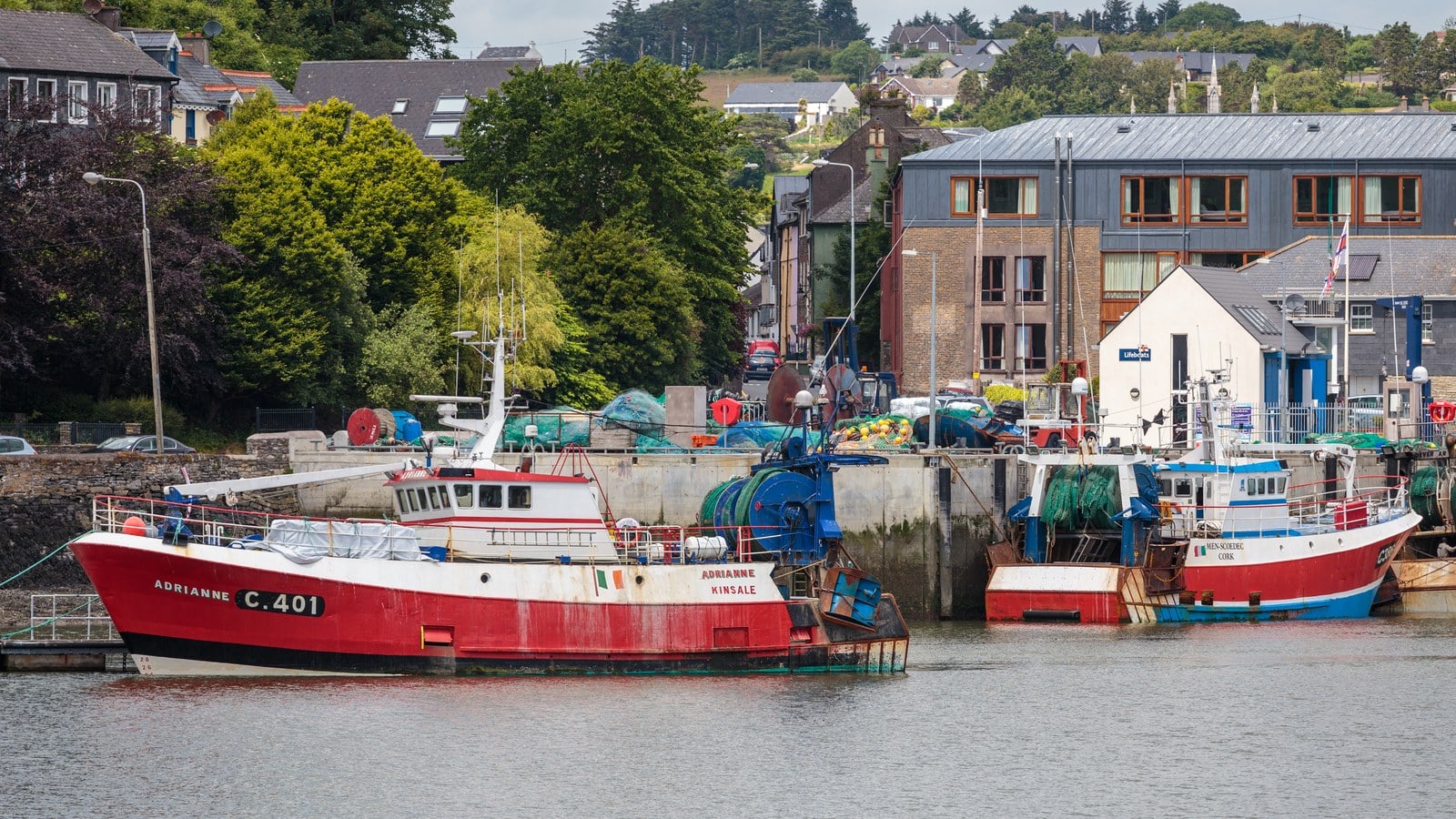
A tangle of narrow lanes climbs above a sheltered natural harbour here, the terraced shopfronts painted in sherbet shades of pink, teal and ochre. As one of Ireland’s celebrated food towns, its quaysides fill with fishing boats each morning and its restaurants with their catch by evening. Yachts swing at anchor beneath the star-shaped bulk of Charles Fort, and the whole place has the easy confidence of a harbour that has watched the sea for centuries.
Explore Kinsale → Official info: en.wikipedia.org/wiki/Kinsale.
2. Ardmore, County Waterford
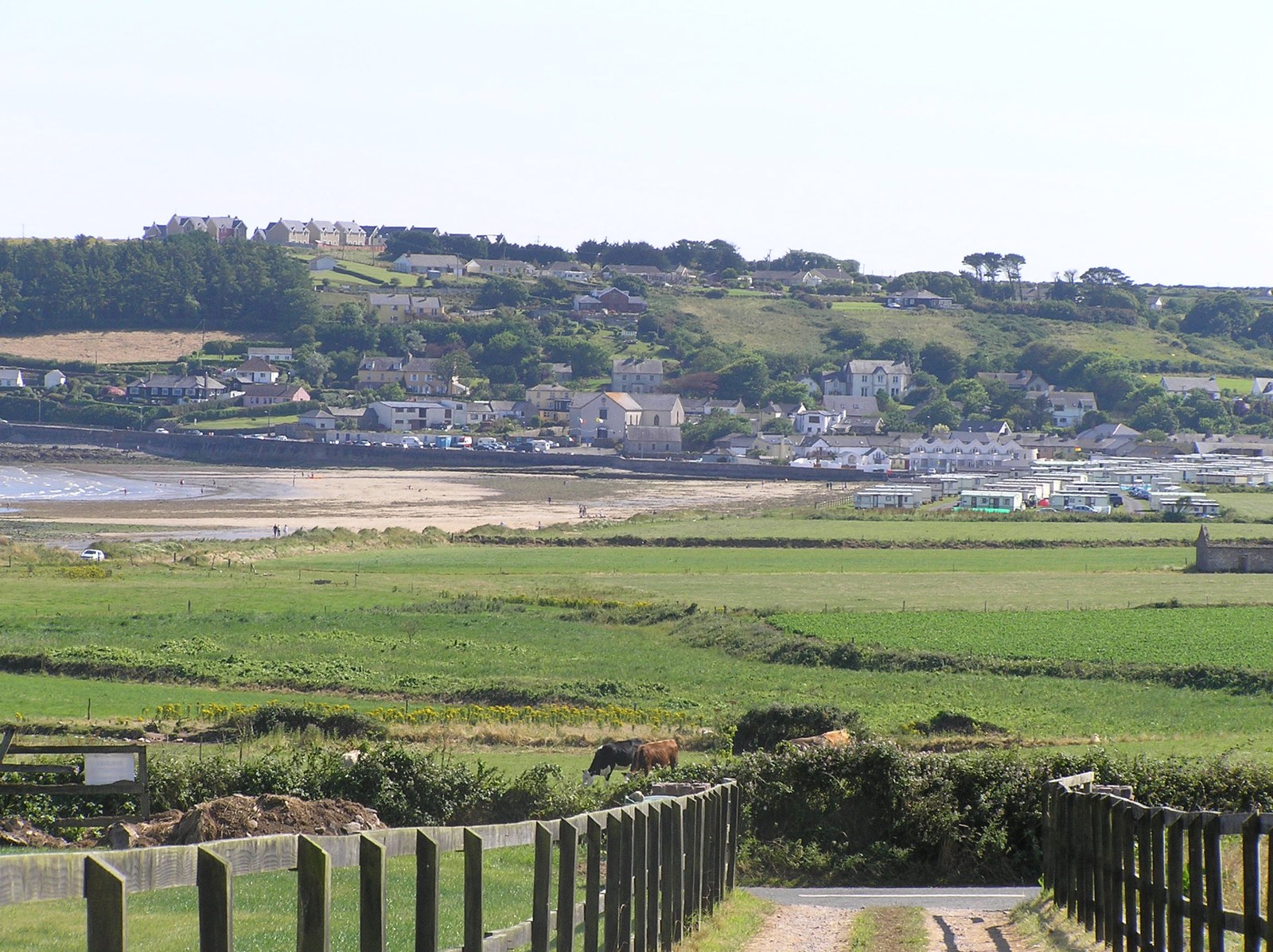
Reputedly the oldest Christian settlement in Ireland, this Waterford village gathers a cluster of white cottages above a broad crescent of sandy beach. A 12th-century round tower stands watch on the hill, still one of the finest examples of its kind on the island. The cliff walk loops out past the ruins of St Declan’s oratory, and on a clear day the Atlantic stretches unbroken to the horizon. It is a place that rewards slow walking and long looking.
3. Dingle, County Kerry
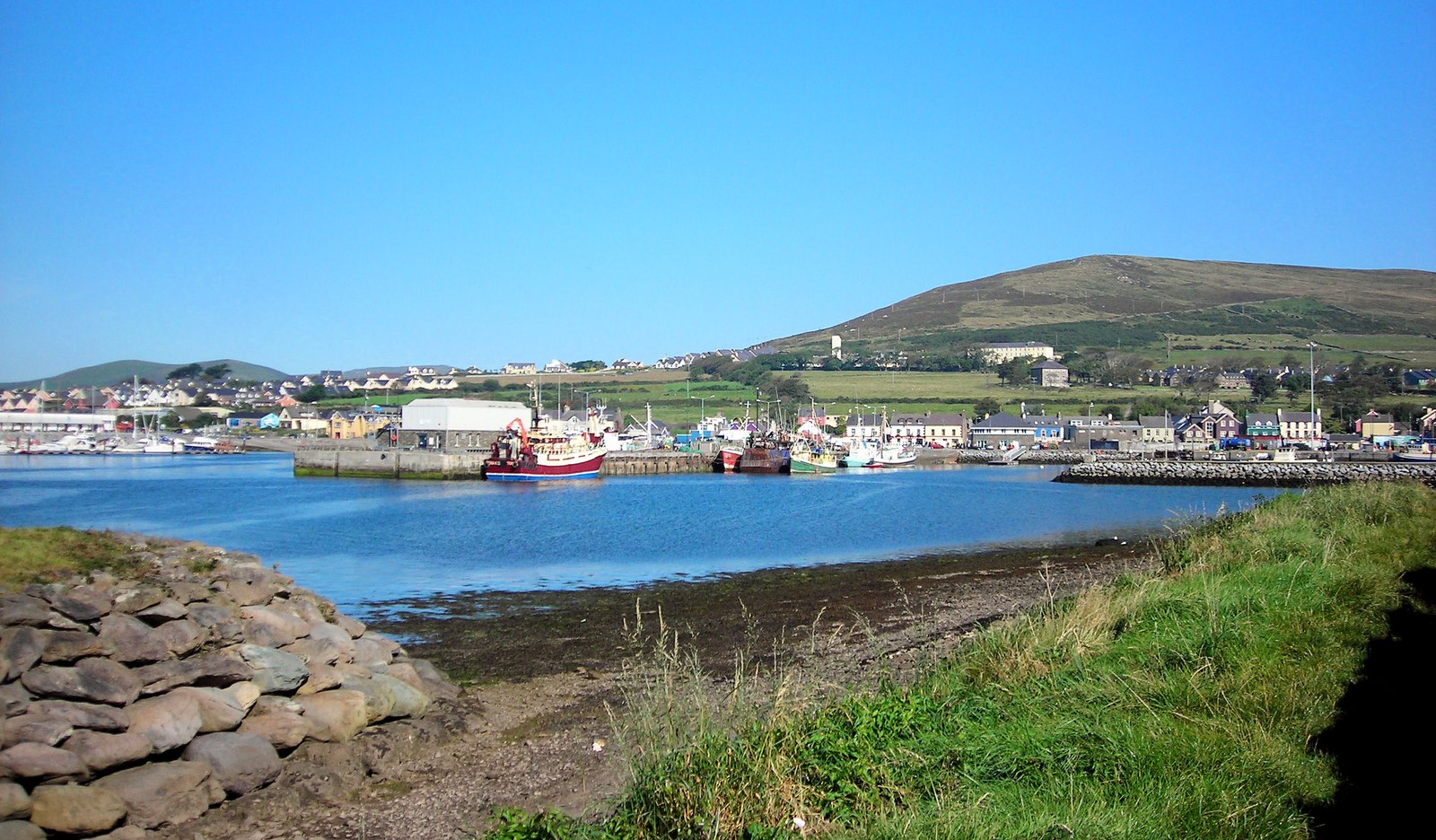
The largest village on its own wild peninsula, Dingle wraps around a deep working harbour on the very edge of the Atlantic. Its streets are lined with brightly painted pubs where trad music spills out most nights of the week, and its shops sell everything from hand-thrown pottery to fresh crab. This is Gaeltacht country, so you will hear Irish spoken as readily as English. Beyond the town, the Slea Head Drive threads past beehive huts and sheer sea cliffs.
Explore Dingle → Official info: en.wikipedia.org/wiki/Dingle.
4. Portmagee, County Kerry
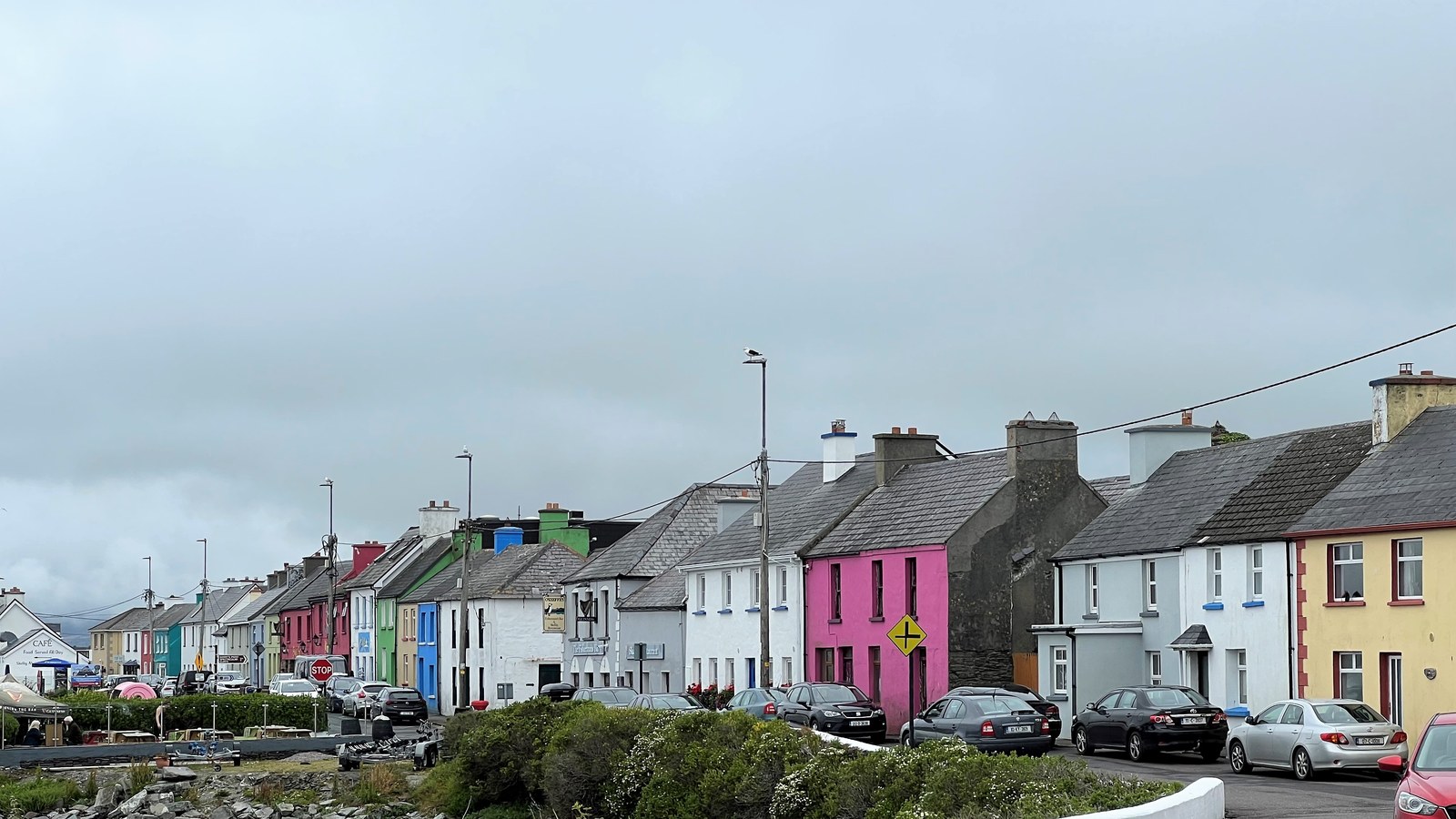
A single row of vividly coloured houses faces the tide race of the Portmagee Channel, with the green hills of Valentia Island rising just across the water. This is the departure point for boats to Skellig Michael, the storm-lashed monastic rock that lies twelve kilometres out to sea. The pier is a busy, salt-stained place of ferries and fishing craft, and the pubs pour a fine pint after a day on the water. Few Irish villages feel quite so poised on the ocean’s edge.
5. Roundstone, County Galway
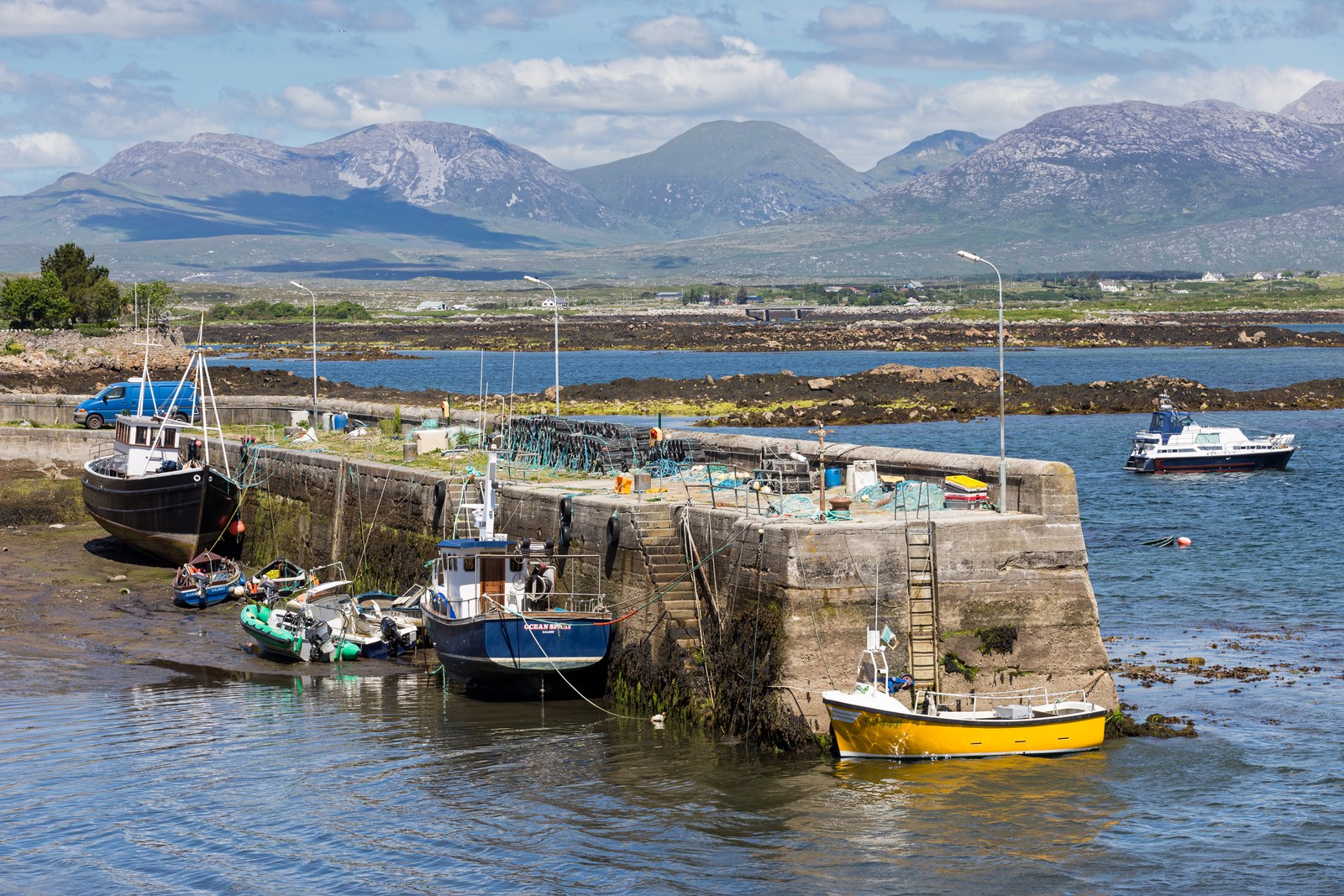
Set on the rim of a horseshoe harbour in the heart of Connemara, Roundstone looks across sheltered water to the quartzite peaks of the Twelve Bens. The village was laid out in the 1820s by a Scottish engineer, and its trim stone houses still line a single curving street above the boats. Nearby, the white-sand beaches of Dog’s Bay and Gurteen Bay curve between two headlands of turquoise sea. It remains a haunt of artists and musicians drawn by the extraordinary light.
Explore Roundstone → Official info: en.wikipedia.org/wiki/Roundstone.
6. Doolin, County Clare
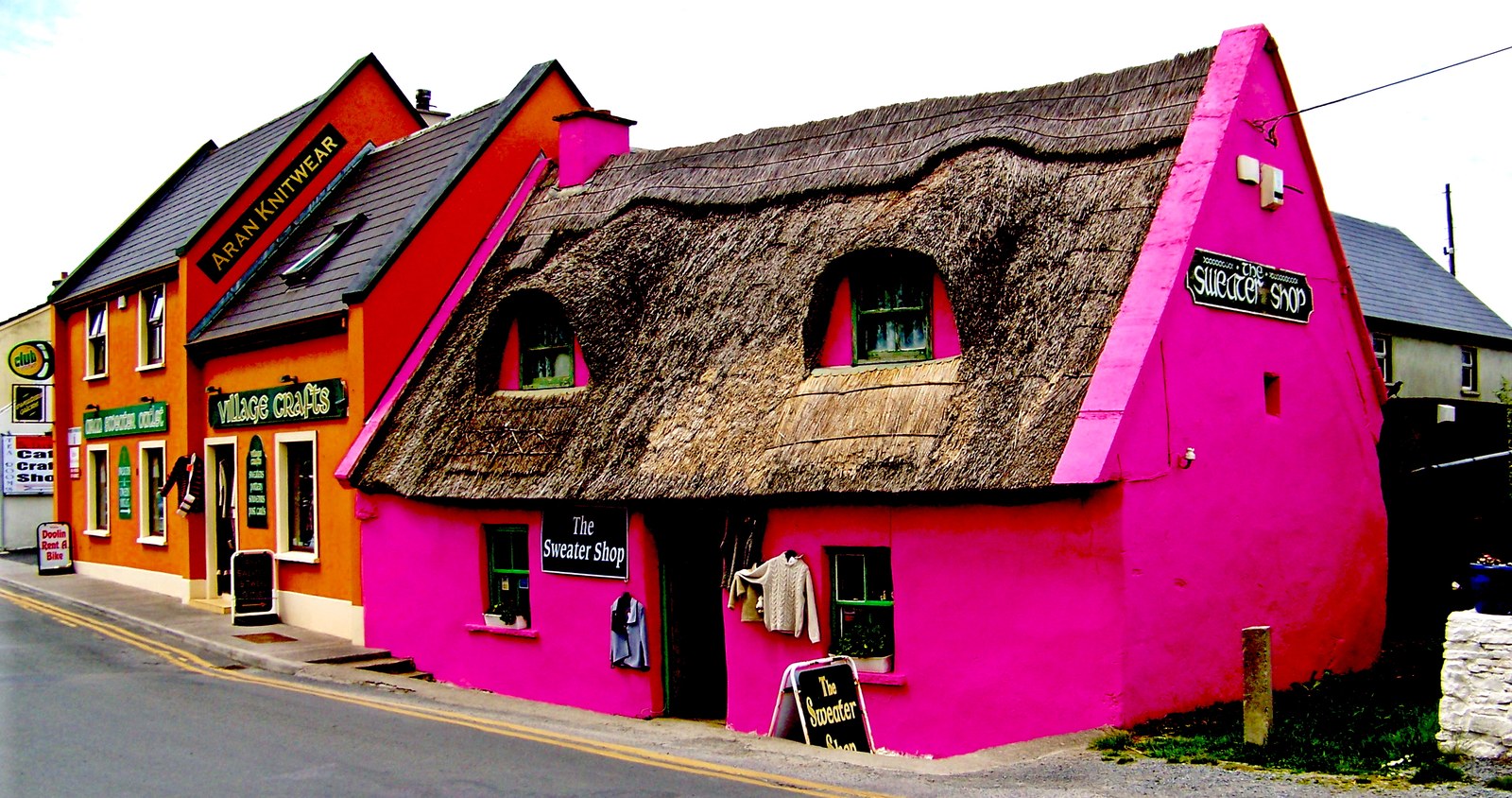
Scattered across the green shelf of land between the Burren and the Atlantic, Doolin is famed as the traditional-music capital of Ireland. Its handful of pubs draw players from across the country, and the sessions can run late into the night. By day, ferries leave the little pier for the Aran Islands, and the Cliffs of Moher rise just to the south. The village itself is a loose ribbon of stone cottages and colourful shopfronts under vast Clare skies. Official info: en.wikipedia.org/wiki/Doolin.
Explore Doolin → Official info: en.wikipedia.org/wiki/Howth.
7. Howth, County Dublin
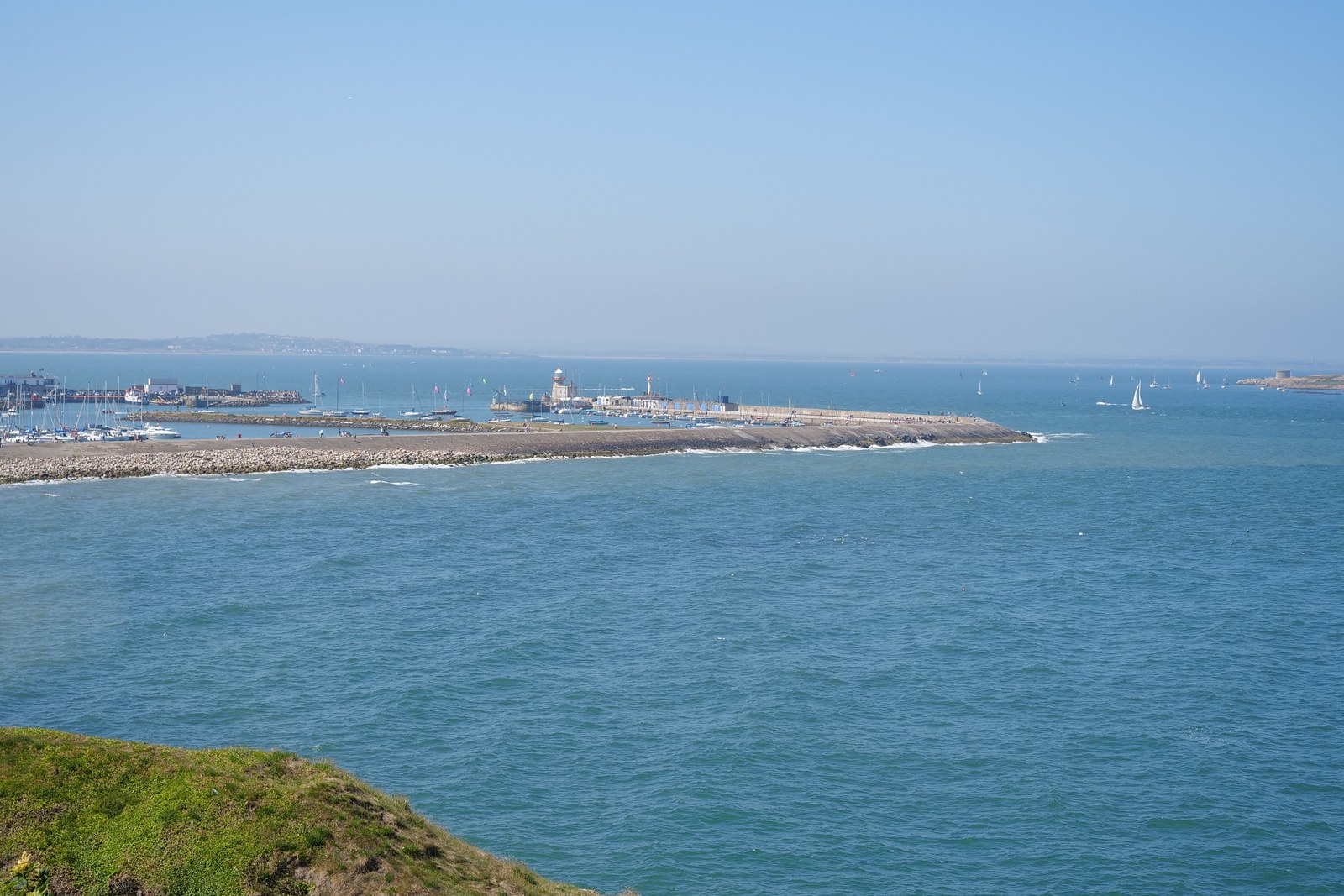
A working fishing harbour on a rocky peninsula just north of Dublin, Howth feels a world away from the city it is joined to by a short train ride. Trawlers unload their catch beside seafood restaurants and stalls, and seals patrol the harbour walls in hope of scraps. A network of cliff paths circles the head, opening onto views of Ireland’s Eye and the sweep of Dublin Bay. It is the capital’s favourite escape for a bracing coastal walk.
Explore Howth → Official info: en.wikipedia.org/wiki/Howth.
8. Dunmore East, County Waterford
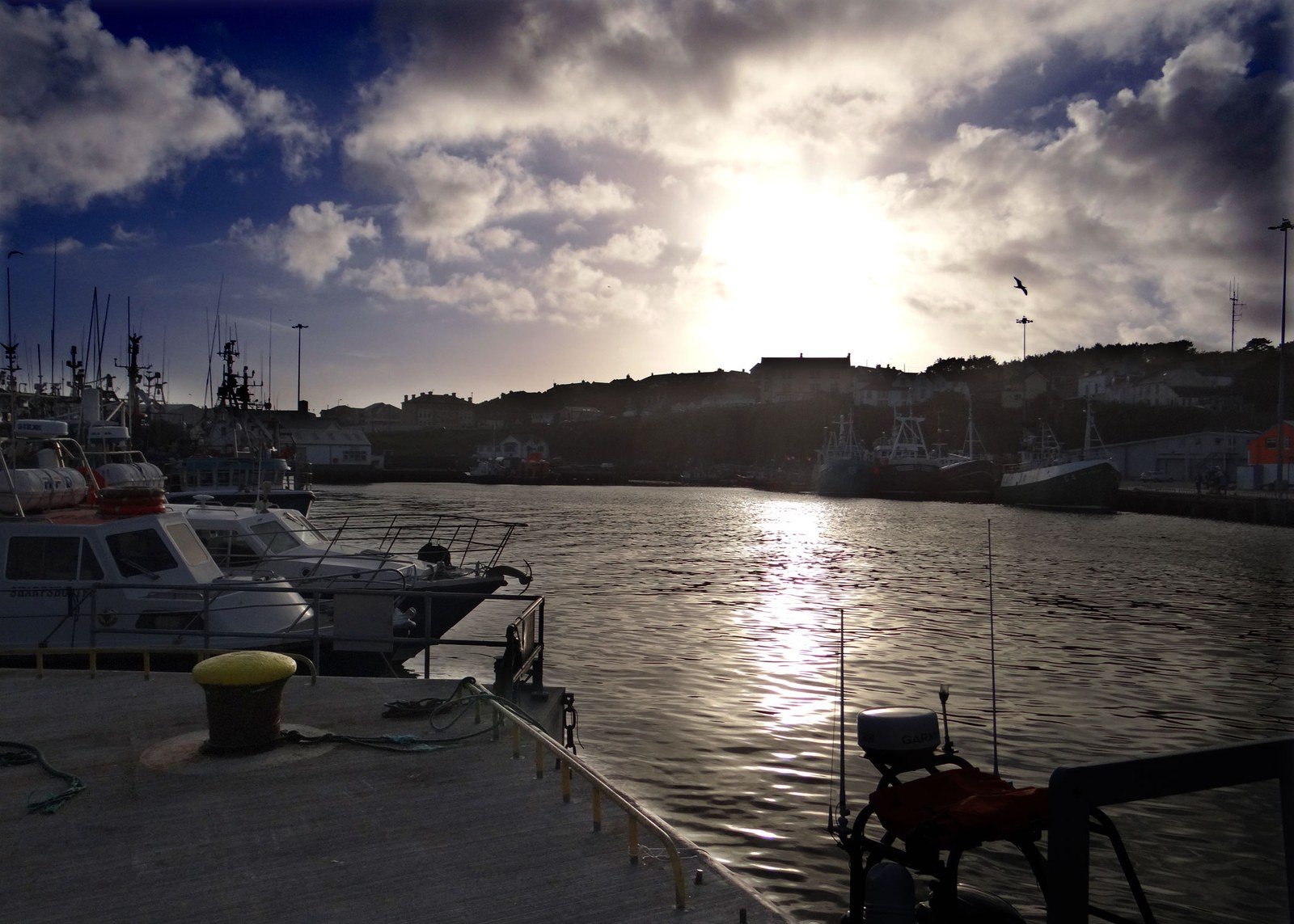
Thatched cottages and gorse-covered cliffs give this Waterford harbour village a gentle, storybook charm. A busy fishing fleet still works from the sheltered port, watched over by a slender 19th-century lighthouse. A string of small coves and sandy beaches curves along the coast below the village, ideal for a summer swim. The red sandstone cliffs are home to a large colony of kittiwakes whose cries carry on the sea wind.
9. Greencastle, County Donegal
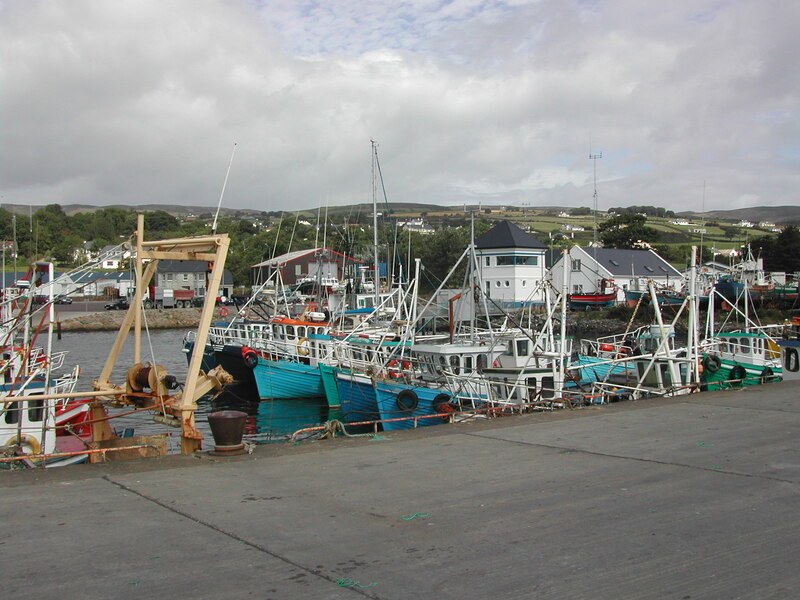
At the mouth of Lough Foyle on the Inishowen Peninsula, Greencastle is a spirited fishing village looking across the water to the hills of Derry. Its harbour is one of the busiest on the north coast, and the maritime museum tells the story of the boats and the lives bound up with them. A small car ferry shuttles across to Magilligan on the far shore. Behind the village, the ruins of a 14th-century Norman castle give the place its name.
Explore Greencastle → Official info: en.wikipedia.org/wiki/Greencastle.
10. Carlingford, County Louth
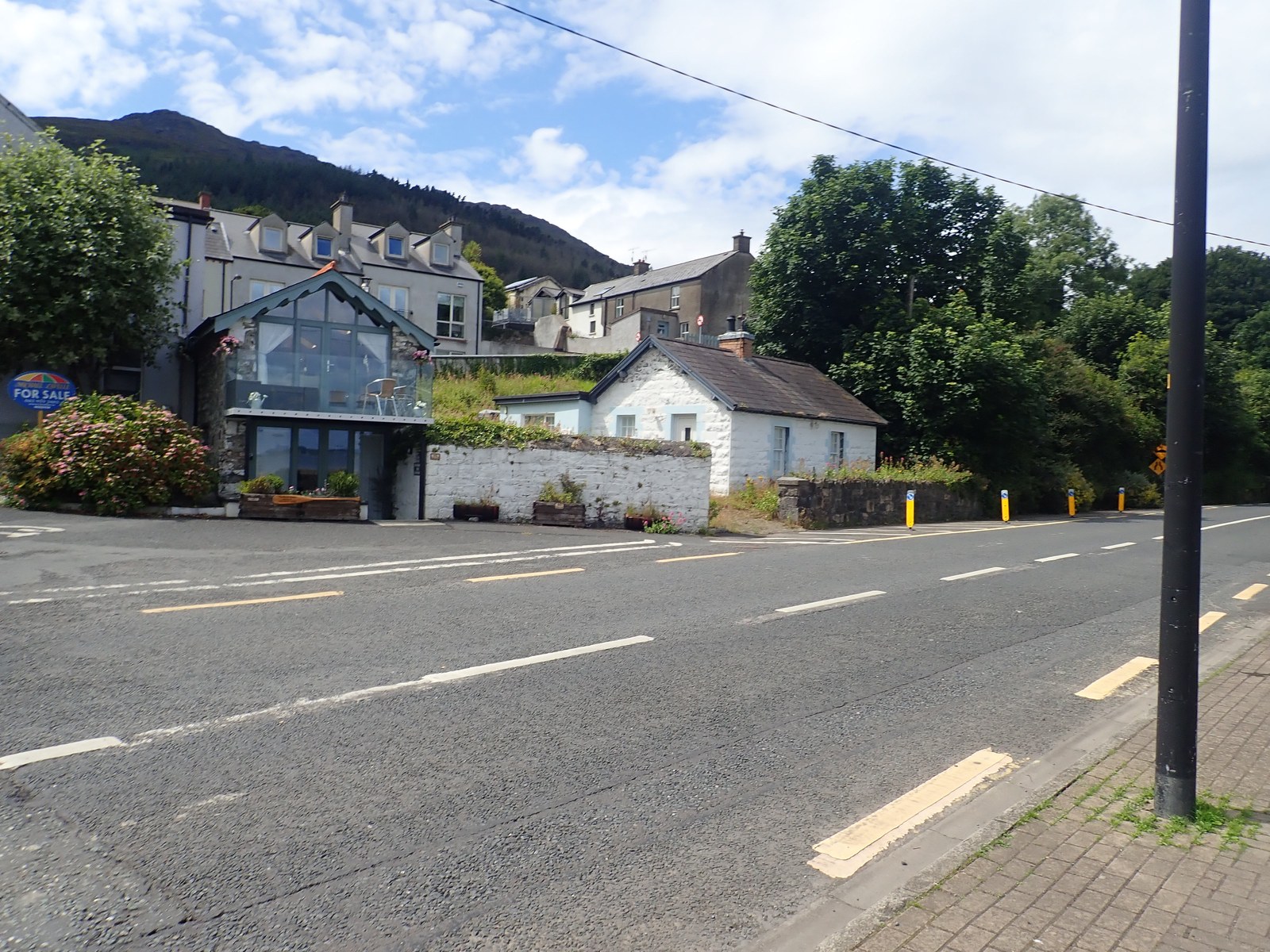
Huddled between the steep slopes of Slieve Foye and the still waters of Carlingford Lough, this medieval village is one of the best-preserved in Ireland. Narrow medieval laneways wind past the ruins of King John’s Castle and a tangle of stone-built pubs and oyster bars. The lough is famous for its oysters and its watersports, and the mountains of the Cooley Peninsula rise steeply behind. Legend ties the whole area to the great hero Cú Chulainn.
From the Atlantic edge of Kerry to the quiet loughs of the north-east, these villages share a way of life shaped by the sea and a beauty that rewards an unhurried visit. Pick one as the anchor for a coastal escape, or string several together into a longer journey along the Wild Atlantic Way and beyond. Wherever you begin, the Irish coast has a way of making you want to stay a little longer.
☘️ Join 64,000+ Ireland Lovers
Every weekday morning, get Ireland’s hidden gems, local secrets, and travel inspiration — the kind you won’t find in any guidebook.
Subscribe free — enter your email:
Get the free guide
Enter your email and we will send you straight to the download.
📲 Know someone who’d love this? Share on WhatsApp →
Love more? Join 43,000 Scotland lovers → · Join 29,000 Italy lovers → · Join 7,000 France lovers →
Free forever · Unsubscribe anytime
Tours & experiences you might love


Powered by Viator. Some links are affiliate links — we may earn a small commission at no extra cost to you.
Secure Your Dream Irish Experience Before It’s Gone!
Planning a trip to Ireland? Don’t let sold-out tours or packed attractions spoil your journey. Iconic experiences like visiting the Cliffs of Moher, exploring the Rock of Cashel, or enjoying a guided walk through Ireland’s ancient past often sell out quickly—especially during peak travel seasons.

Booking in advance guarantees your place and ensures you can fully immerse yourself in the rich culture and breathtaking scenery without stress or disappointment. You’ll also free up time to explore Ireland’s hidden gems and savour those authentic moments that make your trip truly special.
Make the most of your journey—start planning today and secure those must-do experiences before they’re gone!