

There is something about Ireland that does not let go of you. Whether you have visited once and never quite shaken the feeling, or grown up listening to your grandparents describe a place that felt more like myth than geography, the pull is real — and for a growing number of people, it is strong enough to act on. Every year, thousands of people from the United States, Australia, Canada, the United Kingdom, and beyond decide to start a new life in Ireland. Not just visit. Move there, actually.
What is it about Ireland that makes this kind of leap feel not just possible, but right? And what does life actually look like once you have made it? This is the question worth exploring — not the visa forms and PPS numbers (those come later), but the deeper draw that brings people here in the first place.
The Feeling That Draws People to Start a New Life in Ireland
The first thing most newcomers mention when you ask why they chose Ireland is almost always something intangible. It is not the tax rate or the proximity to Europe (though both matter, eventually). It is not even the landscapes, as spectacular as they are. It is a feeling.
Ireland has a quality that is genuinely difficult to describe without sounding romantic about it: a warmth, a pace, a way of existing that feels fundamentally different to what many people are leaving behind. For people who have grown up in larger, faster, louder places, arriving in Ireland can feel like exhaling for the first time in years.
The Pace of Life
In a world that has accelerated to the point of exhaustion, Ireland moves differently. Not slowly — Irish people are busy, creative, and thoroughly connected to the modern world. But the rhythms of daily life retain something that feels increasingly rare elsewhere: an actual pause.
You stop for coffee and find yourself in conversation with the person beside you. Sunday mornings belong to a long walk, a late breakfast, a phonecall. Bank holidays are taken seriously. The countryside is never more than an hour from the city. For people who have spent years in environments that feel relentless, this is not a small thing. It is often the thing.
The Landscape That Changes You
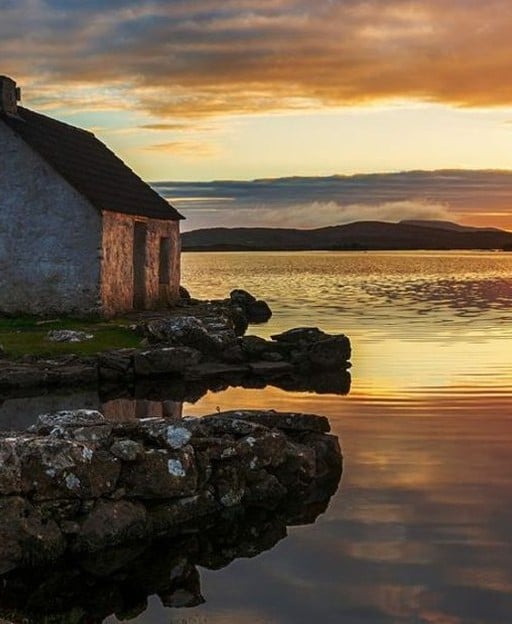
Even for those who have seen countless photographs, Ireland’s natural environment tends to arrive as a surprise. The colours are different here — greens that seem almost impossible, an Atlantic light that shifts by the hour, coastlines that look like they belong to another world entirely.
The Wild Atlantic Way stretches for over 2,500 kilometres along Ireland’s western coast, passing through some of the most dramatically beautiful terrain in Europe. Connemara’s lakes and blanket bogs. The Cliffs of Moher dropping sheer into the sea. The Dingle Peninsula catching mist on an autumn morning. Living near landscapes like these changes how you feel about ordinary days. A difficult week looks different when you are twenty minutes from the Atlantic.
The Community That Keeps People Here
If the scenery draws people to Ireland, it is the community that tends to make them stay. Ireland is a country where social life is woven into the fabric of daily existence in ways that newcomers rarely expect and almost universally appreciate.
☘️ Thinking About Moving to Ireland?
Get our free insider guide — practical steps, hidden gems, and real stories from Ireland lovers like you, delivered weekly.
Get the Free Guide →Irish Warmth Is Not a Cliché
Irish people have a reputation for warmth and hospitality that is, if anything, undersold. Moving to any new country involves a period of feeling like an outsider — of building friendships from scratch, of finding your place. In Ireland, that period tends to be shorter than most newcomers expect.
The local pub — and make no mistake, the Irish pub is a social institution, not merely a drinking venue — plays a genuine role in how communities cohere. People gather there for conversation, for music, for company. You go in on a Friday knowing no one and come out on speaking terms with half the room. This is not fiction. It happens, routinely.
Village Life Has a Real Appeal
Not everyone who moves to Ireland settles in Dublin. Many are drawn specifically to the towns and villages — Westport in County Mayo, Dingle in Kerry, Kenmare in the south-west, Carrick-on-Shannon in Leitrim — where life has a texture and a scale that cities can struggle to replicate.
In a small Irish town, people know each other. Shopkeepers remember your name. Events bring out the whole community. There is a sense of being embedded somewhere — of belonging — that can be harder to find in larger places. For people who have felt anonymous in cities for years, it can be quietly transformative.
What Daily Life in Ireland Actually Looks Like
Starting a new life in Ireland is not a life lived entirely in golden light and dramatic cliff-top views, and it would be dishonest to suggest otherwise. The winters are grey and damp for stretches that can test your resolve. The housing market in Dublin is genuinely competitive. Bureaucratic processes — from PPS numbers to GP registrations — can take patience.
☘️ Enjoying this? 64,000+ Ireland lovers get stories like this every week. Subscribe free →
But daily life in Ireland also looks like this: fresh seafood from a Saturday market. A Sunday walk on a bog trail with the dog. Impromptu music in the pub on a Tuesday night because someone felt like playing. A community summer festival that the whole town turns out for, every single year.
Food, Markets, and the Pleasure of Eating Well
Ireland’s food culture has undergone a remarkable transformation over the past two decades. The farmers’ markets — in Cork, Galway, Sligo, Kilkenny, and dozens of smaller towns — are genuinely excellent. Artisan producers take enormous pride in their work. The proximity to the sea means fresh fish is a weekly pleasure rather than an occasional luxury. And the Irish breakfast, taken properly on a Saturday morning, remains one of the great cultural experiences of the island.
Getting Outside More Than You Ever Expected
Ireland is a country that lends itself to outdoor life in a way that many newcomers do not fully anticipate. The hiking, the cycling, the sea swimming that has become something of a national obsession — these are not niche pursuits but part of the ordinary fabric of life for many Irish people. Within weeks of arriving, most newcomers find themselves outside more than they have been in years.
The network of walking trails and greenways is extensive and well-maintained. Wild swimming spots — from Kerry’s beaches to Galway Bay — are part of the rhythm of local life, year-round, in ways that visitors often find astonishing.
Practical Steps for Making Ireland Home
If starting a new life in Ireland is beginning to feel like more than just a dream, the practical steps are genuinely manageable — though they do require planning and patience with paperwork.
Ireland has a range of immigration pathways to accommodate different circumstances. For Americans — one of the largest groups relocating to Ireland — the visa and residency process is well-documented, and there are routes designed for employment-based moves, those with Irish ancestry, and retirees alike. Our complete guide to moving to Ireland from the USA walks through the D visa, IRP registration, and residency requirements in full detail.
Once you arrive, the first few months involve a familiar list of tasks: registering for a PPS number, opening a bank account, finding a GP, sorting your utilities. Our first 90 days in Ireland checklist covers every step in order, so nothing falls through the cracks.
If you are still at the dreaming-and-researching stage, our Ireland planning hub is the right place to start. From there, you can navigate to regional guides, itineraries, and cultural deep-dives for every corner of the country — giving you a real sense of where in Ireland might feel like home.
Ireland Is Waiting
The people who move to Ireland and truly thrive are not necessarily the ones who have it all planned out. They are the ones who arrive open to a different way of living — willing to slow down, to be part of something smaller, to meet Ireland and the Irish people somewhere in the middle.
They discover that the thing they were looking for — the gentler pace, the wild natural beauty, the genuine warmth of community — was actually here all along, waiting patiently.
If you have been feeling the pull for a while, there is probably a reason for it. Ireland tends not to let go of the people it has decided to call home.
☘️ Join 64,000+ Ireland Lovers
Every Friday, get Ireland’s hidden gems, local secrets, and travel inspiration — the kind you won’t find in any guidebook.
Get the free guide
Enter your email and we will send you straight to the download.
Free forever · One email per week · Unsubscribe anytime
☘️ Love Ireland?
Join 64,000+ Ireland lovers who get weekly stories, hidden gems, and heritage from the Emerald Isle — completely free.
Love more? Join 43,000 Scotland lovers → · Join 29,000 Italy lovers → · Join 7,000 France lovers →
Tours & experiences you might love


Powered by Viator. Some links are affiliate links — we may earn a small commission at no extra cost to you.
Secure Your Dream Irish Experience Before It’s Gone!
Planning a trip to Ireland? Don’t let sold-out tours or packed attractions spoil your journey. Iconic experiences like visiting the Cliffs of Moher, exploring the Rock of Cashel, or enjoying a guided walk through Ireland’s ancient past often sell out quickly—especially during peak travel seasons.

Booking in advance guarantees your place and ensures you can fully immerse yourself in the rich culture and breathtaking scenery without stress or disappointment. You’ll also free up time to explore Ireland’s hidden gems and savour those authentic moments that make your trip truly special.
Make the most of your journey—start planning today and secure those must-do experiences before they’re gone!