

County Tipperary has some of the most dramatic medieval ruins in Ireland, a string of well-preserved castles, and quiet river valleys that most visitors never reach. If you are planning a trip to the Irish midlands, Tipperary rewards travellers who take the time to slow down and look beyond the signposted tourist trail. Here is everything you need to know about the best things to do in County Tipperary, Ireland.
Why Visit County Tipperary?
Tipperary is Ireland’s largest inland county, covering 4,255 square kilometres of farmland, river valleys, and mountain ranges. The county sits between the Galtee Mountains to the south-west and the Slieveardagh Hills to the north-east, with the River Suir running through its heart. Cashel, Clonmel, and Thurles are its main towns, each with a distinct character and strong historical roots.
- Rock of Cashel – medieval fortress rising dramatically from the Tipperary plain; one of Ireland’s most iconic heritage sites
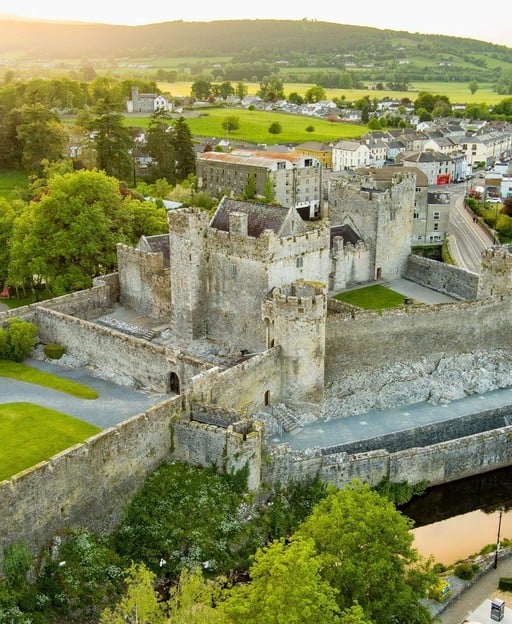
- Cahir Castle – one of Ireland’s largest and best-preserved medieval castles, on the River Suir
- Tipperary Town – famous worldwide through song, yet most visitors overlook its charming Georgian streetscape
- Lough Derg – a beautiful lake on the River Shannon border, excellent for watersports and lakeside walks
- The Vee Mountain Pass – a spectacular drive through the Knockmealdown Mountains with sweeping views of the Golden Vale
- Holy Cross Abbey – a restored 12th-century Cistercian monastery, still an active place of worship today
The county is perhaps best known internationally thanks to the old marching song “It’s a Long Way to Tipperary,” sung by British soldiers during World War I. But the county’s real story stretches back far further — to the kings of Munster who ruled from the Rock of Cashel, to the Normans who built Cahir Castle in the 12th century, to the monasteries that preserved Irish learning through the Dark Ages.
Tipperary also has one of Ireland’s most productive agricultural heartlands — the Golden Vale — which gives the county its character as a place where people work hard, live simply, and take enormous pride in their heritage. For visitors, that heritage is everywhere you look.
🇮🇪 Discover Your Irish Heritage
Join 64,000 people staying connected to their Irish roots. Get our free Irish Ancestry Guide — surnames, counties, parish records and emigration history — when you subscribe free.
The Rock of Cashel
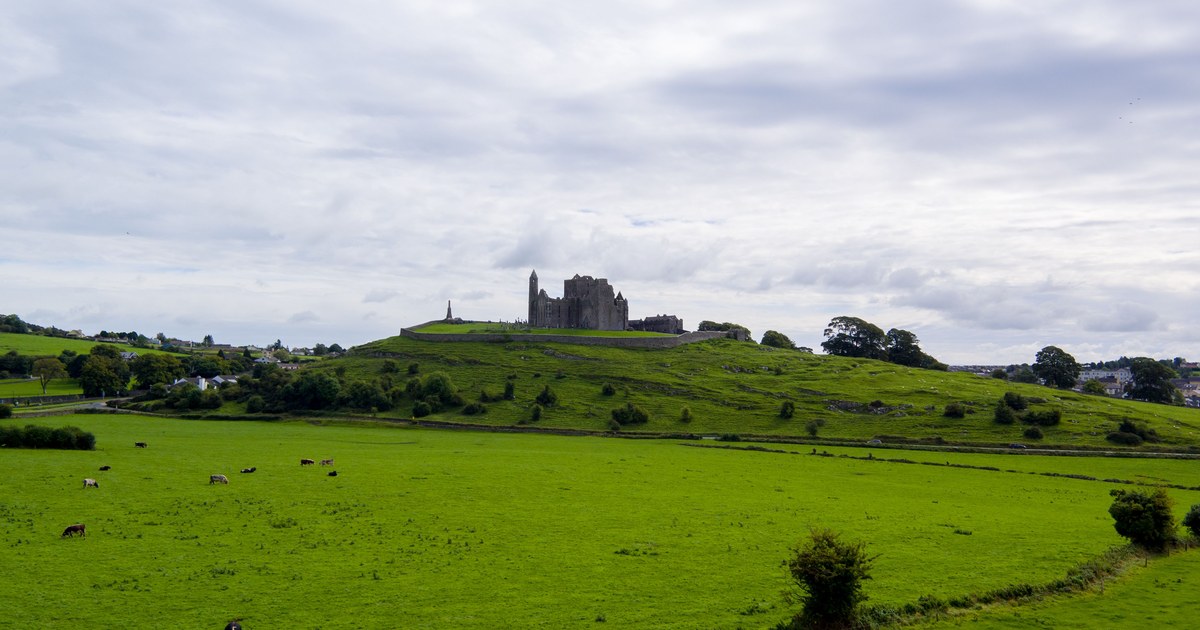
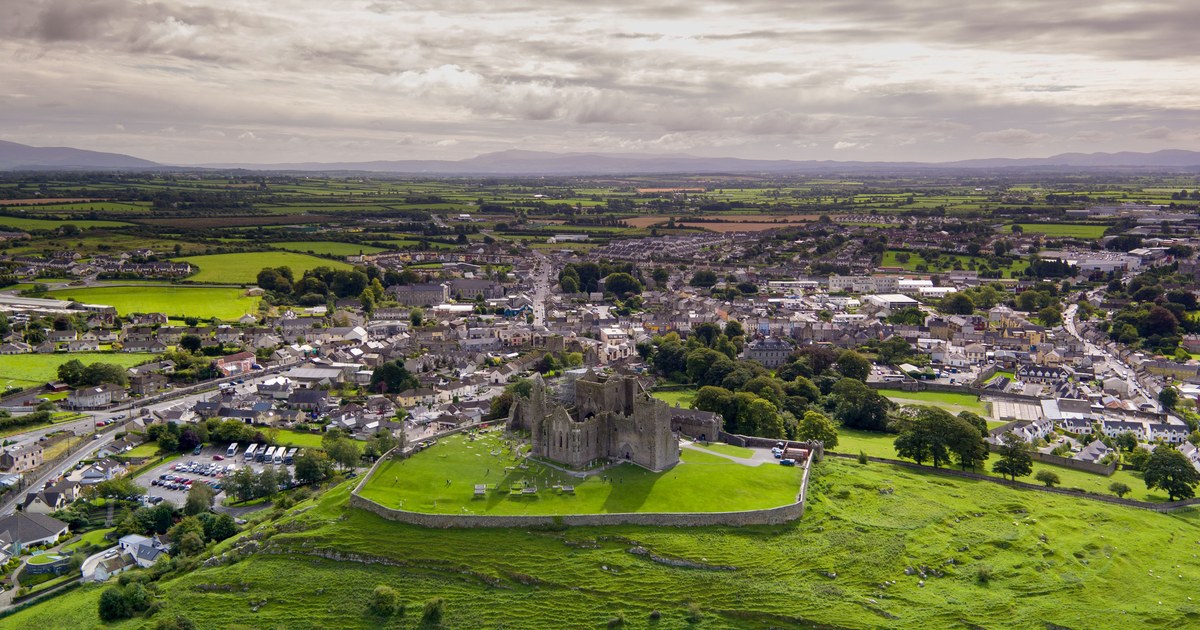
The Rock of Cashel is the single most dramatic sight in County Tipperary, and one of the most impressive heritage sites in all of Ireland. A limestone outcrop rising 61 metres above the surrounding plain, it has been a place of power and worship since at least the 4th century AD. The kings of Munster ruled from this hill for centuries before handing it over to the Church in 1101.
What stands on the Rock today is a cluster of medieval buildings unlike anything else in Ireland. The 12th-century Cormac’s Chapel is the most important Romanesque building in the country, decorated with carved stone heads, frescoes, and a corbelled arch that has stood for over 800 years. Beside it rises a 28-metre round tower, one of the best-preserved in Ireland, built as a bell tower and refuge in the early medieval period.
The Gothic Cathedral, begun in the 13th century, dominates the hill with its soaring limestone walls and carved stone crosses. The Hall of the Vicars Choral, built to house the cathedral’s choir in the 15th century, now contains a small museum of early Christian and medieval stonework.
Entry costs €8 for adults and €4 for children and students (2026 prices). The Rock is open year-round: 9am–5:30pm from mid-March to mid-October, and 9am–4:30pm for the rest of the year. Come early in the morning or late in the afternoon to avoid the tour buses that arrive mid-morning. The views from the top extend across the Golden Vale in every direction — on a clear day you can see four counties.
☘️ Planning a trip to Ireland?
Our free 7-day road trip itinerary covers the Wild Atlantic Way from Dublin to the west — day-by-day driving guide with hidden gems, practical tips, and local secrets.
Cahir Castle
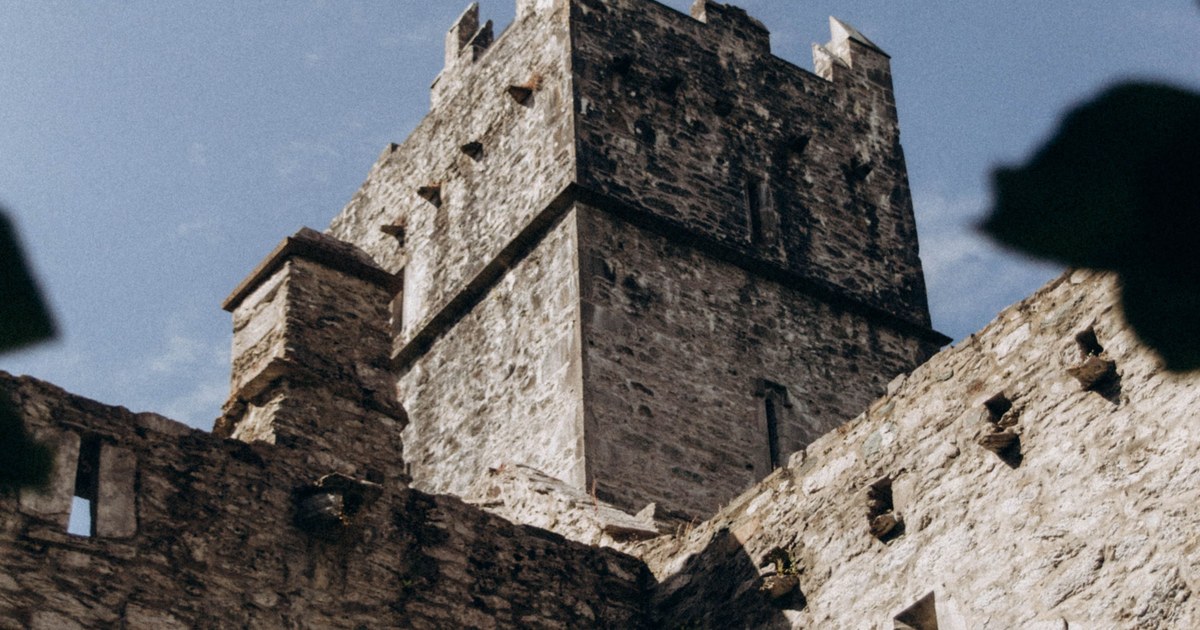
Cahir Castle sits on a rocky island in the River Suir in the town of Cahir, and it is one of the largest and best-preserved medieval castles in Ireland. Construction began in the 12th century under the Anglo-Norman Butlers of Cahir, and the Butlers expanded and strengthened the castle throughout the following centuries. It withstood sieges by the Earl of Essex in 1599 and by Cromwellian forces in 1650, surviving largely intact.
The castle has three wards — outer, middle, and inner — each with its own defensive walls and towers. The keep dates from the 15th century and still has original stone floors and fireplaces. The 1981 film Excalibur used Cahir Castle as a filming location, and several other film and television productions set in the medieval period have shot scenes here since.
Entry to Cahir Castle costs €5 for adults and €3 for children (2026 prices). The Office of Public Works manages the castle, which is open daily year-round with seasonal hours — roughly 9:30am–4:30pm in the depths of winter, extending to 9am–6:30pm at the height of summer. The town of Cahir itself is worth an hour — it has the nearby Swiss Cottage (built in the early 19th century in a deliberately rustic style) and a pretty old town square with good cafés. Official info: en.wikipedia.org/wiki/Cahir_Castle.
Holy Cross Abbey
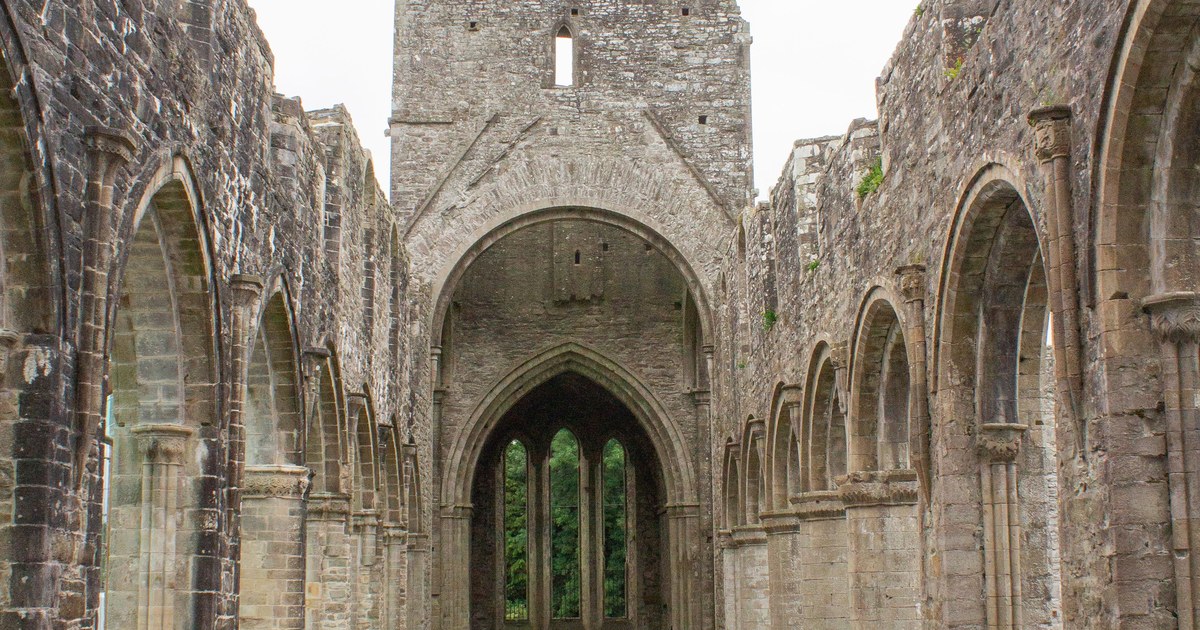
Holy Cross Abbey stands on the banks of the River Suir near the village of Holycross, about 15 kilometres south of Thurles. The Cistercians founded it in 1169 and takes its name from a relic of the True Cross that pilgrims carried here in the medieval period, drawing pilgrims from across Ireland for centuries.
The abbey fell into ruin after the Dissolution of the Monasteries in the 16th century but the diocese restored and re-consecrated it as a parish church in 1975. It remains a working church to this day, which makes it unusual among Ireland’s medieval abbeys. The interior contains original stone carvings, a 15th-century wall painting (one of the very few surviving in Ireland), and the sedilia — a set of ornate stone seats for the clergy — historians rank this among the finest medieval stonework in the country.
Holy Cross Abbey is free to visit and is open every day. Mass is still celebrated here on Sundays. The riverside setting is lovely, and there is a pleasant walk along the Suir from the abbey car park.
☘️ Enjoying this? 64,000+ Ireland lovers get stories like this every week. Subscribe free → Official info: en.wikipedia.org/wiki/Holy_Cross_Abbey.
The Galtee Mountains and Glen of Aherlow
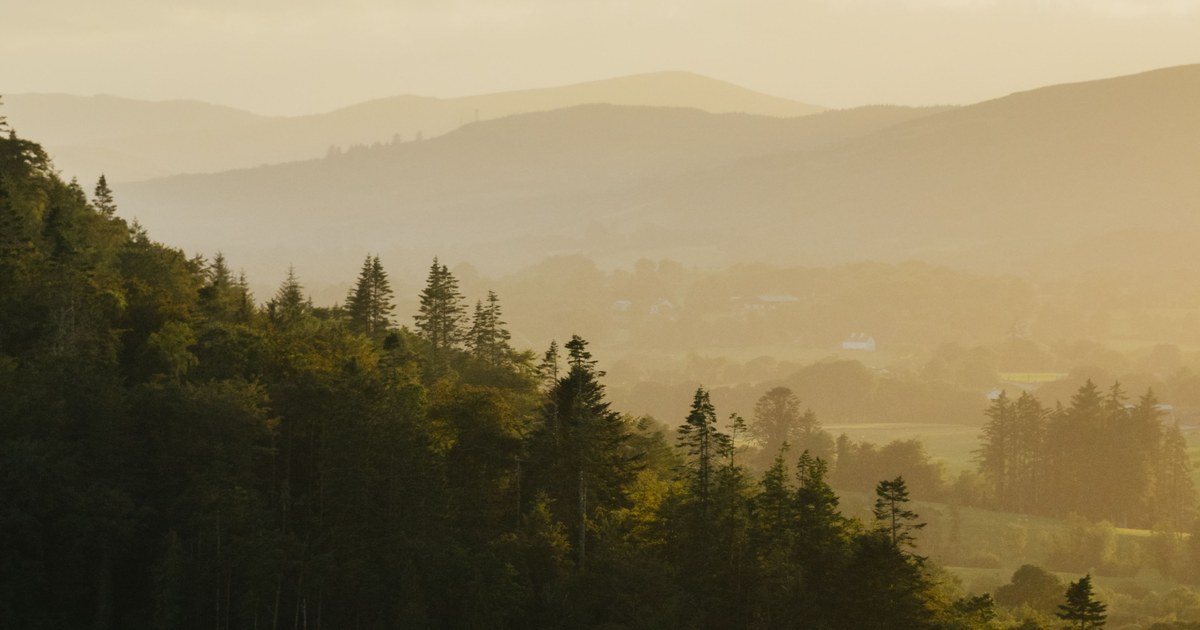
The Galtee Mountains form the backbone of south Tipperary. They are Ireland’s highest inland mountain range, with Galtymore reaching 919 metres above sea level. The views from the ridge take in the Golden Vale to the north and, on clear days, the mountains of Kerry and Clare in the distance.
The Glen of Aherlow lies at the foot of the Galtees — a wide and sheltered valley that sheltered those fleeing persecution for centuries. Today it is one of the most peaceful spots in Tipperary. A 9-kilometre waymarked walking trail follows the valley floor through woodland and farmland, suitable for all fitness levels. The village of Bansha provides a good base for exploring both the Glen and the mountains above.
Clonmel — Tipperary’s County Town
Clonmel is the largest town in County Tipperary and one of the most interesting in the Irish midlands. It sits on the River Suir in the south of the county, and its centre still follows the street pattern of the medieval town. The Main Guard — a 17th-century civic building in the heart of Clonmel — is one of the best examples of Restoration-era architecture in Ireland.
Clonmel was the birthplace of Laurence Sterne, the 18th-century novelist who wrote Tristram Shandy, and also of Charles Bianconi, the Italian-Irish entrepreneur who created Ireland’s first public transport system. Bianconi’s horse-drawn carriages linked towns across Ireland from 1815 onwards, transforming travel in pre-railway Ireland, and Clonmel is rightly proud of his legacy.
The town has good independent shops, cafés, and restaurants. The Museum of Clonmel on Parnell Street has free entry and a well-curated collection of local history. The riverside walk along the Suir is popular with locals and visitors alike.
Thurles and the GAA Heritage
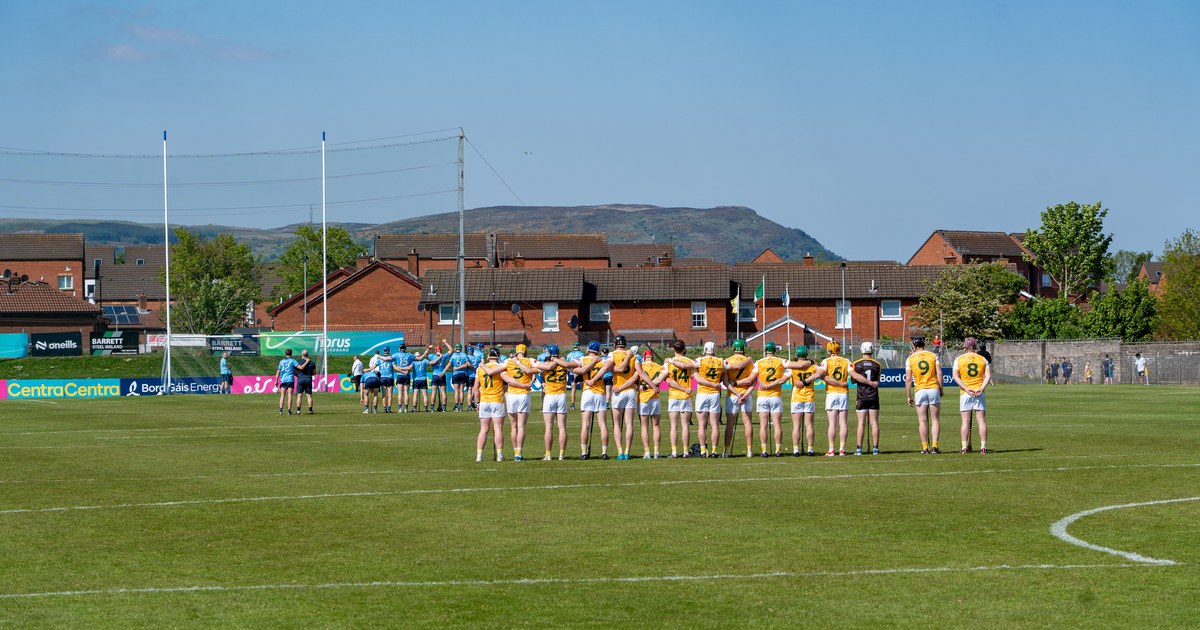
Thurles is the ecclesiastical capital of County Tipperary and holds an important place in Irish cultural history. The GAA — the Gaelic Athletic Association, which governs hurling and Gaelic football — held its founding meeting here on 1 November 1884, in Hayes’ Hotel on Liberty Square. The hotel still stands and a plaque marks the room where the meeting took place. Semple Stadium in Thurles is one of the great hurling venues in Ireland, holding 45,000 spectators.
The Tipperary Heritage Way is a 70-kilometre waymarked walking route that connects many of the county’s most important sites. The trail runs from Cashel in the south to Nenagh in the north, passing through Holycross and Thurles. It can be walked in sections or completed end-to-end in four to five days.
Ormond Castle, Carrick-on-Suir
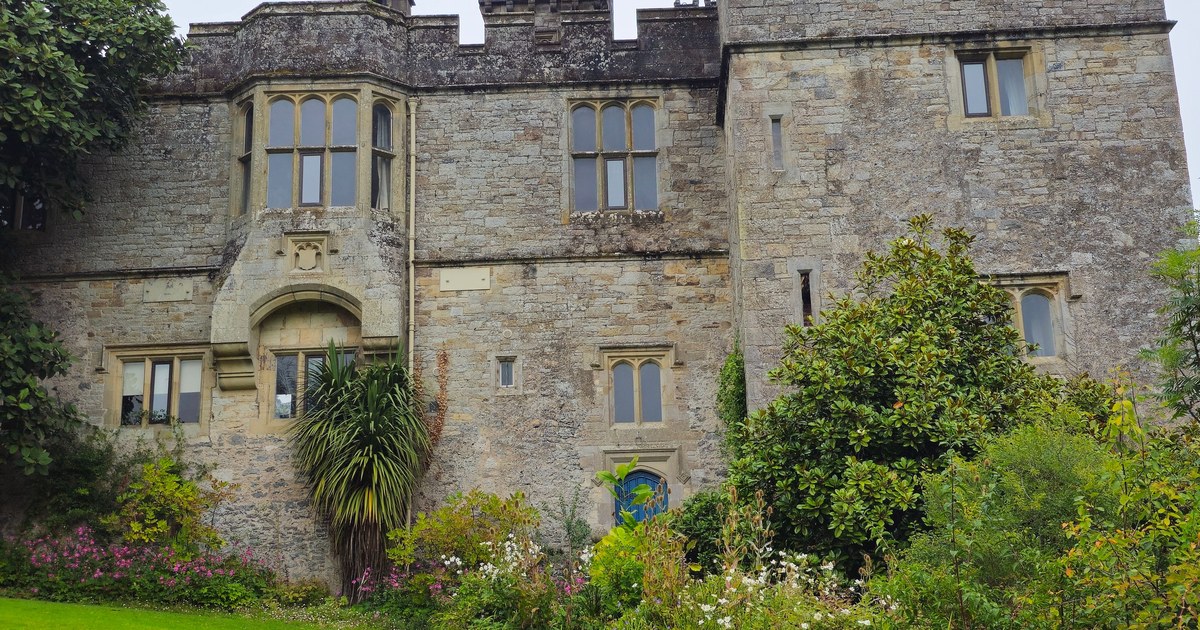
Carrick-on-Suir is a quiet town on the Tipperary-Waterford border that contains one of the great hidden gems of Irish heritage: Ormond Castle. Built in the 1560s by Thomas Butler, the 10th Earl of Ormonde, this is the only surviving Elizabethan manor house in Ireland. Thomas Butler built it in anticipation of a visit by Queen Elizabeth I — a visit that never happened — and the long gallery on the first floor has plasterwork portraits of the queen alongside classical scenes.
The OPW manages Ormond Castle, which is open daily from mid-March to early November, 10am to 6pm (last entry 5:15pm). Entry costs €5 for adults. It is one of the most undervisited heritage sites in Ireland — a visit here feels genuinely like discovering something most people have missed. Official info: en.wikipedia.org/wiki/Ormond_Castle.
Practical Tips for Visiting County Tipperary
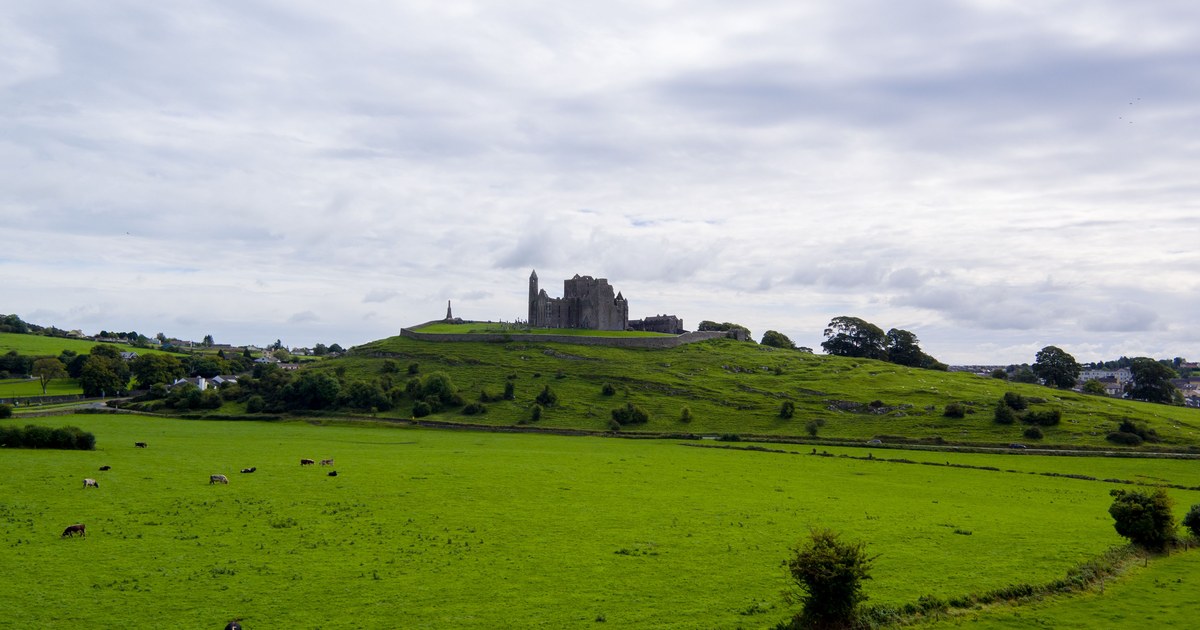
Tipperary is easy to reach from Dublin. The M8 motorway runs south to Cashel in about 1 hour and 45 minutes, covering roughly 160 kilometres. The Rock of Cashel is visible from the motorway and many visitors stop here as part of a longer journey towards Cork or Kerry.
Train services connect Dublin Heuston with Clonmel and Carrick-on-Suir. Bus Éireann services reach Cahir, Tipperary town, and Thurles from Dublin and Cork. For the Glen of Aherlow, Holy Cross Abbey, and Ormond Castle, a car is the most practical option.
Good bases in County Tipperary include Cashel (walking distance from the Rock), Cahir (central for south Tipperary), and Clonmel (best facilities and accommodation variety). The county sees far less tourist traffic than Kerry or Clare, which means you can visit the Rock of Cashel in genuine peace if you arrive early or late in the day.
What is the best thing to see in County Tipperary?
The Rock of Cashel is the single most impressive heritage site in County Tipperary. It combines a 12th-century Romanesque chapel, a 28-metre round tower, a Gothic cathedral, and views across the Golden Vale from its hilltop position. Most visitors to Tipperary rate it as the highlight of their visit.
How far is County Tipperary from Dublin?
Cashel, the main heritage town in County Tipperary, is approximately 160 kilometres from Dublin by the M8 motorway, taking about 1 hour and 45 minutes by car. Clonmel, the county town, is around 175 kilometres from Dublin and takes about 2 hours.
Is County Tipperary worth visiting for first-time visitors to Ireland?
Yes — County Tipperary is an excellent choice for first-time visitors who want to see medieval Ireland without the crowds of Kerry or Clare. The Rock of Cashel, Cahir Castle, and Holy Cross Abbey are world-class sites. The county’s quiet countryside and working towns give a genuine sense of rural Irish life.
When is the best time to visit County Tipperary?
May to September offers the best conditions for visiting County Tipperary, with all heritage sites open on full hours and the countryside at its most attractive. June and July bring the longest daylight hours. April and October are quieter and can mean a more relaxed visit to popular sites like the Rock of Cashel and Cahir Castle.
☘️ Join 64,000+ Ireland Lovers
Every weekday morning, get Ireland’s hidden gems, local secrets, and travel inspiration — the kind you won’t find in any guidebook.
Subscribe free — enter your email:
📲 Know someone who’d love this? Share on WhatsApp →
Love more? Join 43,000 Scotland lovers → · Join 29,000 Italy lovers → · Join 7,000 France lovers →
Free forever · Unsubscribe anytime
Tours & experiences you might love


Powered by Viator. Some links are affiliate links — we may earn a small commission at no extra cost to you.
Secure Your Dream Irish Experience Before It’s Gone!
Planning a trip to Ireland? Don’t let sold-out tours or packed attractions spoil your journey. Iconic experiences like visiting the Cliffs of Moher, exploring the Rock of Cashel, or enjoying a guided walk through Ireland’s ancient past often sell out quickly—especially during peak travel seasons.

Booking in advance guarantees your place and ensures you can fully immerse yourself in the rich culture and breathtaking scenery without stress or disappointment. You’ll also free up time to explore Ireland’s hidden gems and savour those authentic moments that make your trip truly special.
Make the most of your journey—start planning today and secure those must-do experiences before they’re gone!