

A trip to Ireland tends to leave you with more than photographs. For a lot of people, something specific sticks — a dish they tried to recreate at home, a tune they picked up at a session, a surfing lesson on a wild Atlantic beach that turned into a weekly habit back home. Ireland is unusually well set up for this kind of learning. The infrastructure is there, the instructors are experienced, and most activities are genuinely accessible to beginners. Here is a practical guide to the skills you can actually learn on a visit, and where to go to do it.
Want more Ireland travel ideas and stories like this? Join thousands of Ireland lovers who get our free weekly newsletter. Subscribe here — it’s free.
Irish Cooking: Soda Bread, Champ and Colcannon
Irish traditional cooking is one of the most practical skills to bring home because the techniques are straightforward and the ingredients are available almost everywhere. Many visitors start with soda bread — it requires no yeast, no proving time, and can be ready from scratch in under an hour. Once you understand the balance of flour, buttermilk, bicarbonate of soda and salt, you can adjust it to suit what is in your kitchen at home.
Ballymaloe Cookery School in County Cork is the most well-known option in Ireland. It runs everything from single-day taster courses to 12-week professional certificates, but shorter visitor workshops are available and cover traditional Irish recipes alongside broader technique. The school farm means most produce is local and seasonal, which changes how you think about ingredients.
In Dublin, the Dublin Cookery School in Blackrock and various food-tour operators offer hands-on cooking sessions for visitors. In Galway, a number of cookery workshops focus specifically on Atlantic seafood, which is particularly good on the west coast.
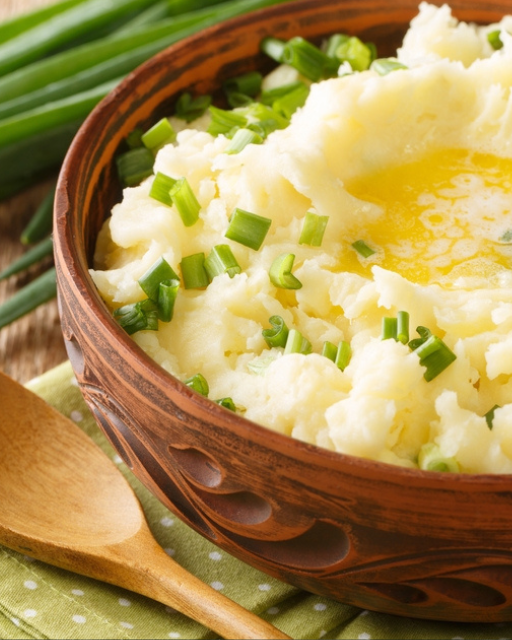
The dishes worth learning in person: boxty (a potato pancake), champ (mashed potato with spring onions and butter), colcannon (mashed potato with kale or cabbage), and traditional Irish soda bread. These are the foundations of Irish home cooking, and learning them in context makes a real difference.
Traditional Irish Music: Sessions and Starter Instruments
Traditional Irish music has a session culture that is open to learners — but only if you know where to look. The busiest tourist-facing sessions can feel intimidating, but smaller towns and villages across Connacht and Munster have sessions where visitors at all levels are welcomed, including those who are only just starting out.
The tin whistle is the most practical beginner instrument. It is inexpensive, widely available, and you can learn to play a simple tune in a single afternoon. Music shops in Doolin, Dingle and Galway sell them and often offer short introductory lessons. The bodhrán (a frame drum) is another option, though the technique takes longer to develop.
Scoil Acla on Achill Island runs a traditional arts summer school each July. Willie Clancy Summer School in Miltown Malbay, County Clare — held in the first week of July — is one of the most respected traditional music schools in the world and caters to all levels including absolute beginners. Both are week-long programmes rather than drop-in sessions, so plan your visit around their schedule.
Even if you do not learn an instrument, understanding what you are watching at a live session is itself a skill. Knowing the difference between a reel and a jig, recognising the structure of a set, and knowing when to listen and when to join in — these are things you pick up by being present, not by reading about them.
Irish Step Dancing: Workshops for First-Time Visitors
Irish step dancing is harder to pick up than it looks, but visitor-friendly workshops exist in most Irish cities. They are typically short — a couple of hours — and designed for people with no prior dance experience. The focus is on footwork patterns rather than full performance routines, so most people leave with a basic reel step they can practise at home.
In Dublin, several heritage experience venues offer workshops alongside evening shows. In Galway, Trad on the Prom includes a dancing element in its programme. County Clare, particularly around Ennis, has a strong traditional dance scene with workshops running throughout the summer.
You do not need to be particularly fit or flexible. Most beginner workshops focus on the basic step, a few simple patterns, and the timing structure of a reel. A two-hour session is enough to give you a proper feel for it. If you want to go further, a week-long intensive at a summer school will push you considerably harder.
Discover more about Ireland’s culture, history and hidden gems. Our free weekly newsletter is read by over 160,000 Ireland lovers around the world. Sign up free today.
Surfing the Wild Atlantic Way
Ireland’s west coast has some of the best beginner surf conditions in Europe. Atlantic swells are consistent, the water is cold but manageable in a wetsuit, and the surf schools are well-established and properly equipped. Most beginner lessons run for two to three hours and will have you catching small waves within the first session.
Bundoran in County Donegal is one of Ireland’s most popular surf towns, with multiple surf schools catering to all levels. Lahinch in County Clare is another strong option, with a long sandy beach well suited to learning. Achill Island and Enniscrone in County Sligo are quieter alternatives with equally good conditions.
The best months for beginner surfing are April through October. July and August have the calmest conditions, though the beaches are at their busiest. May, June and September offer a better balance of decent swells and manageable crowds. Most schools include wetsuit and board hire in the lesson price. Group lessons typically cost between €30 and €50 per person for a two-hour session.
Pottery and Craft Workshops Across the West
The west of Ireland has a long tradition of craft, and the number of working studios that accept visitors for workshops has grown steadily. Pottery is the most widely available option — wheel-throwing and hand-building workshops are available in County Clare, Galway, Mayo and Kerry. Most run for half a day to a full day and are open to complete beginners.
The Aran Islands have craft producers who offer demonstrations and occasional workshops in traditional Aran knitting and weaving. Clare Island off the coast of Mayo has a number of resident artists and craft makers who run workshops during the summer months — it is a more remote and immersive option than a city studio.
Design & Crafts Council Ireland (dcci.ie), the state agency for Irish craft and design, keeps a public directory of registered craftspeople searchable by county and product. It is the most reliable starting point if you want to know what is available in a specific region before you travel.
Sea Kayaking and Wild Swimming
Wild swimming has become one of the most popular activities in Ireland in recent years. The Forty Foot in Sandycove, Dublin — open year-round and famously cold — is the most famous spot, but there are wild swimming locations along almost every stretch of Irish coastline. Many visitors who try it once describe it as genuinely habit-forming.
Sea kayaking is a more skill-based option. Operators in Cork Harbour, Kenmare Bay, Clew Bay in Mayo and Killary Fjord in Galway all offer introductory sessions for beginners. A half-day guided paddle typically covers basic paddling technique, safe entry and exit, and how to read coastal conditions. The view from the water is very different from anything you see on land.
Some operators offer multi-day coastal kayaking tours along the Wild Atlantic Way, with camping on coastal islands or stays in local accommodation. These require a bit of pre-trip planning but no prior paddling experience for the introductory sections.
Planning a Skill-Focused Visit to Ireland
Most of these activities need to be booked in advance, particularly during July and August. Many workshops and surf schools run full in peak season, and the better cookery courses book out weeks ahead.
- Most craft and cookery workshops run for two to four hours and cost between €40 and €120 per person.
- Surf and kayaking lessons generally include all equipment — check whether wetsuit hire is included before you book.
- Traditional music schools like Willie Clancy are week-long residential programmes and need to be planned around their published schedules.
- Most Irish towns have at least one or two hands-on activity options nearby, so a skills-focused day can be combined with more general sightseeing without much extra effort.
The broader point is that this kind of travel is well catered for in Ireland. You do not need a specialist tour or a lot of advance planning for most activities — a half-day workshop in a local pottery studio or a morning surf lesson can be slotted into almost any itinerary. What you do with the skill once you get home is your own business. But the starting point is easier here than in most places.
Never miss a story about Ireland. Join our free weekly newsletter and get the best of Ireland — history, culture, travel tips and more — delivered to your inbox every week. Subscribe for free.
Tours & experiences you might love


Powered by Viator. Some links are affiliate links — we may earn a small commission at no extra cost to you.
Secure Your Dream Irish Experience Before It’s Gone!
Planning a trip to Ireland? Don’t let sold-out tours or packed attractions spoil your journey. Iconic experiences like visiting the Cliffs of Moher, exploring the Rock of Cashel, or enjoying a guided walk through Ireland’s ancient past often sell out quickly—especially during peak travel seasons.

Booking in advance guarantees your place and ensures you can fully immerse yourself in the rich culture and breathtaking scenery without stress or disappointment. You’ll also free up time to explore Ireland’s hidden gems and savour those authentic moments that make your trip truly special.
Make the most of your journey—start planning today and secure those must-do experiences before they’re gone!