

Ireland’s civil registration records hold birth, death and marriage certificates going back to 1864. Most of them are now free to search online. If you have Irish ancestry, these records give you the fastest route to a verified ancestor — with the exact townland they lived in, their father’s occupation and their mother’s maiden name, all in one document.
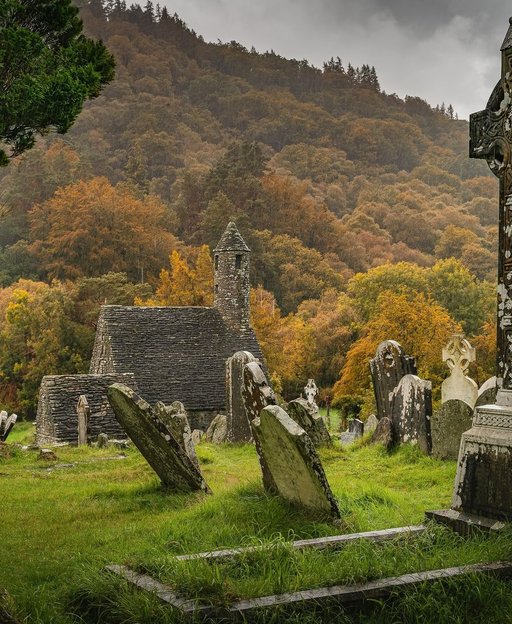
This guide explains what civil registration records are, what they contain, and exactly where to find them online for free. Whether your ancestors left during the Famine, arrived in America in the 1880s, or you simply have a county name and a surname to work with, start here.
🍂 October is Family History Month. Our free guide walks you through every Irish record type — including civil registration, the 1926 Census, Griffith’s Valuation and DNA tools. Download your free Irish Ancestry Guide →
What Are Irish Civil Registration Records?
Civil registration is the government system that records births, deaths and marriages. Ireland transferred this responsibility from the Church to the state in the nineteenth century. Before that, local parishes kept their own records. Many of those parish records burned in the 1922 Public Record Office fire in Dublin.
Civil records survived that fire almost entirely. The General Register Office (GRO) kept its registers in a separate building. That building did not burn. This makes civil registration one of the most complete sources for Irish genealogy research.
A local registrar recorded each event and sent a copy to a central index. You can search that index today, free of charge, through the Irish government’s official genealogy portal.
When Did Civil Registration Begin in Ireland?
Civil registration in Ireland started in two stages:
- 1845: Non-Catholic marriages began to enter the civil records. This covers Church of Ireland, Presbyterian, Methodist and other Protestant denominations, as well as Quaker and Jewish marriages.
- 1864: Civil registration expanded to cover all births, deaths and Catholic marriages. From this date, every birth, death and marriage in Ireland appears in the civil registers — whatever the religion.
This matters for your research. If your ancestors were Catholic — as most Irish people were — your civil records begin in 1864. If they were Protestant, marriage records may go back to 1845, nearly 20 years earlier.
Civil registration ran across the whole island until partition in 1922. After that, records for what is now Northern Ireland went to the General Register Office for Northern Ireland (GRONI) in Belfast. Records for the Republic stayed with the GRO in Roscommon.
☘️ Researching your Irish roots?
Our free step-by-step guide walks you through every record, database, and DNA tool to trace your Irish family — no experience needed.
Get the Free Ancestry Guide →What Information Do Civil Records Contain?
Each type of civil record gives you different details. Here is what you can expect to find in each one.
Birth Certificates
A civil birth certificate from 1864 onwards includes:
- The child’s full name and date of birth
- The district and townland of birth
- The father’s full name and occupation
- The mother’s full name, including her maiden name
- The informant’s name and address (usually the father)
- The date the registrar recorded the birth
The mother’s maiden name opens a second surname line to research. The occupation tells you your family’s social standing. The townland — often just a few hundred acres — pinpoints the exact farm or village your ancestors came from.
Death Certificates
A civil death certificate names the person, gives their age, and records the date, place and cause of death. It also names the informant. Causes of death on records from 1845 to 1852 frequently include cholera, typhus and starvation — a direct record of the Great Famine’s impact on a community. From 1913 onwards, death certificates also note the person’s marital status and occupation.
Marriage Certificates
Civil marriage certificates are often the richest of all three record types. Each one records:
- The full names, ages and residences of both parties
- The occupation and name of each person’s father
- The names of at least two witnesses
- The church or registry office where the marriage took place
- The officiating clergy member, for church marriages
A single marriage certificate gives you four surnames at once: the groom’s, the bride’s maiden name, the groom’s father’s name and the bride’s father’s name. This makes it one of the most powerful tools in Irish ancestry research.
☘️ Enjoying this? 64,000+ Ireland lovers get stories like this every week. Subscribe free →
Where to Find Irish Civil Records Online — Free
The Irish government digitised several million civil registration records and put them on irishgenealogy.ie. Start there. The portal holds birth, death and marriage indexes, plus digital images of many original registers.
Here is what irishgenealogy.ie offers free of charge:
- Births: Index entries from 1864 to 1922, with images of original registers. Births more than 100 years old include the full certificate with the mother’s maiden name.
- Deaths: Index entries from 1864 to 1970, with images up to around 1970.
- Marriages: Index entries from 1845 to 1940, with images up to around 1940.
- Church of Ireland registers: Over 1,000 digitised parish registers, many going back to the 1700s.
For records less than 100 years old, apply directly to the GRO for a certified copy. The fee is €20 per certificate. Northern Ireland records go through GRONI at groni.gov.uk, which has its own free online search.
Ancestry.com and FindMyPast also hold large Irish civil record collections. Both need a subscription. Check your local library — many offer free Ancestry access to members.
How to Search the Civil Registration Records
Go to irishgenealogy.ie and choose “Civil Registration.” You can filter the search by:
- Surname — Enter the surname as you know it, then try variants if needed.
- First name — Optional. Leave it blank to see all entries for a surname.
- Year range — Enter an approximate decade if you are unsure of the exact year.
- County — Filter by county to cut down on results.
Each result links to an image of the original register. Birth index entries from before 1922 show the child’s name, the mother’s maiden name, the registration district and the year. That alone can confirm you have the right family line.
Understanding Spelling Variations in Irish Civil Records
Irish surnames changed shape in the nineteenth century. Registrars wrote what they heard, not always what the family intended. Expect to find these common issues:
- The prefix “O'” or “Mac” dropped — O’Brien becomes Brien, Mac Carthy becomes Carthy
- Phonetic spellings — Ó Briain becomes O’Bryan or O’Brian
- English equivalents — Seán becomes John, Máire becomes Mary
- Inconsistent spelling across records — one family can appear as Sullivan, Sullivane or O’Sullivan in different registers
irishgenealogy.ie includes a Soundex search option that finds phonetically similar surnames. Use it when your first search finds nothing.
Civil Records vs Parish Records: Which Should You Use First?
Civil records and Catholic parish records overlap from 1864 onwards. Before 1864, parish records are the only option for Catholic ancestors. For research before 1800, you need a mix of Church of Ireland registers, estate papers and the 1901 and 1911 census returns.
Start with civil records. They are more complete, better indexed and easier to search online. Once you find a family in the civil records, move to parish records to push the line further back — often into the late 1700s or early 1800s.
The Irish Catholic Parish Records database on irishgenealogy.ie holds images from 1,148 parishes across the country. It is the natural next step after the civil records, and it is also free.
What to Do When You Cannot Find the Record
Not finding a record is common, especially in the period 1864 to 1880. Studies suggest registrars missed around 30% of rural births in the first decade of civil registration. If you hit a blank, try these steps:
- Search a five-year window on either side of the expected year
- Search by surname only, without a first name
- Check the 1901 and 1911 census returns for ages and birth places
- Look up siblings — a brother’s or sister’s birth record may appear when yours does not
- Contact the county library local studies unit — many hold supplementary records not online
The National Archives of Ireland at nationalarchives.ie also holds supplementary civil registration records. Try them if the main GRO index fails to produce a result.
What years do Irish civil registration records cover?
Civil registration began in 1864 for all births, deaths and Catholic marriages, and in 1845 for non-Catholic marriages. irishgenealogy.ie gives free access to deaths up to 1970 and marriages up to 1940. You can view original images of birth registers from 1864 to 1922 free of charge, with the full certificate visible for births more than 100 years ago.
How do I find an Irish birth certificate online for free?
Visit irishgenealogy.ie and select “Civil Registration.” Search by surname, approximate year and county. Birth records from 1864 to 1922 are fully indexed and free to view, including images of the original registers. For births less than 100 years ago, apply to the General Register Office directly for a certified copy, which costs €20.
Did the 1922 Public Record Office fire destroy Irish civil records?
No. The GRO held its civil registers in a building separate from the Public Record Office that burned in June 1922. The civil records survived almost completely. This is why civil registration remains the most reliable Irish genealogy source from 1864 onwards, unlike many other record types that the fire destroyed.
Where are civil registration records for Northern Ireland?
Records for the nine Ulster counties up to 1922 appear on both the GRO and GRONI systems. After partition in 1922, records for Northern Ireland went to the General Register Office for Northern Ireland in Belfast. Search them at groni.gov.uk. The irishgenealogy.ie portal includes Ulster records up to 1922.
🍂 October is Family History Month
If you are tracing your Irish roots this October, our free Irish Ancestry Guide covers every record type — civil registration, Griffith’s Valuation, the 1926 Census and DNA testing for Irish ancestry. Download it free.
Get your free Irish Ancestry Guide → lovetovisitireland.com/irish-ancestry-guide/
☘️ Join 64,000+ Ireland Lovers
Every weekday morning, get Ireland’s hidden gems, local secrets, and travel inspiration — the kind you won’t find in any guidebook.
Subscribe free — enter your email:
Already subscribed? Download your free Ireland guide (PDF)
📲 Know someone who’d love this? Share on WhatsApp →
Love more? Join 43,000 Scotland lovers → · Join 29,000 Italy lovers → · Join 7,000 France lovers →
Free forever · Unsubscribe anytime
Tours & experiences you might love


Powered by Viator. Some links are affiliate links — we may earn a small commission at no extra cost to you.
Secure Your Dream Irish Experience Before It’s Gone!
Planning a trip to Ireland? Don’t let sold-out tours or packed attractions spoil your journey. Iconic experiences like visiting the Cliffs of Moher, exploring the Rock of Cashel, or enjoying a guided walk through Ireland’s ancient past often sell out quickly—especially during peak travel seasons.

Booking in advance guarantees your place and ensures you can fully immerse yourself in the rich culture and breathtaking scenery without stress or disappointment. You’ll also free up time to explore Ireland’s hidden gems and savour those authentic moments that make your trip truly special.
Make the most of your journey—start planning today and secure those must-do experiences before they’re gone!