

There is a pattern that people who have lived abroad tend to notice. You are somewhere far from home — a bar in Melbourne, a construction site in New York, a café in Dubai — and you encounter someone Irish. Within minutes, they have asked where you are from, bought you a drink, or pulled you into a conversation you did not expect to have.
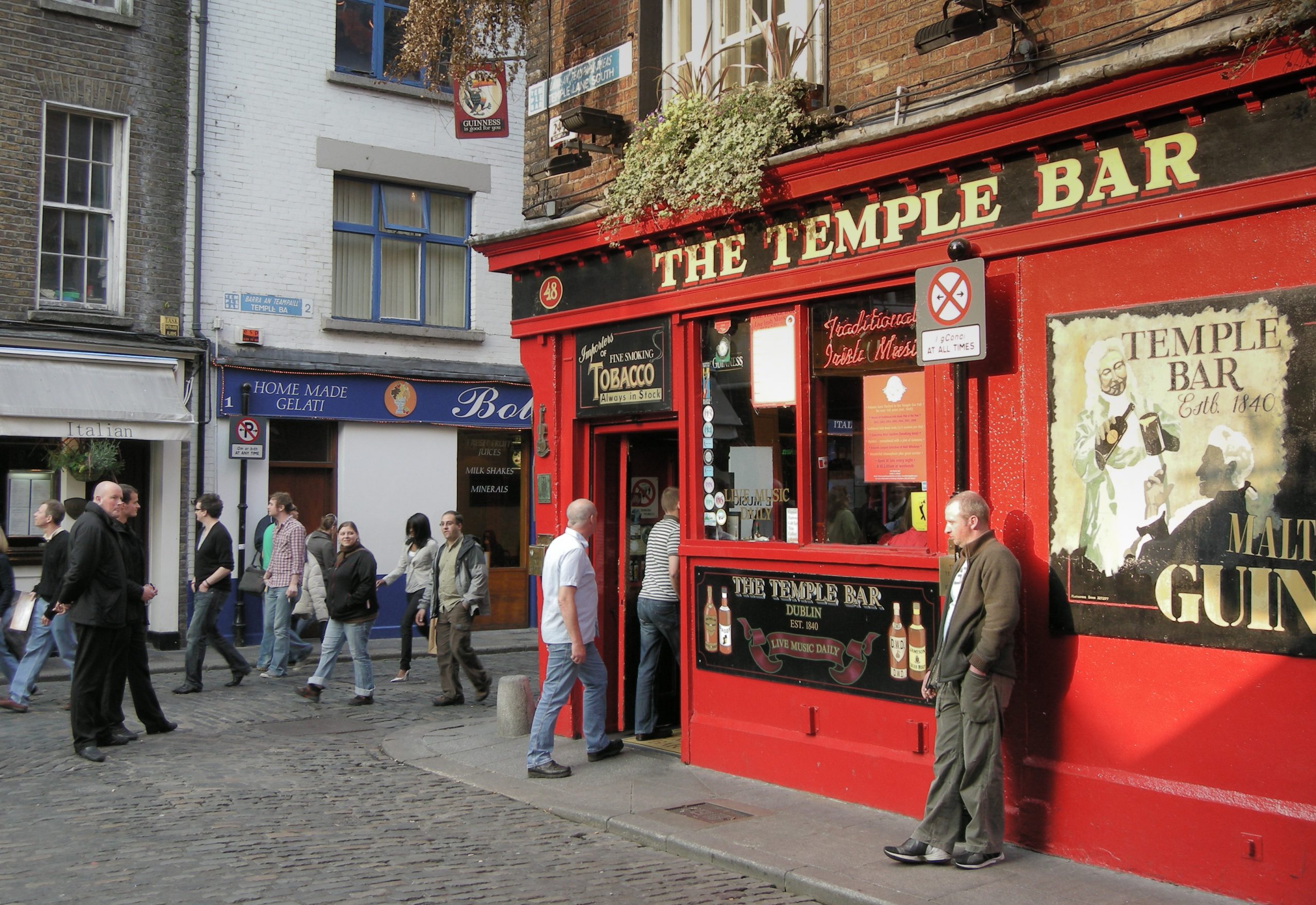
It is not an accident. Irish hospitality has specific roots, and it shows up in a specific way whether you are in a pub in Galway or at a barbecue in Toronto.
The Concept Behind Irish Welcome
The Irish phrase céad míle fáilte means “a hundred thousand welcomes.” It appears on pub signs, hotel doorways, and tourist brochures. But the phrase exists because it describes something real. We explore the phrase further in Céad Míle Fáilte: Why Irish Hospitality Is One of the Most Powerful Forces in Travel.
In traditional Irish culture, hospitality was not optional. If someone arrived at your home, you fed them, offered them a seat, and gave them whatever you had. This was true in rural Ireland for generations, long before tourism. A stranger at the door was treated as a guest. Turning someone away was a serious social failure.
That mindset has persisted. Modern Irish people still tend to treat strangers as potential friends rather than potential problems.
Why the Irish Connect So Easily with Strangers
Ireland has one of the largest diasporas in the world relative to its population. More people of Irish descent live outside Ireland than inside it. The Irish government’s commonly cited estimate puts the number of people worldwide who claim Irish heritage at around 70 million, compared to a population of roughly seven million on the island of Ireland today.
This matters because emigration has been part of Irish life for centuries. The Famine years of the 1840s accelerated it dramatically, but the movement never stopped. Entire generations left for America, Britain, Australia, and beyond. The result is that Irish culture developed a particular sensitivity to being the outsider in a new place.
When an Irish person meets a stranger abroad, they already know what it feels like to be far from home. That shared experience creates an instinct for connection rather than distance.
The Role of Irish Pubs Around the World
There are thousands of Irish pubs around the world. One industry count puts the total at roughly 6,500, including those in Ireland, and estimates vary because they depend on how an “Irish pub” is defined. In cities from São Paulo to Shanghai, the Irish pub functions as a community hub — a place where strangers become regulars and regulars become friends.
This is not a coincidence of branding. The Irish pub format — open layout, long bar, live music, no reserved seating — makes conversation easy. There is no hierarchy of tables. You sit next to whoever is there. You talk.
When Irish emigrants built pubs abroad, they were recreating a social structure that had existed at home for generations. The pub was not just for drinking. It was where you heard news, made arrangements, and kept up with people you might not otherwise see.
That culture travels with Irish people wherever they go.
Enjoy stories about Irish culture and the people who carry it around the world? Our free weekly newsletter goes deeper — history, travel, and the small details that make Ireland what it is. Subscribe here — it’s free.
What You Notice When You Actually Visit Ireland
Visitors to Ireland consistently rate the people as one of the main reasons they come back. Tourism Ireland has long promoted the friendliness of its people as one of the country’s main selling points, and visitor surveys have repeatedly ranked it among the things people enjoy most about their trip.
This shows up in small, practical ways.
Ask for directions in any Irish town and the person you ask will not just point. They will walk you part of the way, tell you what to look for, and probably mention something worth seeing nearby that has nothing to do with your original question. Walk into a pub alone and within ten minutes you are likely to be in a real conversation. Mention that you have Irish heritage and someone will ask where your family came from before your pint has settled.
None of this is performance for tourists. It is the baseline expectation of how to behave towards a stranger.
The Irish Community Abroad — How It Forms So Quickly
One of the most frequently mentioned experiences among people with Irish backgrounds living overseas is how fast the community forms in a new city. Arrive somewhere unfamiliar, find the Irish pub, and within a week you have a social circle.
This is partly practical. Irish emigrants have historically needed to look after each other in unfamiliar environments. But it is also cultural. The Irish concept of meitheal refers to the tradition of neighbours working together on shared tasks — no one was expected to do hard things alone. That cooperative instinct carries over into how Irish communities form wherever they land.
It also extends outward. Irish people abroad are well known for including non-Irish people in their social groups. The welcome is not exclusive to those with Irish passports or surnames.
Where the Storytelling Culture Comes In
Irish people talk. This is an observation, not a stereotype. The seanchaí — the traditional Irish storyteller — was a respected and important figure in pre-modern Irish society. They preserved history, spread news, and kept communities connected through oral tradition. Storytelling was a skill with genuine social value.
That culture of conversation has survived into the modern era. Irish talk is characterised by a particular rhythm — wit, self-deprecation, a willingness to take almost any situation and find the absurd angle in it. Silence at a table is something to be filled, not preserved.
For visitors and strangers, this means that meeting an Irish person almost always involves actually talking. Not a surface exchange. A real conversation about where you are from, what you think of a place, what your grandmother used to cook on a Sunday. It can feel disarming if you are not expecting it. It is meant to.
Practical Ways to Experience Irish Hospitality
If you want to experience Irish welcome in its most direct form, there are a few straightforward approaches that work better than the standard tourist route.
Skip the tourist pubs in Dublin city centre. They are busy and impersonal. Head instead to a local pub in a smaller town — Westport, Kenmare, Kilkenny, Carrick-on-Shannon. Order a Guinness. Sit at the bar rather than a corner table. Give it twenty minutes. Our guide to Irish pub etiquette covers the unwritten rules.
Ask a local question rather than a tourist one. “What is good here that is not in the guidebook?” opens a completely different conversation than “Where is the nearest landmark?” People respond differently when they feel they are being asked for their genuine opinion.
Go to a session. Traditional music sessions take place in pubs across the country most evenings. They are not performances in the formal sense — they are open, informal gatherings where musicians play and everyone is welcome to listen. Our guide to the Irish trad session explains what to expect. By the end of the evening, you will have spoken to people you did not plan to meet.
Take your time. Irish hospitality works on a slower clock than most visitors are used to. The conversation is not a transaction. There is no rush to get through the evening to the next thing. The time spent talking is the point.
Planning a trip to Ireland? Our free weekly newsletter covers practical tips, cultural background, and the local knowledge that makes the difference between a good trip and a great one. Subscribe here — free every week.
What It All Adds Up To
Irish people are not universally warm in every situation — no group of people is. But the pattern that gets noticed again and again, in airports and pubs and building sites around the world, is real. It comes from a specific history of emigration, a deep-rooted culture of hospitality, and a familiarity with what it means to be far from home and in need of a friendly face.
If you have ever had an Irish person pull you into a conversation you were not expecting, or felt oddly at ease in a country you had never visited before, you have already experienced it firsthand. That is what céad míle fáilte looks like in practice — not on a pub sign, but in how people actually treat you.
Tours & experiences you might love


Powered by Viator. Some links are affiliate links — we may earn a small commission at no extra cost to you.
Secure Your Dream Irish Experience Before It’s Gone!
Planning a trip to Ireland? Don’t let sold-out tours or packed attractions spoil your journey. Iconic experiences like visiting the Cliffs of Moher, exploring the Rock of Cashel, or enjoying a guided walk through Ireland’s ancient past often sell out quickly—especially during peak travel seasons.

Booking in advance guarantees your place and ensures you can fully immerse yourself in the rich culture and breathtaking scenery without stress or disappointment. You’ll also free up time to explore Ireland’s hidden gems and savour those authentic moments that make your trip truly special.
Make the most of your journey—start planning today and secure those must-do experiences before they’re gone!