

Watch: Can an American Buy a House in Ireland? The Real Steps · Published 28 October 2026 · 7 min 16 s (7:16).
We make one of these every week. Subscribe to Love Ireland so you get the next one.
General information checked against official sources on 15 October 2026. Check your own circumstances and contract with an Irish solicitor.
Sale agreed is not the finish
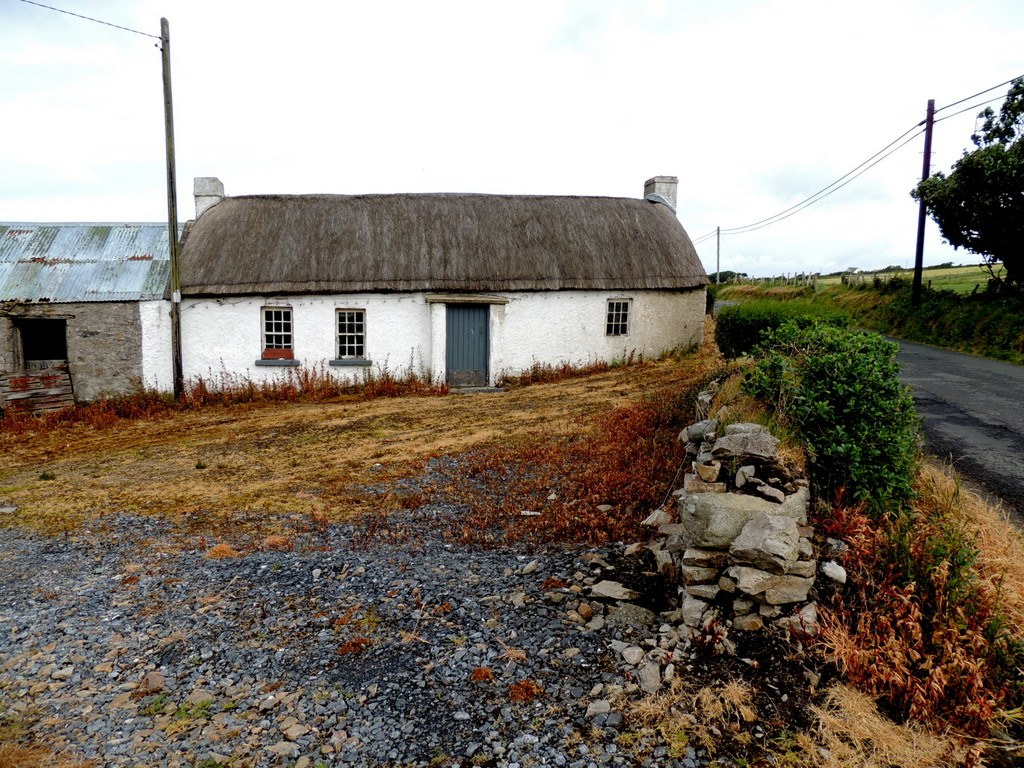
In Ireland, you can agree a price for a house, pay a booking deposit, and still have no binding sale.
For an American buyer, knowing when that changes matters. Here's the route from your first offer to the keys, and the costs beyond the price.
Buying and living are separate
☘️ Join 64,000+ Ireland Lovers
Every weekday morning, get Ireland’s hidden gems, local secrets, and travel inspiration — the kind you won’t find in any guidebook.
Subscribe free — enter your email:
Already subscribed? Download your free Ireland guide (PDF)
📲 Know someone who’d love this? Share on WhatsApp →
Free forever · Unsubscribe anytime
First, separate buying a home from permission to live in it.
Americans can buy, including while living outside Ireland. Citizens Information says there is no residency-based restriction on buying a property.
But the deed does not give you a right to move here. Your citizenship or immigration permission is a separate question.
Our legal routes and retirement videos explain that distinction, and buying a house does not grant residency. Retirement on Stamp Zero requires its own application and conditions; buying a cottage does not replace them.
Settle that question before committing your savings. This is general information. Check your own case with an Irish solicitor.
Set a budget before an offer
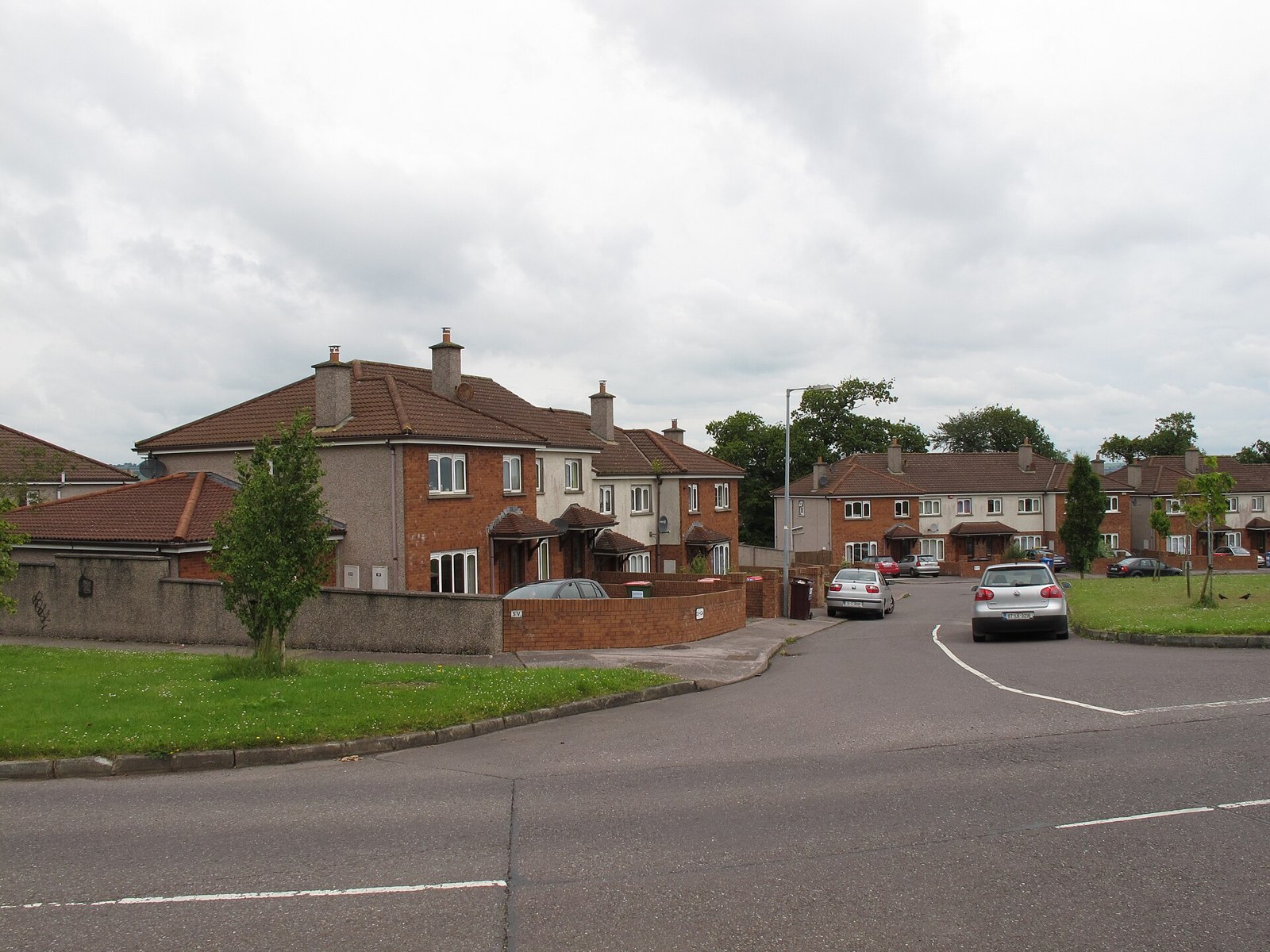
Next, establish your budget and, if needed, your financing.
The Central Bank's standard limits allow four times gross income for first-time buyers, and three and a half times for second or subsequent buyers.
The standard minimum deposit is ten percent for those home buyers, thirty percent for buy-to-let. Allowances and exemptions exist.
These rules cover mortgages secured on Irish residential property. They are not an offer to lend to an American abroad.
The Central Bank says each application is assessed individually. Ask how the lender would assess your own circumstances before you bid.
Approval in principle helps set a budget. Get formal approval for the property before signing contracts.
Compare sold prices, not just listings
Now give the price some context.
The latest CSO release, published October thirteenth, covers August twenty twenty-six. Across the twelve months to August, the median dwelling price was four hundred thousand euros nationally.
Dublin was five hundred thousand, Wicklow four hundred eighty thousand, and Longford one hundred ninety-nine thousand.
Those are middle prices of recorded purchases across a year, not a quote for your house or a forecast.
Use the Property Price Register to compare actual nearby sales. Check dates and property details; some entries are not full market price, and new-property figures exclude VAT.
Make the offer, understand the deposit
This route assumes a private-treaty sale, where you negotiate with the seller or estate agent, subject to contract.
Choose your solicitor early. The estate agent acts for the seller, not for you; you can check the agent on the regulator's register.
Once your offer is accepted, you may pay a booking deposit. The amount varies; there is no universal booking fee.
Citizens Information says it is refundable before the sale contract is signed. Sale agreed is a stage in the process, not the moment you own the home.
An auction is different: the successful bidder signs and pays a deposit immediately. Have the legal and financial checks done beforehand.
Your solicitor checks the legal side
Your solicitor handles conveyancing: the legal transfer of ownership.
The Law Society describes work including title searches, resolving title questions, exchanging contracts and arranging closing.
For registered property, Tailte Éireann's folio records the owner and registered burdens, which can include mortgages and rights of way.
Ask your solicitor to explain anything affecting your intended use, rather than assuming the front gate tells you everything you are buying.
Get an itemized cost quote. Legal fees have no fixed rate, and VAT, search costs and registration fees need to be clear.
A cash purchase still needs those legal checks. Paying without a mortgage does not tell you whether the title is sound or the building needs work.
If buying together, discuss how ownership will be held. That question matters beyond moving day.
Get the building checked
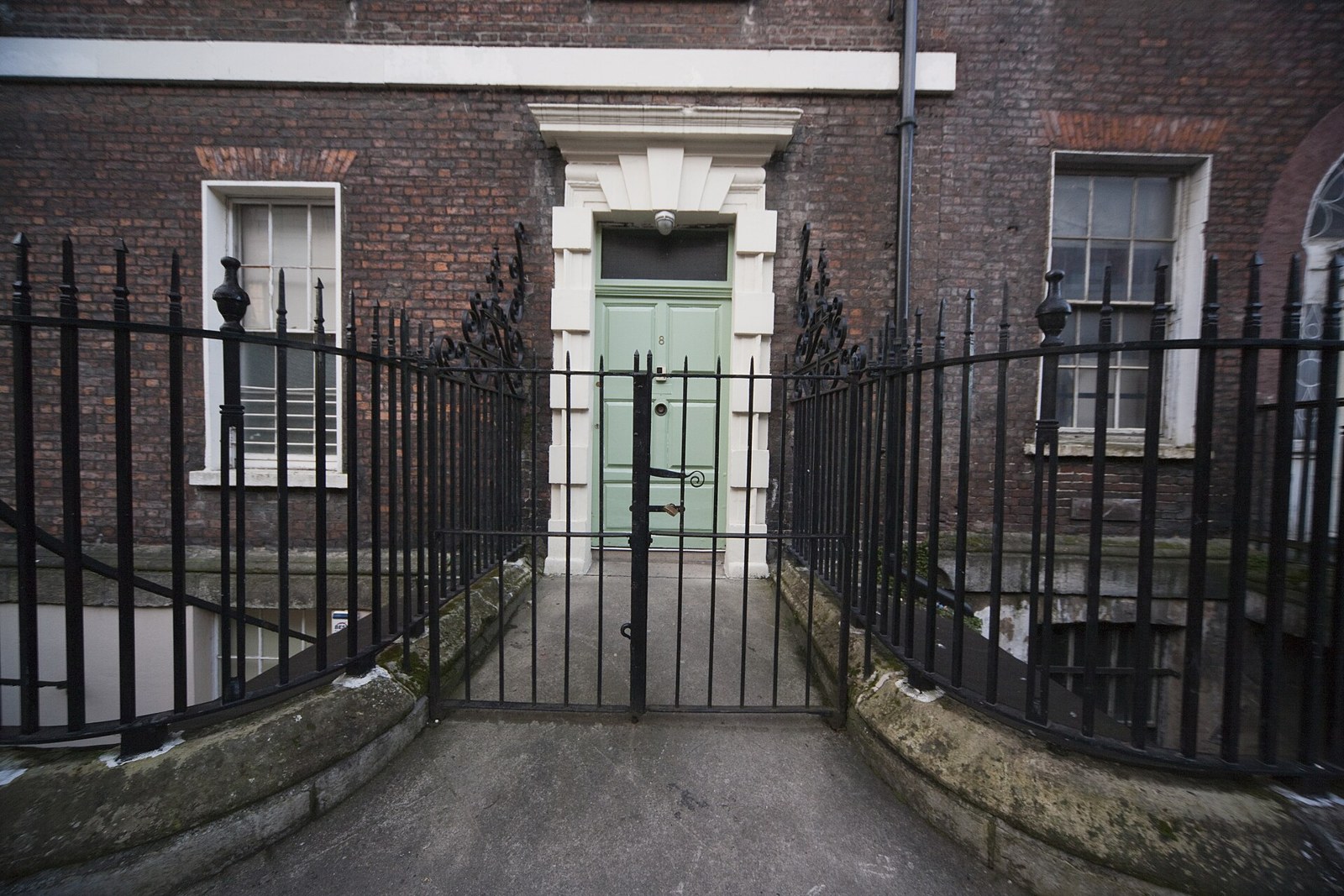
The legal checks do not replace a building survey.
Arrange an independent survey before signing. A lender's valuation is a different exercise.
Citizens Information gives a useful example: discovering that a roof needs replacing can change your offer, or your decision to buy at all.
With a new home, the Law Society advises arranging inspections and a snag list: the defects or unfinished work to address.
Keep money for repairs and ask what is actually included in the sale. A lovely view will still be there after you have checked the roof.
Contracts: the point that changes things
When your checks and financing are ready, your solicitor explains the contract and its conditions.
The booking and contract deposits together usually total ten percent of the agreed price.
For a four-hundred-thousand-euro home, that is forty thousand in total, with the booking deposit counted toward it.
That contract deposit and the lender's required deposit are different concepts, even when the percentages match.
The government describes the binding point as both parties signing, the deposit being paid, and the contract being exchanged.
After that, pulling out can cost your deposit and bring other consequences. Confirm your obligations with your solicitor before signing.
Budget for stamp duty and VAT
Leave room beyond the price for taxes and professional costs.
For an ordinary single-home purchase, residential stamp duty is one percent on the first million euros, two percent on the next five hundred thousand, and six percent on the portion above one and a half million.
A four-hundred-thousand-euro second-hand home gives a four-thousand-euro stamp-duty example.
New homes need a VAT check. Revenue illustrates new-house VAT at thirteen and a half percent; qualifying apartments can have a nine-percent rate under current rules.
Confirm the VAT-inclusive price. Stamp duty is calculated excluding VAT; you do not pay stamp duty on the VAT itself.
Closing, keys and the bill after
The contract sets a completion date. Your solicitor finishes the legal work and arranges the balance of the money.
Do a pre-closing inspection. Closing brings the transfer and the keys; stamping and registration follow through your solicitor.
Then remember Local Property Tax. It is based on a self-assessed property value. The current valuation period runs from twenty twenty-six through twenty thirty.
Revenue uses a November first liability date to decide who owes the following year's charge.
LPT clearance must be in place before closing. Ask your solicitor about outstanding amounts and how the sale accounts for the tax.
Add insurance, maintenance and any annual management fee to your ownership budget. The goal is a home you understand, financially and legally, before you turn the key.
Official sources
- www.citizensinformation.ie
- www.irishimmigration.ie
- www.centralbank.ie
- www.centralbank.ie
- www.cso.ie
- www.propertypriceregister.ie
- www.gov.ie
- www.citizensinformation.ie
- www.revenue.ie
- www.revenue.ie
- www.revenue.ie
- www.revenue.ie
- tailte.ie
- www.revenue.ie
- www.revenue.ie
- www.lawsociety.ie
Next in Making Ireland Home: Driving in Ireland as an American: Licence, Insurance and the Rules.
We make one of these every week. Subscribe to Love Ireland so you get the next one.
Tours & experiences you might love


Powered by Viator. Some links are affiliate links — we may earn a small commission at no extra cost to you.
Secure Your Dream Irish Experience Before It’s Gone!
Planning a trip to Ireland? Don’t let sold-out tours or packed attractions spoil your journey. Iconic experiences like visiting the Cliffs of Moher, exploring the Rock of Cashel, or enjoying a guided walk through Ireland’s ancient past often sell out quickly—especially during peak travel seasons.

Booking in advance guarantees your place and ensures you can fully immerse yourself in the rich culture and breathtaking scenery without stress or disappointment. You’ll also free up time to explore Ireland’s hidden gems and savour those authentic moments that make your trip truly special.
Make the most of your journey—start planning today and secure those must-do experiences before they’re gone!