
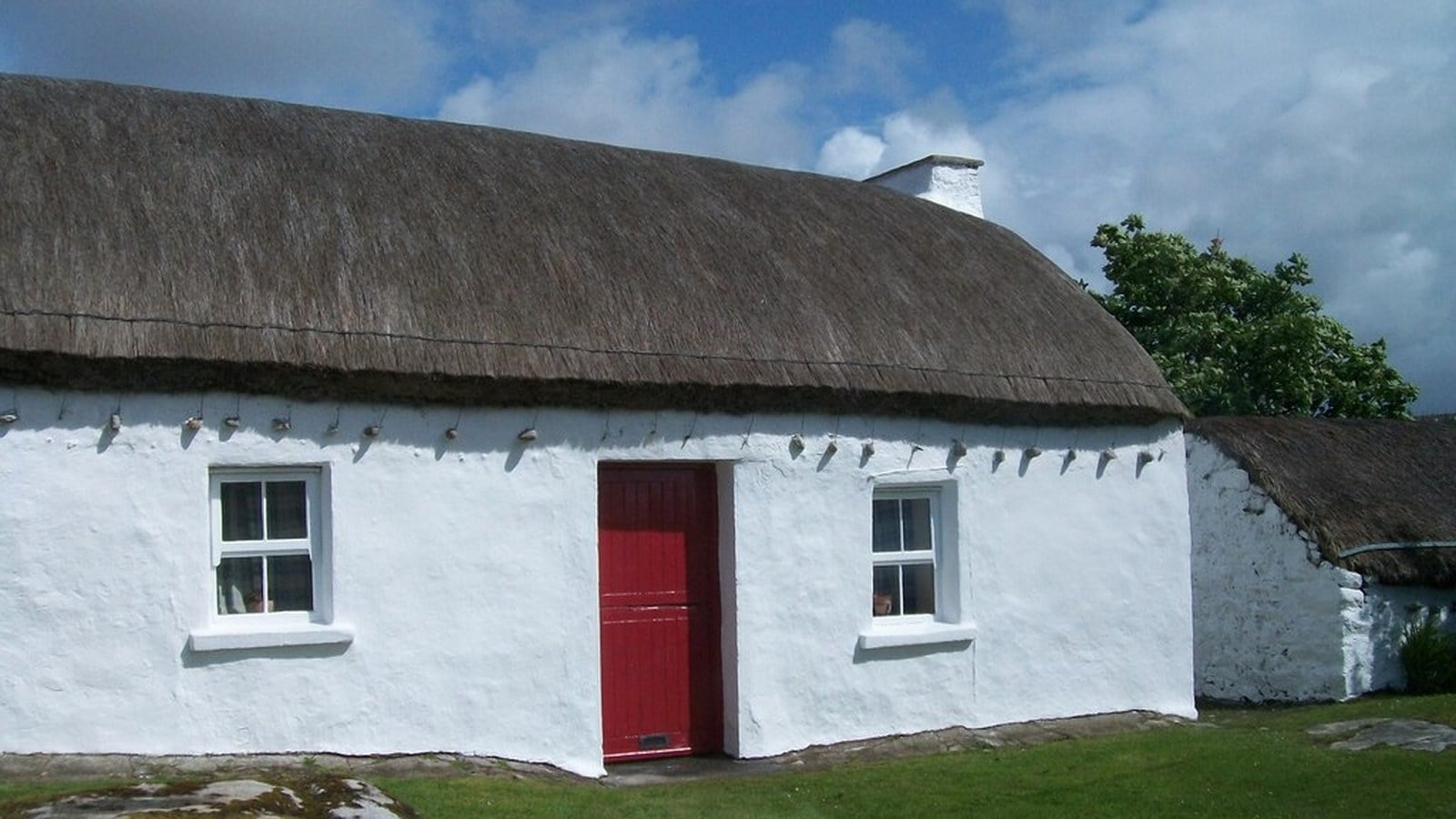
Walk into a house where a wake is being held and the first thing you notice is that the front door stands open, the curtains are drawn, and the clocks may have been stopped at the hour of death. The body lies not in a distant funeral parlour but in the front room, often for two or three days, while neighbours arrive with sandwiches, whiskey, and stories. The Irish wake is one of the oldest continuous funeral customs in Europe — a gathering built on the idea that the dead should never be left alone, and that grief and laughter belong in the same room. This is Guide № 007 in The Love Ireland Guide series.
Get the Full Collectible Guide (Free PDF)
The Irish Wake — in a beautifully designed, printable booklet. The Love Ireland Guide № 007.
What a Wake Actually Is
A wake is the period between death and burial when the deceased is “waked” — watched over continuously — usually in the family home. Traditionally the body was washed, dressed and laid out (the “laying out”) by women of the household or community, then placed in an open coffin or on a bed so mourners could pay respects. The word itself comes from the Old English wacan, meaning to watch or remain awake, and that is the literal duty: someone stays with the body through every hour of the night until the funeral.
The custom predates Christianity in Ireland and absorbed both Catholic and older folk practices over the centuries. Even today, many Irish funerals move quickly — burial often follows within two to three days of death — and the wake remains the emotional centre of it, frequently drawing far larger crowds than the church service that follows.
How a Traditional Wake Unfolds
Once the body was laid out, the house was opened to the whole community. Mirrors were covered or turned to the wall, clocks were sometimes stopped at the time of death, and a window might be opened to let the soul depart. Candles were kept lit around the coffin, and neighbours took turns sitting with the body so it was never left unattended, day or night.
Callers would approach the coffin, say a prayer, and offer condolences to the family with the phrase “I’m sorry for your trouble” — still the standard thing to say at an Irish funeral today. Food, tea, tobacco, snuff and drink were provided to all who came. Far from being solemn throughout, a wake mixed prayer and mourning with storytelling, card games, music and laughter, celebrating the life of the person who had died.
Keening: The Sound of Grief
One of the most striking features of the older Irish wake was keening — from the Irish caoineadh, meaning to cry or lament. A keener, most often a woman, would stand or kneel by the coffin and deliver an improvised vocal lament, part poetry and part wailing, praising the dead and voicing the community’s grief aloud. In some cases keeners were respected figures brought in specifically for the task.
The Catholic Church repeatedly disapproved of keening and the more boisterous wake games, viewing them as unruly or pagan, and clergy pressure over the nineteenth and twentieth centuries saw the practice fade. Genuine traditional keening is now essentially gone as a living custom, though recordings and revival performances preserve a sense of what it sounded like.
Wake Games and the Lighter Side
Historically, wakes — especially in rural areas — could involve organised games, pranks, riddles, singing and feats of strength, sometimes lasting through the night. These “wake amusements” served a real purpose: keeping watchers awake, easing the strain on the bereaved family, and marking the passage from life to death as a communal event rather than a private sorrow.
Some of these games struck outsiders and clergy as rowdy or irreverent, and they were gradually suppressed. What survives is the enduring character of the Irish wake as a place where tears and humour sit side by side — where telling a funny story about the deceased is not disrespectful but the whole point.
The Wake Today
The wake is very much alive in modern Ireland, particularly outside the biggest cities and across rural communities. Many families still choose to wake the deceased at home, with the coffin in the front room and the door open to callers, though waking at a funeral home has become common too. Death notices on RIP.ie — a website nearly every family in Ireland consults — list wake times, house locations and funeral arrangements, and reposing details are read out on local radio.
For a longer, folklore-focused look at the history behind these customs — mirror-covering, keeners, and wake games in more depth — see our companion feature, Irish Wake Traditions: What Happens, Customs & Etiquette Explained.
If you attend one as a visitor, the etiquette is simple: dress respectfully, join the queue to shake hands with the family, say “I’m sorry for your trouble,” and stay for tea and a chat if invited. You do not need to have known the deceased well — turning up to support the bereaved is itself the gesture that matters most in Irish culture.
Myths Worth Retiring
Myth: A wake is a drunken party. Drink and laughter feature at many wakes, but the core purpose is watching over the dead and supporting the family. The socialising happens around that duty, not instead of it, and plenty of the time is spent in prayer and quiet condolence.
Myth: The custom of “waking” the dead came from people being buried alive. It is often claimed the wake existed to make sure the “corpse” wasn’t merely unconscious, and phrases like “saved by the bell” are linked to it. This is a popular story with little solid evidence; the wake’s real roots lie in the religious and communal duty to keep vigil over the dead.
Myth: Wakes are a relic that no longer happens. Home wakes remain a living, widely practised custom in Ireland today, especially in rural areas — not a museum piece. The speed of Irish funerals and the size of the crowds still surprise visitors from countries where funerals are slower and more private.
Frequently Asked Questions
What do you say to the family at an Irish wake?
The traditional phrase is “I’m sorry for your trouble,” offered while shaking hands with each close family member. You do not need to say anything elaborate — the words are almost ritual, and simply being present is understood as the real message of support.
How long does a wake last?
A wake typically runs for one to two days and nights between the death and the funeral, with the body watched over continuously. Irish funerals happen quickly by international standards, so burial or cremation usually follows within about two to three days of death.
Is it appropriate for a visitor to attend a wake?
Yes. Wakes are open, community events, and callers who barely knew the deceased — or who came mainly to support a friend or neighbour — are welcome. Dress respectfully, pay your condolences to the family, and it is perfectly normal to stay for tea and conversation afterwards.
More The Love Ireland Guides
The Love Ireland Guide is a numbered series — one tightly focused subject at a time, each with its own downloadable collectible edition. Guide № 001 is Irish Soda Bread, Guide № 002 is St. Patrick’s Day, Guide № 003 is The Claddagh Ring, Guide № 004 is Guinness — The Pour, The Pint, The Ritual, Guide № 005 is Irish Pub Etiquette, Guide № 006 is Irish Slang & Hiberno-English, This is Guide № 007. More editions are on the way.
☘️ Join 64,000+ Ireland Lovers
Every week, get hidden stories, local secrets, and travel inspiration from people who live and love it.
Subscribe free — enter your email:
Secure Your Dream Irish Experience Before It’s Gone!
Planning a trip to Ireland? Don’t let sold-out tours or packed attractions spoil your journey. Iconic experiences like visiting the Cliffs of Moher, exploring the Rock of Cashel, or enjoying a guided walk through Ireland’s ancient past often sell out quickly—especially during peak travel seasons.

Booking in advance guarantees your place and ensures you can fully immerse yourself in the rich culture and breathtaking scenery without stress or disappointment. You’ll also free up time to explore Ireland’s hidden gems and savour those authentic moments that make your trip truly special.
Make the most of your journey—start planning today and secure those must-do experiences before they’re gone!


