

Somewhere in the Irish countryside, a motorway was rerouted. Not because of planning laws. Not because of protected wildlife. Because of a tree — a single hawthorn, standing alone in a field, said to belong to the fairies.
Nobody cut it down.
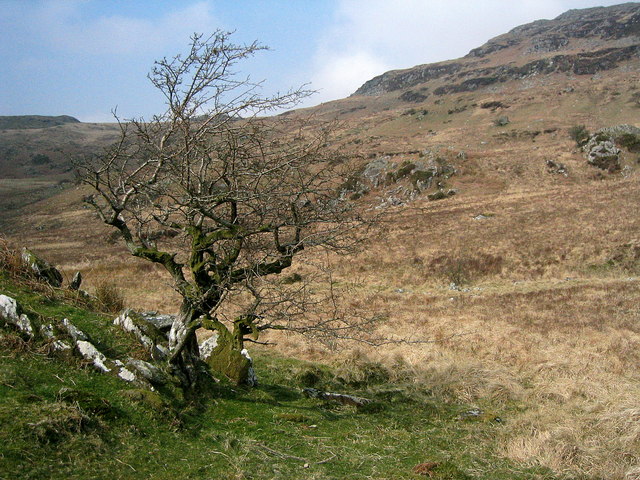
The Tree at the Centre of Irish Belief
The hawthorn is Ireland’s most sacred tree. Known in Irish as sceach (pronounced “shkakh”), it grows wild across hedgerows, boglands, and hillsides. When one stands alone in the middle of a field — not in a row, not in a hedge, completely by itself — the Irish give it a different name: a fairy thorn, or lone bush.
These trees often mark places that were once used as ancient boundaries, ritual gathering spots, or the edges of ring forts. Where a fairy thorn stands today, there is frequently a rath — a circular earthwork — just beneath the soil.
The tree is a living memorial to a landscape that existed long before anyone drew a map of it.
Why Nobody Dares Touch Them
Fairy thorns are believed to mark spots where the Otherworld sits closest to ours. In Irish folklore, the sídhe — the fairy people — would gather at these trees at night, passing between worlds or resting in the branches before dawn.
To disturb a fairy thorn was to invite their wrath.
The consequences were said to come quickly. Unexplained illness that struck without warning. Cattle found dead by morning. A farmer’s luck turning sharply the moment the first branch hit the ground. The misfortune could fall on the person who cut the tree, on their family, or on anyone who passed the spot regularly.
Even farmers with no personal belief in fairies often left the trees alone. “Just in case,” as the Irish say, carries enormous weight in a country where the gap between the everyday world and the Otherworld has always felt uncomfortably thin.
☘️ Enjoying this? 64,000+ Ireland lovers get stories like this every week.
Thinking about it seriously? If you’ve started actually planning a move, our complete the full Move to Ireland guide walks through every step, every cost, and the paperwork that catches most people out.
The Motorway That Bent Around a Fairy Bush
The most famous case in recent memory happened in County Clare in the late 1990s. Folklorist and storyteller Eddie Lenihan campaigned to save a hawthorn bush that stood directly in the path of a planned road bypass near Newmarket-on-Fergus.
He warned that cutting the tree would bring misfortune to everyone who used the road.
The road was rerouted. The bush still stands today.
It was not an isolated incident. Road planners across Ireland have quietly shifted designs to avoid disturbing solitary thorns. Engineers who might dismiss the idea in a Dublin boardroom are often considerably less certain when they’re standing in a Clare field at dusk, looking at a hawthorn that’s been there since before their great-grandparents were born.
There are things in the Irish countryside that carry a gravity that’s difficult to explain away with a spreadsheet.
The Science Behind the Superstition
Botanists note that hawthorn trees can live for several centuries. Their deep root systems and thorned branches made them natural boundary markers for ancient landholdings and ritual sites — which explains why so many lone thorns stand in fields that otherwise contain no trees at all.
The white hawthorn blossom — one of Ireland’s most dramatic spring flowers — carries a scent that many people find strangely unsettling. Scientists have traced this to a compound called trimethylamine in the blossom, which the human body also produces during decomposition.
Bringing hawthorn blossom indoors was considered deeply unlucky, even said to foretell a death in the household. The folklore knew something that science would eventually confirm.
Still Standing in Modern Ireland
Surveys carried out since the 1990s show that Irish farmers still feel strong reluctance to remove lone hawthorns. In one widely cited study, over half of those asked said they would not cut a fairy thorn on their land, regardless of their personal beliefs about the supernatural.
In 2012, a road scheme near Limerick was quietly adjusted to spare two hawthorns growing beside an ancient site. No announcement was made. It simply happened.
These trees have outlasted kingdoms, famines, and centuries of change. The Irish countryside is still full of lone thorns standing in the middle of ploughed fields — untouched, unhurried, older than any record of them.
They are not accidents of nature. They are a quiet conversation between the living and what came before — and for now, at least, Ireland is still listening.
Planning your own journey through Ireland’s ancient landscape? Our Ireland trip planning guide covers everything you need before you go. And if Irish folklore has caught your imagination, you might also enjoy reading about the women Ireland once paid to cry at funerals — another tradition that shaped a country in ways most visitors never know.
☘️ You Might Also Love
☘️ Join 64,000+ Ireland Lovers
Every Friday, get Ireland’s hidden gems, local secrets, and travel inspiration — the kind you won’t find in any guidebook.
Subscribe free — enter your email:
Get the free guide
Enter your email and we will send you straight to the download.
Love more? Join 43,000 Scotland lovers → · Join 30,000 Italy lovers → · Join 7,000 France lovers →
Free forever · · Unsubscribe anytime
Tours & experiences you might love


Powered by Viator. Some links are affiliate links — we may earn a small commission at no extra cost to you.
Secure Your Dream Irish Experience Before It’s Gone!
Planning a trip to Ireland? Don’t let sold-out tours or packed attractions spoil your journey. Iconic experiences like visiting the Cliffs of Moher, exploring the Rock of Cashel, or enjoying a guided walk through Ireland’s ancient past often sell out quickly—especially during peak travel seasons.

Booking in advance guarantees your place and ensures you can fully immerse yourself in the rich culture and breathtaking scenery without stress or disappointment. You’ll also free up time to explore Ireland’s hidden gems and savour those authentic moments that make your trip truly special.
Make the most of your journey—start planning today and secure those must-do experiences before they’re gone!
Subscribe Free