

If you are looking for things to do in Kilkenny, you have found the right city. The River Nore moves quietly through the centre of Kilkenny, and it has been doing so for a very long time. This city in the south-east of Ireland has been continuously inhabited since the 6th century. It has been a seat of Viking power, a Norman stronghold, and the site of one of medieval Ireland’s most important parliaments. Walk its streets today and the weight of that history is still there — in the stone, in the layout of the lanes, and in the buildings that have barely changed in centuries.
Kilkenny is not a theme park version of Irish history. It is a working city where people live, shop, and go about their days — and that makes the history feel more real, not less.
Love Irish history and hidden gems? Join thousands of readers who get the best of Ireland every week — no fluff, just great stories. Subscribe free here.
Kilkenny Castle: 800 Years of Continuous Occupation
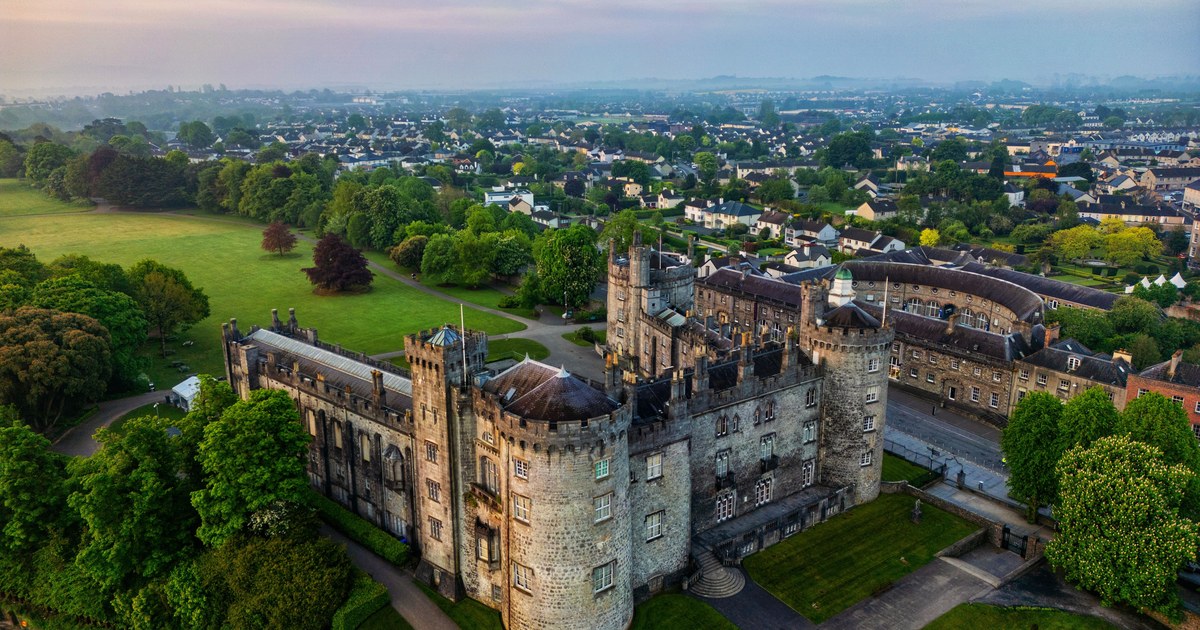
The castle at the centre of the city dates to around 1195, when the Norman lord William Marshal built a stone fortress on a strategic bend in the River Nore. It was not the first structure on that site — the Normans replaced an earlier wooden fort — but the castle that stands today is largely Marshal’s design, expanded and rebuilt over the following eight centuries.
The Butler family, one of the most powerful Anglo-Norman dynasties in Ireland, acquired the castle in 1391 and held it for nearly 600 years. They renovated it heavily in the 19th century, adding the Victorian interiors that visitors see now, and sold it to the state in 1967 for the sum of £50. It was opened to the public in 1976.
Today, the castle is managed by the Office of Public Works and is open year-round. The guided tour takes you through the Long Gallery, the Butler family portraits, and the Victorian kitchens. Entry is €8 for adults. The parkland behind the castle runs down to the river and is free to walk at any time. Official info: en.wikipedia.org/wiki/Kilkenny_Castle.
The Medieval Mile: Walking the Old City
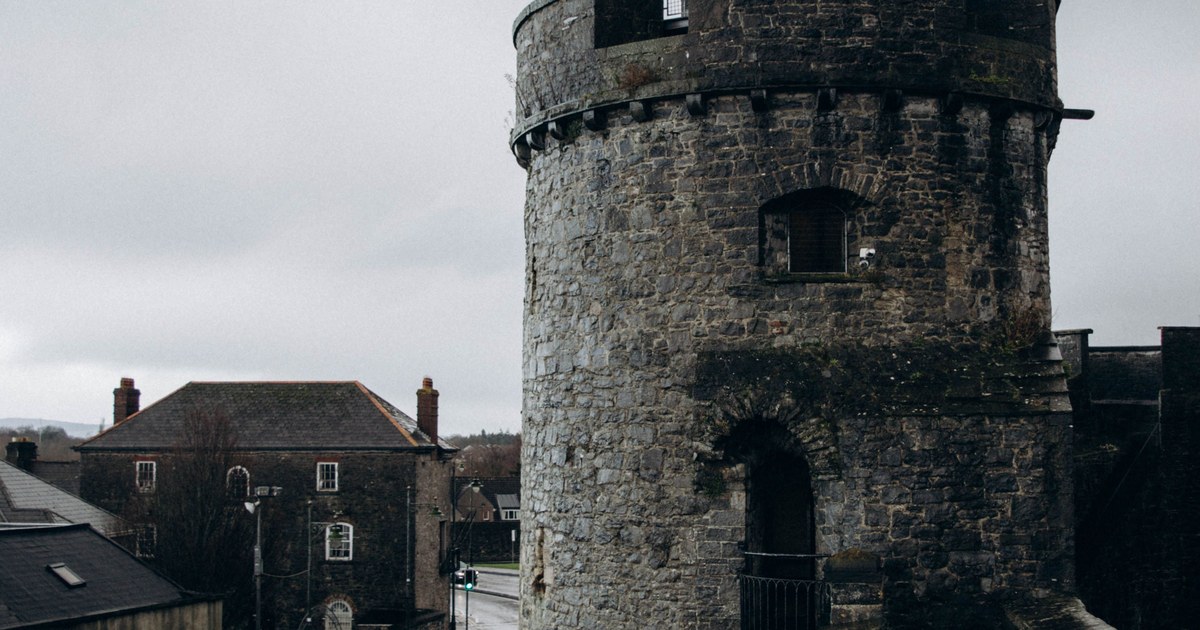
Kilkenny’s historic core is compact enough to cover on foot in a few hours. The “Medieval Mile” is a route that connects the castle at one end to St Canice’s Cathedral at the other, roughly following the line of the old medieval city.
Along the way, you pass the Tholsel — the city’s old toll-house, built in 1761 on the site of an earlier medieval structure — and the Black Abbey, a Dominican friary founded in 1225 that is still in active use. The Butter Slip, a narrow covered passageway off High Street, was a 17th-century market lane where dairy traders set up stalls. Several other narrow passages, known locally as “slips,” cut between the main streets and give the city centre its distinctive character.
The Medieval Mile Museum, housed inside the former St Mary’s Church and its associated medieval tombs, is worth an hour of your time. The church contains some of the best-preserved medieval effigies in Ireland, and the building itself dates to the 13th century. Plan your visit: Official site.
St Canice’s Cathedral and Round Tower
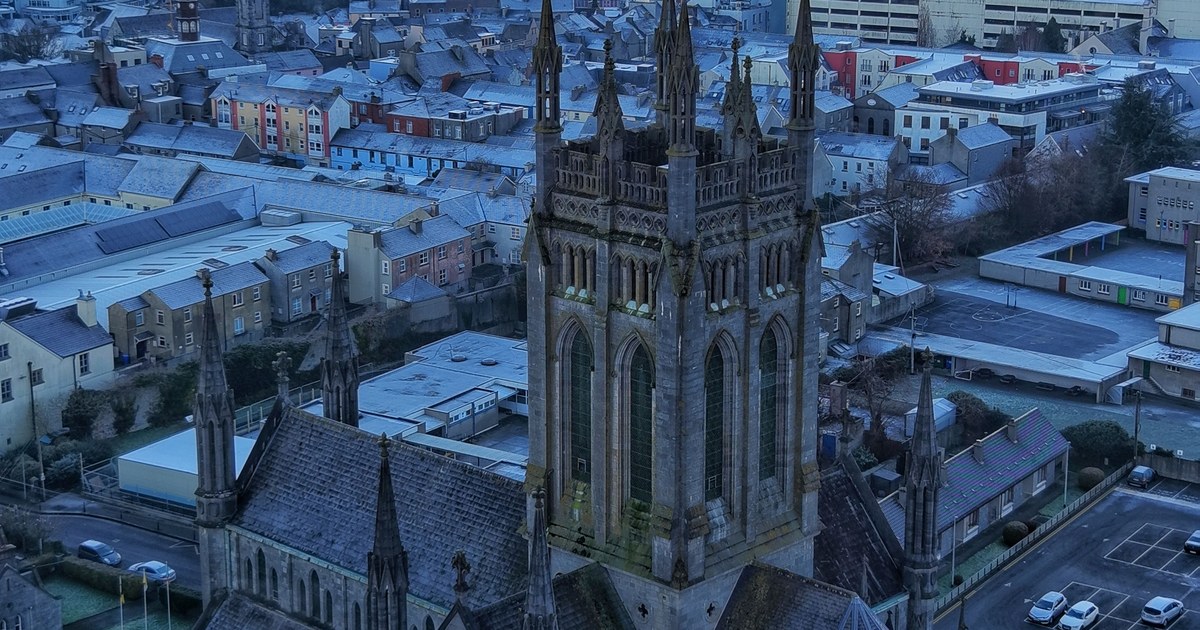
St Canice’s Cathedral stands at the north end of the Medieval Mile. Built between 1202 and 1285, it is the second longest medieval cathedral in Ireland after St Patrick’s in Dublin. The building has been repaired and altered many times — it was damaged during Cromwell’s siege of Kilkenny in 1650, when it was reportedly used to stable horses — but the core structure is original.
The round tower beside the cathedral is older than the Norman city. It dates to the 9th century and was built as part of an early Christian monastic settlement founded by St Canice, from whom the city takes its name. The tower is 30 metres tall, and visitors can climb the internal ladders to the top for a view across the rooftops and out over the surrounding countryside. Access to the tower is ticketed separately and requires a reasonable level of fitness.
Love Irish history and hidden gems? Join thousands of readers who get the best of Ireland every week — no fluff, just great stories. Subscribe free here.
☘️ Enjoying this? 64,000+ Ireland lovers get stories like this every week.
Thinking about it for retirement?
If you’ve started thinking seriously about retiring there, our complete our full Retire in Ireland guide covers the visa, healthcare, cost-of-living, and the regions worth shortlisting.
Subscribe free →
Smithwick’s Brewery and the City’s Pub Culture

Kilkenny is the home of Smithwick’s, the Irish red ale that has been brewed on the same site since 1710. The Smithwick’s Experience on Parliament Street runs a 45-minute tour through the history of the brand and the brewing process. Tickets include a tasting. The experience is on the grounds of the former St Francis Abbey, and parts of the medieval abbey walls are still visible within the complex.
Beyond the brewery, the city has a well-established pub culture. Kyteler’s Inn on St Kieran’s Street is one of the most famous, occupying a building that dates to 1324. It was originally the home of Dame Alice Kyteler, who was tried for witchcraft in 1324 — one of the earliest recorded witchcraft trials in Ireland. She fled before sentencing; her servant Petronella de Meath was burned in her place. The inn named after her is now a lively multi-room pub and restaurant.
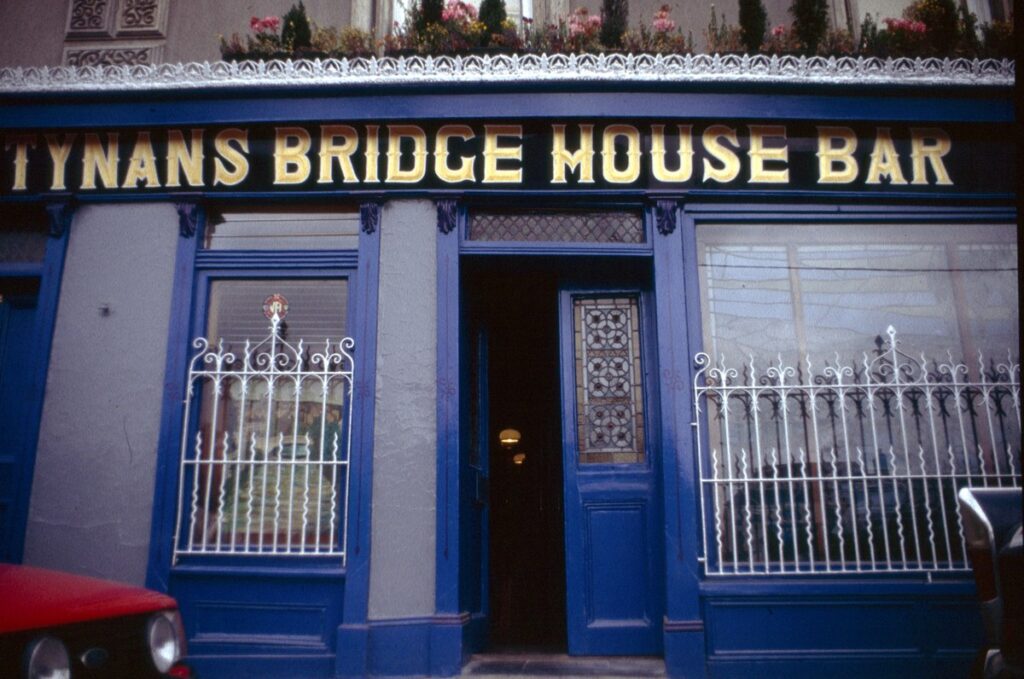
Tynan’s Bridge House Bar, on the east bank of the Nore, is another pub with genuine history — it has been in operation since 1703 and still has original Victorian fittings including a snuff dispensary. Plan your visit: Official site.
The Kilkenny Arts Festival and Events Calendar
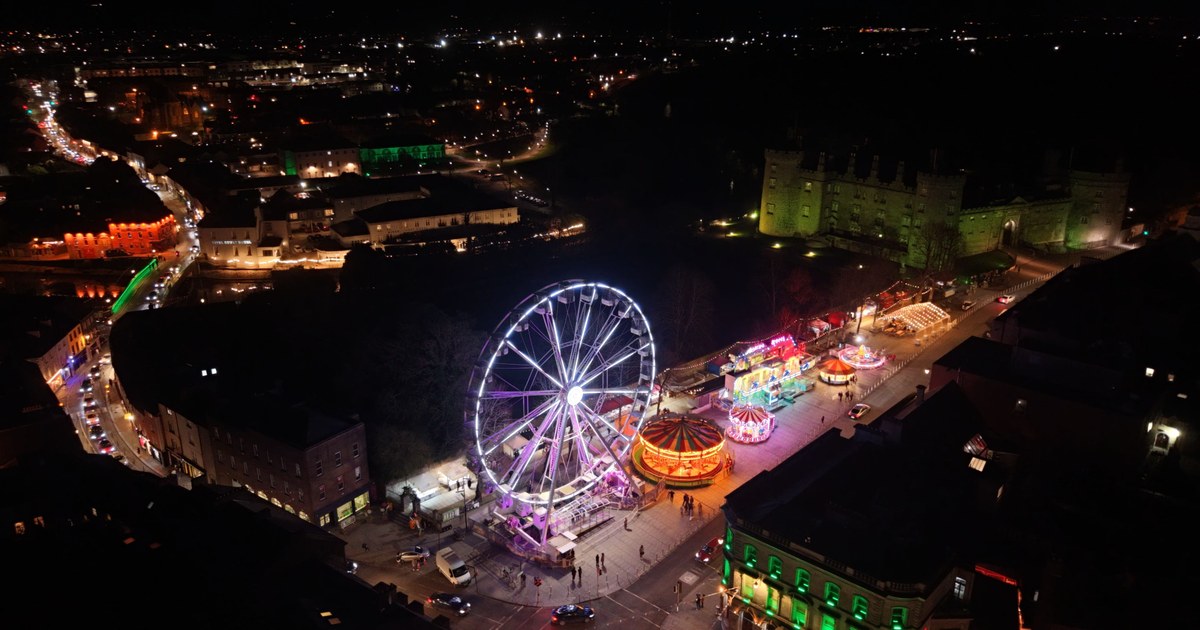
Kilkenny punches above its weight as a cultural city. The Kilkenny Arts Festival, held every August, is one of Ireland’s longest-running arts events and draws performers and audiences from across the country and abroad. It covers theatre, classical music, visual art, and literature, and much of it takes place in the historic buildings of the city itself — concerts in St Canice’s Cathedral, readings in the castle, exhibitions in the medieval streets.
The Cat Laughs Comedy Festival is held in June and has been running since 1995. It takes its name from a nickname for Kilkenny people — “the Cats” — which derives from a centuries-old tradition of Kilkenny’s sporting and civic pride. The festival draws well-known international comics alongside Irish acts.
On the sporting calendar, Kilkenny is one of Ireland’s great hurling counties — with 36 All-Ireland titles to its name, the Kilkenny Cats have a record unmatched in Gaelic games. If your visit coincides with a championship match at UPMC Nowlan Park, it is worth going — the atmosphere is extraordinary.
Getting to Kilkenny and Getting Around
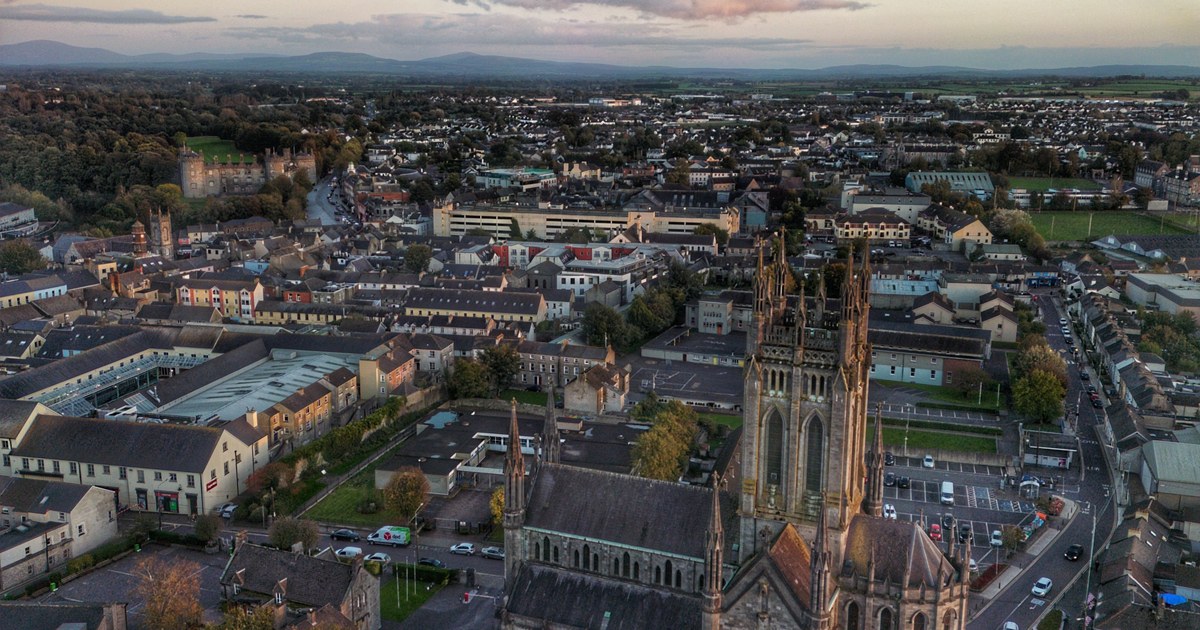
Kilkenny is 120 kilometres from Dublin and is well connected by rail. Irish Rail operates regular services from Dublin Heuston, with a journey time of around 80 minutes. The train station is a 10-minute walk from the city centre.
By road, Kilkenny is about 90 minutes from Dublin via the M9 motorway. There is parking near the castle and at several car parks in the city centre. The city itself is best explored on foot — the medieval core is not large, and the one-way traffic system makes driving within it more trouble than it is worth.
If you are planning to stay overnight, the city has a range of accommodation from budget hostels to larger hotels. Booking ahead is advisable during the Arts Festival in August and around St Patrick’s weekend in March, when the city tends to fill up.
Essential Tips for Visiting Kilkenny
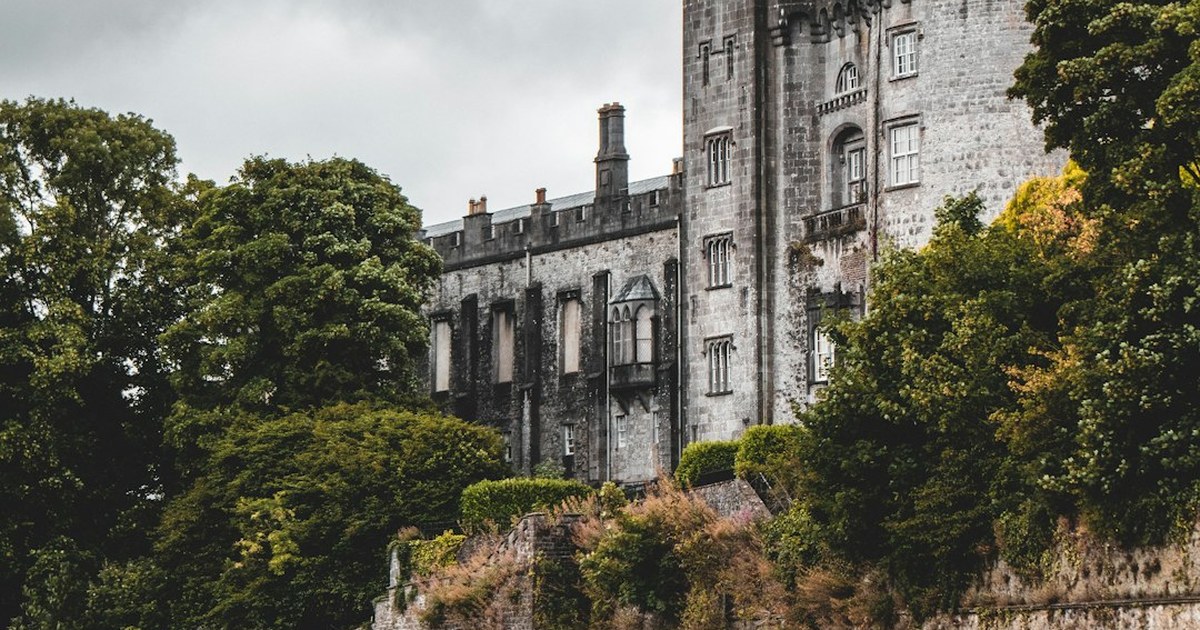
- Kilkenny Castle is open daily. Adult entry is €8. The grounds are free.
- St Canice’s Cathedral and Round Tower: entry to the tower is €6 for adults. Check the cathedral’s opening hours before visiting, as it closes for services.
- The Medieval Mile Museum: €10 for adults. Well worth it for the medieval effigies alone.
- Smithwick’s Experience: €14 for adults, includes tasting. Booking in advance is recommended.
- Most of the city centre is walkable within 20 minutes end-to-end.
- Kilkenny has a strong food and café scene around High Street and the lanes off it.
Love Irish history and hidden gems? Join thousands of readers who get the best of Ireland every week — no fluff, just great stories. Subscribe free here.
Kilkenny is one of those places that rewards a slow visit. One afternoon is enough to see the main sites, but a full day — or a night — gives you time to settle in and notice the details: the medieval carvings above doorways, the slips that cut between buildings, the way the castle looks in the late afternoon light. It is a city that has been here for a very long time, and it shows no signs of letting that go.
Frequently Asked Questions About Kilkenny
Is Kilkenny worth visiting?
Yes — Kilkenny is one of Ireland’s most rewarding cities. It is compact and walkable, with 800 years of visible history, excellent pubs, and one of the liveliest festival calendars in the country. One full day covers the main sites; two days lets you explore at leisure and visit nearby attractions like Jerpoint Abbey.
How long do you need in Kilkenny?
One full day covers Kilkenny Castle, the Medieval Mile, St Canice’s Cathedral and Round Tower, and a session at a trad pub. Allow two days if you want to visit the Smithwick’s Experience and a day trip to Jerpoint Abbey or Dunmore Caves.
Is Kilkenny near Dublin?
Yes. Kilkenny is 120 kilometres from Dublin — about 80 minutes by direct train from Heuston Station, or 90 minutes by car on the M9 motorway. It is one of the most accessible major heritage destinations from Dublin.
What is Kilkenny famous for?
Kilkenny is famous for Kilkenny Castle, its Medieval Mile of historic streets and churches, Smithwick’s red ale, the Kilkenny Arts Festival in August, and the Cat Laughs Comedy Festival in June. It is also known as a hurling stronghold — Kilkenny GAA is one of the most successful hurling counties in Ireland.
☘️ Join 64,000+ Ireland Lovers
Every weekday morning, get Ireland’s hidden gems, local secrets, and travel inspiration — the kind you won’t find in any guidebook.
Subscribe free — enter your email:
📲 Know someone who’d love this? Share on WhatsApp →
Free forever · Unsubscribe anytime
Tours & experiences you might love


Powered by Viator. Some links are affiliate links — we may earn a small commission at no extra cost to you.
Secure Your Dream Irish Experience Before It’s Gone!
Planning a trip to Ireland? Don’t let sold-out tours or packed attractions spoil your journey. Iconic experiences like visiting the Cliffs of Moher, exploring the Rock of Cashel, or enjoying a guided walk through Ireland’s ancient past often sell out quickly—especially during peak travel seasons.

Booking in advance guarantees your place and ensures you can fully immerse yourself in the rich culture and breathtaking scenery without stress or disappointment. You’ll also free up time to explore Ireland’s hidden gems and savour those authentic moments that make your trip truly special.
Make the most of your journey—start planning today and secure those must-do experiences before they’re gone!
Subscribe Free