

There is a moment that many people describe the same way. You are standing somewhere in Ireland — on a cliff path above the Atlantic, in a village square that feels like it has not changed in centuries, or in a pub where a stranger has just asked where you are from and genuinely wanted to know the answer — and you think: I could live here.
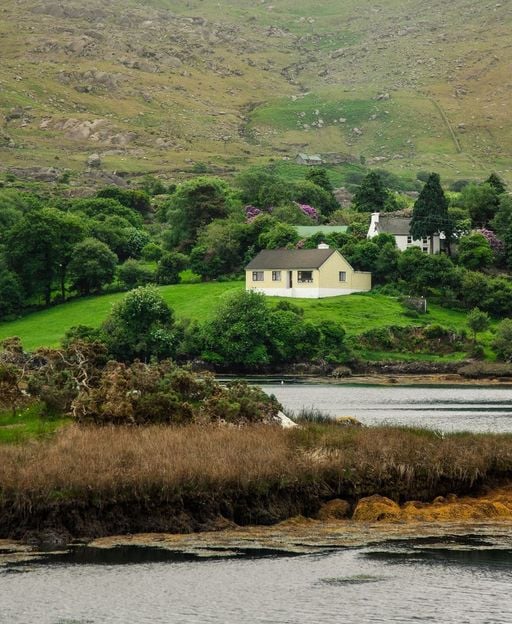
For some, it stays a thought. For others, it becomes a plan. If you are thinking seriously about making the move to Ireland, you are not alone. Thousands of people every year pack up their lives and start fresh on the Emerald Isle, drawn by the landscape, the culture, and a pace of life that feels, for many, like a return to something essential. This guide covers everything you need to know to move to Ireland — from understanding your legal options to choosing where to put down roots.
Why People Are Choosing to Move to Ireland
Ireland has a magnetic pull that goes beyond tourism. For diaspora communities around the world — particularly in the United States, Australia, and the UK — the island carries a deep ancestral connection. Many who move to Ireland describe it less as emigrating and more as coming home, even if they were born thousands of miles away.
Beyond heritage, Ireland offers a quality of life that is genuinely hard to find elsewhere. The country has a thriving economy, a rich cultural scene, exceptional natural scenery, and a warmth in everyday social life that visitors consistently remark upon. The Irish language is alive in pockets of the west, traditional music spills out of pub doors on an ordinary Tuesday night, and the landscape shifts from mountain to bog to coastline within a single afternoon’s drive.
It is not a life without challenges — the weather is famously persistent, and housing costs in Dublin have risen sharply in recent years. But for those who have weighed it carefully, Ireland more than earns its place as one of the most desirable countries in the world to call home.
How to Move to Ireland: Understanding Your Legal Options
Before anything else, you need to understand your legal pathway into the country. Your route will depend entirely on where you are coming from.
EU and EEA Citizens
If you hold a passport from a European Union or European Economic Area country, you have the right to live and work in Ireland without a visa. You can simply move, register your address, and apply for a Personal Public Service (PPS) number, which is Ireland’s equivalent of a National Insurance number and is required for employment, taxation, and accessing public services.
Non-EU Citizens
For citizens from outside the EU and EEA — including Americans, Australians, Canadians, and British nationals post-Brexit — the process requires considerably more planning. The main routes include:
Watch: Do You Qualify for an Irish Passport?
If one of your grandparents was born in Ireland, you may be able to become an Irish citizen. This 14-minute guide explains who qualifies, what it costs and how long it takes. Thinking of making the move? Get the free Moving to Ireland checklist.
- Critical Skills Employment Permit — for those with a job offer in a high-demand sector
- General Employment Permit — for a broader range of roles
- Long-stay visa (Stamp 0/4) — for retirees or those of independent means with sufficient funds
- Student Visa — if you plan to study in Ireland, which can open a path to residency over time
British citizens have a unique status under the Common Travel Area agreement, which predates the EU entirely. British nationals retain the right to live, work, and access services in Ireland without a visa, even after Brexit — an arrangement that has made the move to Ireland particularly attractive for many people in the UK.
The Irish Ancestry Route
If you have an Irish grandparent, you may be entitled to Irish citizenship through Foreign Births Registration. This is one of the most significant and underused pathways available, and it is worth exploring before taking any other route. Irish citizenship opens the door not only to living in Ireland but to full EU freedom of movement across all member states.
If you think you might have Irish roots worth tracing, our complete guide to Irish ancestry research is an excellent place to begin.
Choosing Where to Live in Ireland
One of the most enjoyable parts of planning a move to Ireland is deciding where to settle. The country is small — you can drive from Dublin to Galway in under two and a half hours — but it offers a remarkable variety of environments, communities, and landscapes.
City Life: Dublin, Cork and Galway
Dublin is the country’s economic and cultural hub, with a strong job market, excellent transport links, and every amenity you might expect of a major European capital. It is vibrant, international, and endlessly entertaining — though property prices and rents reflect its status.
Cork is Ireland’s second city, known for its exceptional food scene, fiercely independent spirit, and arguably the most characterful city centre in the country. Galway is smaller still, but beloved for its bohemian energy, traditional music culture, and position at the gateway to Connemara and the wild Atlantic west.
Smaller Towns and Rural Living
One of the things that has drawn many people to Ireland in recent years — particularly those arriving with remote working arrangements — is the affordability and genuine charm of smaller towns and rural areas. Places like Westport in County Mayo, Kenmare in County Kerry, Birr in County Offaly, or Kilkenny city offer real community warmth, beautiful surroundings, and a cost of living that is considerably lower than the capital.
Broadband infrastructure has improved dramatically across rural Ireland, making it entirely viable to work remotely from a cottage within earshot of the Atlantic — a prospect that has converted many a visitor into a permanent resident. If you are still getting your bearings on which part of Ireland might suit you, the Love Ireland planning guide is a good place to start exploring the regions.
The Practicalities: What to Sort When You Arrive
Moving to a new country always comes with a to-do list. In Ireland, the key early tasks are well worth understanding before you land.
Your PPS Number
Your Personal Public Service number is the first bureaucratic priority. Without it, you cannot work legally, access healthcare, or open a bank account. Apply at your local Intreo Centre or Social Welfare office — bring proof of identity and proof of address. The process is usually straightforward and relatively quick.
Banking
Opening a bank account as a new arrival in Ireland can be surprisingly tricky, as most traditional banks require proof of an Irish address — which you may not yet have. Credit unions are often more welcoming to new residents, and digital banks can bridge the gap while you are getting established. Once you have a fixed address and PPS number, the process becomes considerably easier.
Healthcare
Ireland operates a mixed public and private healthcare system. EU citizens and those who have paid Irish taxes can access the public system through the HSE (Health Service Executive). Private health insurance is widely used in Ireland and provides access to faster treatment and a wider range of specialists — it is worth factoring into your budget from the outset.
Settling In: The Softer Side of the Move
The practical side of moving to Ireland is manageable. The deeper work — building community, finding your people, rooting yourself in a place — takes a little longer, but Ireland makes it easier than most countries.
GAA clubs, tidy towns committees, choirs, traditional music sessions, community gardens, drama groups, and literary societies exist in almost every town and village, and they are generally delighted when new faces show up. Showing up consistently is, more often than not, all it takes.
If you are drawn to Ireland by a love of its history and heritage — and many who make the move are — you may find that the landscape itself becomes a source of connection. Walking the same roads as your ancestors, standing in the shadow of a medieval tower, or simply watching the light change over Connemara on a winter afternoon: these things have a way of making Ireland feel less like a country you moved to and more like somewhere you were always meant to be.
Is Moving to Ireland Right for You?
It would be dishonest to pretend that moving to Ireland is without its difficulties. Housing in the cities is competitive and expensive. The winters are long, grey, and resolutely wet. Public transport outside the main urban centres can be limited. These are real considerations and worth weighing honestly.
But for those who have made the leap — the American who traded a Chicago suburb for a cottage in Clare, the Australian with a Kerry grandmother who finally came to find her roots, the Londoner who fell in love with the west coast on a holiday and simply never quite left — Ireland has a way of rewarding the leap of faith.
If you love this island — its stories, its people, its improbable, rain-soaked beauty — there may be no better place in the world to begin again.
☘️ Join 64,000+ Ireland Lovers
Every Friday, get Ireland’s hidden gems, local secrets, and travel inspiration — the kind you won’t find in any guidebook.
Free forever · One email per week · Unsubscribe anytime
Tours & experiences you might love


Powered by Viator. Some links are affiliate links — we may earn a small commission at no extra cost to you.
Secure Your Dream Irish Experience Before It’s Gone!
Planning a trip to Ireland? Don’t let sold-out tours or packed attractions spoil your journey. Iconic experiences like visiting the Cliffs of Moher, exploring the Rock of Cashel, or enjoying a guided walk through Ireland’s ancient past often sell out quickly—especially during peak travel seasons.

Booking in advance guarantees your place and ensures you can fully immerse yourself in the rich culture and breathtaking scenery without stress or disappointment. You’ll also free up time to explore Ireland’s hidden gems and savour those authentic moments that make your trip truly special.
Make the most of your journey—start planning today and secure those must-do experiences before they’re gone!