

There is something that happens when you spend time in Ireland — a quiet shift in how the world feels. The edges soften. Strangers become neighbours within minutes. A conversation started at a bar stool somehow continues three hours later over tea in someone’s kitchen. You arrived knowing no one. You leave wondering how you ever managed without them. That is the Irish community spirit at work.
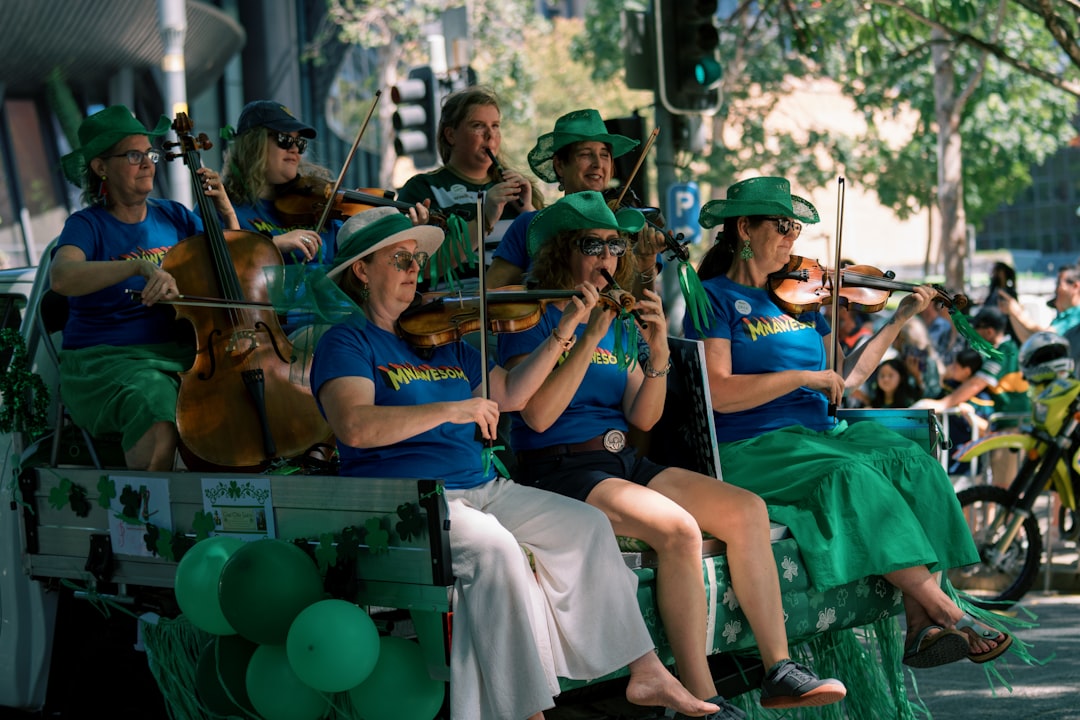
Ireland has a way of making the world feel smaller and kinder. It is not a coincidence, and it is not the postcards talking. It is something structural — something rooted in centuries of how Irish people have chosen to relate to each other and to everyone who arrives on their shores. It is not a tourist attraction; it is simply how life here works.
The Irish Community Spirit That Connects Strangers
The Irish concept of community is not passive. It is active, participatory, and extraordinarily inclusive. In rural Ireland especially, community is something you do, not something you have.
The local pub is the most obvious expression of this — not as a place to drink, but as a place to exist together. In towns like Westport and Dingle, Kenmare and Ballyvaughan, the pub functions as a living room for the entire village (our guide to the Irish trad session explains how to join in). Local musicians set up in the corner without fanfare. Conversations flow between tables without invitation. Someone your grandmother’s age will ask where you are from, and by the end of the evening, you will know the names of her grandchildren.
This is not performed for tourists. It is simply how things work.
Why the Irish Pub Is the World’s Greatest Leveller
The pub has no hierarchy. A farmer sits beside a poet. A visiting academic argues cheerfully with a fisherman. The best story wins the room, regardless of who tells it. This radical democracy of conversation is one of the reasons visitors often describe Irish pubs as unlike anywhere else in the world — because in most places, we sort ourselves by education or income or status without even noticing. In Ireland, that sorting dissolves.
The result is that Ireland creates a particular kind of connection: one based on who you are in the room, right now, rather than who you are on paper.
How Ireland Shrinks the World for the Diaspora
Roughly 70 million people across the world claim Irish heritage, according to the Irish government, and some estimates run even higher. That is a diaspora around ten times the population of the island of Ireland itself. And what is remarkable is that the emotional thread connecting them to the island has not frayed with distance or generations.
Ask any Irish-American or Irish-Australian what happens when they visit Ireland for the first time (many come on a roots-tracing trip), and the most common answer involves not just beauty or history, but recognition. A sense of arriving at something that was always there inside them, waiting to be acknowledged.
The Feeling of Being Known Before You Are Met
There is a phrase that captures it well: the Irish say “you’re very welcome” and mean it as a statement of fact, not just politeness. You are welcome. Unconditionally. Before you have proven anything or explained yourself. The hospitality arrives before you do.
For members of the diaspora especially, this lands differently. Many carry a quiet sense of between-ness — not quite fully of the country they live in, not quite fully of the country their grandparents left. Ireland has a way of answering that particular loneliness without anyone saying a word about it.
The Small Kindnesses That Add Up to Something Enormous
Ireland’s capacity for kindness does not announce itself. It arrives in small moments that accumulate into something larger.
The driver on a quiet Connemara road who slows to wave at a passing car — a reflex so universal in rural Ireland that visitors take a few days to realise it is for them too. The shopkeeper in Sligo who takes ten minutes to explain how to find a particular beach, then phones their cousin to check the tide times. The woman at the farmers’ market in Cork who presses an extra soda bread into your bag because “you’re a long way from home.”
These are not grand gestures. They are the texture of daily life. And when you experience them as a visitor, they do something unexpected: they make you feel human in a world that often forgets to.
Why This Matters More Now Than Ever
In an era of fractured attention and curated distance, where entire friendships exist only on screens and conversations are increasingly optimised rather than simply had, Ireland represents something almost counter-cultural: the persistent belief that the person in front of you is worth your full attention.
This is not nostalgia. It is practice. And it is contagious.
Many people who spend extended time in Ireland — as visitors or as new residents — describe returning home changed in ways they struggle to articulate. They are more likely to speak to strangers. More likely to ask questions and wait for the actual answer. More likely to let a conversation take them somewhere unexpected. Ireland does not just make the world feel smaller. It makes you better at being in it.
Where to Find the Heart of Irish Community Life
You do not need to seek this out — it will find you. But there are places where the Irish community spirit runs particularly deep.
- Wild Atlantic Way villages — Doolin, Clifden, Ardara — are small enough that community is visible. You can watch the village function as a whole: music sessions that have been running for thirty years, the same faces that run the festivals, the way the local céilí brings three generations onto the same floor.
- County Clare’s traditional music pubs — Ennis and Kilrush have some of the most authentic session music in Ireland, where visitors are welcomed into the circle rather than relegated to an audience.
- The Aran Islands — Inis Mór, Inis Meáin, and Inis Oírr offer a concentrated version of Irish community life that feels both ancient and entirely alive. The Irish language is a living presence here, not a museum exhibit. The pace is human.
- Festival Ireland — from the Galway International Arts Festival to the smaller community festivals that light up every county in summer, Irish festivals are collaborative acts. People do not just attend; they participate. If you find yourself at one unexpectedly, here is how to make the most of it.
Planning Your Time in Ireland
If you are planning a visit and want to feel this quality of Irish life rather than simply observe it, a few things help. Slow down — Ireland rewards the unhurried traveller. Give yourself time to sit somewhere and let the place come to you. Talk to people; the Irish are not shy and they do not expect you to be. A genuine question, asked with genuine curiosity, will be rewarded with generosity almost every time.
For detailed guidance on how to plan your trip and find the experiences that match what you are looking for, our Ireland trip planning guide covers everything from where to stay to how long to spend in each region. And for the cultural roots of what makes Ireland so distinctively welcoming, the full story of Irish hospitality offers the deeper context behind the warmth you will encounter.
A Final Thought on Ireland and the World
There is an Irish phrase — ar scáth a chéile a mhaireann na daoine — which translates roughly as: “people live in each other’s shelter.” It captures something essential about how Irish community has always worked: not the heroic individual, but the network of mutual care and attention that makes survival not just possible but beautiful.
Ireland has a way of making the world feel smaller and kinder because it has been practising for a very long time. The Irish community spirit is not a relic of a simpler era; it is a living, daily choice — one that visitors carry home with them long after the flight lands. The door has always been open. You are very welcome indeed.
Tours & experiences you might love


Powered by Viator. Some links are affiliate links — we may earn a small commission at no extra cost to you.
Secure Your Dream Irish Experience Before It’s Gone!
Planning a trip to Ireland? Don’t let sold-out tours or packed attractions spoil your journey. Iconic experiences like visiting the Cliffs of Moher, exploring the Rock of Cashel, or enjoying a guided walk through Ireland’s ancient past often sell out quickly—especially during peak travel seasons.

Booking in advance guarantees your place and ensures you can fully immerse yourself in the rich culture and breathtaking scenery without stress or disappointment. You’ll also free up time to explore Ireland’s hidden gems and savour those authentic moments that make your trip truly special.
Make the most of your journey—start planning today and secure those must-do experiences before they’re gone!