

You spend weeks getting the house ready. You move the good chairs out of the sitting room, set the table with the plates that only come out for Christmas and big occasions, and make sure there is somewhere for coats. And then, within twenty minutes of people arriving, the whole crowd is in the kitchen.
It happens at every gathering in Ireland. Whether it is a birthday, a christening, a big Sunday dinner, or just too many people dropping by at once, the kitchen is where everyone ends up. The sitting room stays empty. The dining table goes unused. The kitchen — small, warm, and slightly chaotic — becomes the centre of the house.
This is not a complaint. It is just a fact of Irish family life, and if you have ever hosted or been a guest in an Irish home, you already know exactly what this looks like.
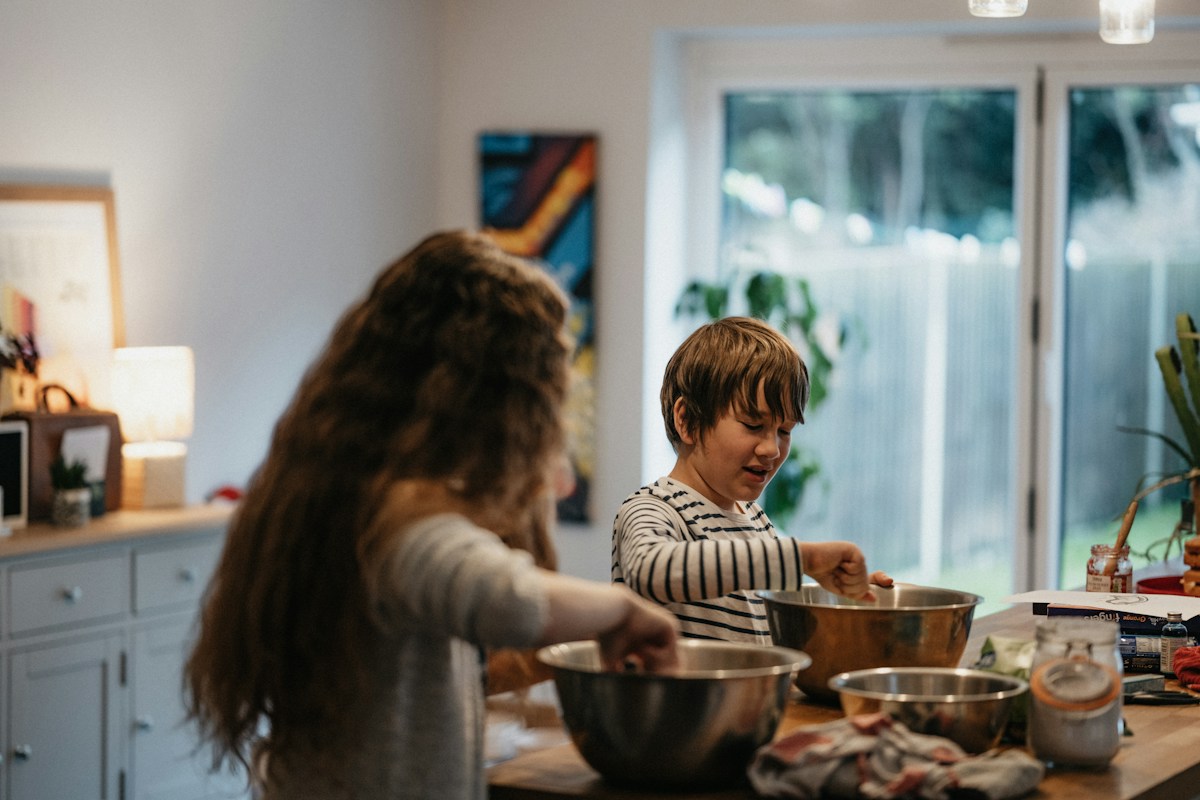
Why the Kitchen Pulls People In
The kitchen is where the action is. It is where the kettle is. It is where the food is being made. It is warm, it smells good, and it is the one room in the house where something is always happening.
When people arrive at a gathering, they often head straight for the person doing the most work — the one making tea, stirring the pot, or sorting plates. That person is almost always in the kitchen. So the kitchen becomes the first gathering point, and once enough people are there, it just stays that way.
There is also a practical element. People want tea. They want to see what is cooking. They want to be helpful, or at least to look like they are being helpful by hovering near the cooker. The kitchen draws people in because it is useful, and because it is where the host is.
The Room That Was Ready
The sitting room often looks its best just before guests arrive. Cushions plumped. Surfaces cleared. A candle lit, maybe. It is the most prepared room in the house, and it is the one that gets the least use.
This is partly because the sitting room can feel formal. It is not a room where you stand up, move around, and do things. It is a room where you sit, which — at a family gathering where people are catching up, checking on the kids, and keeping one eye on whatever is in the oven — is not always what people want to do.
The kitchen does not have this problem. You can lean on the counter. You can get up to fill the kettle. You can stir something. There is always a reason to move, always something to do, and that makes conversation easier. Nobody feels trapped in a chair they cannot leave without making it obvious.
Love reading about Irish life and culture? Subscribe to our newsletter for stories, travel tips, and a slice of Ireland in your inbox every week.
The Kitchen as the Heart of the Home
In Irish homes, the kitchen has always been more than just a place to cook. Historically, the kitchen was the room with the fire. It was warm when the rest of the house was not, and warmth draws people in.
In older rural homes, the hearth was the centre of everything — cooking, heating, light, and conversation all happened in the same room. While modern Irish homes have central heating and open-plan living areas, the pull of the kitchen has never really gone away. The habit is deep-rooted across generations.
This is something you notice if you travel around Ireland and spend time in family homes rather than hotels or holiday lets. The kitchen matters. It is where the serious conversations happen. It is where children come to show you something. It is where people settle in for the long sit after dinner, when the plates have been shifted and the second pot of tea is going on.
Many Irish families have a particular chair near the kitchen table that belongs, unspoken and unofficially, to one person. Nobody ever says anything about it. Everyone knows. And if a visitor sits in that chair, there is a brief, polite moment before someone finds a reason to redirect them.
What Actually Happens in the Kitchen
At any Irish family gathering, the kitchen tends to go through a few stages.
First, there is the arrival phase. People come in, head to the kitchen, say hello to whoever is cooking, and accept a cup of tea. The kitchen is busy and slightly cramped, but nobody minds because the tea is hot and the smell of whatever is in the oven is already doing its job.
Then there is the cooking phase. Whoever is in charge of the food needs space, which means people get periodically moved along — out into the hall, sometimes as far as the sitting room. This is the moment when the sitting room gets briefly occupied.
Then the food comes out, and everyone drifts back.
After dinner, when the washing up is being done, the kitchen fills again. People dry plates. People lean against the worktops. Someone puts the kettle on again. Children appear looking for biscuits. The conversation from dinner carries on, and nobody goes anywhere for at least another hour.
The whole cycle repeats itself at every gathering, in every county, in every kind of Irish home. The details might vary — it might be a farmhouse in Kerry or a semi-detached in Dublin — but the pattern is the same.
The Unspoken Rules of the Irish Kitchen Gathering
There are a few things that happen reliably at every Irish kitchen gathering.
The counter nearest the kettle becomes prime real estate. Whoever stands there controls the tea, and controlling the tea means staying in the middle of everything. The person making tea is also the person who hears everything first.
People apologise for the state of the kitchen even when the kitchen is perfectly fine. “I haven’t had a chance to tidy” is said while standing in a spotless kitchen, because the host is always convinced that everyone else has a better kitchen and more organised worktops.
Someone will comment on the smell of the food. This is always meant as a compliment. It is usually received as one, though the host will immediately start listing everything that could go wrong with the dish.
And at some point, the host will attempt to move people through to the sitting room. “There’s more room in there,” they will say, gesturing towards the empty, comfortable sitting room with the good chairs and the plumped cushions. Nobody will move. Or if they do, they will be back within ten minutes, drawn by the smell of tea and the sound of whoever stayed behind still talking.
Curious about Irish traditions and what makes Irish home life so distinct? Sign up to our free newsletter here — we share stories, places, and a bit of craic every week.
Why It Doesn’t Really Matter
The kitchen takeover at Irish gatherings is not a problem to be solved. It is just what happens, and most people prefer it that way.
The best gatherings are not the ones with the most preparation or the most perfect arrangement. They are the ones where people feel comfortable enough to stand around the worktop talking for two hours, where the tea keeps going, where someone always knows where the biscuits are, and where nobody feels like they have to be on their best behaviour.
If the kitchen is where people want to be, then the kitchen is where the gathering is. The sitting room will still be there after everyone goes home, ready for next time, cushions still plumped, exactly as it was when the first guest arrived.
That is Irish hospitality in a nutshell. The table is set, the sitting room is ready, and everyone is in the kitchen. It is not a failure of planning. It is the whole point.
If this sounds exactly like your family, you will fit right in with our community of Ireland lovers. Subscribe to our newsletter for more stories about Irish life, traditions, and places worth visiting.
Tours & experiences you might love


Powered by Viator. Some links are affiliate links — we may earn a small commission at no extra cost to you.
Secure Your Dream Irish Experience Before It’s Gone!
Planning a trip to Ireland? Don’t let sold-out tours or packed attractions spoil your journey. Iconic experiences like visiting the Cliffs of Moher, exploring the Rock of Cashel, or enjoying a guided walk through Ireland’s ancient past often sell out quickly—especially during peak travel seasons.

Booking in advance guarantees your place and ensures you can fully immerse yourself in the rich culture and breathtaking scenery without stress or disappointment. You’ll also free up time to explore Ireland’s hidden gems and savour those authentic moments that make your trip truly special.
Make the most of your journey—start planning today and secure those must-do experiences before they’re gone!