

Tea brack is the fruit loaf that needs no yeast. The dried fruit soaks in cold tea overnight, and by morning it is plump and soft. Mix in flour and an egg, bake it, and you get a moist loaf with a close crumb. It is also one of the easiest traditional bakes in Ireland. If you can make a pot of tea, you can make this.
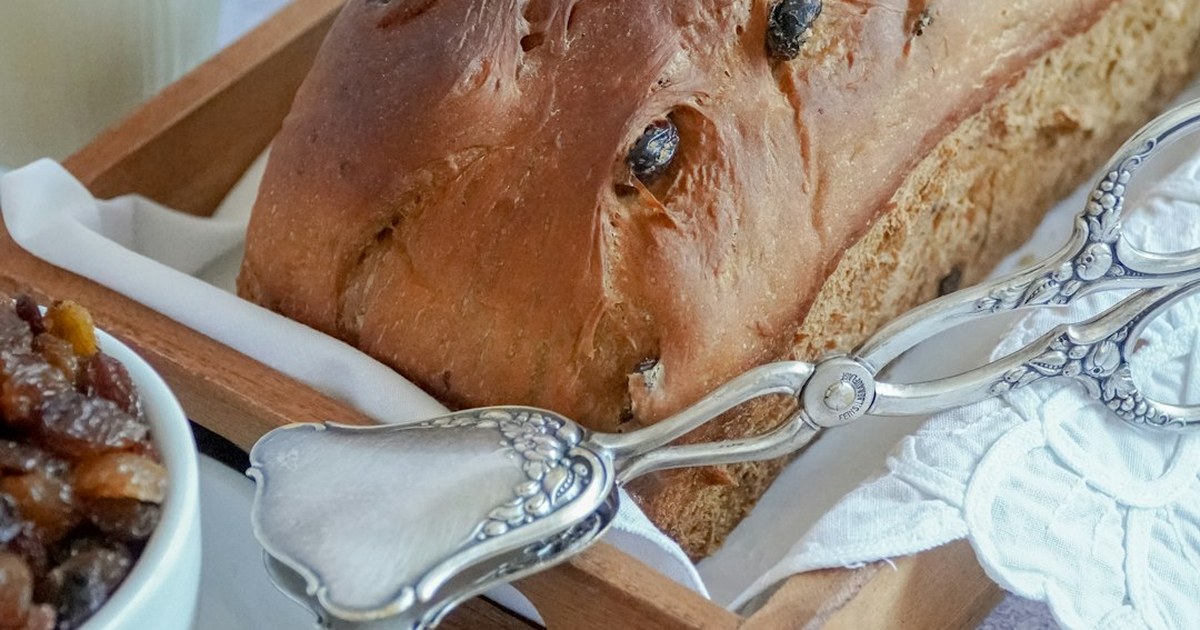
This guide is about how to enjoy it: what it is, how it differs from other bracks, how to cut and serve it, and what to eat or drink alongside it. If you want the full recipe with quantities, our tea brack recipe has it step by step.
What Is Tea Brack?
The word “brack” comes from the Irish breac, meaning speckled. The speckles are the dried fruit scattered through the crumb. A brack is a sweet, fruity loaf, and in Ireland it sits somewhere between bread and cake.
Tea brack gets its name from the method. Raisins, sultanas and often currants go into a bowl and are covered with tea. They sit for several hours, usually overnight. The fruit drinks up the liquid and swells. Next day the fruit and any leftover tea are stirred into a simple batter of flour, sugar and egg.
The result is a dense, damp loaf that keeps well. Because the fruit is already soft, it does not turn hard or dry in the oven. That is the main reason cooks have relied on this method for generations.
Tea Brack vs Barmbrack
☘️ Join 64,000+ Ireland Lovers
Every weekday morning, get Ireland’s hidden gems, local secrets, and travel inspiration — the kind you won’t find in any guidebook.
Subscribe free — enter your email:
Already subscribed? Download your free Ireland guide (PDF)
📲 Know someone who’d love this? Share on WhatsApp →
Free forever · Unsubscribe anytime
People often use the two names as if they mean the same thing. They are related, but they are not identical.
- Barmbrack is traditionally made with yeast. “Barm” is an old word for the froth on fermenting ale, used to raise dough. A barmbrack is closer to a sweet bread and needs time to rise.
- Tea brack uses no yeast. It is raised with self-raising flour or baking powder, so there is no kneading and no waiting for dough to prove.
- Both are studded with dried fruit and often lightly spiced, and both are usually served sliced and buttered.
In shops and cafés the labels get mixed up, so a loaf sold as “barmbrack” may be a tea brack. If you care which one you are getting, ask. At home, tea brack is the quicker choice for most bakers.
Why Soak the Fruit in Tea?
Soaking does three useful things.
- It softens the fruit. Dry fruit pulled straight from the bag can be chewy and can draw moisture out of the batter. Soaked fruit does the opposite and gives moisture back.
- It adds flavour. Tea brings a gentle tannin note that stops the loaf tasting only of sugar. Strong black tea works best.
- It saves effort. The overnight soak does the work, so there is almost nothing to do on baking day.
Some cooks add a splash of Irish whiskey to the tea. That is a matter of taste. Plain tea is the classic choice and suits a loaf the whole family will eat.
How to Cut and Serve Tea Brack
Let the loaf cool fully before you slice it. Warm brack crumbles. Once it is cold, use a serrated knife and cut slices about 1.5 to 2 cm thick. A thick slice holds together and carries butter well.
Spread the butter right to the edges. Salted Irish butter is the usual choice, and the slight saltiness sets off the sweet fruit. Use plenty. A thin scrape of butter is not the tradition here.
Brack also toasts well. Toast a slice lightly under the grill and the edges turn crisp while the middle stays soft. Butter it while it is hot so it melts in.
What to Pair With Tea Brack
This is the question people ask most. Here are the pairings that work, from the traditional to the less common.
A strong pot of tea
The obvious partner is still the best. A strong black tea with a little milk cuts through the sweetness of the fruit. Brew it properly in a pot and let it stand for a few minutes.
Mature cheddar
A slice of sharp, mature Irish cheddar on buttered brack sounds odd until you try it. Sweet fruit and salty, tangy cheese is the same idea as fruit cake with cheese, which is a long-standing habit in parts of Britain and Ireland. Skip the butter if the cheese is rich.
Jam or marmalade
Some people add a thin layer of marmalade on top of the butter. The bitter orange lifts the flavour. Raspberry or blackcurrant jam works too, though it makes the slice very sweet.
Cream or custard
Served warm, a slice of brack makes a simple pudding. A spoonful of softly whipped cream or a little warm custard turns it into a dessert without any extra baking.
Hot milk or coffee
If you do not drink tea, coffee is a fair match. The roasted bitterness balances the fruit. A mug of hot milk suits children.
A small glass of whiskey
For an adult treat after dinner, a measure of Irish whiskey alongside a slice of brack is a pairing many Irish households would recognise, especially at Christmas.
Brack at Halloween
Brack is closely linked to Halloween, known in Ireland as Samhain. Traditionally, a barmbrack was baked for the night with small objects hidden inside. Each object was said to predict the year ahead for whoever found it. A ring meant a coming marriage, and a coin meant money. Other items, such as a piece of cloth or a pea, carried less happy meanings.
Today, shop-bought barmbrack at Halloween often comes with a ring baked in. If you try this at home, wrap the charm in baking paper first and warn your guests. Never hide anything that could be a choking risk for small children.
Want more on the season? Read our guide to where to experience Samhain in Ireland this autumn.
How to Store Tea Brack
Tea brack improves with a day or two of rest. Wrap it in baking paper, then foil, and keep it in a tin or an airtight box. It will stay good for around five days at room temperature.
For longer storage, slice the loaf and freeze the slices with paper between them. Take out what you need and thaw it for an hour, or toast it straight from frozen. This is handy if you bake one loaf and want a slice with your tea over several weeks.
Get more Irish baking and food ideas. Join our free newsletter.
Tips for a Better Loaf
- Drain the fruit lightly. Keep a little of the tea in the mix, but do not add so much that the batter turns runny.
- Use strong tea. Weak tea gives little flavour. Brew it as you would for a mug you actually want to drink.
- Do not overmix. Stir until just combined. Beating the batter makes the crumb tough.
- Line the tin. The sugary fruit sticks easily, so use baking paper.
- Test with a skewer. It should come out clean. Cover the top with foil if it browns too fast.
Where to Try Tea Brack in Ireland
Many bakeries, farm shops and country cafés sell brack by the slice, especially in autumn. Look for it in the cake display next to the scones, or ask whether there is homemade brack on the menu. Tea rooms in hotels often serve it with afternoon tea. Prices vary, so check the menu before you order.
If you are visiting and want to take some home, a loaf wrapped in paper travels well in a bag. It will last long enough to share on the flight home.
Frequently Asked Questions
Does tea brack need yeast?
No. Tea brack is raised with self-raising flour or baking powder. Yeast is used in traditional barmbrack.
Can I make it without egg?
Egg helps bind the loaf. Many cooks use a plant-based substitute, but the texture may be slightly crumblier.
Which tea is best?
A strong black tea, such as an Irish breakfast blend, gives the most flavour. Herbal teas make a milder loaf.
Is brack a cake or a bread?
It sits in between. Tea brack is closer to a cake in texture, but it is sliced and buttered like bread.
Never miss a story from Ireland. Subscribe to our free newsletter today.
So, what will you pair yours with? A hot pot of tea and a thick slice of buttered brack is hard to beat, but a piece of sharp cheddar might just win you over.
Tours & experiences you might love


Powered by Viator. Some links are affiliate links — we may earn a small commission at no extra cost to you.
Secure Your Dream Irish Experience Before It’s Gone!
Planning a trip to Ireland? Don’t let sold-out tours or packed attractions spoil your journey. Iconic experiences like visiting the Cliffs of Moher, exploring the Rock of Cashel, or enjoying a guided walk through Ireland’s ancient past often sell out quickly—especially during peak travel seasons.

Booking in advance guarantees your place and ensures you can fully immerse yourself in the rich culture and breathtaking scenery without stress or disappointment. You’ll also free up time to explore Ireland’s hidden gems and savour those authentic moments that make your trip truly special.
Make the most of your journey—start planning today and secure those must-do experiences before they’re gone!