

Spend a few days in Ireland and you will hear it. Someone says a short, odd phrase, everyone nods, and you are left wondering what just happened. The same thing happens in reverse when an Irish person travels abroad. A simple “I will, yeah” or “that’s grand” can cause real confusion.
This guide explains the Irish phrases that make people stop and ask, “Sorry, what does that mean?” You will learn what each one means, how it is used, and when to use it yourself. Whether you are planning a trip or you are Irish and living overseas, this is a practical cheat sheet.
Love Ireland? Join our free newsletter for more Irish culture, travel tips and stories.
Why Irish English Sounds Different
Irish English is not just English with an accent. It was shaped by the Irish language (Gaeilge), which was the main spoken language across most of the island until the 19th century. Many Irish phrases follow Irish grammar, even though the words are English.
That is why we say “I’m after eating” to mean “I have just eaten”. It is a direct copy of an Irish sentence pattern. Once you know this, many odd phrases start to make sense. For more everyday vocabulary, see our guide to Irish slang every visitor should know.
The Phrases That Cause the Most Questions
“What’s the craic?”
This is probably the most famous one. “Craic” is pronounced “crack”. It means fun, news or good company. “What’s the craic?” simply means “How are you?” or “What’s new?”. A good night out is “great craic”. Note the spelling: “craic” is the Irish-looking spelling that became common in the 20th century.
Typical reply: “Not much, yourself?”
“Grand”
To most visitors, “grand” means big and impressive. In Ireland it usually means “fine” or “okay”. “How are you?” “Grand.” “Is the room all right?” “It’s grand.” It is a polite, low-key word. It can also be used to end a conversation: “Grand, so. Talk soon.”
“I will, yeah”
Be careful with this one. Said with a certain tone, it can mean “I definitely will not”. If someone tells you to take up marathon running and you reply “I will, yeah”, you have just said no without being rude. Listen to the tone and the pause.
“Giving out”
This means complaining or telling someone off. “My mother was giving out to me about the mess.” It has nothing to do with handing things out, which confuses many visitors.
“Ah, go on”
This is often heard when you are offered a cup of tea, a biscuit or a second drink. You say no first, the host insists, and then you say “Ah, go on, then.” It is a polite dance. Refusing once is good manners, and accepting the second time is expected.
“Yer man” and “your one”
Irish people often use “yer man” (that man) or “your one” (that woman) when they do not know a name or do not need it. “Yer man at the shop told me the bus was late.” It does not mean the person belongs to you.
“Eejit” and “gas”
An “eejit” is a fool, usually said with affection. “Don’t be an eejit” is a friendly warning. “Gas” means funny: “He’s gas, that fella.” Neither is meant as a serious insult.
“Banjaxed”
If something is broken, ruined or very tired, it is banjaxed. “The washing machine is banjaxed.” “I’m banjaxed after that hike.” It is a fun word that visitors often pick up quickly.
“The jacks” and “the press”
“The jacks” is slang for the toilet. “The press” is a cupboard. If a host says “the cups are in the press”, you are not looking for a newspaper. These are useful to know in an Irish home or pub.
“Messages”
In Ireland, “going for the messages” means going grocery shopping. It has nothing to do with texts or emails. Irish people abroad often say this and get a puzzled look.
“Sláinte” and “Slán”
“Sláinte” (pronounced “slawn-cha”) means “health” and is the standard toast. “Slán” (pronounced “slawn”) means goodbye. Both come straight from Irish and are widely used, even by people who do not speak the language day to day.
Want more Irish words, customs and travel advice? Subscribe to the Love Ireland newsletter.
Phrases That Sound Rude but Are Not
Some Irish phrases can sound harsh to a stranger but are friendly in context. Teasing, known as “slagging”, is a sign of affection. If someone slags you, they like you. If they are very polite and say nothing, you may want to worry a little.
Similarly, a short “Lovely” or “Sound” is a warm response, not a cold one. “Sound” means good, reliable or agreed. “Are you free at six?” “Sound.”
Tips for Using Irish Phrases as a Visitor
- Listen first. Tone matters as much as the words, especially with “I will, yeah”.
- Use “thanks a million”. It is a friendly way to say thank you and is used every day.
- Do not force it. A natural “grand” or “sláinte” lands better than a full stage-Irish accent.
- Ask. Irish people love explaining a phrase. It is a good way to start a chat in a pub.
- Know the regional differences. Dublin, Cork, Galway and Donegal all have their own words. In Cork you may hear “boy” at the end of a sentence, while in Northern Ireland “wee” is common.
Where to Hear Real Irish Speech
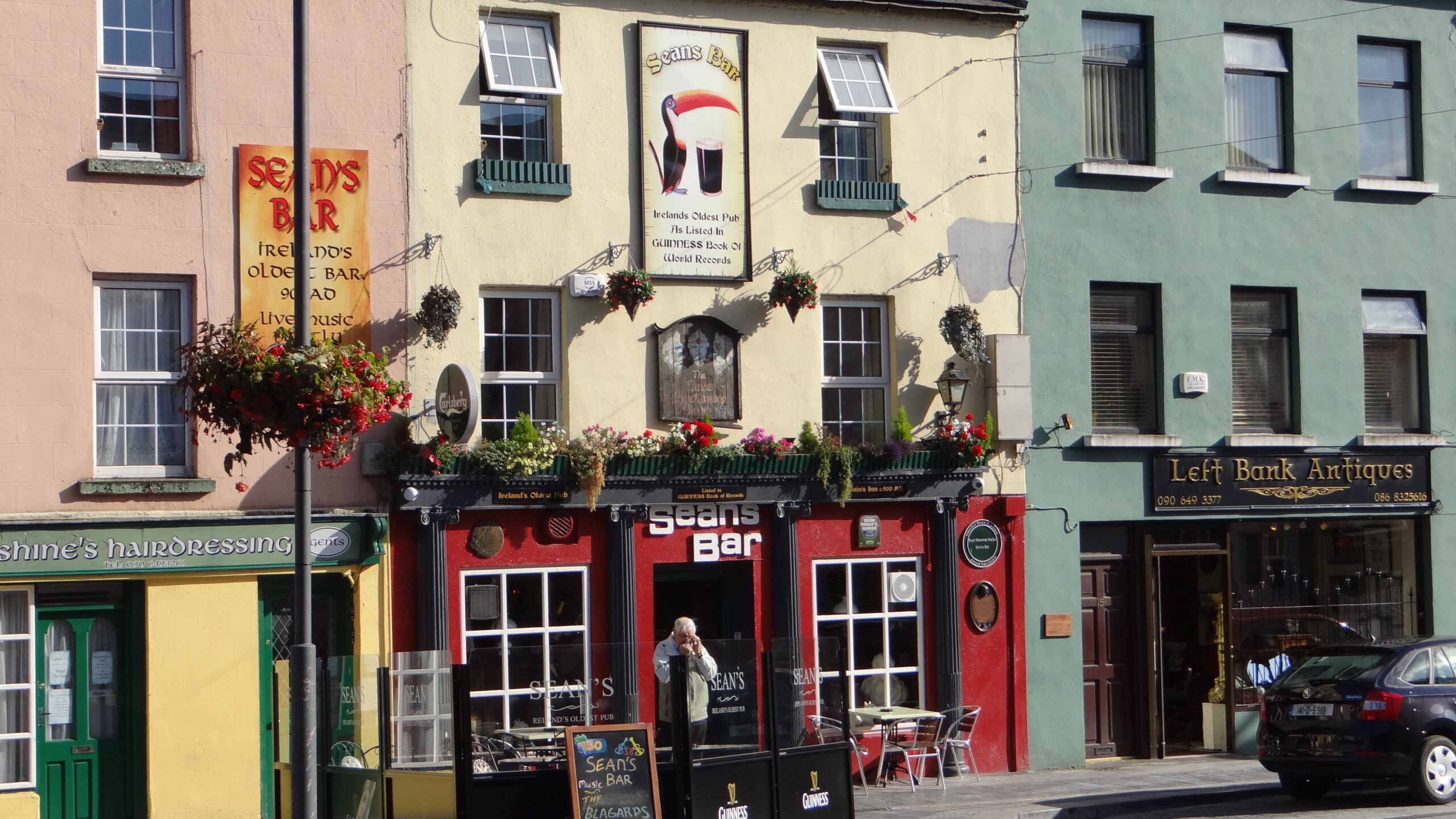
The best place is a local pub, ideally outside the busiest tourist areas. Sit at the bar, order a drink and listen. Many pubs have a long history. Sean’s Bar in Athlone, for example, claims to be the oldest pub in Ireland, with records going back to around 900 AD. Smaller towns and village shops are also good places for everyday talk.
If you want to hear Irish itself, head to a Gaeltacht area. These are regions where Irish is still spoken daily, including parts of Galway, Kerry, Donegal, Mayo and Waterford. Road signs there are often in Irish only, so it helps to learn a few basic words before you go.
Irish Phrases Abroad
For Irish people living overseas, these phrases are a link to home. Many say they notice their own words only when a colleague asks what they mean. If you are part of the Irish diaspora, you may find that a single phrase like “grand so” brings back a whole kitchen, a family voice or a Sunday afternoon.
These small expressions are part of what makes Irish culture so recognisable. They are also a good way to start a conversation, whether you are in Dublin or Sydney.
Quick Reference List
- Craic: fun or news
- Grand: fine or okay
- Giving out: complaining
- Yer man / your one: that man / that woman
- Eejit: a fool
- Gas: funny
- Banjaxed: broken or exhausted
- The jacks: the toilet
- The press: a cupboard
- Messages: grocery shopping
- Sláinte: cheers
- Slán: goodbye
Your Turn
Which Irish phrase gets the most blank looks where you live? Share it in the comments, and we may feature it in a future guide. If you enjoyed this, you might also like 7 More Irish Family Sayings and What They Really Mean. And if you enjoy learning about Irish life, culture and travel, our free newsletter is the best way to keep up.
Subscribe to the Love Ireland newsletter for weekly Irish stories, tips and travel ideas.
Tours & experiences you might love


Powered by Viator. Some links are affiliate links — we may earn a small commission at no extra cost to you.
Secure Your Dream Irish Experience Before It’s Gone!
Planning a trip to Ireland? Don’t let sold-out tours or packed attractions spoil your journey. Iconic experiences like visiting the Cliffs of Moher, exploring the Rock of Cashel, or enjoying a guided walk through Ireland’s ancient past often sell out quickly—especially during peak travel seasons.

Booking in advance guarantees your place and ensures you can fully immerse yourself in the rich culture and breathtaking scenery without stress or disappointment. You’ll also free up time to explore Ireland’s hidden gems and savour those authentic moments that make your trip truly special.
Make the most of your journey—start planning today and secure those must-do experiences before they’re gone!