

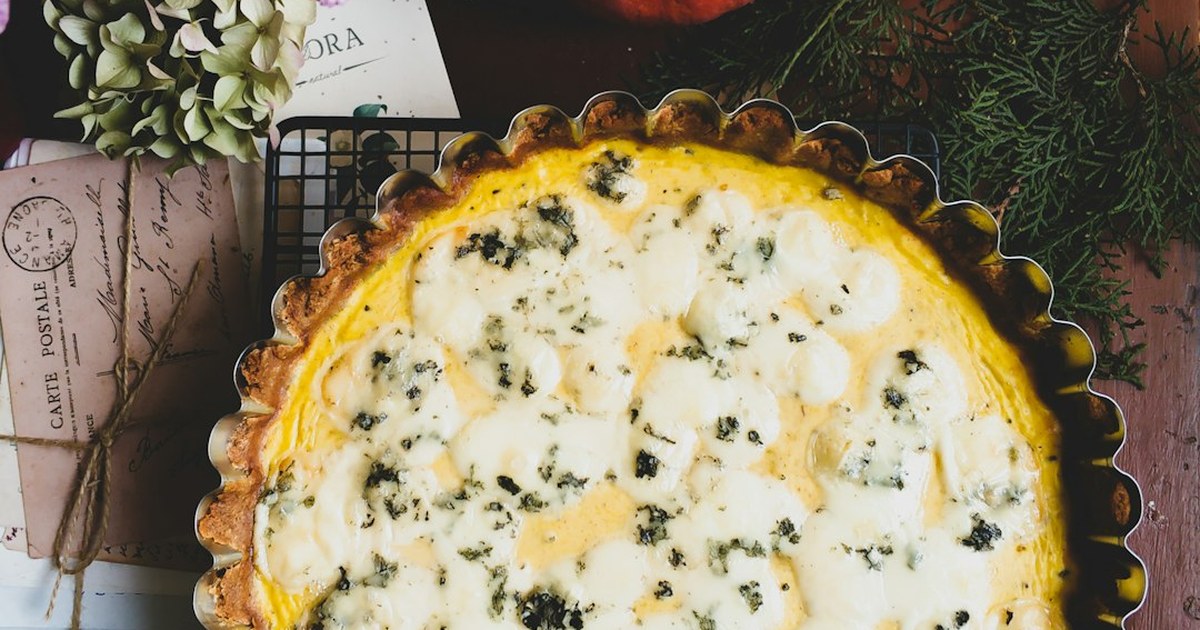
Goats Cheese and Wild Honey Tart Recipe: A Taste of the Irish Countryside
There is something quietly magical about the combination of tangy goats cheese and the dark, floral sweetness of Irish heather honey. This free-form tart — sometimes called a galette in more fashionable circles, though in Ireland it needs no such dressing up — belongs to a long tradition of farmhouse cooking that makes the very most of what the land and the animals upon it have to offer. Ireland has been producing farmhouse goats cheese since at least the early medieval period, when small herds of goats were a common sight on the hillsides of Connaught and Munster, valued for their hardy nature and their rich, versatile milk.
The real revival of Irish artisan cheesemaking came in the 1970s and 1980s, when a new generation of small producers — many of them settling in the west of Ireland — began crafting soft, fresh goats cheeses that owed everything to the quality of Irish grass and the clean Atlantic air. Today, counties like Cork, Clare, and Tipperary are home to some of Europe’s finest farmhouse cheesemakers, and a good Irish goats cheese is something to be genuinely proud of. Paired with heather honey — harvested in late summer from the purple-blanketed hillsides of Wicklow, Connemara, or the Mournes — you have a combination that is essentially the Irish landscape on a plate.
This tart is wonderfully unfussy. The rough, free-form edges of the shortcrust pastry are part of its charm, and the filling requires nothing more than gentle assembly. It suits a long, lazy Sunday lunch just as well as it does a smart summer supper, and it can be served warm or at room temperature with equal success. Do seek out a proper Irish farmhouse goats cheese if you can — soft and rindless is ideal here — and use the finest heather honey you can find. Those two ingredients do the lion’s share of the work.
Ingredients
- For the shortcrust pastry:
- 200g (7oz) plain flour, plus extra for dusting
- Pinch of fine sea salt
- 100g (3½oz) cold unsalted butter, cubed
- 3–4 tablespoons ice-cold water
- For the filling:
- 200g (7oz) soft Irish farmhouse goats cheese, rindless
- 2 tablespoons crème fraîche
- 1 egg, lightly beaten
- 1 teaspoon fresh thyme leaves, plus a few extra sprigs to finish
- Freshly ground black pepper
- 1 small red onion, very finely sliced into rings
- 1 tablespoon olive oil
- 2–3 tablespoons Irish heather honey, to drizzle
- 1 egg yolk beaten with 1 tablespoon milk, for glazing the pastry edge
Method
- Make the pastry. Place the flour and salt in a large bowl and add the cold cubed butter. Rub the butter into the flour with your fingertips until the mixture resembles rough, uneven breadcrumbs — a few larger flakes of butter are perfectly fine and will give the pastry good flakiness. Add the ice-cold water one tablespoon at a time, mixing lightly with a fork or a butter knife until the dough just comes together. Do not overwork it. Shape into a flat disc, wrap in beeswax wrap or cling film, and rest in the refrigerator for at least 30 minutes.
- Preheat your oven to 200°C (180°C fan / 400°F / Gas Mark 6). Line a large baking tray with baking parchment.
- Prepare the filling. In a bowl, beat together the goats cheese, crème fraîche, beaten egg, thyme leaves, and a generous grind of black pepper until smooth and well combined. Taste and adjust the pepper as you like — the cheese will provide all the salt needed.
- Toss the sliced red onion with the olive oil and a small pinch of salt in a separate bowl and set aside.
- On a lightly floured surface, roll the chilled pastry out into a rough circle approximately 30cm (12 inches) in diameter. It does not need to be perfectly round — the slightly irregular edges are part of the character of this tart. Carefully transfer it to the lined baking tray.
- Spread the goats cheese filling over the pastry, leaving a clear 4–5cm (about 2-inch) border all around the edge. Scatter the lightly oiled red onion rings evenly over the filling and tuck in a few extra thyme sprigs.
- Fold the border of pastry up and over the edge of the filling, pleating it roughly as you go to form a rustic rim. Press gently to help it hold its shape. Brush the folded pastry edge with the egg yolk and milk glaze.
- Bake in the preheated oven for 28–32 minutes, until the pastry is deeply golden and the filling is set and lightly coloured at the edges.
- Remove from the oven and allow to cool for at least 10 minutes before drizzling generously with the heather honey. Serve warm or at room temperature.
Tips
- Keep everything cold when making shortcrust pastry — cold butter, cold water, and even briefly chilling your bowl in summer will make the dough easier to handle and give a better, shorter texture.
- If you cannot find heather honey, a good quality wildflower or clover honey makes a fine substitute, though heather honey’s distinctive slightly bitter, malty depth is well worth seeking out.
- This tart is best eaten on the day it is baked, but the pastry can be made and refrigerated up to 24 hours in advance, and the cheese filling can also be mixed ahead and kept chilled until you are ready to assemble.
- A small handful of toasted walnut pieces scattered over the filling before baking adds a lovely crunch and pairs beautifully with both the cheese and the honey.
- Serve with a simple green salad dressed with a little cider vinegar and good Irish rapeseed oil to balance the richness of the tart.
There are few things more satisfying than pulling this tart from the oven, its golden pastry edges crisped and the kitchen filled with the warm, herby scent of melted goats cheese, then watching the heather honey catch the light as it pools across the surface. It is the kind of recipe that feels instinctively right for Ireland — rooted in honest, excellent ingredients, entirely unpretentious, and quietly, reliably delicious. We hope it brings a little of that Irish countryside warmth to your table, wherever you happen to be sitting.
Tours & experiences you might love


Powered by Viator. Some links are affiliate links — we may earn a small commission at no extra cost to you.
Secure Your Dream Irish Experience Before It’s Gone!
Planning a trip to Ireland? Don’t let sold-out tours or packed attractions spoil your journey. Iconic experiences like visiting the Cliffs of Moher, exploring the Rock of Cashel, or enjoying a guided walk through Ireland’s ancient past often sell out quickly—especially during peak travel seasons.

Booking in advance guarantees your place and ensures you can fully immerse yourself in the rich culture and breathtaking scenery without stress or disappointment. You’ll also free up time to explore Ireland’s hidden gems and savour those authentic moments that make your trip truly special.
Make the most of your journey—start planning today and secure those must-do experiences before they’re gone!