

Living in County Kildare means green farmland, fast links to Dublin and some of Ireland’s best-known horse country. About 247,000 people live there, and many of them work in the capital or in the towns along the Grand Canal. If you want space, community and a train line to the city, Kildare is one of the most practical counties to settle in.
This guide looks at daily life in Kildare. It covers the market towns, the Curragh plains and the canal country, and it is about the place, not the paperwork. For visitor information, start with Discover Ireland. Planning a visit first? Our Ireland trip planning hub is the best place to begin.
Why living in County Kildare appeals to so many people
Kildare covers about 1,695 square kilometres in the east of Ireland. It is flat to gently rolling, and it is known as the Thoroughbred County because of its racehorse studs and the racecourses at the Curragh, Naas and Punchestown. The pace is calmer than Dublin, but the city is close.
People who move here often mention the same things. The land is open and green. Towns are friendly and busy. Dublin is within reach for work, concerts and flights. The trade-off is that the commuter belt can be crowded at rush hour, and the western edge of the county feels very different from the east.
- Space: Wide fields, canal paths and bogland sit next to modern towns.
- Access: Rail and motorway links run towards Dublin, Limerick and Cork.
- Horses: Racing and breeding are part of local life and local pride.
- Community: GAA clubs, markets and festivals welcome newcomers.
Kildare town, the Curragh and the Irish National Stud
Kildare town is the county’s heritage centre. St Brigid is linked with the town, and the cathedral grounds hold a medieval round tower. Just outside, the Curragh is a huge open plain of grassland. The Curragh Racecourse hosts some of the main flat races of the Irish season, and walkers and riders share the open land.
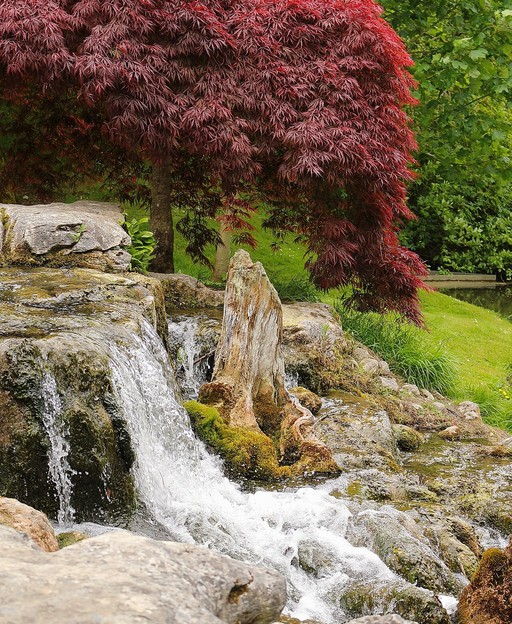
The Irish National Stud and Gardens sits near Kildare town. Visitors can walk the stud yards and the Japanese Gardens, which are shown in the photograph above. The site opened its gardens to the public long ago, and they are a favourite for slow weekend visits. Check the official site for opening times before you go. If you enjoy the story behind it, read how the Irish National Stud was built on astrology.
☘️ Enjoying this? 64,000+ Ireland lovers get stories like this every week. Subscribe free →
Naas, Newbridge, Maynooth and the commuter towns
Kildare has a string of towns, and each has its own feel. Here are some that come up again and again.
- Naas: The county town, with shops, restaurants and a racecourse nearby.
- Newbridge: A busy town on the River Liffey with a large retail centre.
- Maynooth: A university town on the Royal Canal, with a strong student feel.
- Celbridge: A riverside town beside Castletown House.
- Athy: A quieter town on the River Barrow in the south of the county.
Near Celbridge, Castletown House is Ireland’s largest and earliest Palladian country house, begun in 1722 for William Conolly, Speaker of the Irish House of Commons. The parkland is a popular place for local walks. Shoppers also head to Kildare Village, a designer outlet beside Kildare town. For a pub night, see our post on The Front Bar in Leixlip.
Canal country, bogland and the quieter west
The Grand Canal runs through north and east Kildare, and towpath walks and cycles link villages such as Sallins. The west of the county opens into the Bog of Allen, a vast raised bog landscape. Here villages are smaller, and a car matters more. Winters can be damp, and some roads feel quiet once the evenings darken.
- Grand Canal: Flat towpaths that suit walking, running and cycling.
- Bog of Allen: A wide, open landscape with big skies.
- Barrow valley: A gentler river corridor around Athy.
Daily life, getting around and the seasons
Rail is a big part of Kildare life. Commuter services run from Kildare, Newbridge, Sallins and Maynooth, and you can check routes and timetables on the Irish Rail website. Most households still keep a car for school runs, shopping and visits to the countryside.
Spring brings lambs and long evenings. Summer is race season, with crowds at the Curragh and Punchestown. Autumn is a good time for walks along the canal. Winter is quieter, wetter and cosy.
- Pace: Busy in the commuter towns, slow in the villages.
- Weather: Mild, often cloudy and a little drier than the Atlantic coast.
- Walking: Canal towpaths, bog trails and the open Curragh all year.
- Day trips: Wicklow, Meath and Dublin are each within about an hour.
If Kildare sparks your interest in nearby counties, read our guides to living in County Meath, living in County Wicklow and living in County Laois.
Is County Kildare the right place for you?
Kildare suits people who want a calm base close to Dublin, with good rail links and plenty of green space. It may feel busy if you choose a commuter town, and it has no coastline. A good way to test it is to stay for a week. Spend a day at the Curragh, a day on the canal and an evening in Naas or Maynooth.
To compare Kildare with other parts of the country, start with our guide to where to live in Ireland and our Ireland road trip itinerary. For the big picture, read our full Move to Ireland guide.
Frequently asked questions
How far is Kildare from Dublin?
Kildare town is about 55 km from Dublin. The train from Dublin Heuston takes around 30 to 40 minutes, and the drive on the M7 is similar outside rush hour.
Is County Kildare a good place to live?
Many people say yes. It offers open countryside, strong rail and motorway links and a friendly community, but the commuter towns are busy at peak times.
What is the best time of year to visit County Kildare?
May to September gives the longest days and the main race meetings at the Curragh and Punchestown. Autumn is quieter and good for canal walks.
Is County Kildare worth visiting before you move?
Yes. A few days shows you the commuter towns, the Curragh plains and the canal country, so you can see which side of the county suits you. Our guide to County Kildare’s top sights is a good place to start planning that visit.
☘️ Join 64,000+ Ireland Lovers
Every weekday morning, get Ireland’s lesser-known corners, local stories and secrets, straight to your inbox.
Subscribe free — enter your email:
Free forever · Unsubscribe anytime
Secure Your Dream Irish Experience Before It’s Gone!
Planning a trip to Ireland? Don’t let sold-out tours or packed attractions spoil your journey. Iconic experiences like visiting the Cliffs of Moher, exploring the Rock of Cashel, or enjoying a guided walk through Ireland’s ancient past often sell out quickly—especially during peak travel seasons.

Booking in advance guarantees your place and ensures you can fully immerse yourself in the rich culture and breathtaking scenery without stress or disappointment. You’ll also free up time to explore Ireland’s hidden gems and savour those authentic moments that make your trip truly special.
Make the most of your journey—start planning today and secure those must-do experiences before they’re gone!