

Living in County Laois means a quiet Midlands county with fast road and rail links to Dublin. About 91,000 people live here, and Portlaoise, the county town, sits roughly 90 km from the capital on the Dublin–Cork line. If you want green countryside, real history and a friendly community without paying Dublin prices for the view, Laois is worth a close look.
This guide looks at daily life in Laois. It covers the towns, the heritage sites, the Slieve Bloom hills and the practical side of getting around. It is about the place, not the paperwork. For anything official, check the relevant government site first.
Why living in County Laois appeals to so many people
Laois is a landlocked county with no coastline and no tourist crowds. The land is gentle farmland, with the River Barrow and the River Nore both rising nearby. Most visitors drive straight past on the M7. Those who stop find ruined castles, a round tower and stately gardens within a short drive of each other.
Newcomers often mention the same things. Towns are small and friendly, and traffic is light outside Portlaoise. You can reach Dublin in about an hour by car or train, and Kilkenny and Kildare are both close.
- Central position: Dublin is about 90 km from Portlaoise, and Cork is roughly 220 km south.
- Rail and motorway: the M7 runs through the county, and Portlaoise station sits on the Dublin–Cork line.
- Hills close by: the Slieve Bloom Mountains rise on the border with Offaly.
- Heritage on your doorstep: Norman ruins, early Christian sites and Georgian estates all sit within a short drive.
Portlaoise and the county’s other towns
Portlaoise is the busiest town in Laois, with more than 20,000 residents. It has the main shops, schools, a hospital and a busy rail station. It is a practical base rather than a postcard, and many families choose it for the commute to Dublin.
You can plan a visit with the Discover Ireland page for Laois, which lists attractions and events across the county.
Abbeyleix, Stradbally, Mountmellick and Durrow
Each smaller town has its own pace. Abbeyleix is a planned heritage town with a wide main street and an award-winning bog restoration project, which you can read about on the Abbeyleix Bog Project site. Stradbally is a pretty village best known as the home of the Electric Picnic music festival. Mountmellick has a strong Quaker history and a tradition of fine white embroidery. Durrow is a quiet village with a large green and easy access to Kilkenny.
Many people choose a village a few kilometres from a bigger town. You get the quiet, and the shops stay close.
☘️ Enjoying this? 64,000+ Ireland lovers get stories like this every week. Subscribe free →
The Rock of Dunamase and Laois’s deep history
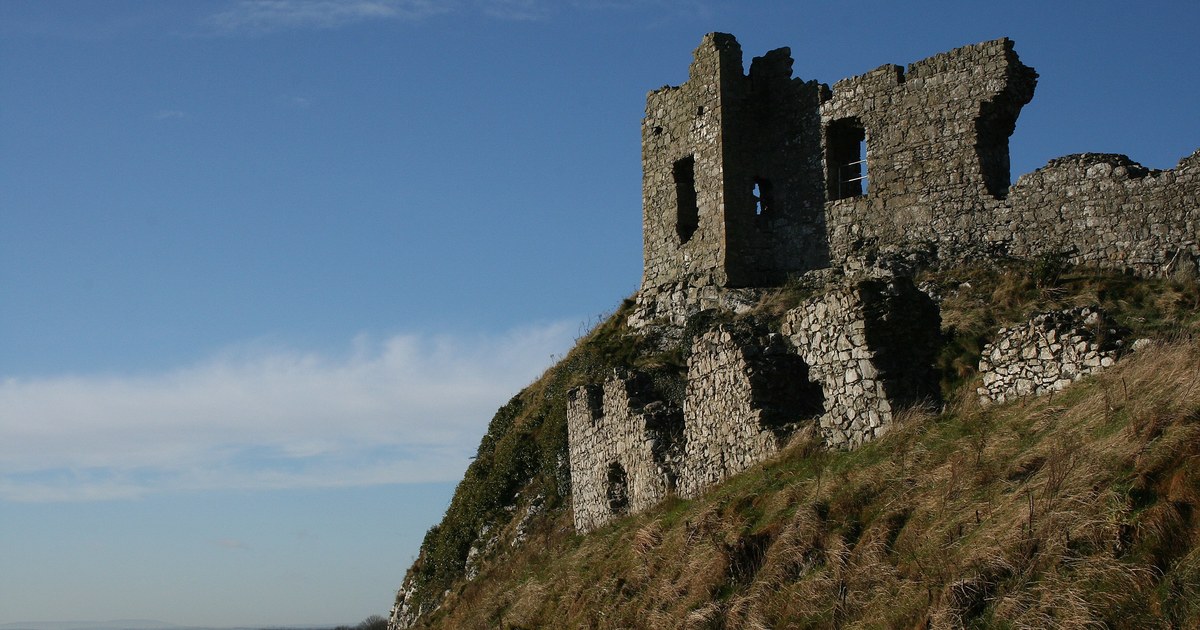
The Rock of Dunamase is the county’s best-known landmark. Its ruined fortress crowns a limestone outcrop that rises about 46 metres above the plain, and the views stretch for miles. Dermot MacMurrough gave the stronghold to the Norman knight Strongbow in 1170 as part of his daughter Aoife’s marriage. Parliamentary forces later wrecked the castle in the 1650s. Today you can walk the ruins freely and watch the sun set over the Midlands.
The county has more to explore. Timahoe Round Tower stands about 30 metres tall and has an unusual Romanesque doorway set high above the ground. Emo Court is a neoclassical house designed by James Gandon in the 1790s, with lakeside gardens and woodland walks. Check the official site for opening times before you go.
If you enjoy Norman and royal sites, our Trim Castle guide covers the great fortress in nearby Meath, and our Cahir Castle guide covers one of the best-preserved castles in Tipperary. For more on these sites as a visitor rather than a resident, see our full County Laois attractions guide.
Hills, bog and gardens
The Slieve Bloom Mountains rise in the north-west of the county. Arderin, the highest point, stands at 527 metres on the Laois–Offaly border. The Slieve Bloom Way is a long waymarked loop through forest, bog and river valleys. It is not Kerry or Connemara, but it gives you proper hill air within half an hour of most Laois towns.
Gardens for slow weekends
Laois is a county for gardens. Heywood Gardens near Ballinakill was laid out in the early 1900s with help from the architect Edwin Lutyens. Its lake, terraces and woodland make a gentle day out. Abbeyleix and Emo add more places to wander.
Daily life: what it is really like
Community comes first in Laois. Sports clubs, church halls, markets and music sessions fill the calendar. Newcomers settle fastest when they join something, whether it is a walking group, a choir or a heritage society.
- Getting around: most households run a car, although Portlaoise has train and bus links.
- Shopping: Portlaoise has large supermarkets, and villages keep local shops.
- Weather: expect mild, damp and changeable conditions, with soft rain through much of the year.
- Broadband and remote work: coverage varies by townland, so ask locally before you commit to a spot.
Rain keeps the county green. A good coat and a sense of humour will see you through the winter. Local services are listed on the Laois County Council website.
Is living in County Laois right for you?
Laois suits people who want calm, space and a close-knit community with Dublin within easy reach. It is a poor fit if you crave a coastline or a big-city social life on your doorstep. Spend a week in the county in autumn or winter before you decide, because that is when daily life shows.
If you are weighing up a bigger move, our full Move to Ireland guide walks through the questions to ask yourself. You can also compare Laois with our living guides for County Offaly, County Carlow, County Westmeath and County Kilkenny.
- Visit in more than one season, including a wet week in winter.
- Base yourself in Portlaoise for a few days, then explore Abbeyleix, Stradbally and the villages.
- Talk to residents in pubs, shops and community groups.
- Check travel times to the nearest hospital, school and train station for your chosen village.
Thinking about the long term? Our guide to the best places to retire in Ireland compares more regions. To plan a first visit, start with our planning hub and the 7-day Ireland road trip itinerary.
Frequently asked questions about living in County Laois
What is it like living in County Laois?
It is quiet, friendly and relaxed. About 91,000 people share the county, and most live in or near a handful of market towns.
What is the main town in County Laois?
Portlaoise is the county town, with more than 20,000 people. It has a rail station, a motorway link, shops and the main schools and services.
How far is Laois from Dublin?
Portlaoise is roughly 90 km from Dublin. You can reach it by train on the Cork line or by the M7 in about an hour.
Is County Laois worth visiting?
Yes. Visitors enjoy the Rock of Dunamase, Timahoe Round Tower, Emo Court and the Slieve Bloom hills, all far from the usual crowds.
☘️ Join 64,000+ Ireland Lovers
Every weekday morning, get Ireland’s lesser-known corners, local stories and secrets, straight to your inbox.
Subscribe free — enter your email:
Already subscribed? Download your free Ireland guide (PDF)
📲 Know someone who’d love this? Share on WhatsApp →
Free forever · Unsubscribe anytime
Secure Your Dream Irish Experience Before It’s Gone!
Planning a trip to Ireland? Don’t let sold-out tours or packed attractions spoil your journey. Iconic experiences like visiting the Cliffs of Moher, exploring the Rock of Cashel, or enjoying a guided walk through Ireland’s ancient past often sell out quickly—especially during peak travel seasons.

Booking in advance guarantees your place and ensures you can fully immerse yourself in the rich culture and breathtaking scenery without stress or disappointment. You’ll also free up time to explore Ireland’s hidden gems and savour those authentic moments that make your trip truly special.
Make the most of your journey—start planning today and secure those must-do experiences before they’re gone!