📱 The Love Ireland app is here — now on iPhoneDownload Love Ireland on the App Store
Thinking about retiring in Ireland? Watch this →
Skip to Content

Top 10 Things to Do in Donegal

Sharing is caring!

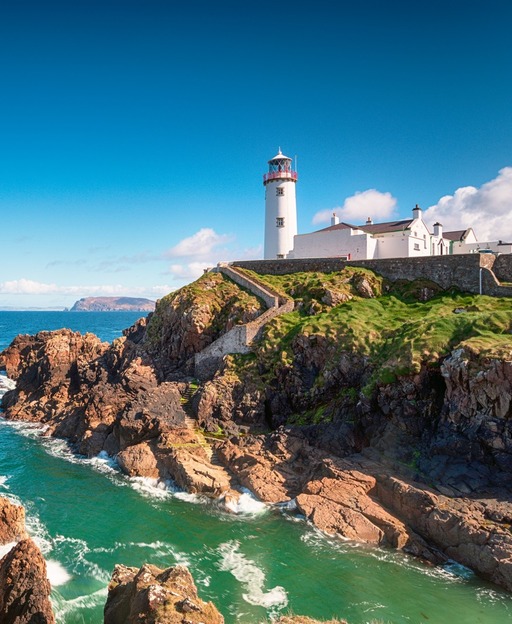
Fanad Head Lighthouse on the north coast of County Donegal, Ireland, on a bright sunny day: the white tower with a red lantern gallery and whitewashed keepers' cottages stand behind a stone wall on a grassy headland, with a stepped path winding down rugged rust-coloured rocks to a narrow inlet of emerald-green water and white surf, and the deep-blue Atlantic stretching to a distant headland under a clear sky with a few white clouds.
Photo: Helen Hotson / Shutterstock

From working harbours and mountain views to island crossings and Atlantic cliffs, these are ten things to do in Donegal, counted down with one mistake to avoid at each stop.

Want more stops beyond this countdown? See our complete guide to things to do in Donegal.

☘️ Ask Love Ireland

Video date: 18 November 2026 · Video length: 8 min 8 sec. Practical information and closure notices checked 20 November 2026. Check the official page for current access and visitor arrangements before travelling. Photographs show the places featured in the clean video; archival images are labelled.

Subscribe to Love Ireland for a new video every week.

Your Irish County: a guide to all 32 (PDF)
The County Donegal page introduces the county and places to explore. Enter your email to receive the county guide.

About the county guide

10. Killybegs harbour

Killybegs harbour: Donegal County Council describes Killybegs as Ireland’s largest fishing port. Look across the harbour from public areas: the boats and working waterfront tell a different story from an empty beach.

The mistake to avoid is treating a working quay as an unrestricted sightseeing area. Respect barriers and instructions, and keep clear of vehicles and crews.
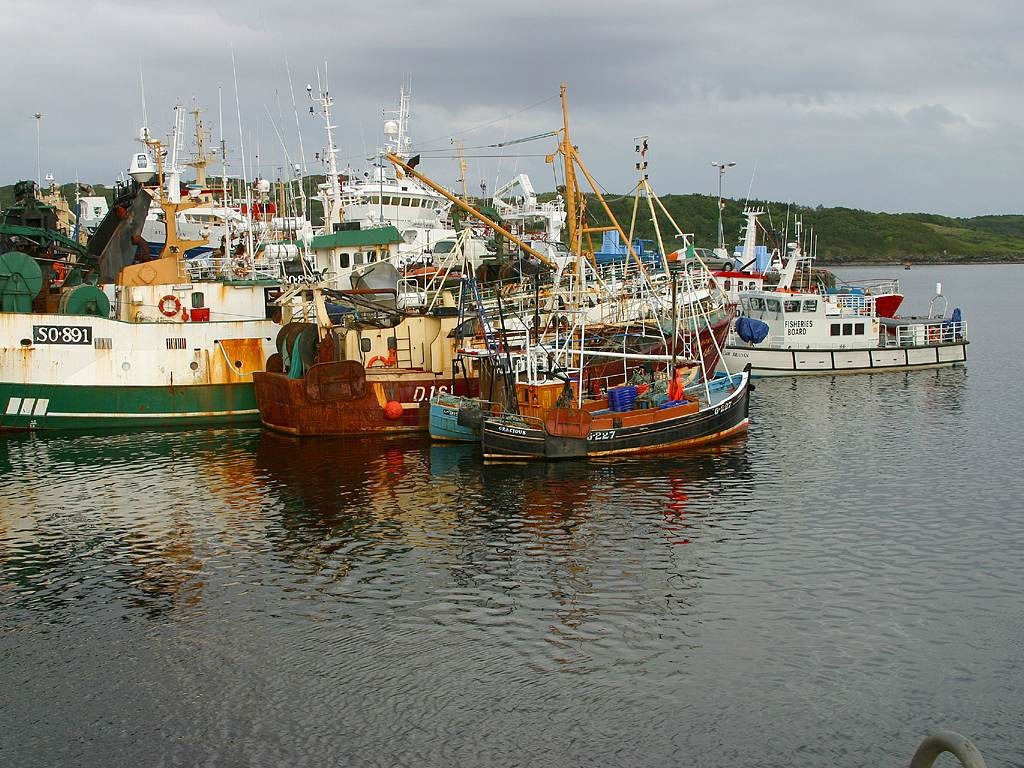
Killybegs harbor, County Donegal
Photo: Jon Sullivan / Wikimedia Commons (Public domain) Source

9. Glencolmcille Folk Village

Glencolmcille Folk Village: The Folk Village’s replica thatched cottages recreate homes from the eighteenth, nineteenth and twentieth centuries. Look at how the rooms and everyday objects change, rather than assuming these are untouched houses from three different centuries.

The mistake to avoid is arriving without checking the seasonal visitor arrangements. Check the official page before planning a winter visit. The archival photograph below shows a Glencolmcille cabin in 1914, not one of the modern Folk Village replicas.
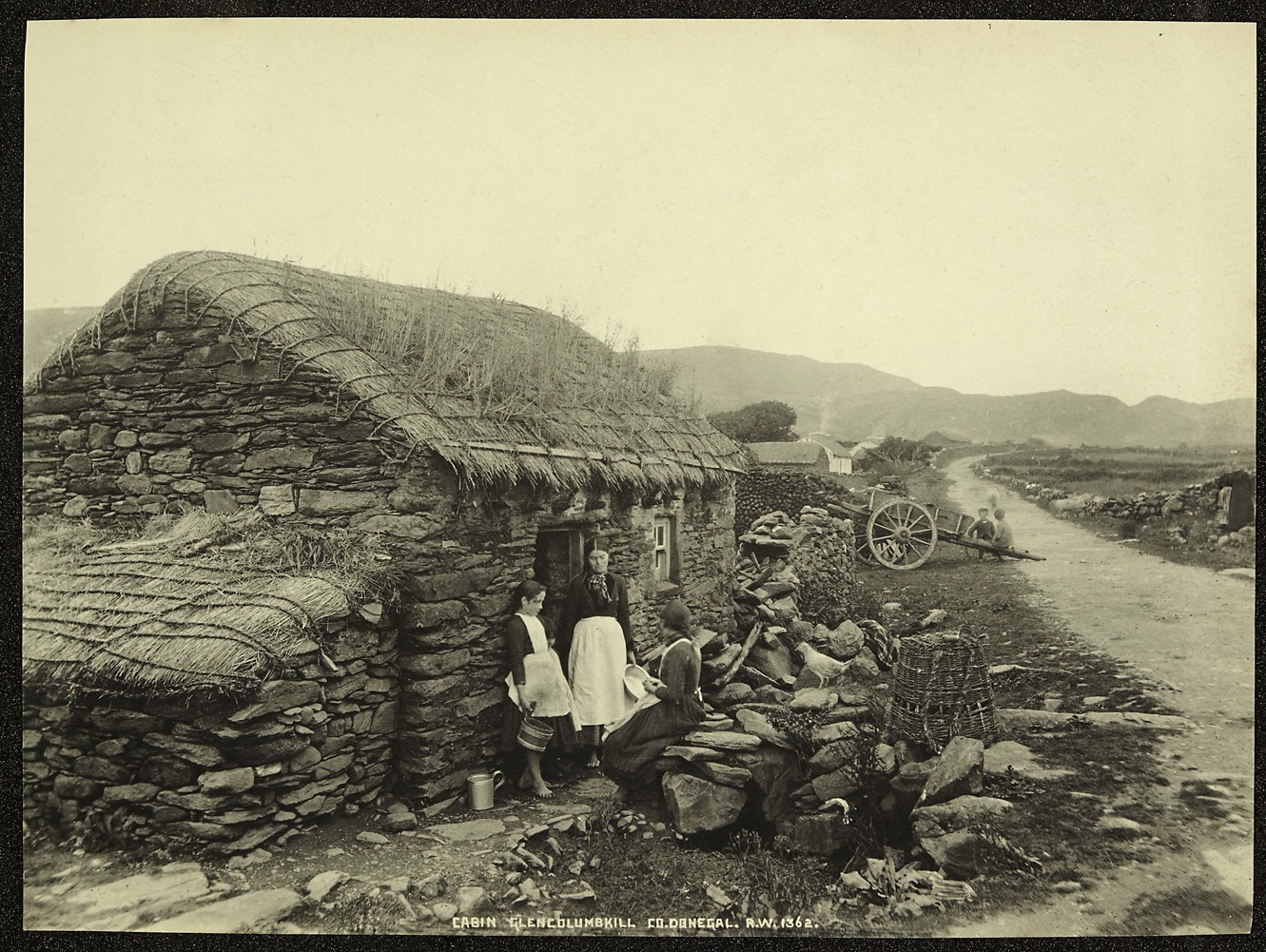
Archival photograph of a stone cabin at Glencolmcille in 1914
Photo: R. Welch / Public Record Office of Northern Ireland, via Wikimedia Commons (public domain). Glencolmcille cabin, 1914; not the Folk Village replicas. Source

8. Grianán of Aileach

Grianán of Aileach: This hilltop stone fort looks across Inishowen between Lough Foyle and Lough Swilly. Stand inside the circular enclosure and notice the thickness of the walls and the terraces reached by stone steps.

The mistake to avoid is expecting a staffed attraction with the usual facilities. This is an unguided national monument. Take care on the stonework, especially when wet, and check the official page before setting out.
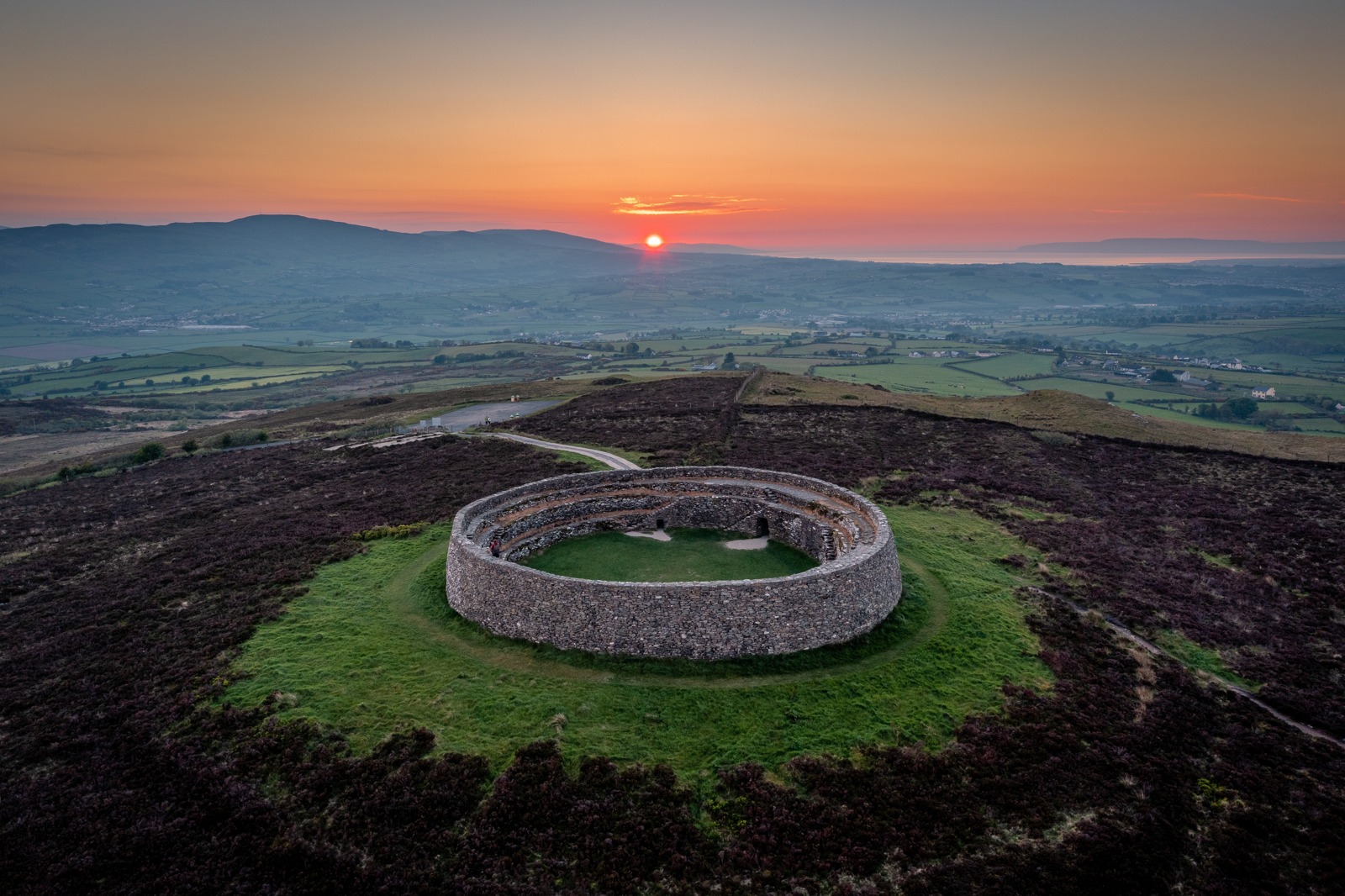
An aerial view of the Grianan of Aileach, the ancient ringfort on Greenan Mountain in County Donegal, Ireland, at sunrise. The circular drystone cashel sits centrally on the hilltop, its thick battered wall of grey rubble enclosing a grassed interior where stepped internal terraces and a single entrance passage are clearly visible from above. A ring of bright green cropped grass surrounds the fort, giving way to dark purple-brown heather moorland and a narrow access road curving up the ridge. Beyond, the patchwork farmland of the Inishowen lowlands stretches out in soft green fields and hedgerows to the loughs and distant hills; the sun sits low as a small red disc on the horizon under a broad wash of orange, salmon and grey sky.
Photo: agaglowala / Shutterstock Source

7. Arranmore Island

Arranmore Island: Arranmore is an inhabited island, with people going about their day alongside visitors. The crossing from Burtonport changes the mainland from the place under your feet into the view behind you.

The mistake to avoid is choosing an outward sailing without checking your return. Weather and tides can disrupt sailings: check the operator’s official page for your date and leave time to explore.
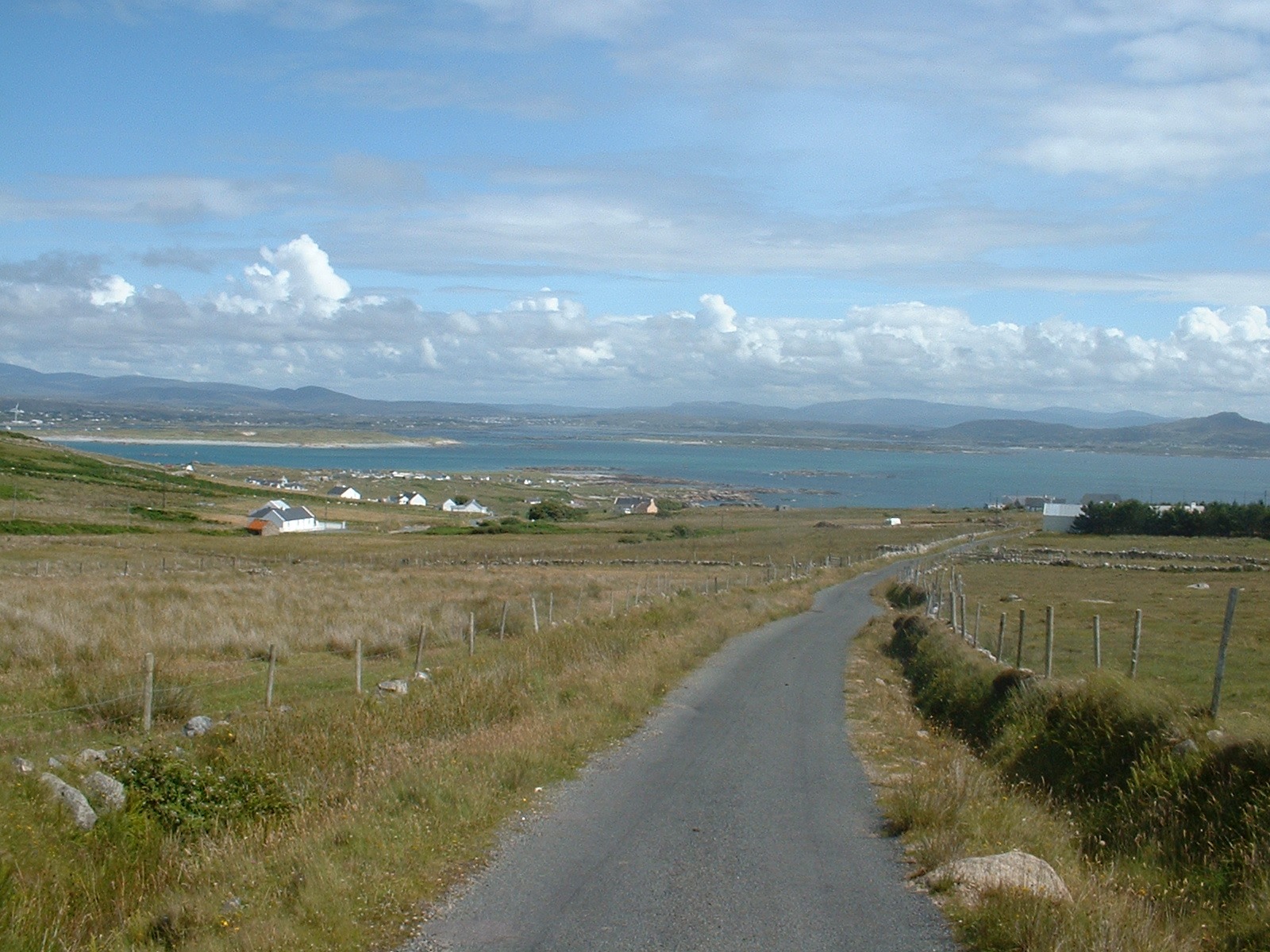
Arranmore Island, County Donegal
Photo: Kiand / Wikimedia Commons (Public domain) Source

6. Errigal from Dunlewy

Errigal from Dunlewy: At 751 metres, Errigal is Donegal’s tallest mountain. You can appreciate its distinctive shape from below without making the summit the price of admission. The photograph shows the mountain beyond the ruins at Dunlewy.

The mistake to avoid is turning a photograph stop into an unplanned mountain climb. This is a view, not a hiking guide. Choose a safe stopping place; a summit outing requires preparation, suitable equipment and weather, and a route matched to your ability.
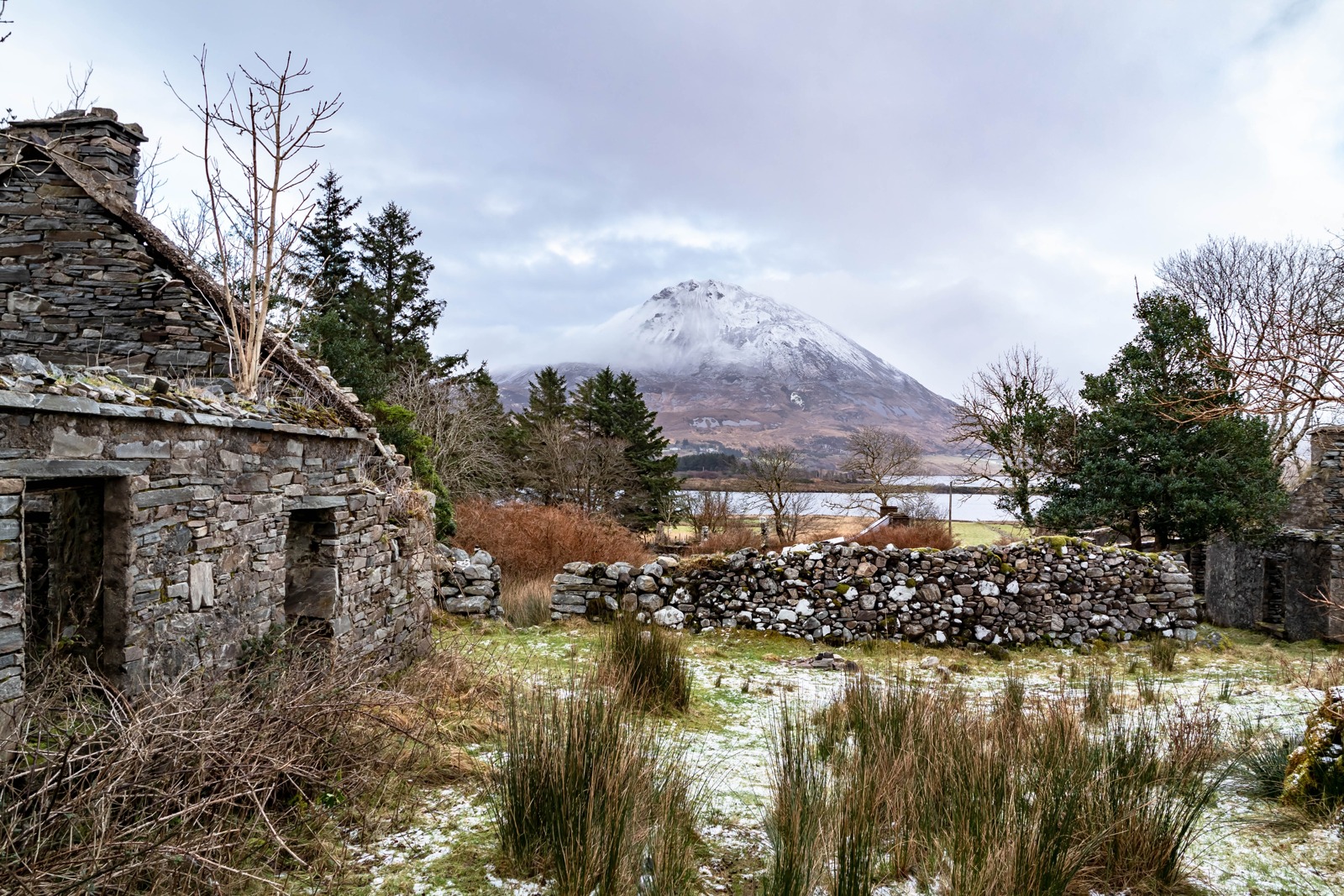
The lost village of Glenthornan by Dunlewey in County Donegal - Ireland
Photo: Lukassek / Shutterstock Source

5. Ballymastocker Bay

Ballymastocker Bay: The sweep of sand at Ballymastocker Bay is a reason to slow down after the car. Look across the bay first, then choose a beach walk that suits your energy and the conditions.

The mistake to avoid is treating a beautiful photograph as evidence that swimming is safe. Read current beach notices and follow local safety advice. A walk beside the water is a complete visit in its own right.
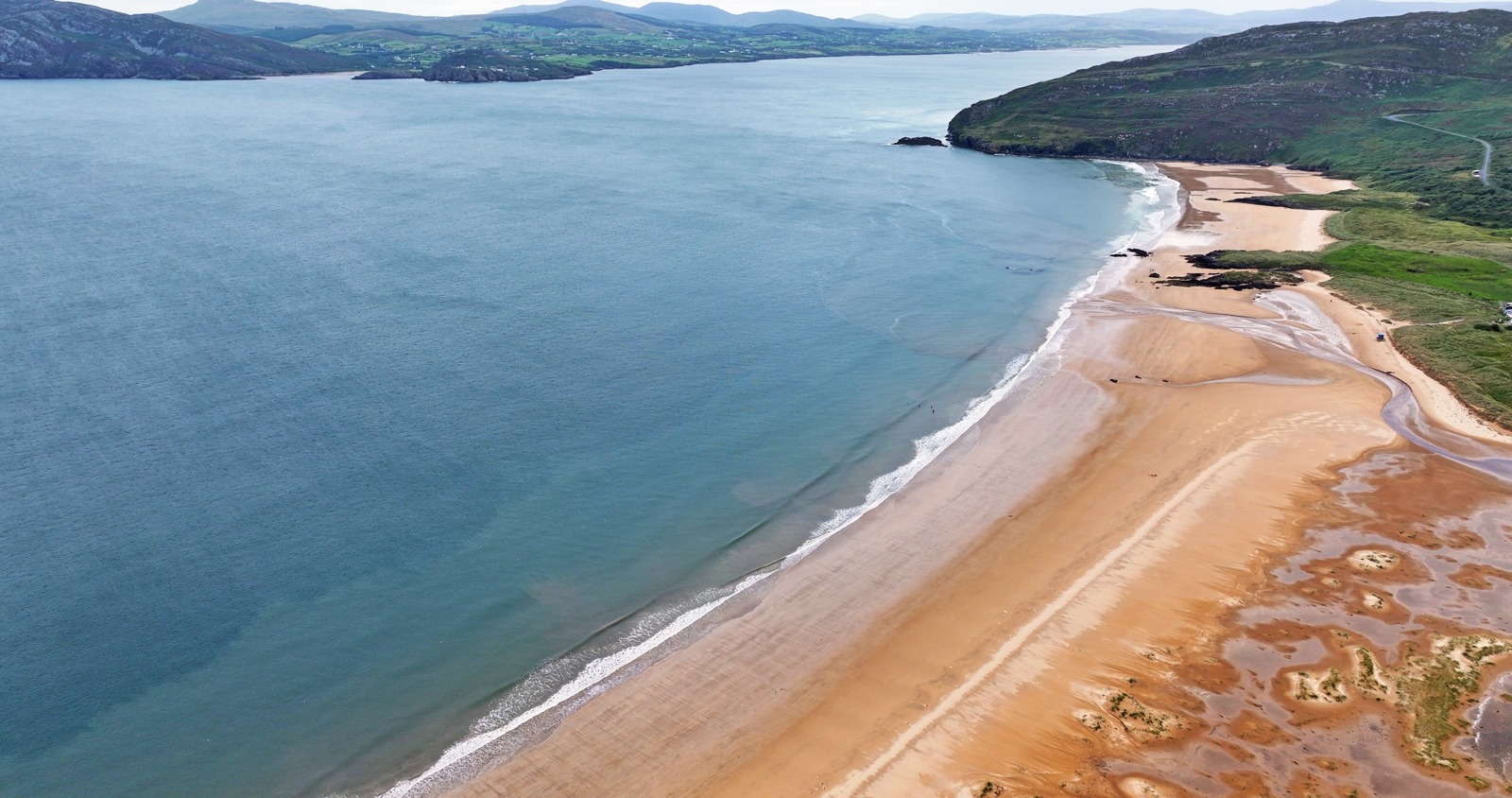
Aerial View of the picturesque Portsalon Beach Ballymastocker Beach in County Do
Photo: Ballygally View Images / Shutterstock Source

4. Fanad Head Lighthouse

Fanad Head Lighthouse: The guided tower experience involves 76 steps. The lighthouse story includes the keepers and their families as well as the light itself; the surrounding coast is part of the appeal.

The mistake to avoid is assuming everyone in your party can climb the tower. Check the official page for current tour arrangements and suitability, including the operator’s height restriction for children, before driving out.
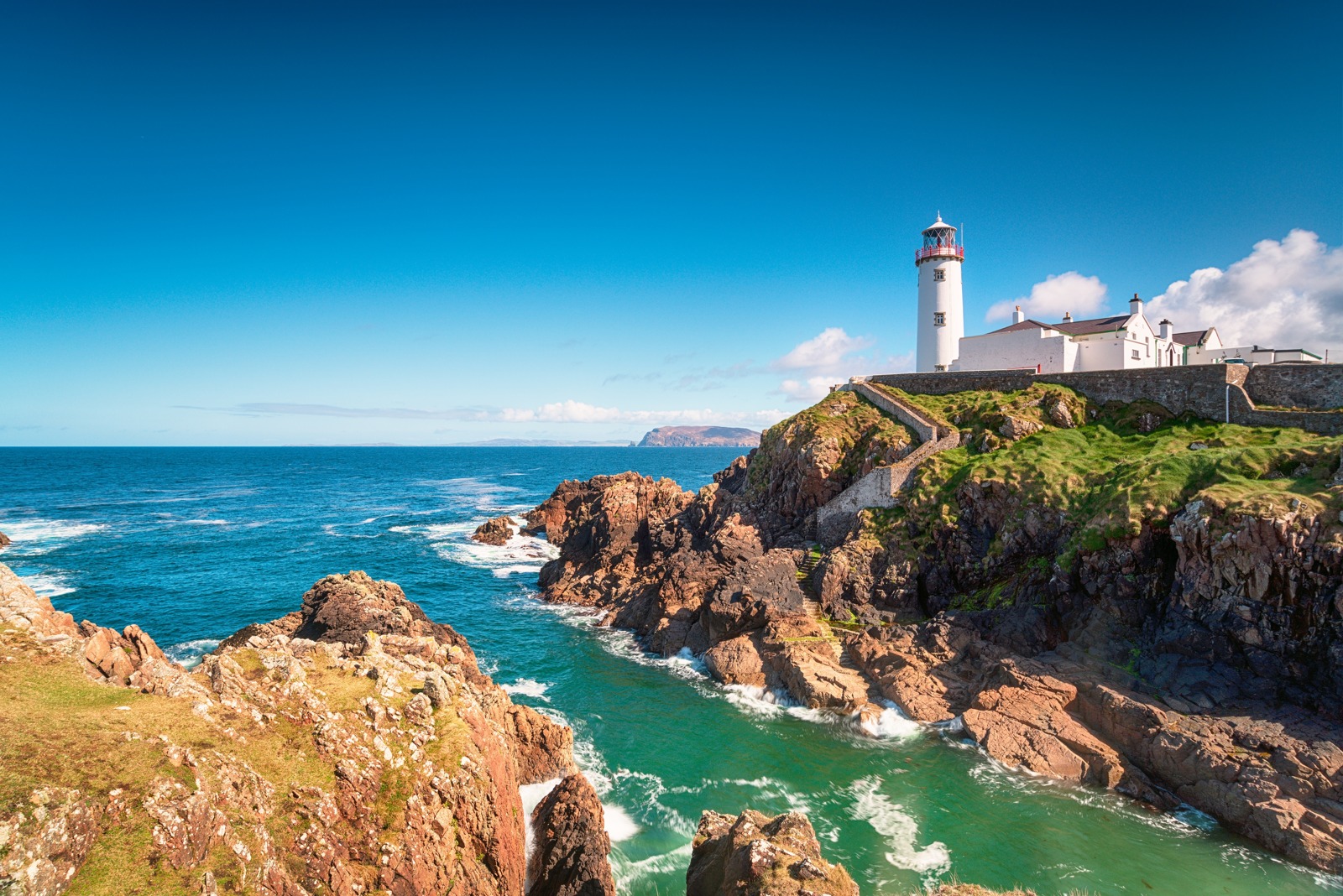
Fanad Head Lighthouse on the north coast of County Donegal, Ireland, on a bright sunny day: the white tower with a red lantern gallery and whitewashed keepers' cottages stand behind a stone wall on a grassy headland, with a stepped path winding down rugged rust-coloured rocks to a narrow inlet of emerald-green water and white surf, and the deep-blue Atlantic stretching to a distant headland under a clear sky with a few white clouds.
Photo: Helen Hotson / Shutterstock Source

3. Malin Head

Malin Head: At Banba’s Crown, the tower’s signal-station history gives this exposed edge of Inishowen a human story as well as a view. Visibility and weather decide how much of the distant coast you will see.

The mistake to avoid is treating every coastal feature as somewhere to scramble down to. Hell’s Hole is a cavern where the tide rushes in with great force. Keep to a safe viewpoint and away from exposed edges.
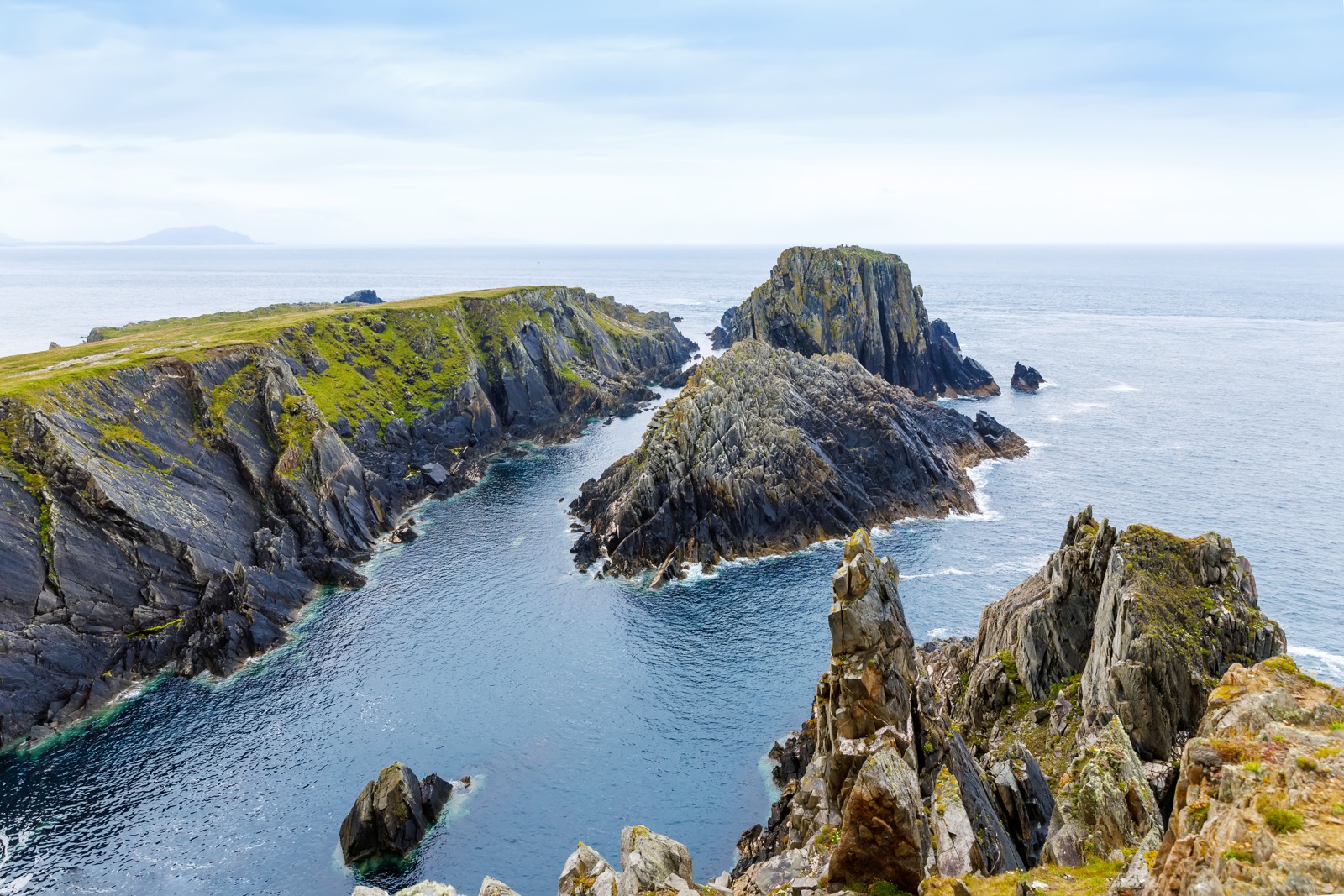
The rugged sea stacks and inlets at Malin Head, the northernmost point of the island of Ireland, on the Inishowen peninsula in County Donegal. Seen from the clifftop, a narrow channel of deep blue sea winds between jagged headlands of dark grey stratified rock, their layers tilted steeply and capped with thin green turf and yellow lichen. A long grassy promontory runs out on the left, and a series of steep-sided rocky islets and stacks stand in the water at the centre and right, with white surf breaking around their bases. In the foreground, sharp lichen-covered pinnacles rise at the cliff edge. The open Atlantic stretches to a hazy horizon with a faint island silhouette at the far left, under a pale overcast sky.
Photo: Irina WS / Shutterstock Source

2. Glenveagh National Park

Glenveagh National Park: The lakeside landscape, gardens and walking trails make Glenveagh more than a castle stop. Choose a route that suits your mobility, footwear and the weather; a mostly flat gravel path is still a different outing from a paved town walk.

The mistake to avoid is confusing park access with castle access. The official autumn/winter notice warns of additional castle closures at short notice. Check the official page before travelling; do not assume the castle is accessible simply because the park is.
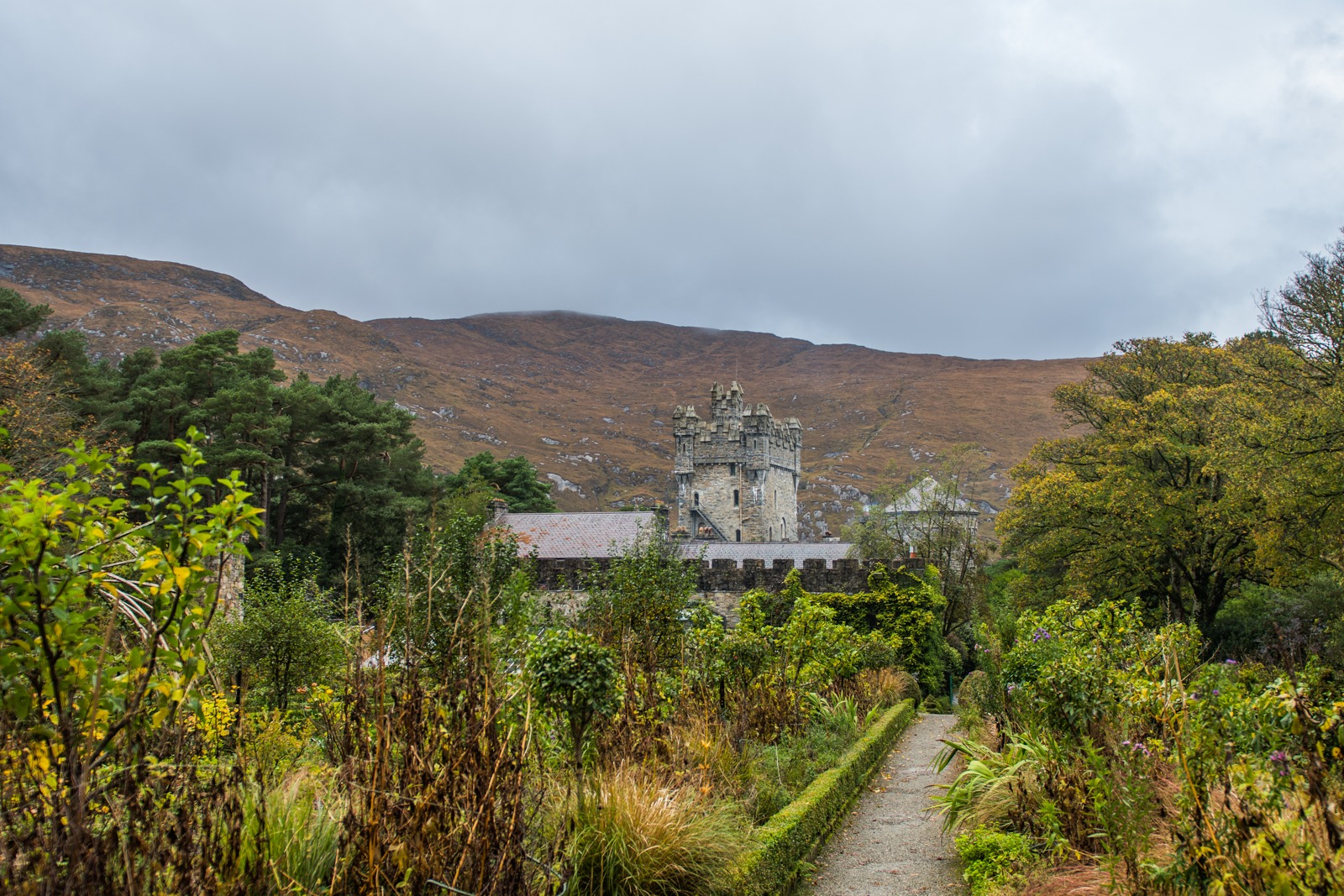
Glenveagh Castle seen across the walled garden on an overcast autumn day. The grey granite keep stands in the middle distance, square and battlemented with corner bartizans and a slim turret, its lower ranges running left behind a crenellated garden wall and a rust-coloured corrugated roof. The whole foreground is the garden: a narrow gravel path edged with low clipped box leads towards the castle between deep borders of seed heads, ornamental grasses, tall perennials going over, and shrubs turning yellow and bronze. Dark Scots pines and broadleaf trees enclose both sides. Behind the castle the open flank of a Donegal mountain rises in bands of brown heather, bracken and grey rock, with a heavy grey and white sky above.
Photo: ianmitchinson / Shutterstock Source

1. Sliabh Liag / Slieve League

Sliabh Liag / Slieve League: The Atlantic cliffs are the reward, but the main viewing area and a mountain route are different propositions. Enjoy the viewpoint without feeling obliged to climb higher.

The mistake to avoid is assuming you can always drive to the top parking area. Check the official page for current vehicle and shuttle arrangements. Fáilte Ireland advises that only experienced walkers should go beyond the viewpoint onto One Man’s Pass; respect barriers and stay away from exposed edges.

For the full cliff-top routes and access details, see our dedicated Slieve League guide.
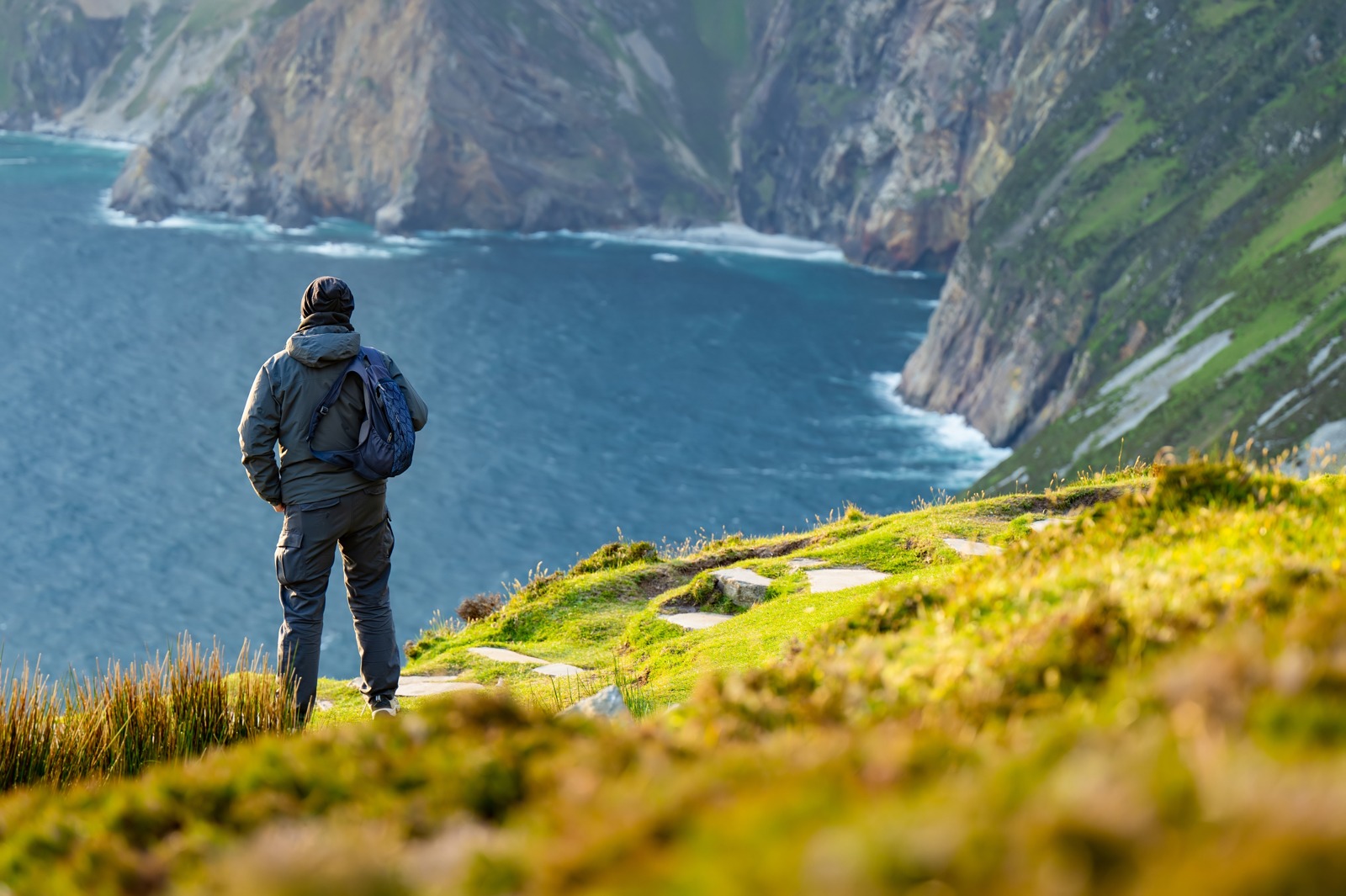
Tourist at Slieve League, Irelands highest sea cliffs, located in south west Donegal along this magnificent costal driving route. One of the most popular stops at Wild Atlantic Way route, Ireland.
Photo: MNStudio / Shutterstock Source

Subscribe to Love Ireland for a new video every week.

Your Irish County: a guide to all 32 (PDF)
The County Donegal page introduces the county and places to explore. Enter your email to receive the county guide.

About the county guide

Considering more than a visit? See what living in County Donegal is really like.

Official sources and checked-date note

Linked official pages above were revisited on 20 November 2026. The historical and landscape facts follow the video script and its saved official research. Access notices can change; the linked official page takes precedence over an older itinerary.

Still wondering about something?

Other newsletters you might like

How To Move To Ireland

A daily newsletter and blog for people moving to Ireland — visas and immigration, finding work, housing, healthcare, cost of living, banking, driving, schools and settling in.

Subscribe

One Two Three Send

The newsletter for newsletters

Subscribe

Love Germany

Love Germany — in your inbox Castles, hidden gems and the best places to visit in Germany. One short email, every day.

Subscribe

Love Space

Love Space — in your inbox. Space travel, rockets, planets and the cosmos. One cosmic idea a day.

Subscribe

Newsletters via the One Two Three Send network.  ·  Want your newsletter featured here? Click here

Secure Your Dream Irish Experience Before It’s Gone!

Planning a trip to Ireland? Don’t let sold-out tours or packed attractions spoil your journey. Iconic experiences like visiting the Cliffs of Moher, exploring the Rock of Cashel, or enjoying a guided walk through Ireland’s ancient past often sell out quickly—especially during peak travel seasons.

Booking in advance guarantees your place and ensures you can fully immerse yourself in the rich culture and breathtaking scenery without stress or disappointment. You’ll also free up time to explore Ireland’s hidden gems and savour those authentic moments that make your trip truly special.

Make the most of your journey—start planning today and secure those must-do experiences before they’re gone!

Sharing is caring!

DISCLAIMER

Last updated May 29, 2023


WEBSITE DISCLAIMER

The information provided by Love to Visit LLC ('we', 'us', or 'our') on https://lovetovisitireland.com (the 'Site') is for general informational purposes only. All information on the Site is provided in good faith, however we make no representation or warranty of any kind, express or implied, regarding the accuracy, adequacy, validity, reliability, availability, or completeness of any information on the Site. UNDER NO CIRCUMSTANCE SHALL WE HAVE ANY LIABILITY TO YOU FOR ANY LOSS OR DAMAGE OF ANY KIND INCURRED AS A RESULT OF THE USE OF THE SITE OR RELIANCE ON ANY INFORMATION PROVIDED ON THE SITE. YOUR USE OF THE SITE AND YOUR RELIANCE ON ANY INFORMATION ON THE SITE IS SOLELY AT YOUR OWN RISK.

EXTERNAL LINKS DISCLAIMER

The Site may contain (or you may be sent through the Site) links to other websites or content belonging to or originating from third parties or links to websites and features in banners or other advertising. Such external links are not investigated, monitored, or checked for accuracy, adequacy, validity, reliability, availability, or completeness by us. WE DO NOT WARRANT, ENDORSE, GUARANTEE, OR ASSUME RESPONSIBILITY FOR THE ACCURACY OR RELIABILITY OF ANY INFORMATION OFFERED BY THIRD-PARTY WEBSITES LINKED THROUGH THE SITE OR ANY WEBSITE OR FEATURE LINKED IN ANY BANNER OR OTHER ADVERTISING. WE WILL NOT BE A PARTY TO OR IN ANY WAY BE RESPONSIBLE FOR MONITORING ANY TRANSACTION BETWEEN YOU AND THIRD-PARTY PROVIDERS OF PRODUCTS OR SERVICES.

AFFILIATES DISCLAIMER

The Site may contain links to affiliate websites, and we receive an affiliate commission for any purchases made by you on the affiliate website using such links. Our affiliates include the following:
  • Viator

We are a participant in the Amazon Services LLC Associates Program, an affiliate advertising program designed to provide a means for us to earn advertising fees by linking to Amazon.com and affiliated websites.

This disclaimer was created using Termly's Disclaimer Generator.