

Travel documents needed
Passports
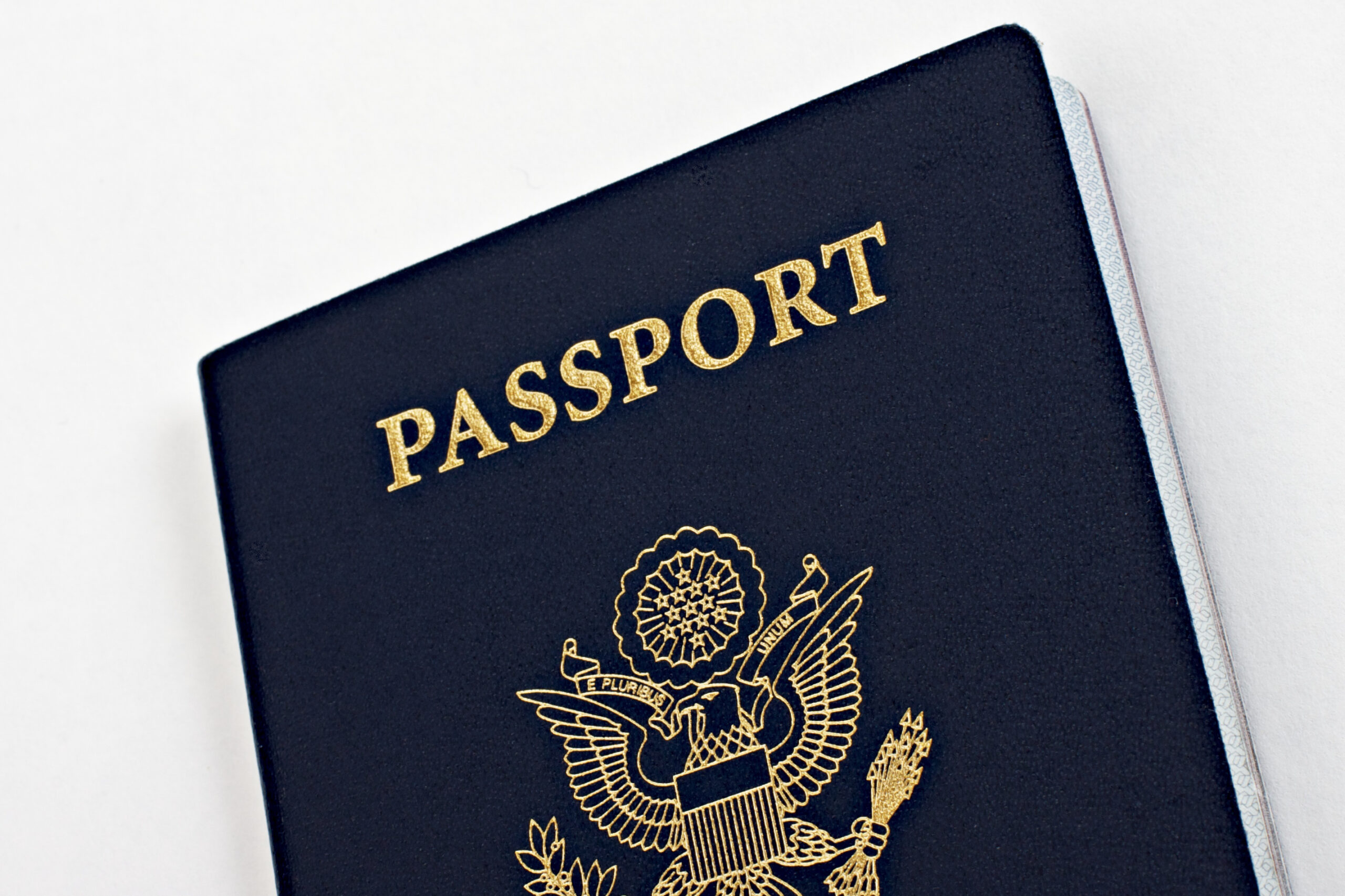
To enter the Republic or Northern Ireland most people would need a passport but there are some exceptions:
- If you’re a UK citizen, official photo identification (such as a driving licence) can still be used for Common Travel Area journeys by land or sea — but as of 2026, airlines flying between Great Britain and Ireland, including Ryanair and Aer Lingus, require every passenger to show a valid passport or Irish Passport Card to board, so bring your passport if you’re flying.
- If you’re an EU citizen, you can also use a national identity card.
Most transportation carriers and airlines will require photo identification which could be a national identity card, a driver’s licence or a passport — but airline rules have tightened, so a passport is now the safest document to carry. A Passport would be required for all visitors not mentioned in the exceptions above.
To be safe, check with your travel agent or airline before travelling.
Visas
Some visitors to Ireland might need a visa to enter but this will depend on your Citizenship.
If you’re a citizen of a European Economic Area (EEA) member state (27 countries of the European Union, together with Iceland, Norway and Liechtenstein) and many other countries including Great Britain, the USA, Australia, Canada and New Zealand, you don’t need a visa to visit the Republic or Northern Ireland.
South African and Botswanan nationals should note that, as of 10 July 2024, Ireland introduced a new visa requirement for these nationalities — the previous visa-free arrangement for the Republic of Ireland no longer applies, and a Short Stay ‘C’ Visit Visa is now needed for tourism. A separate UK visa is still required to enter Northern Ireland. See the Irish Immigration Service’s South Africa Visa Desk for the current application process.
Ireland’s Department of Foreign Affairs and Trade has a full list of countries whose citizens do NOT need a visa to visit Ireland.
You could also contact your local Irish embassy/consulate before you travel to find out your visa requirements.
Also be aware of all entry requirements into The Republic of Ireland and Northern Ireland — for the full, up-to-date rules, see the UK government’s Ireland travel advice.
Money / Currency
Money in Ireland
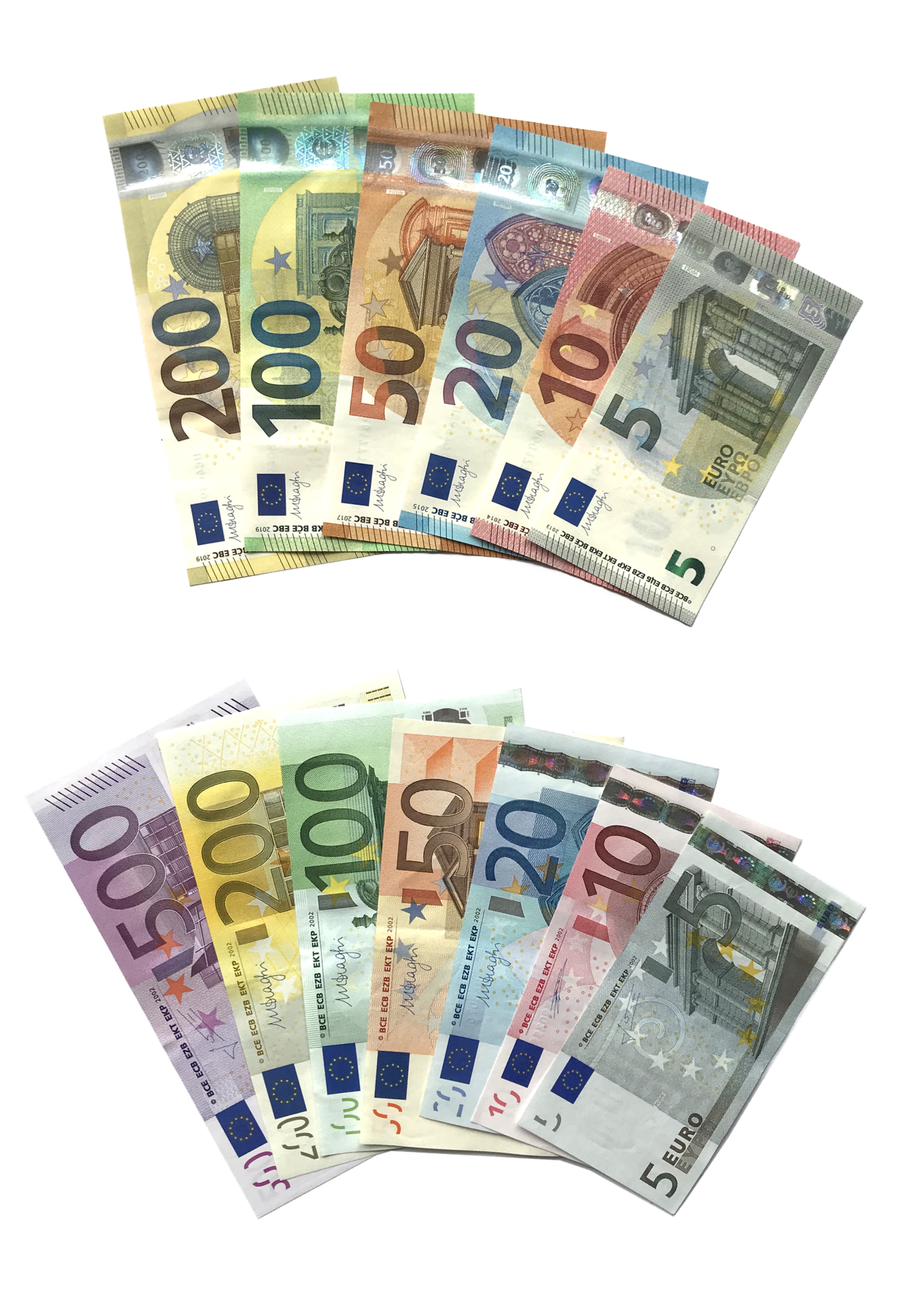
The Republic of Ireland is part of the European Union and as such uses the single European currency known as the euro (€).
Euro notes come in denominations of €5, €10, €20, €50, €100, €200, and €500. The euro is divided into 100 cents; coins come in denominations of €2, €1, 50¢, 20¢, 10¢, 5¢, 2¢, and 1¢.
Northern Ireland is part part of the United Kingdom, Northern Ireland uses the British pound sterling (£).
Unfortunately the British pound is not accepted in the Republic of Ireland and conversely the British Pound is not accepted in Ireland. So, if you are travelling to both parts of Ireland it is important that you have some of both currencies.
It is well advisable to change some currency in your home country where you can go to your local bank and get good exchange rates, well in advance of your visit.
Getting cash when travelling is as easy as going to your local ATM (automated teller machine), these machines are plentiful in most cities and work with most banks. Check your withdrawal limits with your bank before you leave your country and make sure that you remember your PIN. You should also be aware of the fees that might be levied for cash withdrawals.
Another safe way to carry money is payment cards such as credit cards, debit cards, travel cards etc. You should be able to pay at most restaurants and shops with your card.
Visa and MasterCard are the most widely accepted credit cards in Ireland. American Express and Diners Club are accepted by most major hotels, but are less commonly accepted elsewhere.
Traveler’s checks are not widely accepted in Ireland. You’ll probably have to change the checks at a bank and pay a fee for the privilege, so this is not an option that we would recommend.
Travel Insurance
Travel Insurance is a necessity for any overseas trip and the amount you require is related to the amount of risk that you are willing to take on,
What Does Travel Insurance cover and what are the costs?
A packaged policy solution typically costs from 4-10% of your trip cost (more if you’re older or want maximum coverage) and would include coverage for delays or cancellation of trips, medical costs when on your trip, baggage claims etc. You could also add additional coverage like pandemic coverage, medical evacuations and more. The more options you add, the higher the cost of your policy.
There is good news though, a lot of you might already have some coverage.
If you are using a credit card for travel or have homeowners or renters insurance, travel insurance might be already included. Talk to your insurance company and credit card provider to find out what might already be covered.
We recommend purchasing travel insurance for an Ireland vacation package.
If you ever purchase a vacation package or use a tour operator then you should definitely make sure that you have travel insure. An unexpected closure of any travel company leaves many travelers high and dry.
Where to buy Travel Insurance
Trip operators, airlines, cruise companies, even travel agents, offer travel insurance plans, however most of these policies have a mark-up, or the coverage isn’t as good as a third-party insurer. Compare policies before purchasing any insurance and make sure that you have read the contract including the fine print.
A Google search will give you many options including comparison sights and with a little bit of your own research you can get good insurance from a respectable company.
When to buy Travel Insurance?
You can buy travel insurance any time before you depart on your trip but it is best to buy travel insurance just after securing the flights, accommodation or other details of your trip. The reason being that if something happens to the airline or tour company making them go out of business most travel insurance policies cover pre-existing conditions.
Ready to go? Here is The top 10 places to visit in Ireland
☘️ You Might Also Love
64,000 Ireland lovers can’t be wrong.
Every week, our free newsletter delivers hidden gems, seasonal guides, local stories, and practical travel tips — straight to your inbox. Join the community that loves Ireland as much as you do.
Get the free guide
Enter your email and we will send you straight to the download.
Tours & experiences you might love


Powered by Viator. Some links are affiliate links — we may earn a small commission at no extra cost to you.
Secure Your Dream Irish Experience Before It’s Gone!
Planning a trip to Ireland? Don’t let sold-out tours or packed attractions spoil your journey. Iconic experiences like visiting the Cliffs of Moher, exploring the Rock of Cashel, or enjoying a guided walk through Ireland’s ancient past often sell out quickly—especially during peak travel seasons.

Booking in advance guarantees your place and ensures you can fully immerse yourself in the rich culture and breathtaking scenery without stress or disappointment. You’ll also free up time to explore Ireland’s hidden gems and savour those authentic moments that make your trip truly special.
Make the most of your journey—start planning today and secure those must-do experiences before they’re gone!
Harry Fisher
Friday 30th of July 2021
"Unfortunately the British pound is not accepted in the Republic of Ireland and conversely the British Pound is not accepted in Ireland. So, if you are travelling to both parts of Ireland it is important that you have some of both currencies." This bit needs to be checked...sterling and euro can be accepted in Republican/Northern ireland. Needs to be reworded too..