

Irish Surnames from County Galway: Origins, Meanings and Heritage
County Galway holds some of Ireland’s most distinctive family names. If your surname traces to Galway, your name was shaped by Gaelic clans. They farmed the plains of Connacht and fished the Atlantic coast. This guide covers Irish surnames from County Galway — what they mean, where they come from, and what they say about your past.
Free Irish ancestry tool ☘️
Have an Irish surname? Find your ancestral Irish county — we’ll trace your name to where the family originated, with a short note on its history.
Why Galway Names Are So Distinctive
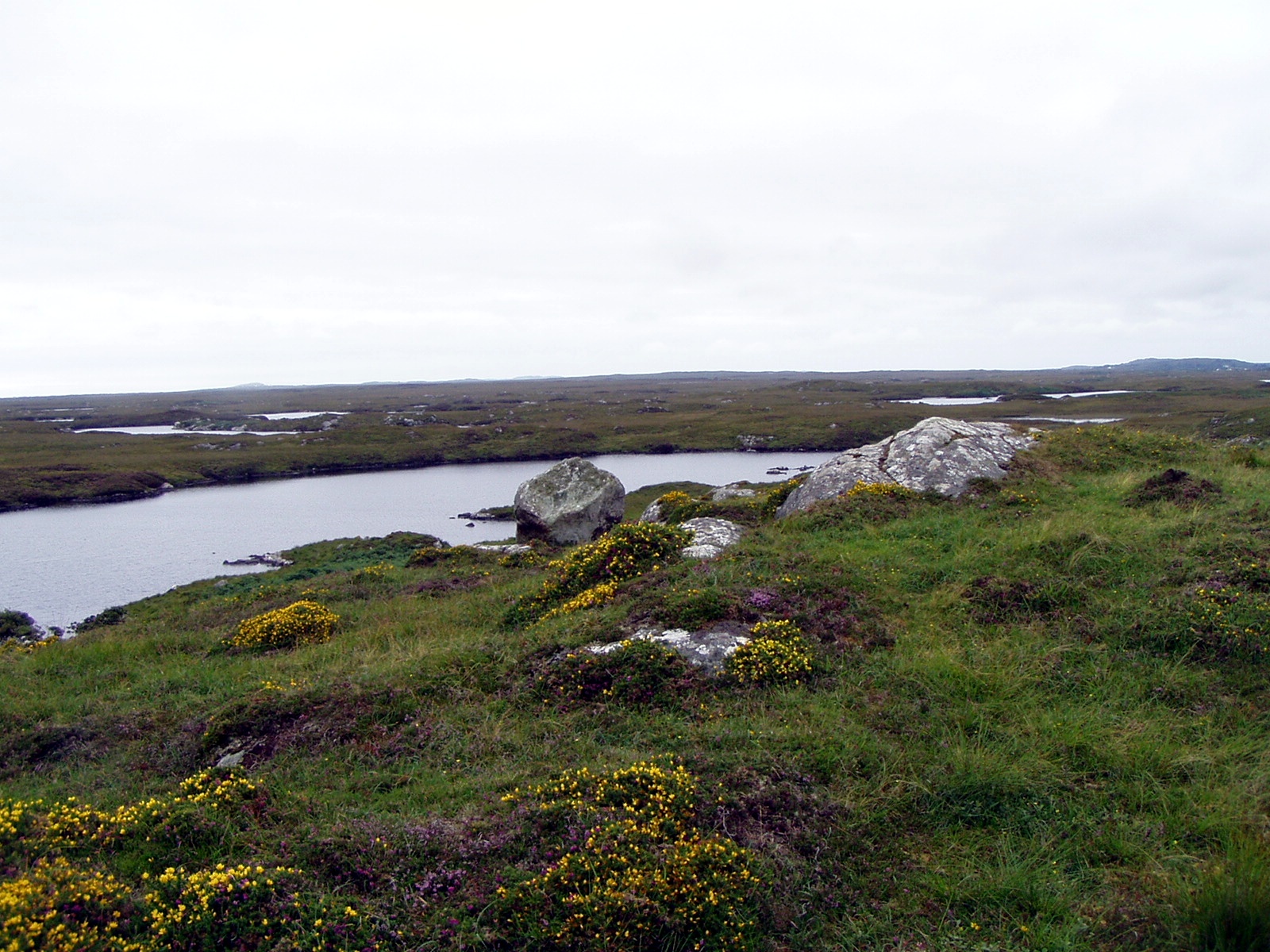
Galway covers over 6,000 square kilometres. It runs from the Atlantic coast to Connemara bog and the flat plains of east Galway. The Aran Islands lie just offshore. For centuries, this was the heart of the old province of Connacht. Great Gaelic clans ruled here. The O’Flahertys, the O’Kellys, and the Hynes were the most powerful.
Watch: Do You Qualify for an Irish Passport?
Tracing your Irish family? If one of your grandparents was born in Ireland, you may be able to become an Irish citizen. This 14-minute guide explains who qualifies, what it costs and how long it takes. Thinking of making the move? Get the free Moving to Ireland checklist.
The Normans arrived in the 12th and 13th centuries. Families such as de Burgo — later Burke — settled in the county. Within a few years, they adopted Irish customs and the Irish language. Ancient Gaelic names now sit beside Norman-Irish names that feel entirely native to the county.
During the Great Famine of the 1840s, an estimated 25,000 people left County Galway. Many sailed from the port of Galway or travelled south to Cobh in Cork. Their children and grandchildren spread across the United States, Canada, Australia, and Britain. About 7 million Americans claim Galway roots.
The Most Common Galway Surnames and Their Origins
Here are the surnames most closely tied to County Galway, with their Gaelic roots and history.
Burke (de Burca)
Burke is the most common surname in County Galway. It comes from the Norman de Burgo family. They arrived in Connacht in the 12th century. Within a few years, they took the Irish form de Burca. By the 14th century, the Burkes ranked among the most powerful lords in the west of Ireland. They held vast estates across Galway and Mayo. Today, Burke ranks 6th most common in all of Ireland — but it clusters most densely in Galway.
O’Flaherty (Ó Flaithbheartaigh)
O’Flaherty means “bright ruler.” The O’Flaherty clan ruled west Connacht for centuries. They held Iar Connacht. The pirate queen Gráinne Ní Mháille (Grace O’Malley) married an O’Flaherty chief. In the 1650s, Cromwell’s forces drove the O’Flahertys off most of their lands. The name lives on today as Flaherty, Flahery, and Laherty.
O’Kelly (Ó Ceallaigh)
Kelly is one of the most common surnames in Ireland. But the O’Kelly clan of east Galway has its own distinct and ancient line. The Ó Ceallaigh family ruled Uí Maine — a kingdom that covered much of east Galway and south Roscommon. Their name means “descendant of Ceallach,” a word meaning “strife.” They made Loughrea, County Galway, their seat of power. They ruled from there for over 400 years.
Lynch
Lynch takes its roots from Galway city. The Lynches were one of the “Tribes of Galway.” These were 14 merchant clans who ran the walled port from the medieval era to the 17th century. Their Norman roots trace to the Old French de la Linche. The family served as Mayor of Galway over 84 times between 1400 and 1654. Lynch’s Castle stands on Shop Street today. Built in the early 16th century, it is one of the finest old town houses in Ireland. A bank now occupies it.
Hynes (Ó hEidhin)
Hynes is one of the most uniquely Galway names in all of Ireland. The Ó hEidhin clan ruled Aidhne in south Galway — the land between the Burren and the Clarin river. The name means “descendant of Eidhin.” The Hynes clan held their ground in south Galway the longest. If your name is Hynes, County Galway is almost certainly where your people came from.
Connelly / Conneely (Ó Conghaile)
Connelly and Conneely both come from the Gaelic Ó Conghaile. The clan lived in the barony of Moycullen, west of Lough Corrib. The name means “descendant of Conghal” — blending words for “hound” and “valour.” On the Aran Islands, Conneely is still among the most common names. Some families on Inis Mór and Inis Oírr have farmed the same land for more than 500 years.
Naughton (Ó Neachtain)
Naughton comes from the Gaelic Ó Neachtain, meaning “pure one.” The Ó Neachtain clan formed part of the O’Kelly sept. They held land in east Galway for centuries. The name appears in many anglicized forms: Naughton, Naghten, and sometimes Norton. English clerks often misread the Gaelic original when they wrote down Famine-era emigrant names.
☘️ Enjoying this? 64,000+ Ireland lovers get stories like this every week. Subscribe free →
The Tribes of Galway: Merchant Clans Who Ran the City
No account of Galway names is complete without the Tribes of Galway. These were 14 merchant clans of Norman or Welsh origin. They ran the walled port from the 13th century until 1652. Cromwell’s forces took the city that year. If your name appears below, your Galway roots may trace to these old trading clans.
- Athy — possibly from Athy in County Kildare.
- Blake — from the Norman name le Blaec (the dark one).
- Bodkin — a Galway family of Norman descent.
- Browne — from the Norman le Brun (the brown-haired one).
- D’Arcy — from Arcy in Normandy, France.
- Deane — from the Old French dehen (valley).
- Font — possibly from the French font (spring or fountain).
- French — a family who came from France.
- Joyce — possibly from the Breton name Iodoc.
- Kirwan — an Irish-Norman family; the name may link to Ciaran.
- Lynch — see above; Mayors of Galway 84 times between 1400 and 1654.
- Martin — from the Latin Martinus (of Mars).
- Morris — from the Latin Mauritius (Moorish).
- Skerrett — an English family who settled in Connacht.
These clans intermarried with Gaelic families across three centuries. A DNA test may show links across more than one of the Tribes. That reflects the dense web of ties that held Galway’s merchant world together.
Connemara and the Aran Islands: The Gaelic Heartland
West Galway — Connemara and the Aran Islands — stayed almost Irish-speaking into the 20th century. Names from this area are among the oldest and most distinctly Irish in the county.
- Conneely (Ó Conghaile) — one of the most common names on the Aran Islands; closely tied to the Connemara coast.
- Flaherty (Ó Flaithbheartaigh) — the ruling clan of western Connacht for centuries.
- Hernon — a family found almost entirely in Connemara and the Aran Islands.
- Faherty (Ó Fathartha) — a Connacht name, clustered in south Connemara.
- Coyne (Ó Cadhain) — closely linked to the south Connemara coast.
- Forde (Mac Giolla na Naomh) — a south Galway and Clare family; English clerks mistranslated their Gaelic name as Ford.
Many of these names appear in Irish-language form in records from Connemara and the Aran Islands. A birth or marriage record from the 1800s in this area may show both the anglicized and Irish-language spelling. That dual form gives useful clues when you search it online.
How to Research Your Galway Family Name
Tracing a Galway name to its roots means working through a few layers of records. These are the best free resources available today.
The 1926 Irish Census
The 1926 Irish Census went online in April 2026 at the free census site. It records over 3 million people across Ireland. You can search by name, county, and townland. If your family left Ireland in the early 20th century, you may find grandparents listed right down to their exact townland in County Galway.
Griffith’s Valuation (1847–1864)
Griffith’s Valuation is a land survey of Ireland. It ran between 1847 and 1864. It lists the head of each house, the land size, and their landlord’s name. You can search it free at the free site. For Galway families, it shows which parishes your ancestors lived in right after the Famine. It is often the most useful snapshot of where a family stood before they left.
Catholic Parish Records
Irish Catholic registers record baptisms, marriages, and burials. In County Galway, some parishes hold records going back to 1783. You can search them free at the site, which covers over 80 Galway parishes. Civil records of births, deaths, and marriages began in 1864. These are also there.
Places in Galway Tied to These Family Names
A visit to County Galway can bring your family history to life. Several sites link directly to the old Gaelic and Norman clans described above.
- Lynch’s Castle, Galway City — the Lynch family’s 16th-century town house on Shop Street. A Bank of Ireland branch now occupies one of the finest old commercial buildings in Ireland.
- Aughnanure Castle, Oughterard — the O’Flaherty clan stronghold. A 15th-century tower house on the River Drimneen, 27 km west of Galway city.
- Portumna Castle, east Galway — Richard Burke, 4th Earl of Clanricarde, built this 17th-century house. One of the last great Burke projects in the county.
- Loughrea — the old capital of the O’Kelly kingdom of Uí Maine. A market town in east Galway with a 14th-century Carmelite friary.
- The Aran Islands — where Conneely, Hernon, and Flaherty clans still hold land their people worked for centuries.
Galway County Archives at their website holds estate records, land leases, and court papers that add to the national genealogy sites. The archive is open to the public by appointment.
To plan your full visit, see our guide to County Galway and our Ireland planning hub. For ancestry research, our guide to tracing Irish roots using free records covers every major database in one place.
Frequently Asked Questions
What is the most common surname in County Galway?
Burke is the most common surname in County Galway, followed by Kelly, Connelly, and Walsh. Burke’s dominance reflects the Norman de Burgo family’s centuries of power over the county’s land and trade.
How do I find out if my Irish surname comes from County Galway?
Start with Griffith’s Valuation (1847–1864). Search it free at askaboutireland.ie. It shows how each surname spreads across county and parish. Names such as Hynes, Conneely, Faherty, and Hernon cluster almost fully in County Galway. That is a sign the county is where your people came from.
Where can I find free genealogy records for County Galway?
Three free sites cover most Galway records. Go to irishgenealogy.ie for Catholic parish records from the 1780s and civil records from 1864. Use census.nationalarchives.ie for the 1926 Census. Check askaboutireland.ie for Griffith’s Valuation from 1847 to 1864. Together, these sites give you a strong base for tracing any Galway name.
What does the Ó prefix in Irish surnames mean?
The prefix Ó (or O’) means “grandson of” or “descendant of.” For example, Ó Flaithbheartaigh means “descendant of Flaitheartach.” Mac or Mc means “son of.” English clerks often dropped both prefixes for centuries under English rule. Modern Irish passports now restore them.
☘️ Join 64,000+ Ireland Lovers
Every weekday morning, get Ireland’s hidden gems, local secrets, and travel inspiration — the kind you won’t find in any guidebook.
Subscribe free — enter your email:
📲 Know someone who’d love this? Share on WhatsApp →
Free forever · Unsubscribe anytime
Tours & experiences you might love


Powered by Viator. Some links are affiliate links — we may earn a small commission at no extra cost to you.
Secure Your Dream Irish Experience Before It’s Gone!
Planning a trip to Ireland? Don’t let sold-out tours or packed attractions spoil your journey. Iconic experiences like visiting the Cliffs of Moher, exploring the Rock of Cashel, or enjoying a guided walk through Ireland’s ancient past often sell out quickly—especially during peak travel seasons.

Booking in advance guarantees your place and ensures you can fully immerse yourself in the rich culture and breathtaking scenery without stress or disappointment. You’ll also free up time to explore Ireland’s hidden gems and savour those authentic moments that make your trip truly special.
Make the most of your journey—start planning today and secure those must-do experiences before they’re gone!