

Every year, tens of thousands of people make the decision to pack up their lives and move to Ireland. Some are diaspora returning to roots they’ve carried across generations. Others are first-time arrivals drawn in by green hills glimpsed on a screen, a holiday that felt unmistakably like coming home, or simply a quiet but persistent feeling that Ireland is where they’re meant to be.
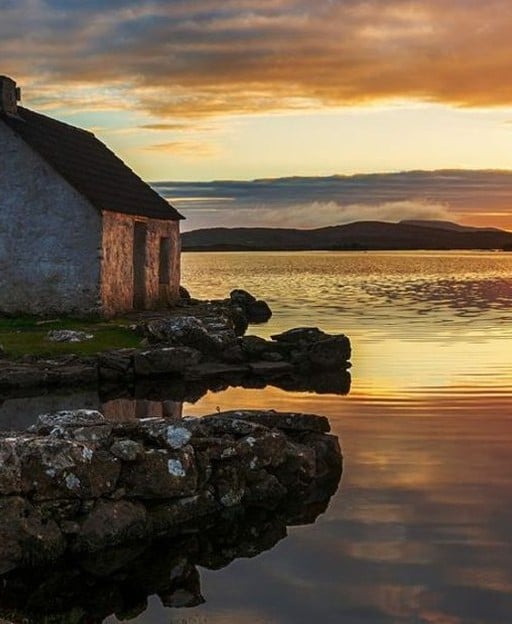
Whatever brings people to Ireland’s shores, one thing tends to happen once they arrive: they stay. Starting a new life in Ireland isn’t always the easiest transition — but for those who make it, it’s rarely one they regret.
Watch: Do You Qualify for an Irish Passport?
If one of your grandparents was born in Ireland, you may be able to become an Irish citizen. This 14-minute guide explains who qualifies, what it costs and how long it takes. Thinking of making the move? Get the free Moving to Ireland checklist.
Why Ireland? The Pull That’s Hard to Explain
Ask someone why they moved to Ireland, and the answers range from the practical to the poetic. The country offers a great deal on paper — access to the European Union, a strong economy in certain sectors, and an English-speaking environment that eases the transition for many nationalities.
But the deeper pull tends to be something else entirely.
🔒 Thinking About It Seriously?
This piece covers the basics. Our premium deep-dive — Is Moving to Ireland Right for You? — goes further: a practical, honest walk-through of visas, housing, healthcare, work and the everyday reality of the move.
🇮🇪 Discover Your Irish Heritage
Join 64,000 people staying connected to their Irish roots. Get our free Irish Ancestry Guide — surnames, counties, parish records and emigration history — when you subscribe free.
Get My Free Irish Ancestry Guide →
Free weekly Ireland stories • 64,000 subscribers • Unsubscribe any time
It’s Not Just the Scenery
Ireland is extraordinarily beautiful — that much is undeniable. The light here changes in ways you don’t quite believe until you’ve seen it yourself: one moment flat and grey, the next golden and otherworldly, glancing off the surface of a lough or silvering the edge of a sea cliff. The Wild Atlantic Way stretches for over 2,500 kilometres of some of the most dramatic coastline in the world. Connemara’s bogs glow amber in autumn. The Burren’s limestone moonscape feels like another planet entirely.
But people who’ve made the move will tell you it’s not the view that keeps them — it’s the texture of daily life.
The Warmth of Irish Community Life
Ireland operates at a human scale. Even Dublin, its largest city, feels manageable in a way that London or New York simply doesn’t. Towns like Westport, Kilkenny, Kenmare, and Dingle are small enough that you’ll know your neighbours within a fortnight, but vibrant enough to have excellent restaurants, music sessions, festivals, and a genuine sense of cultural life.
The Irish welcome is not a tourist-board invention. It’s a lived, daily experience — the chat in the queue at the post office, the way a stranger in a pub will pull you into a conversation about something entirely unexpected, the neighbours who appear with a casserole when they sense you’re still finding your feet.
For diaspora returning home, this warmth can feel almost overwhelmingly familiar, like a memory in the body rather than the mind. For those arriving from abroad with no ancestral ties, it can feel equally profound — a sense of being received rather than merely tolerated.
Where to Consider Starting a New Life in Ireland
Where you put down roots will shape your experience of Ireland more than almost any other decision. The country is small enough to feel intimate but varied enough that the choice genuinely matters.
The Wild West — Galway, Clare, and Connemara
If your vision of Ireland involves waking to the sound of Atlantic wind and spending evenings in a trad session, the west is for you. Galway city has a youthful, creative energy — it was a European Capital of Culture in 2020 and punches well above its size in music, food, and the arts. County Clare offers the jaw-dropping Cliffs of Moher, the otherworldly Burren, and the lively traditional music village of Doolin. Connemara is for those who want quiet: lakes, mountains, the Irish language still spoken in daily life, and a landscape that will unsettle your sense of what beautiful means.
The Peaceful South — Cork, Kerry, and Waterford
Ireland’s second city, Cork, has a fierce civic pride and a food culture that would be remarkable in any country. The English Market is a daily institution. The surrounding county — from Kinsale’s harbour to the Beara Peninsula — is achingly lovely. Kerry is all sweeping views and Dingle charm. Waterford, Ireland’s oldest city, is quieter and increasingly sought-after by those who want heritage and community without the price tags of Dublin or Cork.
The Capital and Beyond — Dublin and the Commuter Counties
Dublin is Ireland’s economic engine and, for many new arrivals, the natural landing point. It’s international, well-connected, and home to the majority of Ireland’s job opportunities. Many people who start in Dublin eventually migrate to the commuter counties — Kildare, Meath, and Wicklow — finding the midpoint between a Dublin income and a slower, more spacious life.
Wicklow, just south of the capital, deserves particular mention. It’s been called the Garden of Ireland, and not without reason. Mountains, river valleys, historic estates, and some of the finest walking in the country — all within an hour of Dublin.
The Honest Realities of Starting a New Life in Ireland
No guide to starting a new life in Ireland would be complete without some honesty about what the transition actually involves.
The Pace of Life Is Different — and That’s the Point
Ireland moves at its own speed. This is part of its charm and, occasionally, its frustration. Things take longer. Bureaucracy can be circular. The Irish concept of “sure, it’ll be grand” reflects a genuine cultural attitude towards urgency — or, often, its absence. For those arriving from fast-paced urban environments, this adjustment can feel disorienting at first and deeply liberating over time.
Learning to be present — to have the conversation rather than hurrying past it, to linger over a meal, to stop and watch the light change over the hills — is, for many people, the unexpected gift that Ireland gives them.
Housing and the Cost of Living
Ireland’s housing market is tight, particularly in Dublin and the major cities. Rents have risen sharply in recent years, and finding long-term accommodation requires patience and persistence. That said, once settled — whether renting or buying — the day-to-day cost of living outside the cities can be considerably more manageable, and the quality of life tends to more than compensate.
The country has an excellent public healthcare system, good public transport in urban areas, and a strong tradition of local enterprise that means most towns of any size have what you need for a comfortable daily life.
Finding Your Community in Ireland
One of the most overlooked aspects of starting a new life in Ireland is how quickly community forms around shared interest. Joining a local choir, a historical society, a walking club, or simply becoming a regular at a particular café or farmers’ market — these are the mechanisms by which strangers become neighbours. Ireland has a strong tradition of voluntary community life, and newcomers who engage with it tend to find belonging far more quickly than those who keep to themselves.
If you’re arriving with Irish ancestry — whether your connection is a grandparent’s stories or a recently traced genealogy — the sense of homecoming can be profound. Many counties run heritage and diaspora programmes specifically to welcome people back, and the connection you feel to the landscape, the music, and the culture may surprise you in its depth.
Taking the First Steps Towards Starting a New Life in Ireland
If you’re seriously considering making the move, the practical groundwork matters. Understanding the visa and residency requirements relevant to your nationality is an essential early step — there’s a detailed guide to moving to Ireland from the USA, including visas and residency options, already on the site for American readers. For those still at the exploratory stage, our Ireland trip planning hub is an excellent place to begin understanding what each region of the country has to offer before you decide where you might want to settle. And if you want more perspectives on what the move actually feels like once the boxes are unpacked, our guides on what really draws people to make the move and what nobody tells you before you make the move go deeper into the emotional and practical sides of relocating.
But perhaps the most useful advice is simply this: visit first. Spend time in the places you’re considering. Walk the streets in the rain. Have a meal. Sit in a pub on a Tuesday night and pay attention to what happens around you. Ireland reveals itself slowly, and that slow revealing is part of its particular magic.
When the moment comes that it feels less like visiting and more like arriving — that, for most people, is when they know.
☘️ Join 64,000+ Ireland Lovers
Every Friday, get Ireland’s hidden gems, local secrets, and travel inspiration — the kind you won’t find in any guidebook.
Free forever · One email per week · Unsubscribe anytime
Tours & experiences you might love


Powered by Viator. Some links are affiliate links — we may earn a small commission at no extra cost to you.
Secure Your Dream Irish Experience Before It’s Gone!
Planning a trip to Ireland? Don’t let sold-out tours or packed attractions spoil your journey. Iconic experiences like visiting the Cliffs of Moher, exploring the Rock of Cashel, or enjoying a guided walk through Ireland’s ancient past often sell out quickly—especially during peak travel seasons.

Booking in advance guarantees your place and ensures you can fully immerse yourself in the rich culture and breathtaking scenery without stress or disappointment. You’ll also free up time to explore Ireland’s hidden gems and savour those authentic moments that make your trip truly special.
Make the most of your journey—start planning today and secure those must-do experiences before they’re gone!