

There was one house in almost every Irish townland where people didn’t knock. They simply walked in, pulled a chair close to the fire, and stayed until midnight. No invitation was needed. The fire was always lit. The welcome was always there.
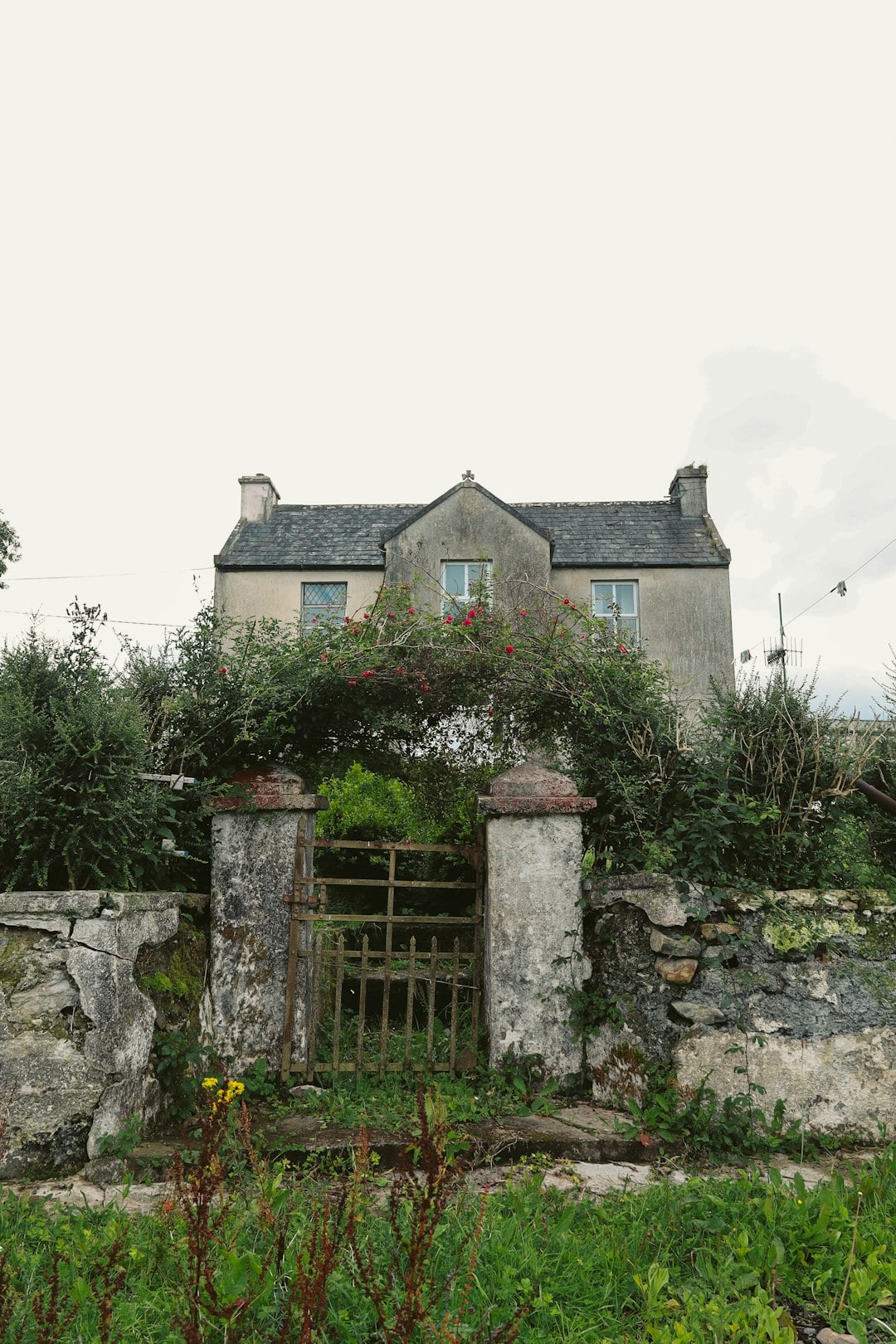
The Rambling House
Every rural community had one. It went by different names depending on where you were — the rambling house, the céilí house, or in Irish, the teach airneáin. The house didn’t earn its status by being the grandest on the road. It earned it because the family who lived there had a gift: the gift of conversation, of hospitality, and of knowing how to hold a room.
Neighbours would gather there each evening after supper. Some came for the chat. Others came for the songs. A few came hoping to catch a story from an elder who knew the old tales by heart.
These gatherings weren’t organised. Nobody sent an invitation. People simply appeared at the door — young men, grandmothers, children, farmers home from the fields — and settled in for the evening.
What Happened Around the Fire
The hearth was the centre of it all. Chairs and stools were arranged in a circle around the open fire. Talk would start with the day’s news — a cow lost, a fence knocked, a letter arrived from America. Then it would deepen.
The sean’chaí (storyteller) of the area might be there, carrying tales from the ancient cycles — stories of heroes, spirits, and the hidden world of the Sídhe. Other nights, an older neighbour would take the floor with something half-remembered from their own grandparents.
Songs were not performed — they were called for. Someone would lean over and say “Give us a song” to a particular person, and that person was expected to offer one. There was no applause at the end. The silence that followed a well-sung verse was the highest compliment.
Children were allowed to listen from the edges of the room. Nobody spoke to them directly. But they absorbed everything.
Why One House and Not Another?
Not every house became a rambling house. Many had the space. Many had willing families. But the house that drew the community had something harder to name.
Often it was the seniority of the household — an older couple, well-respected, who had heard everything and forgotten nothing. Sometimes it was the personality of a single person who could keep conversation alive and guide it away from trouble.
The family received nothing in return except company. No payment. No obligation beyond a cup of tea and, occasionally, a heel of bread. The arrangement was built entirely on trust and tradition.
☘️ Enjoying this? 64,000+ Ireland lovers get stories like this every week. Subscribe free →
The Stories That Kept Communities Alive
The rambling house did more than entertain. It was how knowledge moved between generations.
Older neighbours shared signs for reading the weather. They explained which plants could treat a fever. They named the families who had farmed that land before the current generation. They remembered where the fairy path ran through the fields and which trees should never be cut.
If someone in the townland hadn’t appeared at the rambling house for three nights running, people noticed. Someone would call at their door. The nightly gathering was also, quietly, a welfare system.
It was here that young people met under the watchful but relaxed gaze of their elders. Courtship happened by proximity — sitting next to the same person each night, walking home along the same road afterwards. Life moved slowly, and the rambling house was where the slow rhythm of it was shared. It carried the same communal spirit you can still glimpse today at a traditional trad session in a small country pub.
The Night the Fire Went Out
The rambling house didn’t end in one dramatic moment. It faded.
Television arrived in rural Ireland through the 1960s. By the end of that decade, the evenings had changed. People stayed in their own homes, watching the screen in silence, alone together.
Within a single generation, a gathering tradition that had sustained Irish rural life for centuries was gone. The stories stopped circulating. The songs stopped being called for. The door that had never been locked was, at last, shut.
In 1937 and 1938, the Irish Folklore Commission sent schoolchildren across the country to write down what their grandparents and neighbours remembered. That archive — over 740,000 pages of handwritten folklore — is freely available online today. Much of what it contains came directly from the rambling house. It is the written record of a world that stopped existing before most of us were born.
The tradition survives in fragments. Some céilís and fleadh events carry the same spirit. And if you visit the right corner of Connacht or Munster, you might still find a kitchen where the door is open and the talk runs long into the night. If you’re planning a trip and want to experience the Ireland that still lives beneath the surface, our Ireland travel planning guide is the place to start.
Ireland is still that country, in places. You just have to know where to look.
☘️ You Might Also Love
☘️ Your Irish family has a story waiting to be found.
Discover where your Irish ancestors came from — their county, their name, their story. Our free step-by-step guide walks you through every record, DNA tool, and ancestry archive. No experience needed.
Already subscribed? Download your free Ireland guide (PDF)
Love more? Join 43,000 Scotland lovers → · Join 30,000 Italy lovers → · Join 7,000 France lovers →
Free forever · · Unsubscribe anytime
Tours & experiences you might love


Powered by Viator. Some links are affiliate links — we may earn a small commission at no extra cost to you.
Secure Your Dream Irish Experience Before It’s Gone!
Planning a trip to Ireland? Don’t let sold-out tours or packed attractions spoil your journey. Iconic experiences like visiting the Cliffs of Moher, exploring the Rock of Cashel, or enjoying a guided walk through Ireland’s ancient past often sell out quickly—especially during peak travel seasons.

Booking in advance guarantees your place and ensures you can fully immerse yourself in the rich culture and breathtaking scenery without stress or disappointment. You’ll also free up time to explore Ireland’s hidden gems and savour those authentic moments that make your trip truly special.
Make the most of your journey—start planning today and secure those must-do experiences before they’re gone!
Subscribe Free