

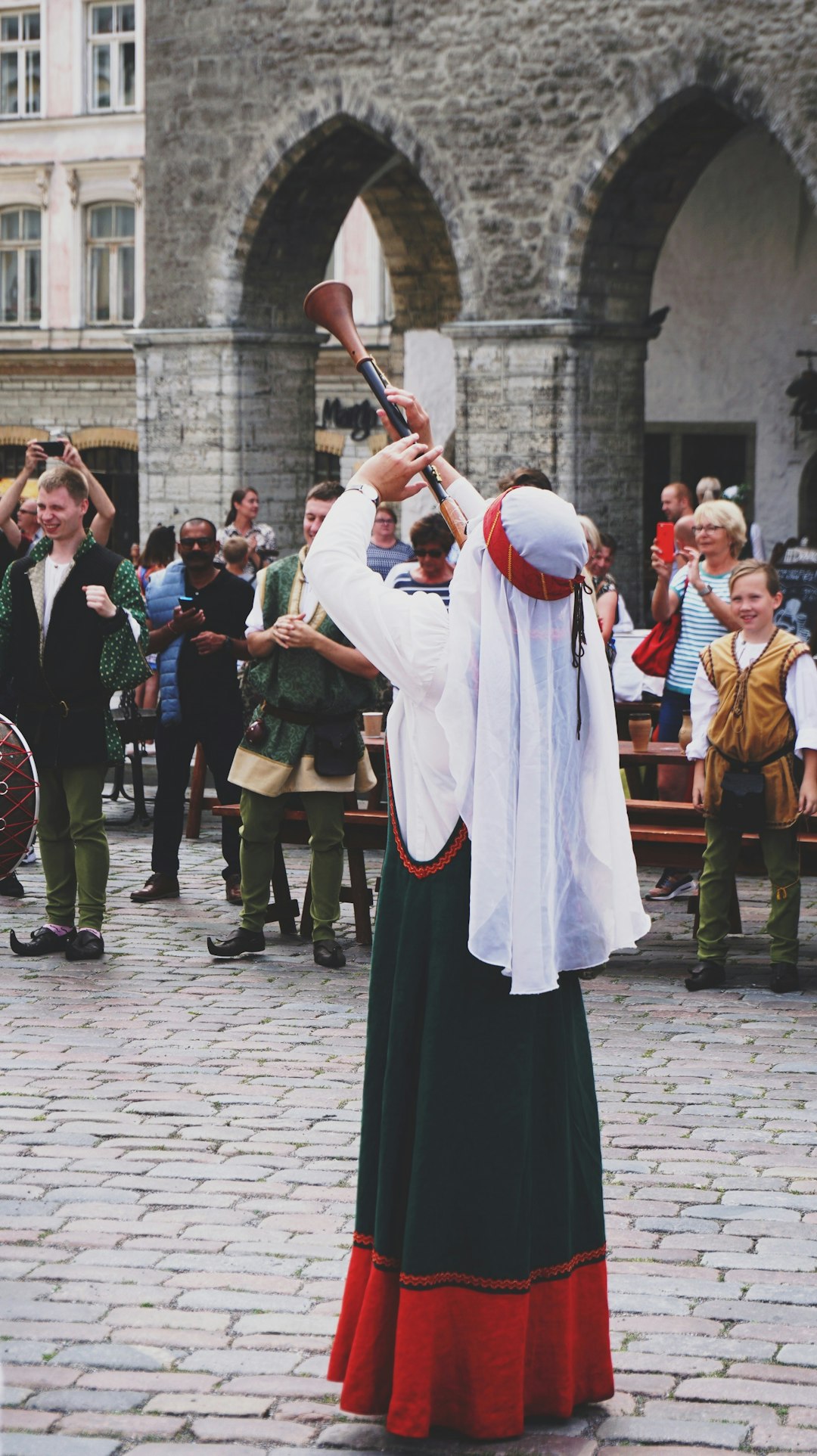
Walk into a parish hall in County Clare on a Friday night, and you might find three hundred people doing something that looks ancient and feels like a secret. Eight people stand in a square. A fiddle strikes up a reel. Suddenly, everyone is moving. What you are watching is set dancing — the most social, most democratic, and most misunderstood tradition in Irish culture.
The Dance That Sailed From France
Set dancing did not begin in Ireland. It arrived via the British military in the early 1800s, carrying a French dance called the quadrille.
The quadrille had swept through Paris ballrooms after the Revolution — four couples in a square, following a sequence of figures, calling each move as they went. When soldiers returned from fighting in France, the dance came with them.
It crossed the Irish Sea not as a borrowed curiosity but as a possibility. Within a generation, it was Irish.
How Eight People and a Reel Changed Everything
Irish musicians did not play quadrilles the French way. They played what they knew — jigs, reels, polkas, and slides — and the dancing followed suit.
The formal, minuet-paced figures were stripped back. The music sped up. The steps became looser and more grounded, closer to the earth than the air. Different counties developed their own variations. The Clare set, the Connaught set, the Caledonian, the Lancers — each one a regional dialect in the same language.
A Kerryman and a Clareman dancing the same figure would recognise each other’s version but not mistake it for their own. This was not imported culture. It had become something genuinely Irish.
Just as crossroads dancing shaped the social lives of rural communities, set dancing gave every parish its own living tradition — one that required no stage, no audience, and no special invitation.
☘️ Enjoying this? 64,000+ Ireland lovers get stories like this every week. Subscribe free →
When the Church Said Stop
Set dancing was not always welcome. In the 1930s, the Catholic Church campaigned against what it called dangerous occasions of sin — meaning unsupervised young people dancing together in kitchens, barns, and at crossroads.
Dance halls were regulated by the Public Dance Halls Act of 1935. House dances became officially frowned upon. The competitive step dancing promoted by Irish dancing organisations — controlled, formal, and performed for an audience — was deemed more respectable than the social sets.
Set dancing slipped quietly into the margins. Not out entirely. Just quieter.
The County That Never Forgot
County Clare refused to let it go. Through the decades of official disapproval, sets survived in Clare kitchens and rural pubs, passed from parents to children the way recipes and prayers were passed — without a book, without a teacher, without a stage.
When the revival movement came in the 1980s, Clare was ready. Teachers began systematically documenting and teaching the sets that had survived. They gathered the older dancers who still knew the figures and they taught anyone who wanted to learn.
The Willie Clancy Summer School, held every July in Miltown Malbay, became the heartbeat of the revival. Today it draws thousands of dancers from across the world. The music spills out of pubs and into the streets. If you want to understand why a traditional Irish session can stop a room cold, Miltown Malbay in July is a good place to start.
What Makes It Different From Everything Else
Set dancing is not Riverdance. Nobody watches. Nobody performs. You join a set of eight people, find your position, and you are in.
Mistakes draw laughter, not shame. Age does not matter. When the music starts, a farmer in his sixties and a visitor from Chicago are doing the same thing at the same pace to the same tune. For the duration of the dance, they are the same.
That has always been the point. Irish set dancing survived because it was never about performance. It was about the eight people in your square. When you plan a trip to Ireland, look for a set dancing night in Clare or Kerry. Nothing tells you more about how this country actually works.
If you get the chance to join a set, say yes before you think about it. The figures take a few turns to learn, and a few more before your feet believe them. But by the end of the night, you will not be wondering what the steps are.
You will be asking when the next session is.
Frequently Asked Questions
What is the historical significance of Social Dance That Ireland Claimed as Its Own?
This is one of Ireland’s fascinating historical and cultural stories — a reminder of the depth of Irish heritage that extends far beyond the better-known landmarks. These hidden histories are what make exploring Ireland so rewarding for curious visitors.
Where in Ireland can you learn more about this history?
Ireland’s network of local museums, heritage centres, and county archives hold remarkable collections of local history. The National Museum of Ireland (nationalmuseum.ie) and the National Library of Ireland also maintain extensive records of Irish cultural heritage.
Is this part of Irish culture still visible today?
Many aspects of Ireland’s ancient and folk culture are still visible if you know where to look. Local guides, heritage walks, and community festivals often reveal these hidden layers of Irish life that most tourists never see.
How does this story connect to modern Irish identity?
Irish people have a strong sense of connection to their heritage, and stories like this one are part of the cultural fabric that shapes modern Irish identity. The Irish language, traditional music, and folk customs all carry echoes of this long history.
☘️ Join 64,000+ Ireland Lovers
Every Friday, get Ireland’s hidden gems, local secrets, and travel inspiration — the kind you won’t find in any guidebook.
Subscribe free — enter your email:
Get the free guide
Enter your email and we will send you straight to the download.
Love more? Join 43,000 Scotland lovers → · Join 30,000 Italy lovers → · Join 7,000 France lovers →
Free forever · · Unsubscribe anytime
Tours & experiences you might love


Powered by Viator. Some links are affiliate links — we may earn a small commission at no extra cost to you.
Secure Your Dream Irish Experience Before It’s Gone!
Planning a trip to Ireland? Don’t let sold-out tours or packed attractions spoil your journey. Iconic experiences like visiting the Cliffs of Moher, exploring the Rock of Cashel, or enjoying a guided walk through Ireland’s ancient past often sell out quickly—especially during peak travel seasons.

Booking in advance guarantees your place and ensures you can fully immerse yourself in the rich culture and breathtaking scenery without stress or disappointment. You’ll also free up time to explore Ireland’s hidden gems and savour those authentic moments that make your trip truly special.
Make the most of your journey—start planning today and secure those must-do experiences before they’re gone!
Subscribe Free