

On summer evenings across rural Ireland, long before television, the music started at the crossroads. A fiddle, a melodeon, perhaps a tin whistle. And people came — from farms and cottages, from three miles in every direction — to dance in the open air.
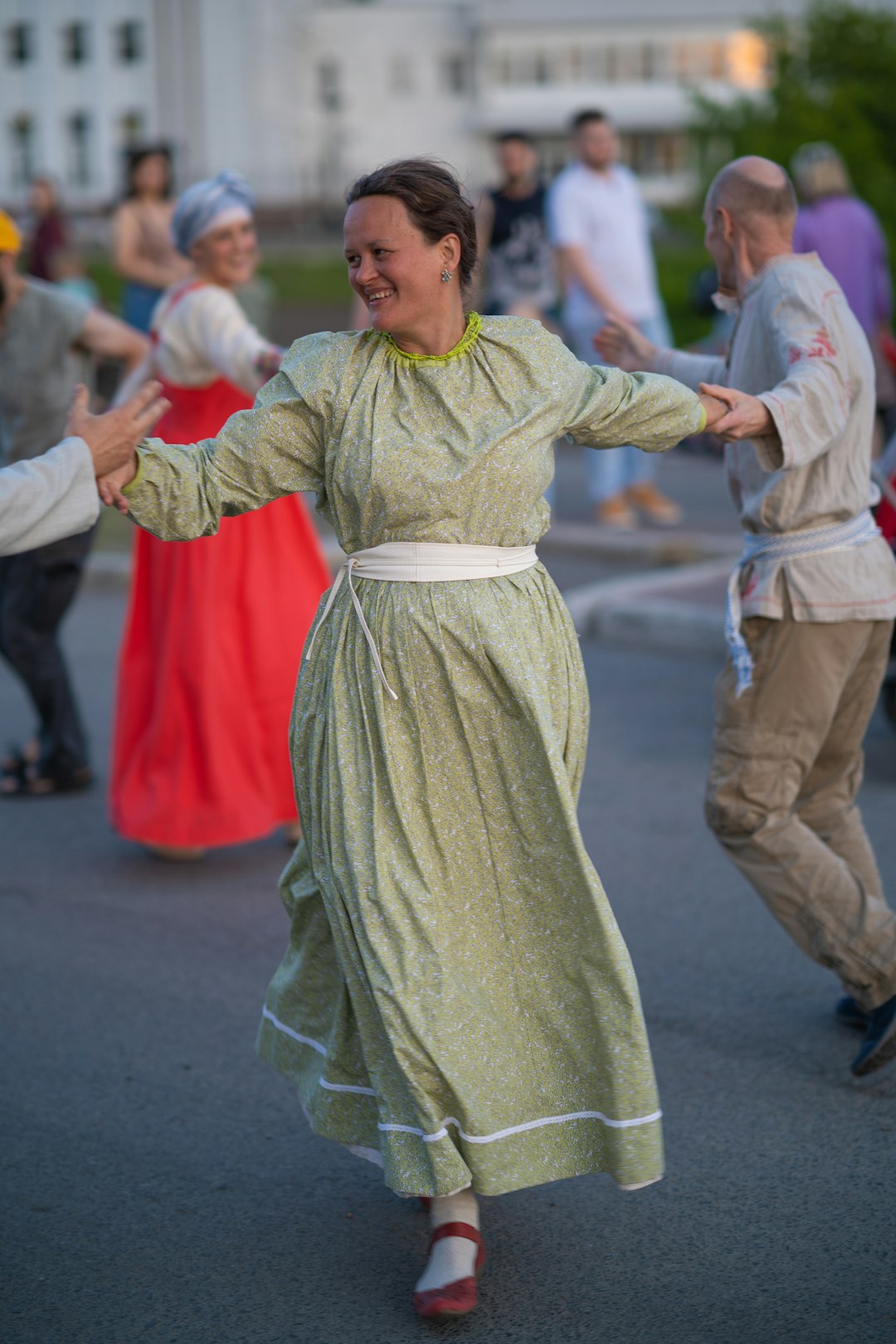
What Actually Happened at a Crossroads Dance
There was nothing grand about it. No tickets, no stage, no roof. A musician would arrive at the flat ground where two roads met — the natural gathering point of any parish — and the music would start. Word spread through the townland in the way it always had: face to face.
The dances themselves were céilí dances: sets, reels, jigs. Couples and groups moved together in formations passed down through generations. Grandmothers watched from the grass verge. Children darted between adults. The musicians played without being paid.
It lasted until dark. Sometimes longer.
Who Came and Why
Crossroads dances drew the whole parish. In communities where people lived on isolated farms and saw their neighbours mainly at mass and market, the crossroads dance was a social event of real importance.
In parts of County Clare, Kerry, Connemara, and Mayo, where the population was spread thinly across a wide landscape, these gatherings were one of the few occasions when a community assembled simply for pleasure.
The music was the excuse. The gathering was the point.
When the Law Changed
In 1935, the Public Dance Halls Act introduced a licensing requirement for all public dances. Licences applied to premises — buildings. A crossroads, by definition, was neither supervised nor licensable.
The Act was driven by concerns about unsupervised mixing at public events, about public order, and about untaxed gatherings. Dance halls — supervised, taxed, and enclosed — were the preferred model.
Crossroads dancing became, almost overnight, technically illegal.
☘️ Enjoying this? 64,000+ Ireland lovers get stories like this every weekday morning. Subscribe free →
What Rural Communities Actually Did
They kept dancing.
Not loudly or defiantly. Simply because the music was there and the tradition was there. In remote parishes in Clare, Kerry, Galway, and Mayo, the gatherings continued. Some moved to kitchens and barns, some to quiet fields. The social instinct behind it — the need to gather at a fixed point, to move together to music — did not disappear because a statute made it inconvenient.
You can read more about how this folk culture survived in the story of sean-nós singing, which faced similar pressures and endured in much the same way.
How It Ended — and Why
By the late 1950s, crossroads dancing had largely faded. Not from crackdowns, but from change. The dance halls had won. Rural depopulation was thinning the communities. The transistor radio arrived. Television followed not far behind.
The specific pleasure of the crossroads — the night air, the music travelling across a dark field — could not survive the combination of legal pressure, emigration, and modernity.
Those who had danced there in their youth still speak of it differently to other memories. There was an unceremonious quality to it that the dance hall never quite replaced.
What It Says About Ireland
The crossroads dance endured as long as it did because it was never about spectacle. Nobody performed. Nobody organised. Music happened, and people gathered around it, and the gathering became the occasion.
That instinct is still alive in Ireland — in the trad sessions in small pubs, in the fleadh festivals that draw entire towns together, in the way a good summer evening can still turn into music without anyone planning it.
If you are planning a trip to Ireland, look for the places where music still gathers people rather than entertains them. They exist — in Clare, in Kerry, in Connemara. They always have.
Drive through a rural crossroads on a summer evening and you will see nothing but road signs and stone walls. But the tradition was real, and the people who kept it going longer than anyone expected were simply refusing to let a good thing disappear without a fight.
☘️ You Might Also Love
Tours & experiences you might love


Powered by Viator. Some links are affiliate links — we may earn a small commission at no extra cost to you.
Secure Your Dream Irish Experience Before It’s Gone!
Planning a trip to Ireland? Don’t let sold-out tours or packed attractions spoil your journey. Iconic experiences like visiting the Cliffs of Moher, exploring the Rock of Cashel, or enjoying a guided walk through Ireland’s ancient past often sell out quickly—especially during peak travel seasons.

Booking in advance guarantees your place and ensures you can fully immerse yourself in the rich culture and breathtaking scenery without stress or disappointment. You’ll also free up time to explore Ireland’s hidden gems and savour those authentic moments that make your trip truly special.
Make the most of your journey—start planning today and secure those must-do experiences before they’re gone!