

In almost every Irish home, there was a room you could smell before you entered. Faintly musty, unnaturally still. Net curtains that never moved. This was the good room — and it was not for you.
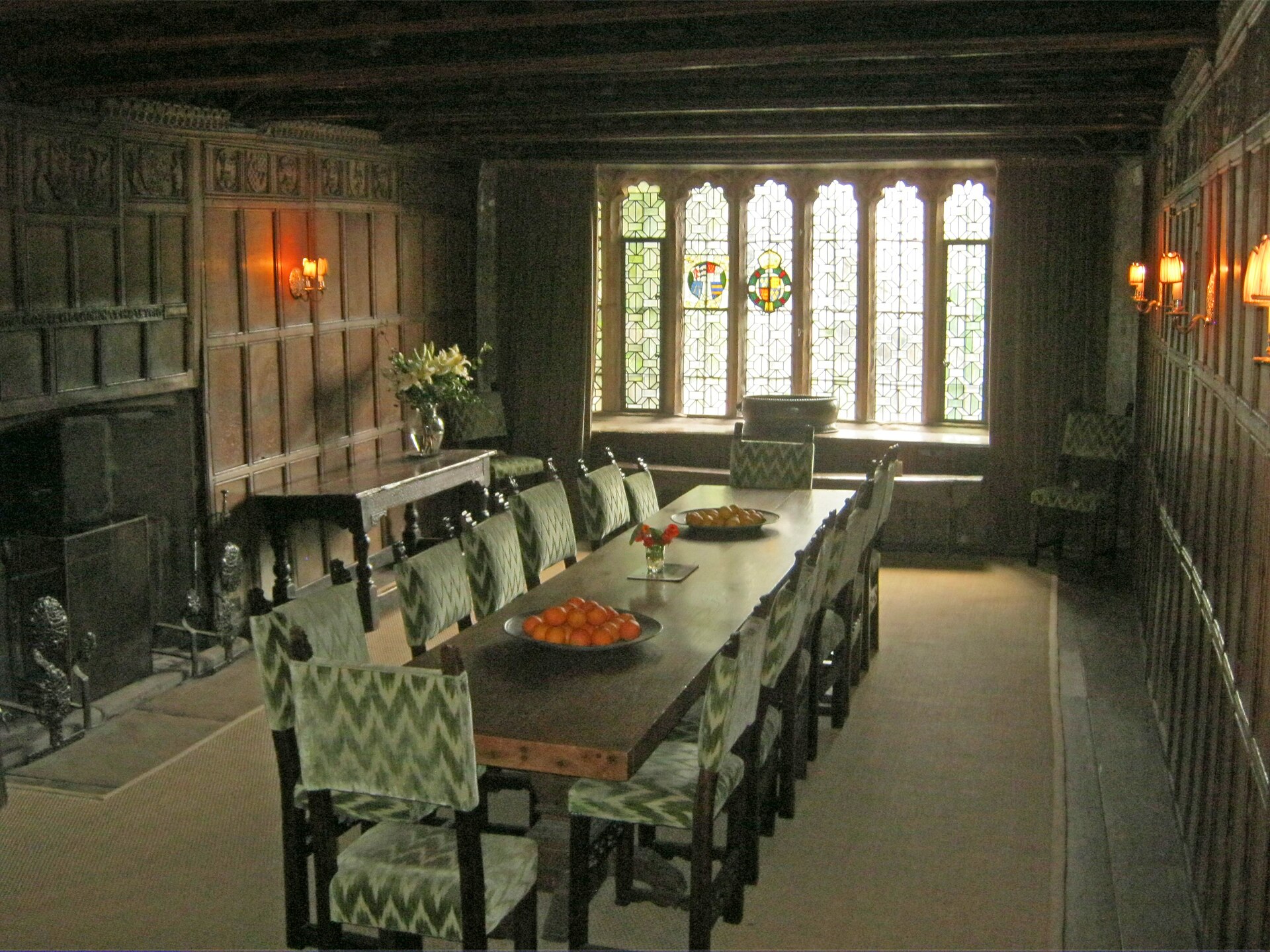
The Room That Told the World Who You Were
The good room — or parlour — sat at the front of the house. Best furniture. Best china behind glass. A statue of the Sacred Heart, or the Virgin Mary, placed with care on the mantelpiece.
Sometimes a framed photograph of a dead relative who looked out from the wall with polite authority. The fire, if one was laid, was lit perhaps three times a year.
The hierarchy of visitors was precise. Ordinary neighbours got the kitchen. Salesmen stood at the door. The good room was reserved for the priest on his annual visit, the doctor making a house call, or for the solemn necessity of a wake. It was not for daily life. It was for occasions.
The Rules Nobody Spoke Out Loud
Children were not to enter unsupervised. Muddy boots were unthinkable. Playing was entirely out of the question. Sitting on the good room chairs meant leaving them disturbed — and disturbed chairs meant someone had been in there, and that was not done.
In some homes, the three-piece suite was wrapped in protective plastic covers. The good china lived behind glass, polished and never used. The carriage clock on the mantelpiece ticked to no one. Cushions plumped. Curtains straight. Everything waiting.
The room was kept not for use, but for readiness. Ready for the moment — and it had to be perfect when that moment came.
Why a Spare Room Was Never Really Spare
For much of Irish history, life was lived close to the edge. Many families had little. Having a room that existed solely for appearances was, paradoxically, a form of wealth. It said: we have enough to keep something in reserve.
There was also the Irish relationship with respectability — particularly in front of authority. The priest was the most important visitor imaginable. The good room said that the family took standards seriously.
Keeping it pristine was a year-round act of preparation for a visit that might never come. And yet it was always ready.
☘️ Enjoying this? 64,000+ Ireland lovers get stories like this every week. Subscribe free →
The Good Room and the Irish Mammy
The custodian of the good room was almost always the mother of the house. She hovered at its threshold, guarding access. She hoovered it weekly, dusted it regularly, and used it almost never.
It was her standard and her pride. The good room reflected on her, and she maintained it accordingly. Visitors who were shown in there understood, instinctively, that this was a mark of respect — and of effort.
When the family grew up and moved away, the good room went with them in memory. It became shorthand for a particular kind of Irish upbringing — where certain things were kept good, where certain standards were held.
What the Good Room Looked Like
The exact contents varied by decade and county, but certain objects appeared with near-universal regularity. A three-piece suite in dralon or velvet, rarely sat on. A china cabinet with wedding-gift crockery, never opened. A sideboard with family photographs in silver-plated frames.
A religious image or statue on the mantelpiece. Net curtains that filtered the light to a careful dimness. A smell of polish and something close to reverence.
In later decades, a television might appear in the corner — switched on only for significant occasions. The good room was separate from the communal life of the kitchen, where families once gathered by firelight to talk, argue, and court. The good room was apart. It was preserved.
Where the Good Room Lives Now
As Ireland modernised through the 1980s and 1990s, the good room began to disappear. Open-plan homes made a sealed parlour impractical. Central heating ended the old geography of rooms arranged around a single source of warmth. Informality became a value in itself.
If you are planning a trip to Ireland and want to understand what shaped its people, start with our complete Ireland planning guide — a country’s soul is always in its small, unspoken customs.
Today the good room exists mainly in memory. Mention it to anyone who grew up in Ireland between the 1950s and 1980s and watch their expression shift — recognition first, then something warmer. They will tell you exactly what theirs smelled like.
That specific smell. That particular stillness. A whole childhood in a room they were barely allowed to enter.
If you ever find yourself in an older Irish home and are shown into the front room — the one that is slightly cooler, a little quieter, very clean — understand what that means. You are not just a visitor. You are an occasion.
☘️ You Might Also Love
Tours & experiences you might love


Powered by Viator. Some links are affiliate links — we may earn a small commission at no extra cost to you.
Secure Your Dream Irish Experience Before It’s Gone!
Planning a trip to Ireland? Don’t let sold-out tours or packed attractions spoil your journey. Iconic experiences like visiting the Cliffs of Moher, exploring the Rock of Cashel, or enjoying a guided walk through Ireland’s ancient past often sell out quickly—especially during peak travel seasons.

Booking in advance guarantees your place and ensures you can fully immerse yourself in the rich culture and breathtaking scenery without stress or disappointment. You’ll also free up time to explore Ireland’s hidden gems and savour those authentic moments that make your trip truly special.
Make the most of your journey—start planning today and secure those must-do experiences before they’re gone!