

There is a style of Irish dancing that has no stage, no costume, and no fixed steps. It is older than Riverdance, older than competitive Irish dancing, and arguably the most honest form of movement in the Irish tradition. Most visitors to Ireland never see it. Many Irish people have never seen it either.
It is called sean-nós dance — and every dancer performs it differently.
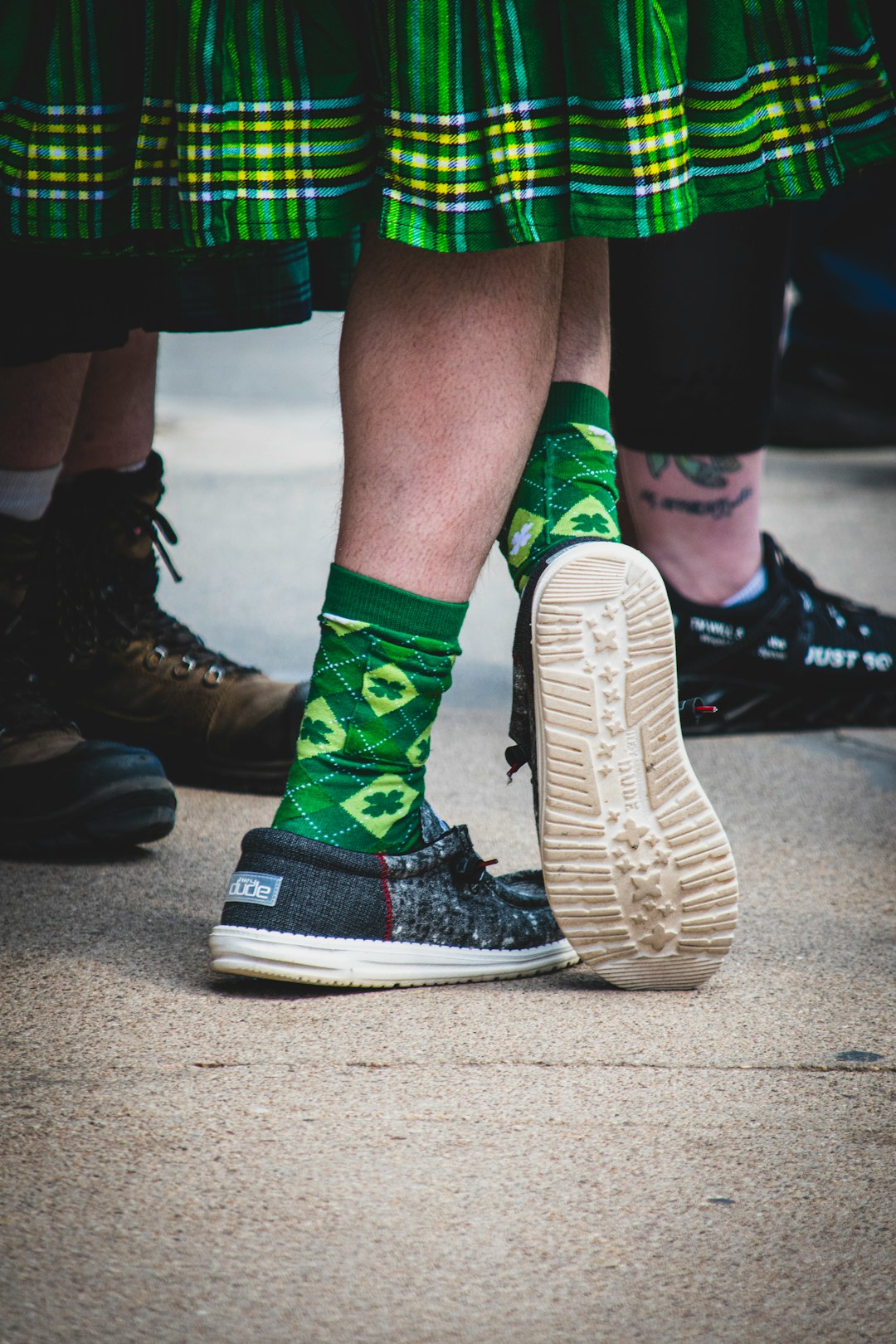
What Sean-Nós Dance Actually Is
Sean-nós (pronounced “shan-noss”) means “old style” in Irish. The term is most often associated with unaccompanied singing — a tradition so intimate that audiences are sometimes asked to look away while listening. But the dance form that shares its name is equally ancient and equally personal.
Unlike Irish step dancing, sean-nós keeps the upper body relaxed and the arms loose. Feet stay close to the ground. The rhythm comes through soft shuffles, taps, and low kicks — often improvised on the spot.
No two performances are the same. That is not a flaw. It is the whole point.
Born in the Kitchens of Connemara
Sean-nós dance grew up in the Connemara Gaeltacht — the Irish-speaking region that runs along Ireland’s wild west coast. Here, in stone cottages and at crossroads, people danced not to compete but to express something that could not easily be said in words.
It was never formally taught in a classroom or a studio. It passed from body to body — a grandmother watching a grandchild, a neighbour copying a neighbour, a dancer absorbing a style from someone who is now long gone.
What survived was not a method. It was a memory carried in the feet.
The Hands That Stay Still — and the Ones That Don’t
If you know competitive Irish step dancing — arms rigid at the sides, upper body frozen, feet hammering the stage — sean-nós will surprise you completely. The arms swing. The shoulders shift. The dancer looks, at times, as though they are thinking out loud through movement.
The footwork is low and earthy rather than lifted and percussive. You hear the beat through the floorboards more than through the air. Dancers often wear soft shoes. Sometimes none at all.
Some people describe it as dancing for yourself rather than for an audience. Others say it is a conversation with the music — a way of listening with your whole body.
☘️ Enjoying this? 64,000+ Ireland lovers get stories like this every week. Subscribe free →
Where You Might See It
Sean-nós dance does not have a fixed home. You are most likely to encounter it at a traditional music session in Connemara or County Galway — perhaps when someone pushes back a chair and finds three square feet of open floor.
It surfaces at the Clifden Arts Festival, at Oireachtas na Gaeilge, and at small gatherings scattered across the west. It is rarely announced. It tends to just happen.
If you are planning a trip to the west of Ireland, our Ireland planning guide can help you find the right places and the right time of year to experience traditional culture at its most alive.
Why It Almost Disappeared — and Didn’t
Competitive Irish dancing — codified, costumed, and spectacular — came to dominate from the late nineteenth century onwards. The solo, improvised, shoeless tradition of the west was considered too rough, too personal, too irregular to fit the new mould.
But it never disappeared. It lived on in homes and at sessions and in the bodies of people who had learned it without ever being taught formally. Over the last thirty years, it has quietly returned. Workshops run in Connemara. Young people learn it alongside the crossroads dance traditions of the west.
Today it is performed on international stages, at Irish cultural festivals, and in living rooms that look almost exactly like the ones it started in.
The Dance Nobody Finishes Learning
There is a phrase sometimes used about sean-nós: you spend years learning the steps and a lifetime learning to forget them.
That is not quite a paradox. It means the technique is only the beginning. What makes a sean-nós dancer is not what they do with their feet — it is what they do with everything else. The timing. The stillness. The choice, in a particular bar of music, to do almost nothing at all.
Every dancer makes that choice differently. That is why no two performances are ever the same — and why the tradition, after centuries, still feels alive.
Ireland’s oldest dance belongs to no one. And somehow, because of that, it belongs to everyone.
☘️ Join 64,000+ Ireland Lovers
Every Friday, get Ireland’s hidden gems, local secrets, and travel inspiration — the kind you won’t find in any guidebook.
Subscribe free — enter your email:
Love more? Join 43,000 Scotland lovers → · Join 30,000 Italy lovers → · Join 7,000 France lovers →
Free forever · · Unsubscribe anytime
Tours & experiences you might love


Powered by Viator. Some links are affiliate links — we may earn a small commission at no extra cost to you.
Secure Your Dream Irish Experience Before It’s Gone!
Planning a trip to Ireland? Don’t let sold-out tours or packed attractions spoil your journey. Iconic experiences like visiting the Cliffs of Moher, exploring the Rock of Cashel, or enjoying a guided walk through Ireland’s ancient past often sell out quickly—especially during peak travel seasons.

Booking in advance guarantees your place and ensures you can fully immerse yourself in the rich culture and breathtaking scenery without stress or disappointment. You’ll also free up time to explore Ireland’s hidden gems and savour those authentic moments that make your trip truly special.
Make the most of your journey—start planning today and secure those must-do experiences before they’re gone!
Subscribe Free