

In a stone kitchen in Connemara, a woman begins to sing. There’s no guitar, no fiddle, no piano. Nobody moves to accompany her. The room goes quiet in a way that feels deliberate — almost sacred. And the unwritten rule, if you don’t already know it, is this: don’t stare.
What “Sean-Nós” Actually Means
The phrase means “old style” in Irish. But those two words hardly capture it.
Sean-nós (pronounced “shan-nose”) is a tradition of solo, unaccompanied singing — one voice, no instruments, completely exposed. The singer decorates the melody as they see fit, with ornaments that shift and change every time the song is performed. No two versions are ever quite the same.
This is not a performance tradition in the modern sense. It belongs to kitchens, pubs, and corners of Ireland where the Irish language is still spoken — the Gaeltacht areas of Connemara, West Kerry, and Donegal. It was never designed for stages.
Three Provinces, Three Sounds
Ireland’s regional styles of sean-nós are distinct enough that a trained ear can tell exactly where a singer is from.
The Connacht tradition — rooted in Connemara — is the most highly ornamented. Singers use complex slides, grace notes, and melodic variations that layer over and under the tune. Listening closely, you realise the melody is almost hidden inside the decoration.
The Munster style, found in Kerry and West Cork, tends to be slightly smoother. The ornamentation sits closer to the melodic line. Many find it easier for a newcomer’s ear to follow.
Ulster sean-nós, from Donegal, is simpler in ornamentation but carries a different kind of intensity — spare, precise, and deeply moving in its restraint.
Why There Are No Instruments
Sean-nós predates the era of amplification, commercial music, and even most of the instruments we now associate with Irish trad. It belongs to a time when the voice was the only instrument most people had.
The songs themselves — amhráin — are mostly in Irish. They deal with love, loss, the sea, and emigration. Many are hundreds of years old. Some scholars believe the melodic structures are older still, embedded in an oral tradition that stretches back beyond any surviving record.
When the Irish language was suppressed, sean-nós went with it — into houses, into memory, into spaces that couldn’t be policed. It survived not because anyone preserved it on paper, but because people kept singing it to each other.
☘️ Enjoying this? 64,000+ Ireland lovers get stories like this every week. Subscribe free →
The Etiquette of Listening
If you’re lucky enough to hear sean-nós in a genuine setting, there’s something you should know.
You don’t applaud during the song. You don’t request a favourite. And there’s an old understanding — more custom than rule — that you don’t stare at the singer while they perform.
This isn’t shyness. It’s respect for the intimacy of what’s happening. Sean-nós is not entertainment in the way a stage performance is. It’s an act of sharing — something between the singer, the language, and anyone willing to listen. Holding eye contact with the singer feels intrusive, like reading someone’s diary aloud.
Audiences often bow their heads or look to the side. Singers close their eyes. The effect is oddly powerful — a room full of people who are all, quietly, turning inward.
Where Sean-Nós Lives Today
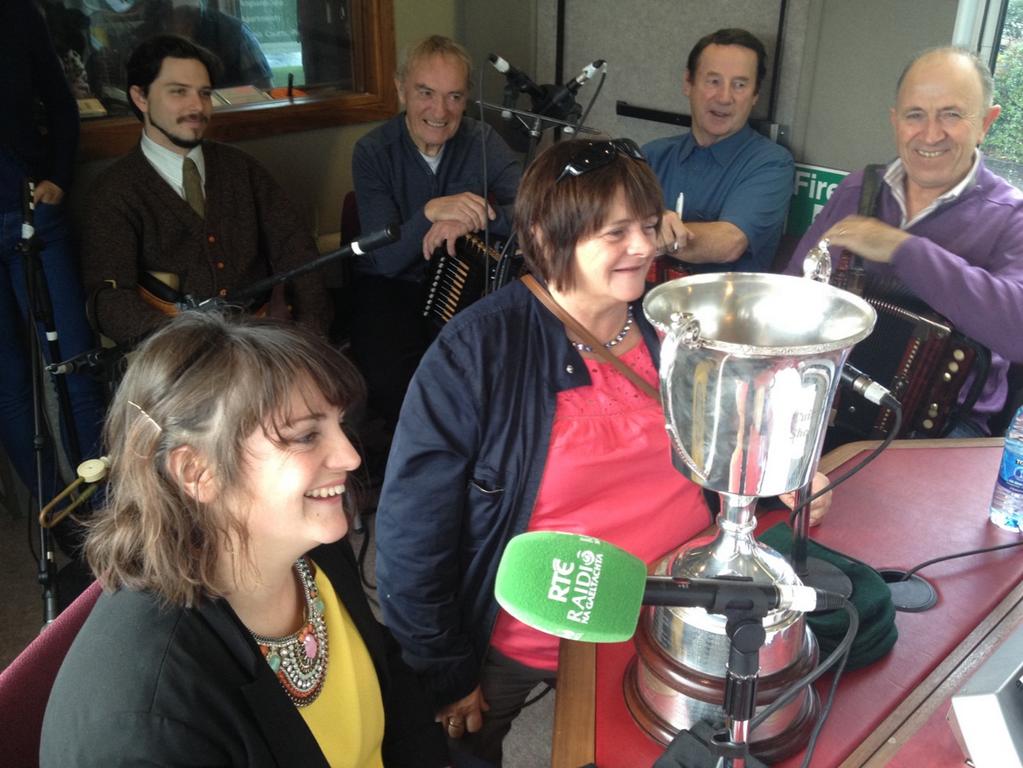
Sean-nós survives most strongly in the Gaeltacht — the Irish-speaking regions stretching along the west coast. The national Irish language festival, Oireachtas na Gaeilge, holds a sean-nós competition every year, drawing performers from across Ireland and the diaspora.
Contemporary singer Iarla Ó Lionáird, from West Cork, has brought the tradition to international audiences without diluting the essential quality of the voice itself.
In Connemara, sean-nós is still sung in homes, at festivals, and in certain pubs where the right silence can still descend. If you’re thinking about what to do in Galway, time in the Gaeltacht heartland is an experience unlike anything else on the itinerary.
It sits alongside — but apart from — the trad session culture that fills Irish pubs every night. Both are Irish music. But they operate by completely different rules.
If you’re planning your trip to Ireland, put Connemara on your list. And if you find yourself in a quiet room where someone starts to sing without instruments, you’ll know exactly what to do.
A Voice That Carries Its Own History
You don’t need to understand Irish to feel sean-nós. That’s possibly the whole point. What you’re hearing isn’t translated — it’s transmitted. Voice to room. Century to century.
Something kept alive not by institutions, but by the quiet decision of ordinary people to keep singing it to each other.
☘️ You Might Also Love
☘️ Join 64,000+ Ireland Lovers
Every Friday, get Ireland’s hidden gems, local secrets, and travel inspiration — the kind you won’t find in any guidebook.
Subscribe free — enter your email:
Free forever · · Unsubscribe anytime
Tours & experiences you might love


Powered by Viator. Some links are affiliate links — we may earn a small commission at no extra cost to you.
Secure Your Dream Irish Experience Before It’s Gone!
Planning a trip to Ireland? Don’t let sold-out tours or packed attractions spoil your journey. Iconic experiences like visiting the Cliffs of Moher, exploring the Rock of Cashel, or enjoying a guided walk through Ireland’s ancient past often sell out quickly—especially during peak travel seasons.

Booking in advance guarantees your place and ensures you can fully immerse yourself in the rich culture and breathtaking scenery without stress or disappointment. You’ll also free up time to explore Ireland’s hidden gems and savour those authentic moments that make your trip truly special.
Make the most of your journey—start planning today and secure those must-do experiences before they’re gone!
Subscribe Free