

Before Riverdance. Before feiseanna. Before Irish dancing became a global phenomenon watched by millions, it survived because of one remarkable figure: a man who knocked on farmhouse doors carrying nothing but a pair of leather shoes and a few treasured sequences of steps.
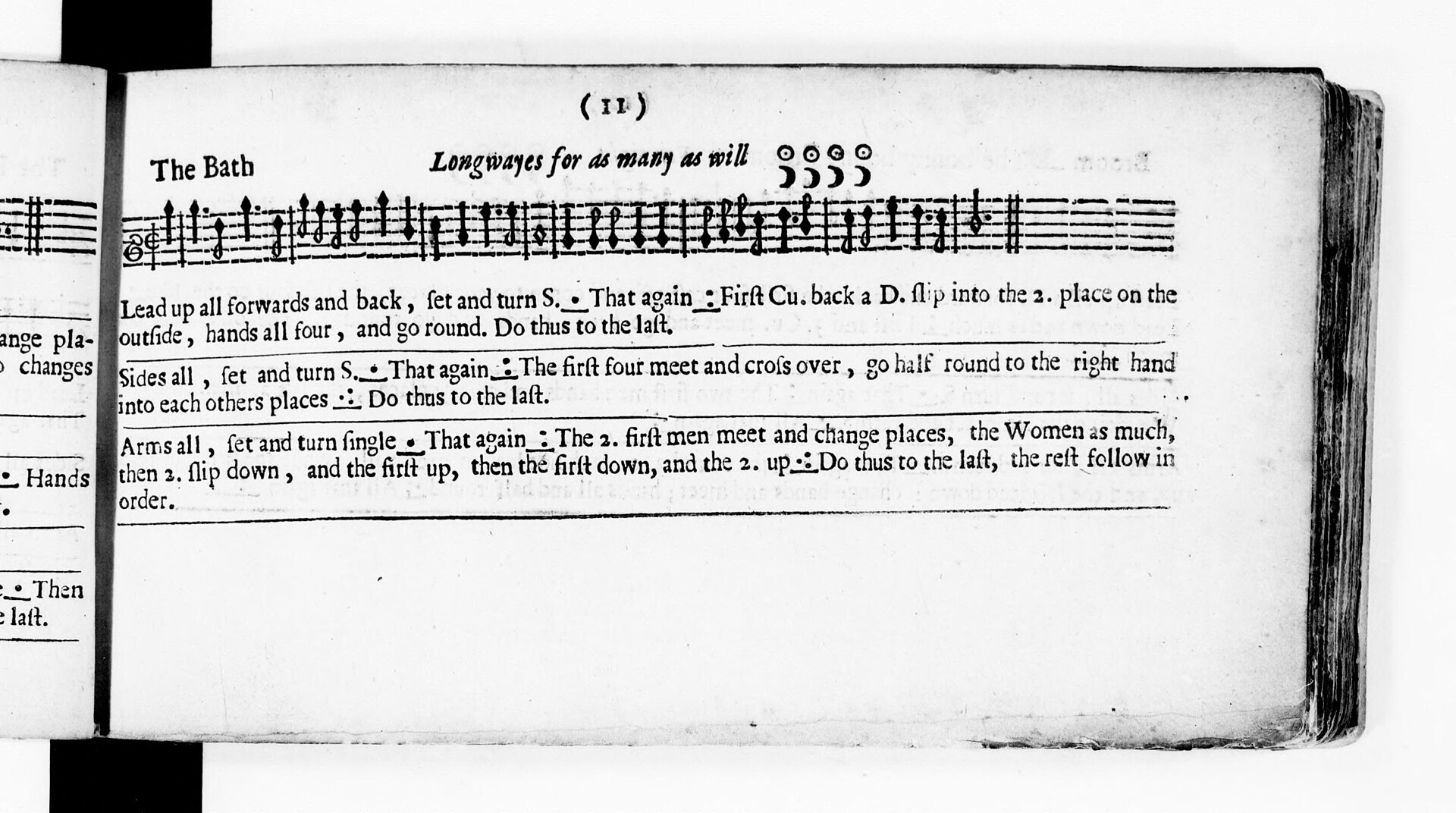
He was the dancing master — the fear rince — and for three centuries, he walked the roads of rural Ireland keeping an ancient tradition alive.
Who Were the Dancing Masters?
Dancing masters were professional teachers who travelled from townland to townland across Ireland, particularly through Munster and Connacht. They had no fixed address. No permanent school. Their classroom was whichever kitchen or barn could be cleared wide enough for dancing.
In exchange for teaching, the master was housed and fed by local families, moving on after four to six weeks. A small fee — a few pence per household — went into his pocket. It was a precarious way to live, but the best masters were revered figures in every parish they visited.
They weren’t just dance teachers. They were keepers of living culture.
A Stranger at the Door
Imagine the scene. An autumn evening in County Kerry, sometime in the 1780s. A knock at a farmhouse door. A lean man with a leather bag, asking if the family had heard of the O’Sullivan steps.
Word travelled fast. By morning, half the townland knew he’d arrived. A barn was swept clear. Candles were lit. The fiddler from the next farm arrived at dusk.
For the next few weeks, young people gathered every evening to learn. Not just the steps — but the bearing, the discipline, the exact articulation of heel and toe that marked one master’s style from another’s. When he left, he took his personal secrets with him. What remained were the steps themselves, passed from dancer to dancer.
The Steps That Defined a Region
Every dancing master had a signature — a particular set of steps and sequences that was his alone. Students learned those steps and carried them for life. If two dancers met at a fair in Limerick and discovered they shared the same teacher’s steps, it was like recognising family.
This created rich regional variation. The Munster style differed from Clare’s. A Connacht dancer moved differently from a Leinster one. The dancing master was the reason that difference existed.
That diversity still echoes today. The traditions of crossroads dancing grew directly from the master’s visiting schedule. Crossroads were gathering points — where one townland met another, where news passed, where his arrival was announced and celebrated.
☘️ Enjoying this? 64,000+ Ireland lovers get stories like this every week.
Thinking about it seriously? If you’ve started actually planning a move, our complete the full Move to Ireland guide walks through every step, every cost, and the paperwork that catches most people out.
Why the Church Tried to Stop Them
The dancing master had enemies.
The Catholic Church of the nineteenth century grew increasingly uncomfortable with mixed dancing — young men and women together, in barns, late at night. Bishops issued pastoral letters. Parish priests named the dancing masters from the pulpit. Some were run out of parishes entirely.
The dancing masters kept going. The tradition they carried was too beloved to suppress. Even when crossroads dancing was eventually banned by law, the steps lived on in kitchens, at weddings, in the muscle memory of people who had learned them as children.
Their Legacy Lives On
The last of the travelling dancing masters had mostly disappeared by the early twentieth century. But their influence shaped everything that came after.
The feis — the competitive Irish dancing event familiar to anyone who has watched a child perform in a stiff costume — emerged directly from the culture the dancing masters created. The competitive spirit, the emphasis on technical precision, the regional pride in particular steps: all of it traces back to the man with the leather shoes and the knock at the door.
Today, set dancing sessions still happen in pubs and village halls across Clare, Kerry, and Galway. The steps danced on those evenings are often direct descendants of the masters’ sequences — passed down through generations, slightly changed, yet unmistakably alive. If you’re planning a trip to Ireland, finding a local set dancing night is one of the most authentic experiences you can have.
Ireland has a habit of keeping things that matter.
The dancing master didn’t write anything down. He left no manuscripts, no written scores. What he left was the memory of movement — in the feet of every child he taught, in the way a Clare dancer still places a heel, in the trad session that breaks into a set reel just after midnight.
Not bad for a man who arrived with nothing but his shoes.
☘️ Join 64,000+ Ireland Lovers
Every Friday, get Ireland’s hidden gems, local secrets, and travel inspiration — the kind you won’t find in any guidebook.
Subscribe free — enter your email:
Get the free guide
Enter your email and we will send you straight to the download.
Love more? Join 43,000 Scotland lovers → · Join 30,000 Italy lovers → · Join 7,000 France lovers →
Free forever · · Unsubscribe anytime
Tours & experiences you might love


Powered by Viator. Some links are affiliate links — we may earn a small commission at no extra cost to you.
Secure Your Dream Irish Experience Before It’s Gone!
Planning a trip to Ireland? Don’t let sold-out tours or packed attractions spoil your journey. Iconic experiences like visiting the Cliffs of Moher, exploring the Rock of Cashel, or enjoying a guided walk through Ireland’s ancient past often sell out quickly—especially during peak travel seasons.

Booking in advance guarantees your place and ensures you can fully immerse yourself in the rich culture and breathtaking scenery without stress or disappointment. You’ll also free up time to explore Ireland’s hidden gems and savour those authentic moments that make your trip truly special.
Make the most of your journey—start planning today and secure those must-do experiences before they’re gone!
Subscribe Free