

Most Irish pubs don’t open until half ten in the morning. That was the rule for most of the twentieth century. But certain pubs in Dublin were different. They held a special licence — one that let them open their doors before seven in the morning. And someone was always already waiting on the step.
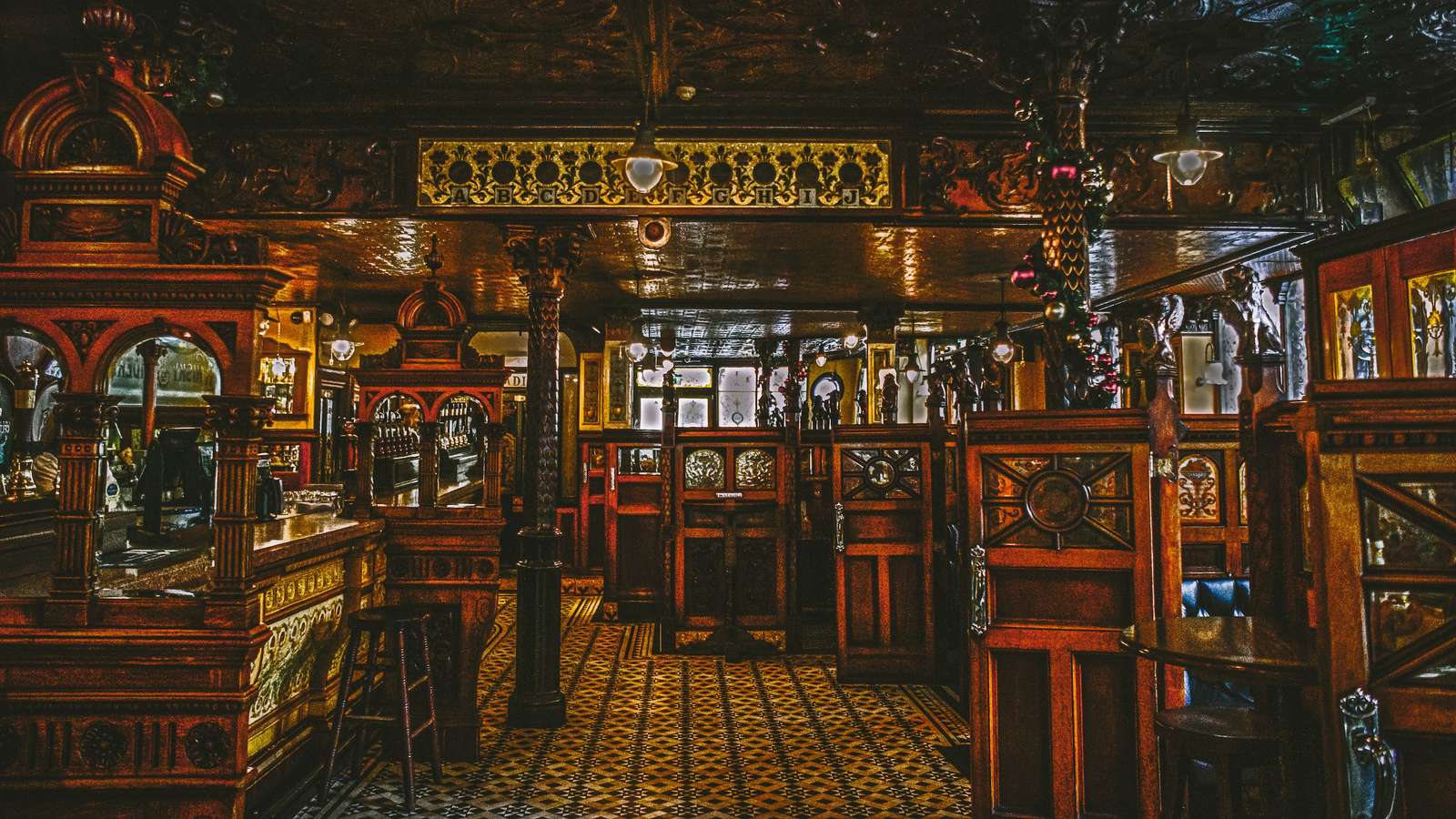
What Was an Early House?
The early house was a legal creation. Under Irish licensing law, a pub located near certain wholesale markets or docklands could apply for a court-granted exemption — the right to serve alcohol before the standard opening time.
These licences were practical, not generous. They existed because the people who worked the markets, the docks, and the livestock yards started hours before ordinary Dublin was awake. A six-hour night shift ended at six in the morning. A fish porter who’d been unloading trawlers since before dawn had nowhere warm to go. The early house was the answer.
The exemption typically allowed opening from seven in the morning, sometimes earlier. At their peak, a number of Dublin pubs held this licence. Most clustered around three areas: Smithfield and the old cattle market, the docklands along the Liffey, and the wholesale food markets of the Liberties and the city’s north inner city.
Who Was Already at the Door?
The regular morning drinkers of an early house were not the people you might imagine. They were the workers who kept old Dublin moving.
Market porters, fishmongers, and butchers who’d been on their feet since four in the morning. Dockers waiting on the tide to bring in the next ship. Night-shift nurses finishing twelve-hour wards. Taxi drivers who’d been driving since the pubs closed the night before and had nowhere to sit before they went home.
What many of them wanted, more often than a pint, was warmth. Hot whiskies, soup, or simply tea and somewhere to rest their legs. The early house was the only door open in a city that hadn’t started yet. It was shelter before the bus home.
For a wider look at the pubs that shaped Irish drinking culture, see the best pubs in Ireland across every province.
The Morning Silence Nobody Mentions
An early house at seven in the morning is nothing like the same room at nine in the evening.
There was no music. No laughter carrying from the far end of the bar. Just a low murmur — people talking quietly, in small groups, about work and weather and not much else. The bar staff knew every face. The orders were predictable. Nobody needed to be told how their drink was poured.
Understanding why Irish bartenders take two minutes to pour a pint makes even more sense in this context — in the early house, there was no rushing. The pace was set by the people, not the clock.
There was also an unspoken code. What happened before the city woke up stayed there. It wasn’t about secrecy. It was about respect for people who showed up when nobody else could see them.
☘️ Enjoying this? 64,000+ Ireland lovers get stories like this every week.
Thinking about it for retirement? If you’ve started thinking seriously about retiring there, our complete our full Retire in Ireland guide covers the visa, healthcare, cost-of-living, and the regions worth shortlisting.
The Neighbourhoods That Built the Tradition
Smithfield was at the heart of early house culture for generations. The old horse fair and cattle market that gave the square its character brought thousands of workers through before dawn on market days. The pubs nearby weren’t opening out of generosity — they opened because there was a queue outside the door.
Further east, the docklands had their own rhythm. Ships came in regardless of the hour. Customs work, coal deliveries, and fish landings didn’t wait for a civilised opening time. The pubs near the quays understood this.
In the Liberties and around the old wholesale food markets of the north inner city, traders arrived from across Leinster before the public was ever awake. These neighbourhoods still carry traces of that older Dublin — even as the industries that created them have largely gone.
Do Early Houses Still Exist?
The short answer is yes, though the number has dwindled considerably.
Irish licensing law still provides for the early house exemption, and a small number of Dublin pubs retain it. Some open as early as half seven on weekdays. The clientele has shifted — fewer dockers, more taxi drivers, construction workers, overnight security staff, and the occasional traveller who knows where to look.
Finding one requires local knowledge. They don’t advertise it. The sign on the door says nothing unusual. You simply have to know. Two areas historically associated with early opening are around Smithfield Square and the Parkgate Street area near Heuston Station — though opening hours change and it’s always worth checking before you make the journey.
For more on the names and histories behind Ireland’s most storied pubs, the dark history hiding behind Ireland’s most famous pub names is worth reading before any visit.
What the Early House Actually Meant
The early house is a reminder that the Irish pub was never only about leisure.
For much of Dublin’s working history, it was infrastructure. A place to be warm. A place to sit down. Somewhere the person behind the bar knew your order without you having to say it, and where the silence between words wasn’t uncomfortable.
That world has mostly passed. The markets have modernised. The docks have changed beyond recognition. But in corners of the city where men once loaded ships and carried crates of fish through the dark, a door still opens before the rest of Dublin stirs.
If you want to understand what a real Dublin pub has always been — not the tourist version, not the Friday night version — find one of those doors and step in just after seven. Order something warm. Let the morning do the talking.
☘️ Join 64,000+ Ireland Lovers
Every Friday, get Ireland’s hidden gems, local secrets, and travel inspiration — the kind you won’t find in any guidebook.
Subscribe free — enter your email:
Already subscribed? Download your free Ireland guide (PDF)
Love more? Join 43,000 Scotland lovers → · Join 30,000 Italy lovers → · Join 7,000 France lovers →
Free forever · · Unsubscribe anytime
Tours & experiences you might love


Powered by Viator. Some links are affiliate links — we may earn a small commission at no extra cost to you.
Secure Your Dream Irish Experience Before It’s Gone!
Planning a trip to Ireland? Don’t let sold-out tours or packed attractions spoil your journey. Iconic experiences like visiting the Cliffs of Moher, exploring the Rock of Cashel, or enjoying a guided walk through Ireland’s ancient past often sell out quickly—especially during peak travel seasons.

Booking in advance guarantees your place and ensures you can fully immerse yourself in the rich culture and breathtaking scenery without stress or disappointment. You’ll also free up time to explore Ireland’s hidden gems and savour those authentic moments that make your trip truly special.
Make the most of your journey—start planning today and secure those must-do experiences before they’re gone!
Subscribe Free