

Walk into the right Irish pub on the right evening and you’ll hear it before you see it — fiddles first, then a flute, then the low pulse of a bodhrán. The musicians are gathered in the corner. Nobody announced a performance. Nobody bought a ticket. And if you make one particular mistake, the whole thing stops.
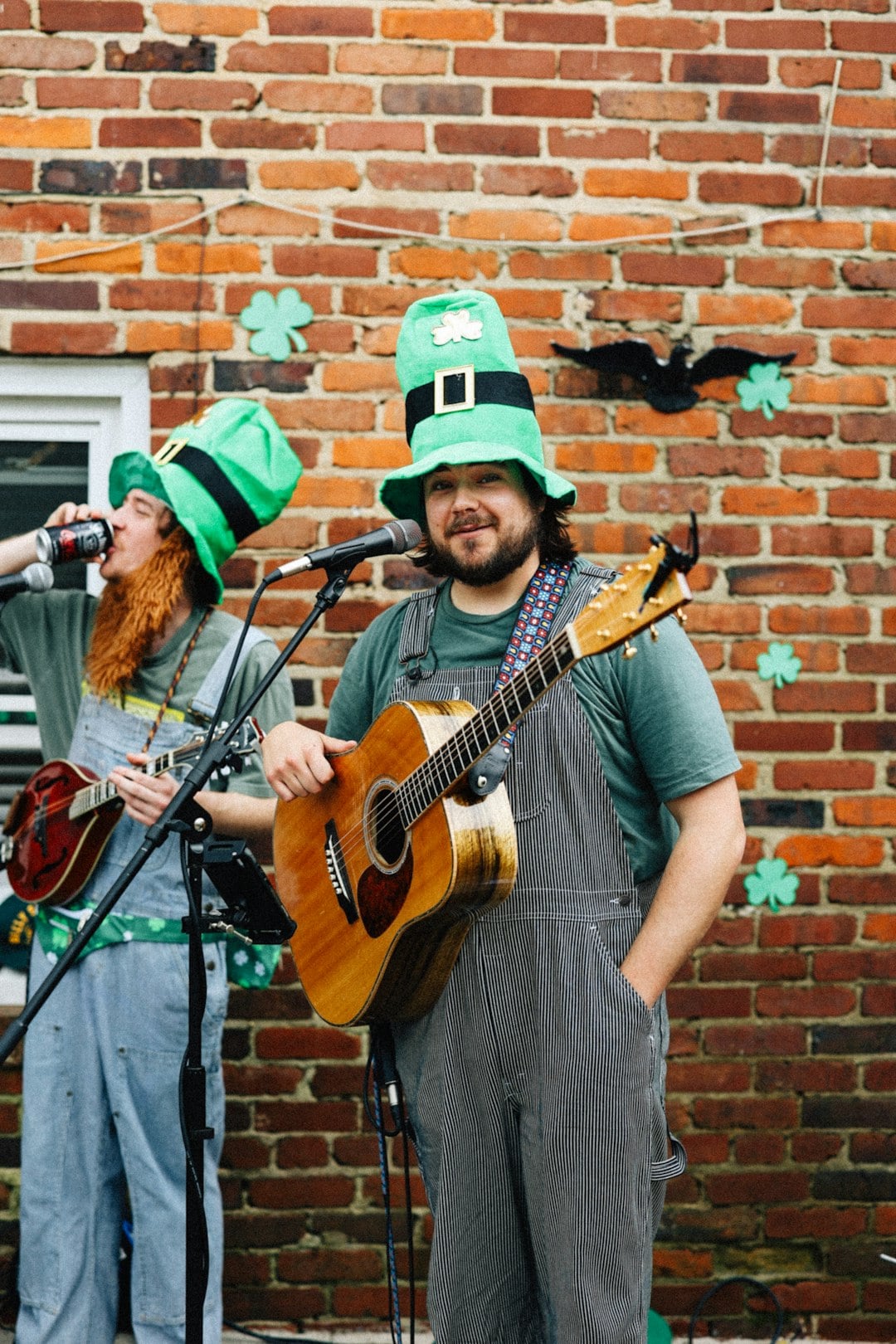
What a Trad Session Actually Is
A trad session is not a concert. It is not a show put on for visitors. Musicians gather — sometimes by arrangement, more often by habit — and play traditional Irish music for the pleasure of playing it together.
You are welcome to listen. The session is not for you. Understanding that shifts everything.
Sessions happen in pubs, community halls, and kitchens across Ireland. The best ones start quietly and build over two or three hours, musicians arriving one by one, tunes accumulating like layers of sediment.
The Rule Nobody Puts on a Sign
Do not request a song.
Trad sessions are not jukeboxes. The musicians choose the tunes. Asking for “Danny Boy” — known in Ireland as “The Londonderry Air” — is the single fastest way to mark yourself as an outsider. And it is almost never played at a session anyway.
Do not clap between tunes, either. Sessions flow in sets: three, four, sometimes five tunes played back-to-back without pause. Applauding between them breaks the momentum like a false start in a race.
Do not record video without asking. Many traditional musicians dislike being filmed mid-tune. If you want to ask, do it between sets — and accept a no gracefully.
The Bodhrán Problem: How to Join In as a Musician
The bodhrán (pronounced “bow-rawn”) is Ireland’s frame drum. It is also, among traditional musicians, the source of more tension than any other instrument at a session.
The unspoken rule: you do not play unless invited or welcomed in. It is not a rhythm section. A poorly timed or intrusive bodhrán player can drown out the melody instruments and unravel a session that has taken an hour to build.
If you own one and want to join: sit close to the musicians, listen to several full sets, play softly underneath the group, and follow the lead player’s tempo. If someone catches your eye and nods — you belong. If they look away — you hold back.
How a Tune Starts
Someone begins a tune without announcing it. Others who know it join in. If you do not recognise it, you listen. That is not a failure. That is how sessions grow: tune by tune, player by player, over years of playing together.
Most tunes are reels, jigs, hornpipes, or polkas. They repeat in a defined structure, and experienced musicians add ornamentation — small flourishes that make the same tune sound different in every pair of hands.
Two fiddlers can play the same reel and sound nothing alike. That individuality within a shared form is what makes Irish traditional music unlike anything else.
☘️ Enjoying this? 64,000+ Ireland lovers get stories like this every week.
Thinking about it seriously? If you’ve started actually planning a move, our complete the full Move to Ireland guide walks through every step, every cost, and the paperwork that catches most people out.
Sean-Nós: The Old Voice Underneath
Before sessions, before electric light in pubs, there was sean-nós. “Old style” in Irish — unaccompanied singing, in the Irish language, with a deeply personal and ornate delivery. It comes from a time before microphones, when a single voice in a room was enough.
You might hear sean-nós late in an evening, when the tunes have quietened and someone sits forward in their chair. The whole pub holds its breath. It is one of the rare times silence in an Irish pub feels like something is working, not failing.
Sessions and sean-nós are connected threads — both rooted in the idea of music as something you participate in, not consume. If you want to understand that world more deeply, the village that became the world capital of traditional music is worth knowing about.
Where to Find the Real Thing
Sessions happen across the country, but certain pubs have become known for their quality and consistency.
Tigh Coili, Galway
On Mainguard Street in Galway city, this small pub runs sessions most lunchtimes and evenings. No frills, no stage — just some of the finest traditional musicians in Connacht passing through a tight corner table.
The Cobblestone, Dublin
In Smithfield, this pub has run sessions for decades and became a cause célèbre in 2021 when development pressure threatened the area. It remains one of the finest places in the capital to hear traditional music played seriously.
Matt Molloy’s, Westport
In Westport, County Mayo, owned by the Chieftains’ flautist. The name is not a marketing exercise. Sessions here draw serious musicians from across Connacht and beyond.
O’Connor’s, Doolin
County Clare is Ireland’s traditional music heartland. O’Connor’s in Doolin has been drawing musicians and listeners for generations and remains the best-known session pub in the county.
What to Do As a Visitor — or a Musician Wanting to Sit In
Order a drink. Find a seat that does not block a musician’s elbow. Listen to at least one full set before doing anything else. If you are a musician yourself, bring your instrument — but hold back for the opening set and let the session find its shape.
The session will not adjust for you. You adjust for it. That is both the etiquette and the point.
This piece focuses on joining in as a visiting musician. For the complete rundown of Irish trad session etiquette that applies to every visitor, see the full unwritten rules of an Irish trad session.
If you are building a trip around traditional music culture, the Ireland travel planning guide is the best place to start. And if you want to experience music with movement as well as sound, what really happens at an Irish céilí is its own world entirely.
Ireland’s trad sessions are one of the few places in the modern world where old ways of making music survive completely intact. No setlist. No stage. No fee. Just people who know the tunes gathering in a corner and playing them until closing time. You are welcome. You just have to know how to sit quietly and let it come to you.
☘️ Join 64,000+ Ireland Lovers
Every Friday, get Ireland’s hidden gems, local secrets, and travel inspiration — the kind you won’t find in any guidebook.
Subscribe free — enter your email:
Love more? Join 43,000 Scotland lovers → · Join 30,000 Italy lovers → · Join 7,000 France lovers →
Free forever · · Unsubscribe anytime
Tours & experiences you might love


Powered by Viator. Some links are affiliate links — we may earn a small commission at no extra cost to you.
Secure Your Dream Irish Experience Before It’s Gone!
Planning a trip to Ireland? Don’t let sold-out tours or packed attractions spoil your journey. Iconic experiences like visiting the Cliffs of Moher, exploring the Rock of Cashel, or enjoying a guided walk through Ireland’s ancient past often sell out quickly—especially during peak travel seasons.

Booking in advance guarantees your place and ensures you can fully immerse yourself in the rich culture and breathtaking scenery without stress or disappointment. You’ll also free up time to explore Ireland’s hidden gems and savour those authentic moments that make your trip truly special.
Make the most of your journey—start planning today and secure those must-do experiences before they’re gone!
Subscribe Free