

Sligo sits on Ireland’s Wild Atlantic Way, and it punches far above its weight. There are more things to do in Sligo than most visitors expect. From Iron Age tombs that predate the pyramids to the dramatic flat-topped mountain that W.B. Yeats called home, this north-west county is one of Ireland’s best-kept secrets.
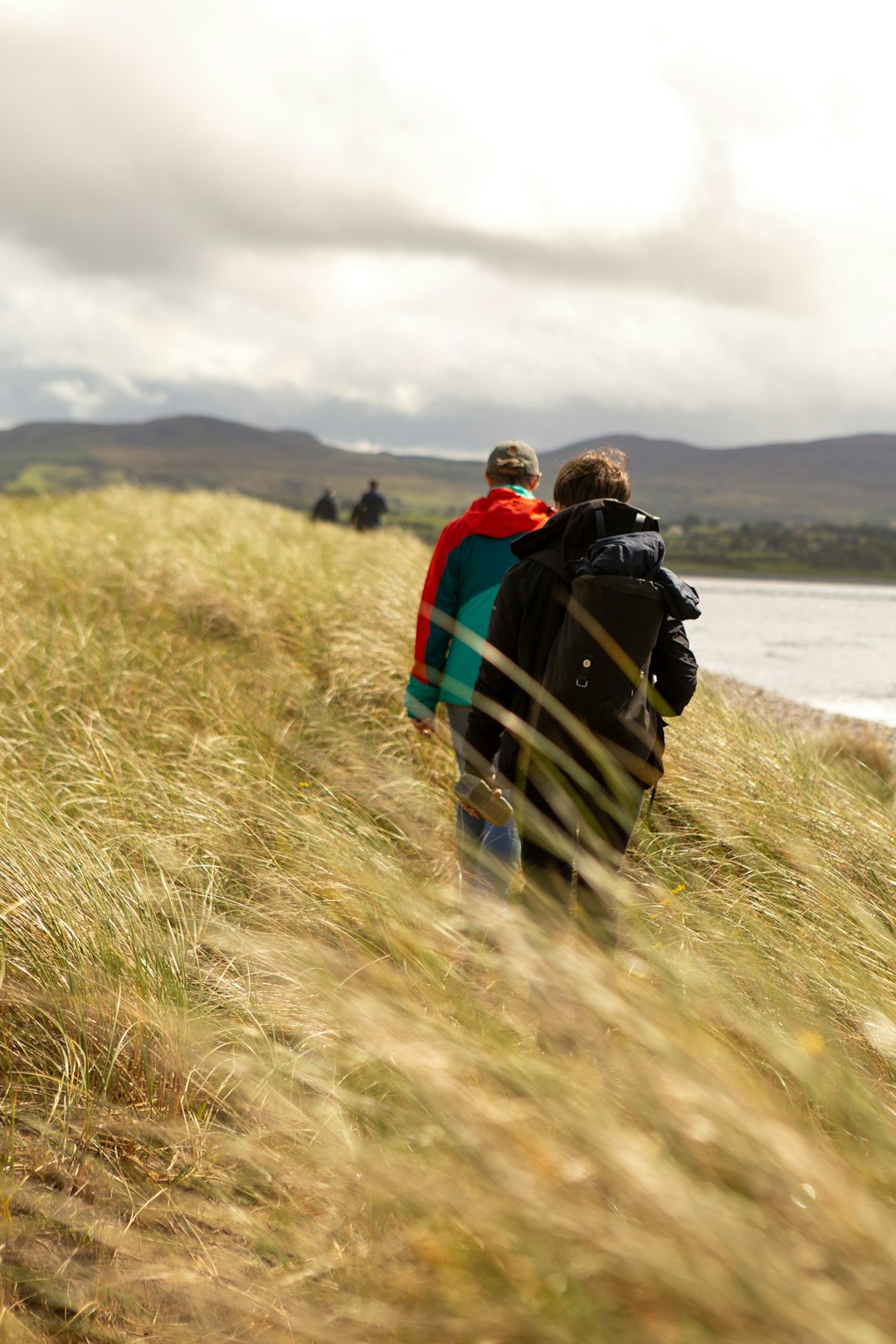
Sligo is Yeats Country. The great poet grew up here, drew from its landscapes, and chose to be buried here. But Sligo offers far more than literary heritage. Surfers ride the Atlantic swells at Strandhill. Archaeologists marvel at megalithic tombs that stretch back 6,000 years. Foodies seek out Sligo Bay oysters fresh from the sea.
This guide covers everything you need to plan your trip. It pairs well with our complete guide to planning a trip to Ireland from the US and our list of the best places to visit in Ireland.
Best Things to Do in Sligo: Top Highlights
Climb Beneath Benbulben Mountain
Benbulben is unmistakable. The flat-topped limestone mountain rises sharply from the surrounding fields of County Sligo, looking unlike any other mountain in Ireland. It stands 525 metres tall and dominates the landscape for miles around.
Most visitors walk the Benbulben Loop trail, which takes roughly four to five hours to complete. The views across Sligo Bay and south to Knocknarea are exceptional on a clear day. Bring waterproofs — the summit plateau catches Atlantic weather fast.
The mountain carries deep cultural weight. W.B. Yeats asked to be buried “under bare Ben Bulben’s head”, and his grave sits in Drumcliff churchyard just below the mountain. You can visit both in a single morning.
Visit Drumcliff Church and the Yeats Grave
Drumcliff is a small village near the base of Benbulben, and it holds one of Sligo’s most visited sites. W.B. Yeats is buried here in the churchyard of St Columba’s Church. His gravestone carries the epitaph he wrote himself: “Cast a cold eye on life, on death. Horseman, pass by.”
The church itself dates to the 6th century. A High Cross from the 10th century stands in the grounds. Entry to the churchyard is free. The nearby Drumcliff Tea House makes a good stop for lunch before or after the visit.
Drumcliff is quietest in the early morning. Tour coaches begin arriving by mid-morning, so an early start gives you the place to yourself.
Walk the Carrowmore Megalithic Cemetery
Carrowmore is one of the largest and oldest megalithic cemetery sites in Europe. The passage tombs and dolmens here predate Newgrange by centuries. Some of the oldest tombs date back to around 4,000 BC — roughly the same era as the construction of the earliest Egyptian pyramids.
The site sits just outside Sligo town. You can walk between the monuments in about an hour. Heritage Ireland runs the visitor centre, which provides excellent context before you explore. Adult entry costs around €5.
Over 30 monuments survive at the site, though the original cemetery was much larger. Stand at the central court cairn and look north — you can see Knocknarea from here, topped by Queen Maeve’s cairn. The two sites are best visited together.
Climb Knocknarea for Queen Maeve’s Cairn
Knocknarea rises to 327 metres just west of Sligo town. The summit holds a massive cairn of unexcavated stones known as Miosgan Meadhbha, or Queen Maeve’s cairn.
Legend holds that Queen Maeve — the warrior queen of Connacht from Irish mythology — is buried here standing upright, wearing her armour and facing her enemies in Ulster. The cairn is one of the largest of its kind in Ireland. Archaeologists believe it was built around 3,000 BC.
The walk from the car park at Lisadell takes about 45 minutes each way. The path is clear but steep in places. The views from the summit are extraordinary on a clear day — you can see across five counties, all the way from the Donegal mountains in the north to the mountains of Connaught in the south.
☘️ Enjoying this? 64,000+ Ireland lovers get stories like this every week.
Thinking about it seriously?
If you’ve started actually planning a move, our complete the full Move to Ireland guide walks through every step, every cost, and the paperwork that catches most people out.
Subscribe free →
Explore Sligo Town

Sligo town is a compact and walkable base with good food, live traditional music, and a surprising amount of medieval history. It rewards an afternoon of exploration.
Sligo Abbey
Sligo Abbey is a Dominican friary founded in 1252. It stands in the centre of town and is one of the best-preserved medieval buildings in Connacht. The carved cloister arcades and the elaborately decorated altar are the highlights.
The abbey was burned, rebuilt, and eventually abandoned after the Cromwellian wars of the 17th century. You can walk through the ruins freely. The building retains a quiet, unhurried atmosphere even when visitors are present.
The Model Arts and Niland Gallery
The Model is Sligo’s main arts venue and holds one of Ireland’s most important collections of modern and contemporary Irish art. The collection includes works by Jack B. Yeats, the painter and brother of W.B. Yeats.
The building dates to 1862 and was originally a Model School — one of a network of purpose-built schools designed as a template for primary education across the country. Entry to the permanent collection is free. Temporary exhibitions change throughout the year, so check the programme before visiting.
The Yeats Building
The Yeats Building on Hyde Bridge in Sligo town tells the story of W.B. Yeats and his connection to the county. The exhibition covers his life, his poetry, and the Sligo landscapes that shaped his imagination. It makes a useful starting point before visiting the sites associated with his work.
Swimming and Surfing in Sligo
Strandhill Beach
Strandhill is a seaside village 8 kilometres west of Sligo town. The beach here is wild and beautiful, with powerful Atlantic swells that make it one of Ireland’s best surfing spots.
Lifeguards patrol the beach in summer. Surf schools run lessons for beginners throughout the season. The village has several cafés and traditional pubs within easy reach of the water.
After a surf or a cold-water dip, visit Voya Seaweed Baths. The baths use locally harvested seaweed in private cedar-panelled baths. The seaweed softens the water and leaves your skin noticeably refreshed. It is one of Sligo’s most distinctive experiences — book in advance during summer, as spaces fill quickly.
Rosses Point
Rosses Point is a small peninsula north of Sligo town with a fine sandy beach and views across to Benbulben and Knocknarea. It is quieter than Strandhill and better suited for swimming in calmer conditions.
The Yeats family spent many summers at Rosses Point. A metal sculpture known locally as the “Metal Man” stands on a rock in the bay, arms outstretched, guiding boats away from the shallow water. The nearby County Sligo Golf Club runs one of the finest links courses in Ireland.
Lough Gill and the Lake Isle of Innisfree
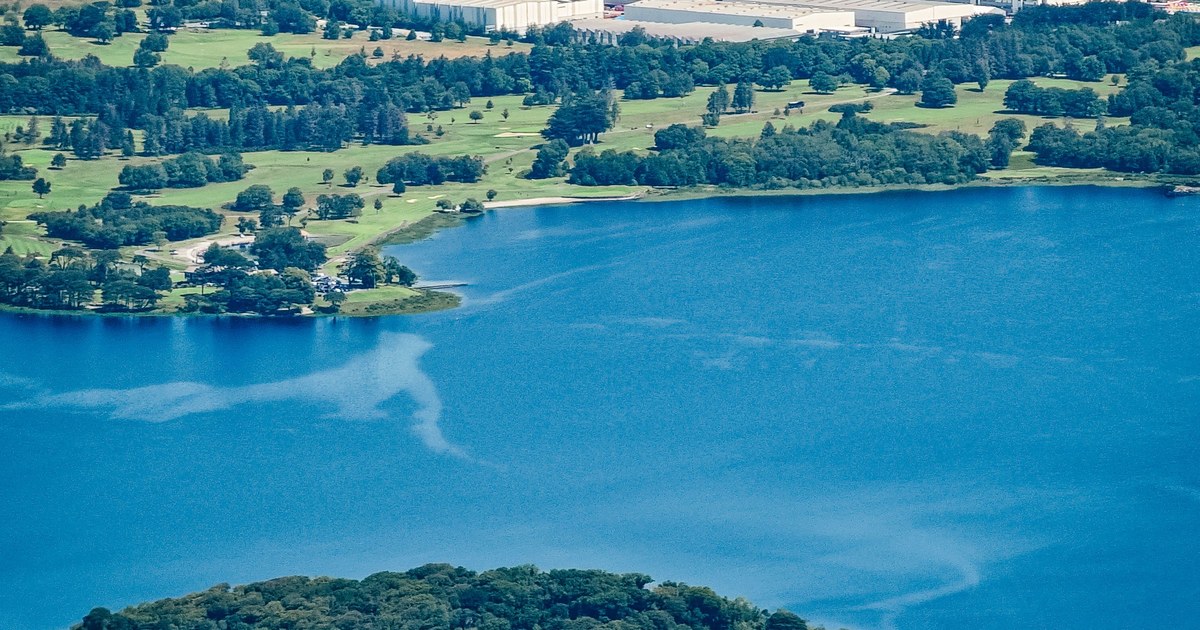
Lough Gill is a beautiful lake south-east of Sligo town. W.B. Yeats immortalised it in his 1888 poem “The Lake Isle of Innisfree”. The small island he wrote about sits near the southern shore of the lake, visible from the road.
Boat trips run from Doorly Park in Sligo town during summer months. The hour-long trip passes the island and offers excellent views of the surrounding woodland. It is one of the most peaceful ways to spend a morning in Sligo.
The Hazelwood Sculpture Trail runs along the northern shore of Lough Gill. The lakeside walk passes through mature oak woodland and links 13 outdoor sculptures by Irish and international artists. The trail is free, takes about an hour to walk, and is suitable for all fitness levels.
Ancient Sligo: Caves, Tombs, and Legends
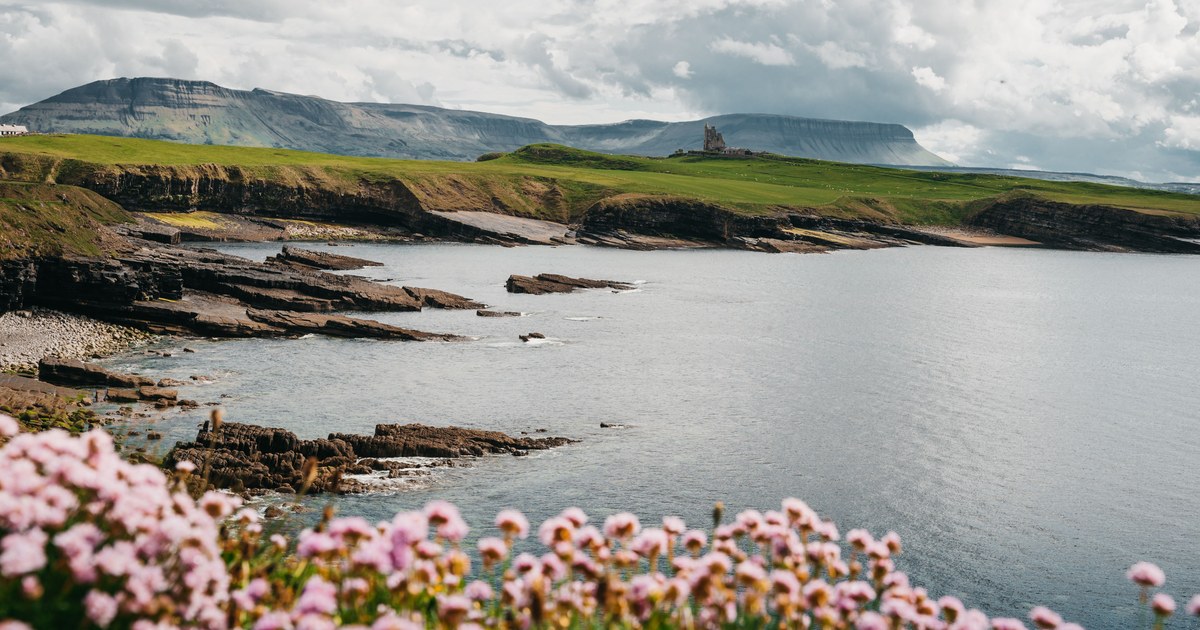
County Sligo has the highest concentration of megalithic monuments in Ireland. Beyond Carrowmore, the county holds ancient sites that very few visitors ever reach.
The Caves of Kesh sit high on the limestone cliffs of Keshcorran Hill, near the village of Ballinafad. According to legend, the caves were the birthplace of Cormac Mac Airt, High King of Ireland. They appear in several stories from the Ulster Cycle of Irish mythology. To learn more about the legends connected to these caves, read our guide to the hidden Sligo caves and the legends surrounding them.
Carrowkeel is a megalithic cemetery in the Bricklieve Mountains, south of Lough Arrow. The passage tombs here align with the midsummer sunrise. They are far less visited than Carrowmore and offer a more solitary experience of prehistoric Sligo. The hike in is rough but deeply rewarding.
If your family has roots in County Sligo, the county’s surnames carry centuries of history with them. See our guide to Irish surnames from Sligo to trace the names and the stories behind them.
Mullaghmore Head
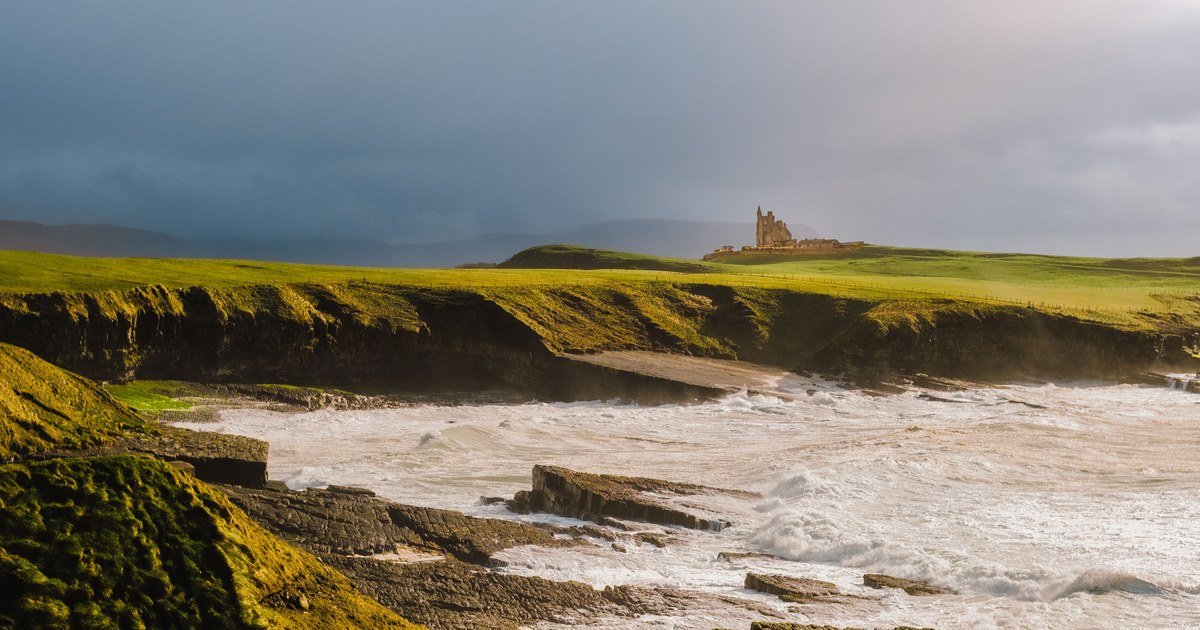
Mullaghmore is a small harbour village on the north Sligo coast with a dramatic headland and one of the most photographed views in the county. The promontory offers sweeping views across Donegal Bay to the mountains beyond.
Classiebawn Castle, a turreted Victorian castle on the shoreline, was the Irish holiday home of Lord Louis Mountbatten. It remains privately owned but is clearly visible from the road and the headland.
Mullaghmore Head is also one of the premier big-wave surfing locations in Europe. In winter, waves of up to 20 metres roll in from the Atlantic. Even if you have no interest in surfing, the car park at the headland is a spectacular viewpoint at any time of year. Official info: en.wikipedia.org/wiki/Mullaghmore_Head.
How to Get to Sligo
Sligo is easy to reach from Dublin by car or bus. The N4 motorway takes you from Dublin to Sligo in about two hours and 30 minutes. This is the most convenient option if you plan to explore the county in depth.
Bus Éireann runs regular coach services between Dublin and Sligo. The journey takes about three hours and 45 minutes. Irish Rail also runs trains from Dublin Connolly station to Sligo. The rail journey takes around three hours.
Sligo town is compact and walkable, but many of the outlying attractions — Benbulben, Mullaghmore, Carrowkeel — require a car. Car hire is available from Sligo town.
When to Visit Sligo
The summer months — June, July, and August — offer the best weather for outdoor activities and beach visits. Days are long, surf schools are operating, and the main attractions are fully open.
May and September are quieter alternatives. The weather remains mild, accommodation is easier to find, and the main sites are far less crowded. Autumn colours on Lough Gill are spectacular through October.
Winter visits reward those who enjoy dramatic, moody Atlantic coastline. Benbulben in cloud and rain has its own particular grandeur. Mullaghmore Head in winter, with its enormous swells, is one of the most powerful natural spectacles in Ireland.
Practical Tips for Visiting Sligo
- Sligo town makes the best base. Hotels, guesthouses, and self-catering options are available at most price points.
- Hire a car if you can. Public transport connections between outlying attractions are limited.
- Pack waterproofs and layers. The north-west coast is exposed, and the weather changes quickly.
- Book the Voya Seaweed Baths in advance during July and August. Demand outstrips supply in peak season.
- Drumcliff churchyard is best visited in the early morning, before tour coaches arrive from mid-morning onwards.
- Bring walking boots for Knocknarea and the Benbulben Loop trail. The ground is rough in places.
Frequently Asked Questions: Things to Do in Sligo, Ireland
What is Sligo best known for?
Sligo is best known as Yeats Country — the landscape that inspired the poet W.B. Yeats. The county is also famous for Benbulben mountain, Carrowmore megalithic cemetery, and some of Ireland’s finest surfing beaches along the Wild Atlantic Way.
How many days do you need in Sligo?
Two to three days gives you enough time to visit the main highlights of County Sligo. A longer stay of four to five days allows you to explore the more remote parts of the county, including Mullaghmore Head, Carrowkeel, and the Caves of Kesh.
Is Sligo worth visiting?
Yes — Sligo is one of Ireland’s most rewarding counties for visitors who want to go beyond the main tourist routes. It combines dramatic scenery, ancient history, literary heritage, and good food in a single compact destination that most international visitors overlook entirely.
When is the best time to visit Sligo?
June to September offers the best weather for outdoor activities and beach visits. May and September are quieter alternatives with mild conditions. If you visit in July or August, book accommodation well in advance — quality options fill up early.
☘️ Your Irish family has a story waiting to be found.
Discover where your Irish ancestors came from — their county, their name, their story. Our free step-by-step guide walks you through every record, DNA tool, and ancestry archive. No experience needed.
Already subscribed? Download your free Ireland guide (PDF)
📲 Know someone who’d love this? Share on WhatsApp →
Love more? Join 43,000 Scotland lovers → · Join 30,000 Italy lovers → · Join 7,000 France lovers →
Free forever · · Unsubscribe anytime
Tours & experiences you might love


Powered by Viator. Some links are affiliate links — we may earn a small commission at no extra cost to you.
Secure Your Dream Irish Experience Before It’s Gone!
Planning a trip to Ireland? Don’t let sold-out tours or packed attractions spoil your journey. Iconic experiences like visiting the Cliffs of Moher, exploring the Rock of Cashel, or enjoying a guided walk through Ireland’s ancient past often sell out quickly—especially during peak travel seasons.

Booking in advance guarantees your place and ensures you can fully immerse yourself in the rich culture and breathtaking scenery without stress or disappointment. You’ll also free up time to explore Ireland’s hidden gems and savour those authentic moments that make your trip truly special.
Make the most of your journey—start planning today and secure those must-do experiences before they’re gone!
Subscribe Free