

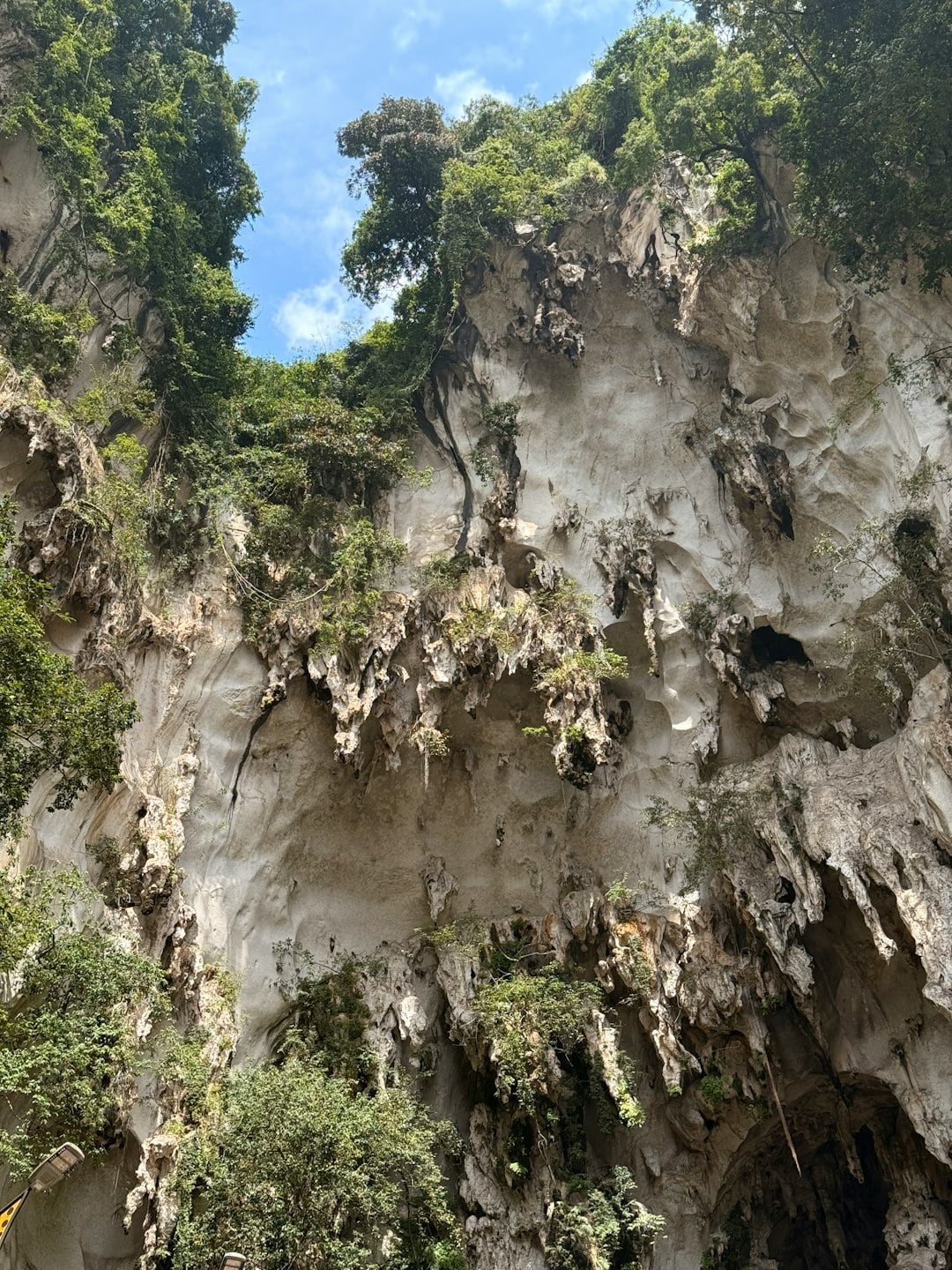
The Caves of Kesh sit open on the limestone face of Keshcorran Hill in County Sligo, visible for miles across the plain below. They’ve been there so long that entire cycles of Irish mythology grew up around them. And not gentle mythology, either — the kind that involves trapped warriors, supernatural women, and the limits of what even the greatest hero can do alone.
A Hill With a Long Memory
Keshcorran Hill rises above the Bricklieve Mountains near Ballymote in central Sligo. The caves — a series of natural openings in the pale limestone — sit near the top of the south face, and from below they look like dark watching eyes.
In Irish, the hill is called Ceis Corainn. Scholars have debated the meaning for generations. It may connect to the shape of the cave mouth itself, or to figures from the oldest Irish texts. Either way, it is one of those Irish place names that carries more history than it first appears to.
Below the caves, the Bricklieve Mountains hold the Carrowkeel passage tombs — a cluster of Neolithic cairns built around 5,500 years ago, aligned so that summer sunset light enters their chambers. These are among the oldest monuments in Ireland, and they were built by people who knew this hillside intimately. Long before any written legend, this landscape was already sacred.
The Hags of Keshcorran
The Fenian Cycle is Ireland’s great body of hero tales. At its centre is Fionn mac Cumhaill — leader of the Fianna, warrior, hunter, and the closest thing Irish mythology has to a figure of supreme earthly power.
And yet, in one of the most compelling tales of the entire cycle, Fionn and his men were captured. Not in battle. Not by enemy warriors. By nine old women sitting in a cave on Keshcorran Hill.
The story is known as The Hags of Keshcorran. The Fianna were hunting the hills of Sligo when they heard music drifting from the cave mouth above them. They climbed to investigate. Inside, nine supernatural women — described in the texts as deeply unsettling in appearance — sat waiting. One by one, the warriors fell under an enchantment. They could not fight. They could not flee. The strength that had carried them across Ireland meant nothing here.
What Magic Looked Like in This Place
In Irish mythology, the Otherworld rarely arrived with dramatic warning. More often it closed around you quietly — the wrong turn on a familiar path, music with no obvious source, a place that felt different from everywhere else.
☘️ Enjoying this? 64,000+ Ireland lovers get stories like this every week. Subscribe free →
Certain corners of Ireland were understood to be thinner than others — where the boundary between this world and the next could be crossed in either direction. Keshcorran was one of those places.
The caves opened into hillside, which in Irish tradition meant they opened towards the Otherworld. When the Fianna walked in, they weren’t just entering a cave. They were crossing a threshold. The hags weren’t simply women with unusual power. They were guardians of something older than the Fianna, older than Fionn’s authority, older than the stories themselves.
How the Fianna Got Free
Not everyone was caught. Caoilte mac Rónáin — one of the swiftest and most loyal of all Fionn’s warriors — had not entered the cave. When he realised what had happened, he came back. Alone.
He fought the nine hags not with superior force but with a kind of stubborn, unstoppable commitment to his companions. When the last hag was defeated, the spell broke. Fionn and the rest of the Fianna walked free.
The story isn’t really about magic. It’s about what happens when great strength is not enough — and what loyalty looks like when there is no obvious reward for it. The Fianna were Ireland’s greatest warriors. It took one quiet man walking back through a dark entrance to get them out.
What You See When You Go Today
The caves are still there and still accessible. There is a path up the hillside and the view from the cave mouth is extraordinary — the fields and farms of Sligo spreading out below, the same view those hags would have had, if the stories are to be believed.
No visitor centre. No interpretation boards. Just limestone, open sky, and a very long history. If you’re planning a trip through Connacht, the Keshcorran caves are one of those places that rewards effort to find. Most visitors to Sligo head straight for the coast and miss the interior entirely.
Why Places Like This Still Matter
The stories attached to Keshcorran are not decoration. They are the record of how people once thought about landscape, power, danger, and loyalty. The Hags of Keshcorran told people something: that even the greatest hero cannot win alone, and that some places demand more than brute strength.
That message was useful enough that it survived the better part of two thousand years in the memory of a people who passed stories mouth to ear before anyone wrote them down.
Stand in the mouth of the cave and look down at the plain below. The story does the rest.
☘️ You Might Also Love
☘️ Join 64,000+ Ireland Lovers
Every Friday, get Ireland’s hidden gems, local secrets, and travel inspiration — the kind you won’t find in any guidebook.
Subscribe free — enter your email:
Free forever · · Unsubscribe anytime
Tours & experiences you might love


Powered by Viator. Some links are affiliate links — we may earn a small commission at no extra cost to you.
Secure Your Dream Irish Experience Before It’s Gone!
Planning a trip to Ireland? Don’t let sold-out tours or packed attractions spoil your journey. Iconic experiences like visiting the Cliffs of Moher, exploring the Rock of Cashel, or enjoying a guided walk through Ireland’s ancient past often sell out quickly—especially during peak travel seasons.

Booking in advance guarantees your place and ensures you can fully immerse yourself in the rich culture and breathtaking scenery without stress or disappointment. You’ll also free up time to explore Ireland’s hidden gems and savour those authentic moments that make your trip truly special.
Make the most of your journey—start planning today and secure those must-do experiences before they’re gone!
Subscribe Free