

Galway sits on Ireland’s west coast, and there is nowhere quite like it. If you are planning a trip to Ireland and wondering about the best things to do in Galway, you are in for a treat. This colourful, creative city is the gateway to the Wild Atlantic Way — and it is full of life, music, history, and some of the finest seafood you will find anywhere on earth. Most visitors arrive expecting a small Irish town. They leave having fallen completely in love with one of the most distinctive cities in Europe.
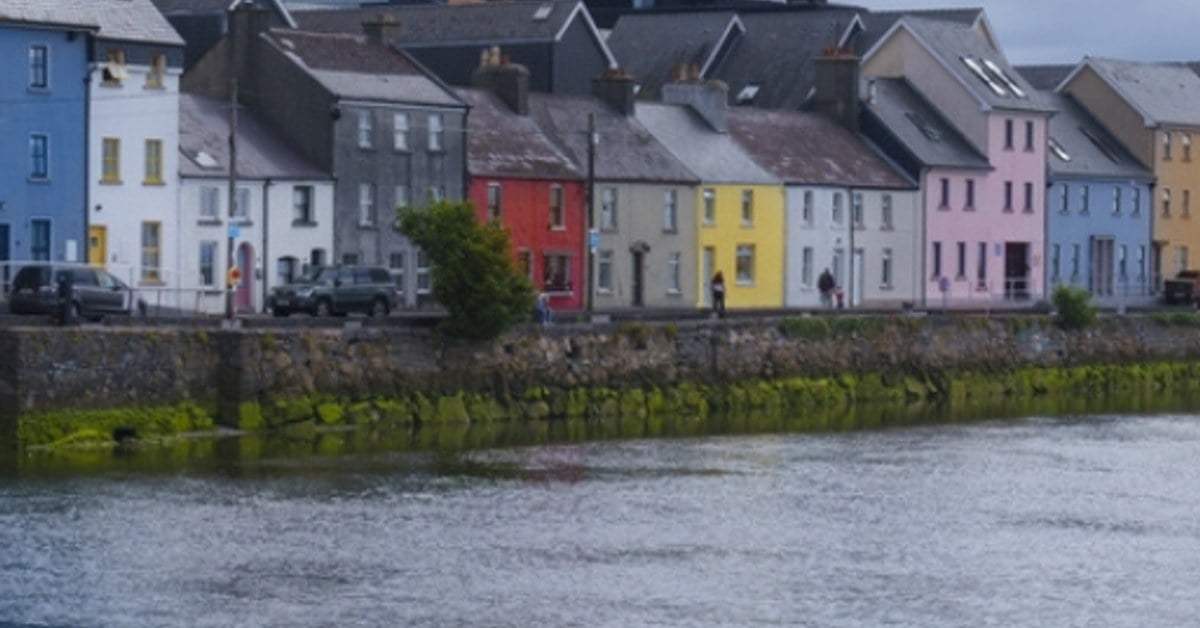
This guide walks you through everything worth doing in Galway — from the medieval lanes of the city centre to the remote islands offshore. It covers the best pubs, the famous ring that was born here, the festivals that draw visitors from across the world, and the incredible day trips that make Galway one of Ireland’s best bases. Before you book, check out our complete Ireland travel planning guide to get the most from your trip.
Why Galway Stands Apart
Galway is Ireland’s fastest-growing city — and it shows. The streets hum with energy. Street musicians fill the corners. The food scene is genuinely exciting. And the old medieval bones of the city are still visible everywhere you look.
It is also the capital of Connacht, the westernmost province of Ireland. That matters for heritage travellers. Millions of Irish-Americans trace their roots to Connacht — particularly to counties Galway, Mayo, and Roscommon. Coming here often feels like coming home, even if it is your first visit.
Galway is compact enough to explore on foot. The city centre is small and walkable. But the region around it — Connemara, the Aran Islands, the Burren — stretches out into some of the wildest and most beautiful landscapes in Europe.
Top Things to Do in Galway City Centre
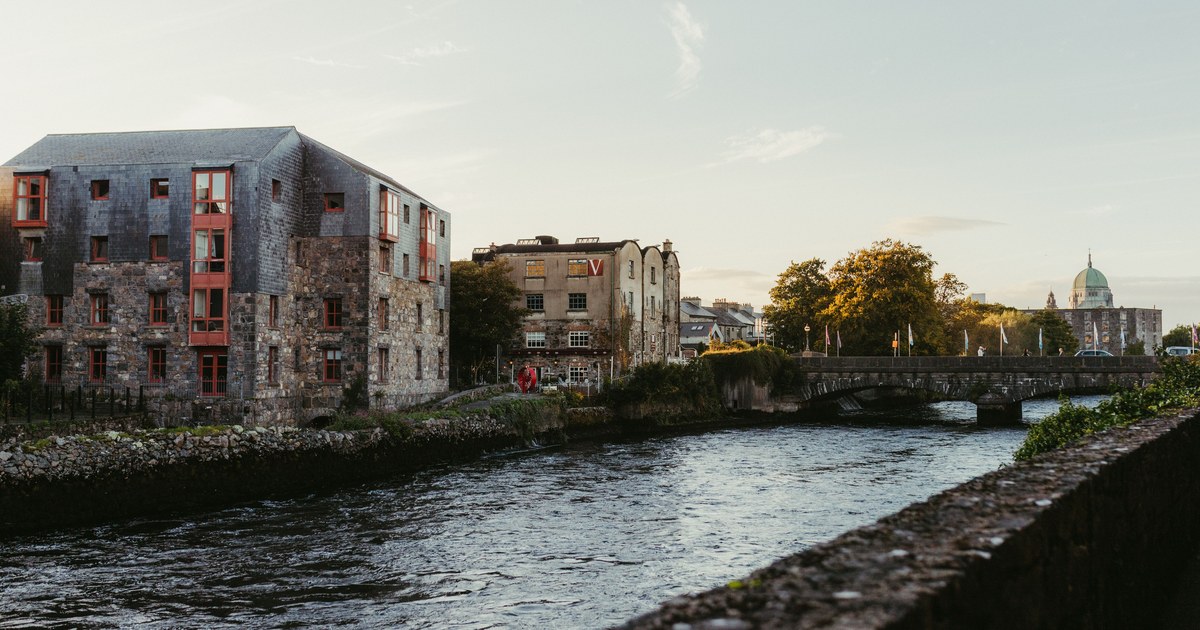
Start your exploration in Galway’s city centre, where the medieval street plan has survived almost intact. The narrow lanes and stone buildings feel like a small medieval town — because they are.
Eyre Square
Eyre Square is the central hub of Galway. It is a large open green space right in the heart of the city, surrounded by shops, hotels, and cafés. The square has changed over the centuries — it was named after Mayor Edward Eyre in 1710 — but it remains the meeting point for locals and visitors alike. Start here to get your bearings. The Galway City Museum is just a short walk away and gives excellent context for the history of the area.
Shop Street and Quay Street
Walk down Shop Street and Quay Street, and you are walking through the oldest part of Galway. These narrow, pedestrianised lanes are lined with colourful shopfronts, independent boutiques, bookshops, and cafés. Street performers play here most afternoons. The atmosphere is unique — nowhere else in Ireland quite has this energy.
On Saturdays, the market at St Nicholas’ Collegiate Church (founded in 1320) fills the surrounding area. Local produce, artisan goods, fresh bread, and hot food stalls make it one of the best markets in the country. If your visit falls on a Saturday, do not miss it.
The Spanish Arch
At the edge of the medieval city, on the bank of the River Corrib, stands the Spanish Arch. Built in 1584, it was originally part of the city walls and was used to protect Spanish trading ships unloading wine and brandy on the quay. Today it is a popular gathering spot. Locals sit on the walls in summer. The riverside walk from here is peaceful and scenic. It is a small but genuinely historic site — and very photogenic.
The Best Day Trips From Galway
Galway is arguably the best base in Ireland for day trips. The Wild Atlantic Way starts practically at the city’s doorstep. Within two hours, you can be on a remote island, inside a Victorian castle, or standing at the edge of a fjord.
The Aran Islands
The Aran Islands are three small limestone islands sitting in Galway Bay. They are among the most extraordinary places in Ireland. Inis Mór, the largest island, is home to Dún Aonghasa — a prehistoric stone fort perched on top of a 100-metre cliff above the Atlantic. There is nothing between you and America. The drop is sheer. The views are extraordinary.
The islands still have strong Gaelic-speaking communities. Many people here use Irish as their everyday language. You can hire a bicycle and explore the lanes, visit ancient forts, and watch the light change over the sea. Ferries run from Galway port throughout the day in summer.
Connemara and Kylemore Abbey
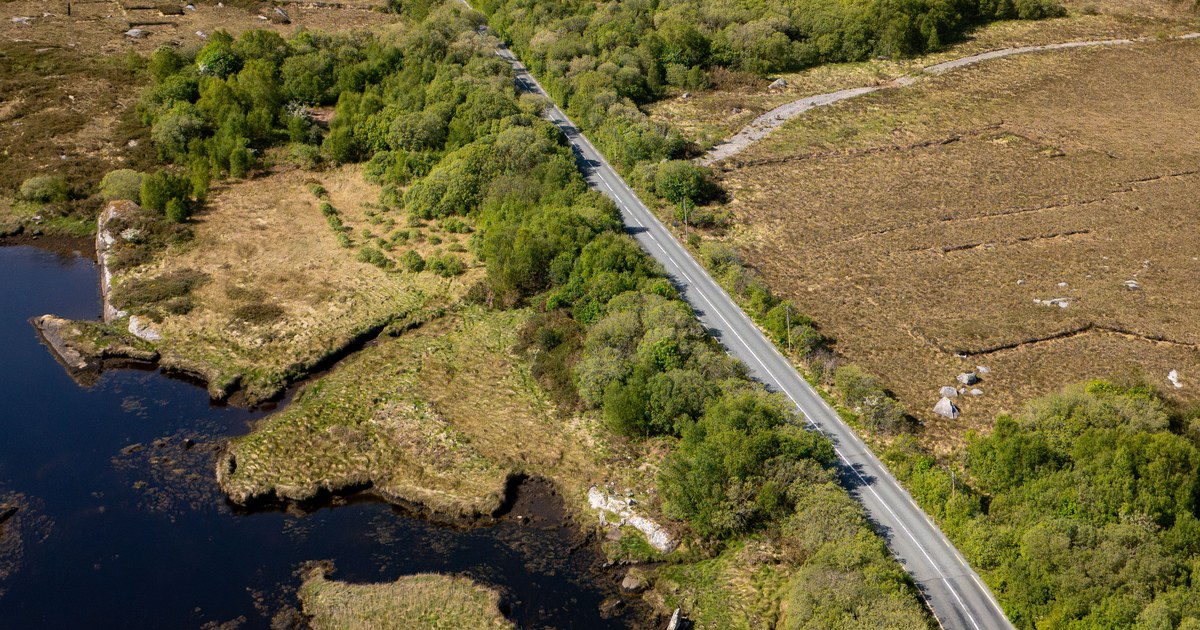
Drive west from Galway and you enter Connemara — a vast, wild landscape of bogs, mountains, and lakes. The sky seems bigger here. The colours of the landscape shift constantly. Locals call it the most beautiful part of Ireland, and it is hard to argue.
Kylemore Abbey sits at the centre of Connemara and is worth the drive alone. It is a 19th-century Gothic Revival castle built on the edge of a lake, with mountains rising behind it. The Benedictine nuns who live there have maintained it since 1920. The Victorian walled garden is one of the finest restored walled gardens in Ireland. The whole site is genuinely breathtaking.
If you want to explore further, drive to Killary Fjord — Ireland’s only fjord, where the water runs deep between mountains. The mussels farmed in the fjord are some of the best in the country. You can also read about the wild island off Connemara that most visitors never visit.
☘️ Enjoying this? 64,000+ Ireland lovers get stories like this every week. Subscribe free →
Thinking about it for retirement?
If you’ve started thinking seriously about retiring there, our complete Retire in Ireland guide covers the visa, healthcare, cost-of-living, and the regions worth shortlisting.
Eating and Drinking in Galway
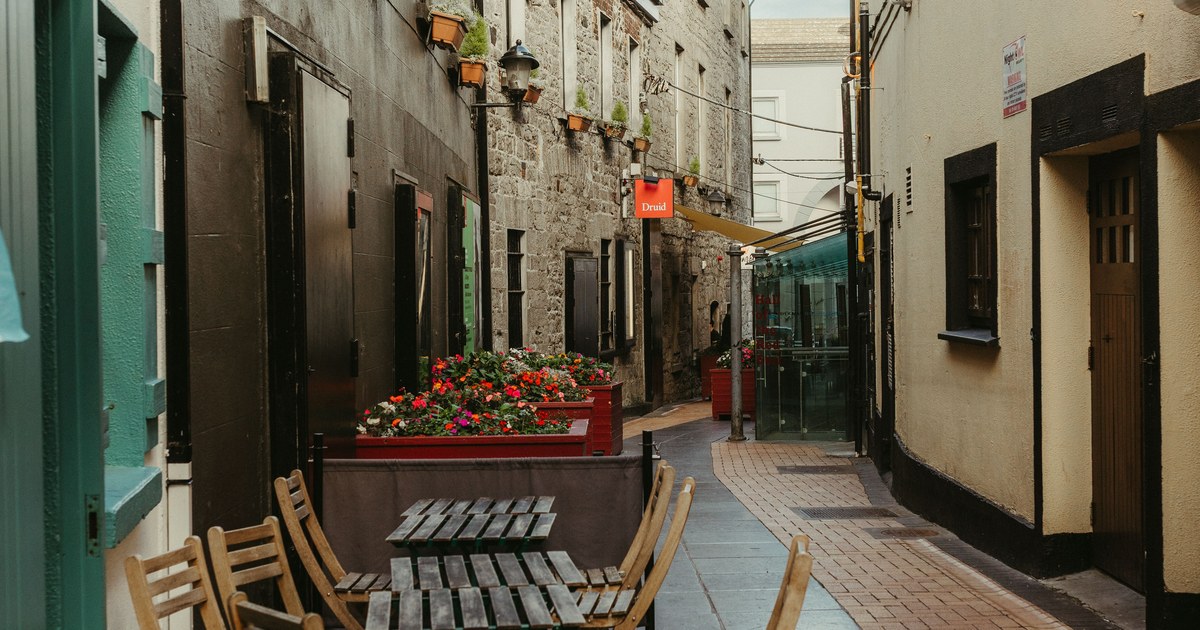
Galway has a food scene that surprises first-time visitors. It is far beyond what you would expect from a city of its size. The seafood is world-class. The pub culture is genuine. And the trad music sessions make even a simple drink feel like a night to remember.
Galway Bay Oysters
Galway Bay oysters are famous across Europe. The cold, nutrient-rich Atlantic waters produce oysters of exceptional quality. Every September, the Galway International Oyster and Seafood Festival celebrates the opening of the oyster season with competitions, tastings, and events across the city. It has been running since 1954 and is one of Ireland’s oldest food festivals.
You can eat fresh oysters at Moran’s Oyster Cottage in Kilcolgan, just south of Galway city — a thatched pub that has been serving oysters since the 18th century. Or try Ard Bia at Nimmo’s, right beside the Spanish Arch, for a broader menu of Galway’s finest local produce.
Where to Find Trad Music
Galway has some of the best traditional music sessions in Ireland. You will find them most nights of the week in pubs across the city. Tigh Coilí on Mainguard Street is one of the most authentic trad pubs in the country — sessions here are genuine, not performances for tourists. The King’s Head on High Street occupies a building with over 800 years of history and pub roots stretching back to the 1600s, with music and a warm atmosphere.
If you want to understand what really goes on in an Irish pub, read our guide to what happens after the pub doors are locked. Galway’s pub culture is some of the richest in Ireland.
The Claddagh — Where the Famous Ring Was Born
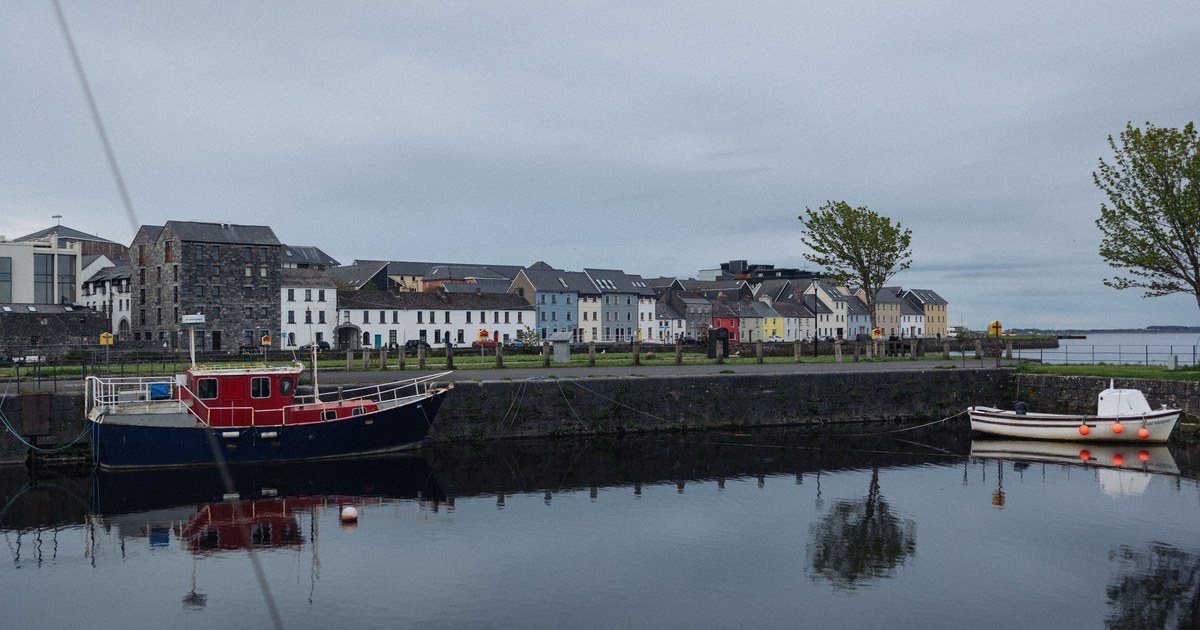
Just outside the old city walls, on the western bank of the River Corrib, sits the Claddagh. It is a small, quiet neighbourhood today — but it carries enormous significance. The Claddagh ring was born here.
The ring shows two hands holding a crowned heart. The hands represent friendship, the heart represents love, and the crown represents loyalty. The tradition of wearing the Claddagh ring spread across the Irish diaspora during the 19th century. Today, Irish-Americans, Irish-Australians, and Irish people worldwide still wear it. The design originated with a goldsmith from this small fishing community in the 17th century.
Walk through the Claddagh neighbourhood on any quiet morning. It is peaceful, residential, and gives a very different feel from the busy city centre. The old fishing community that once lived here in thatched cottages has long since moved on, but the name and the ring live on.
Salthill and the Sea
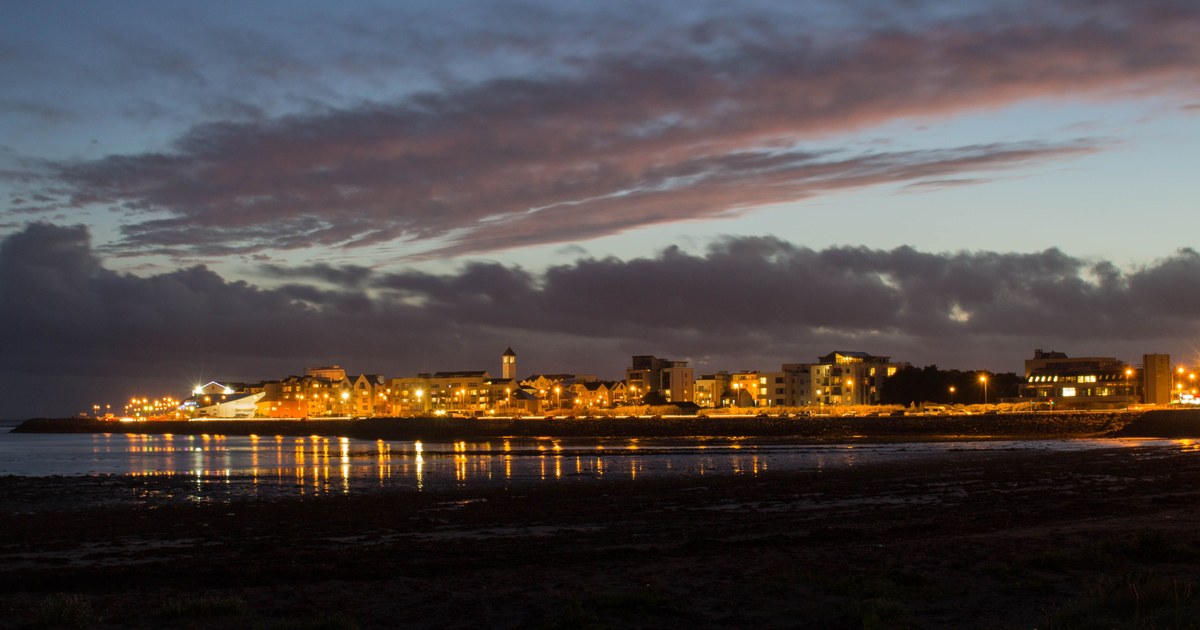
A twenty-minute walk along the coastal road from the city centre brings you to Salthill, Galway’s seaside neighbourhood. The Salthill Promenade stretches for two kilometres along the edge of Galway Bay. The views across the bay to the Burren hills of County Clare are magnificent on a clear day.
The local tradition is to kick the wall at the end of the promenade — a Galway ritual that nobody can quite explain but that everyone does. Swimming in Galway Bay is popular all year round, despite the cold. The diving boards at Blackrock, right on the bay, are a Galway institution. On summer evenings, locals queue to jump into the sea from the old Victorian diving platform.
Galway’s Best Festivals
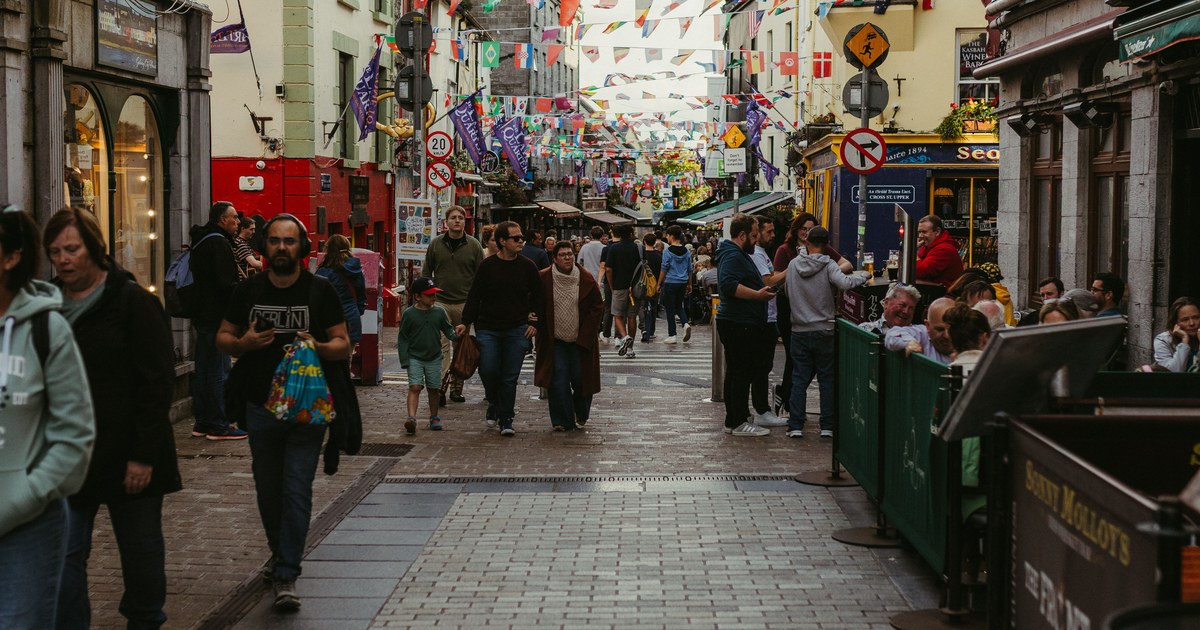
Galway punches far above its weight for festivals. For a city of fewer than 100,000 people, its cultural calendar is extraordinary.
The Galway International Arts Festival takes place every July and brings tens of thousands of visitors to the city. Street theatre, large-scale art installations, major musical performances, and theatre fill the city for two weeks. It is one of the largest arts festivals in Europe.
The Galway Film Fleadh runs in the same month — one of the oldest film festivals in Ireland, known for premiering films that go on to win international awards.
In September, the Galway International Oyster and Seafood Festival marks the start of oyster season. And throughout the year, Galway hosts literary festivals, food markets, and music events that reflect the city’s deep creative character.
Planning Your Visit to Galway
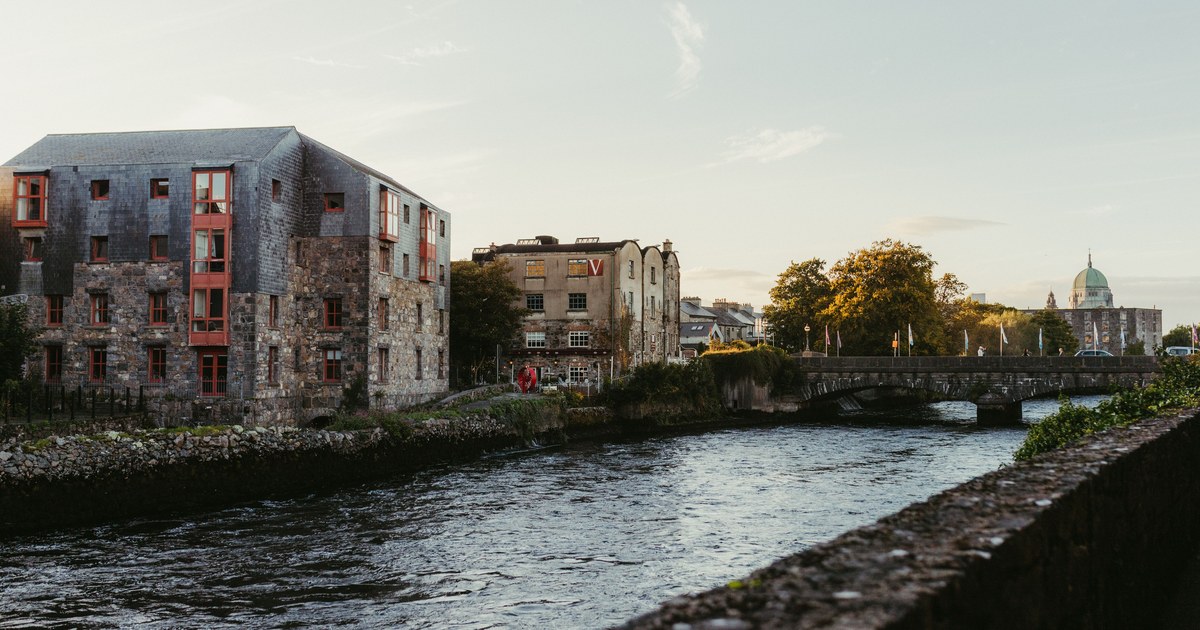
Galway is roughly two to two-and-a-half hours by car or bus from Dublin. Direct buses run from Dublin’s Busáras station throughout the day, with one-way fares typically starting from around €20 to €25 (cheaper when booked in advance). Trains from Dublin Heuston take around two and a half hours. The city is very walkable once you arrive — you will rarely need a taxi in the centre.
The best time to visit is between May and September, when the weather is at its most reliable and the festivals are in full swing. That said, Galway in winter has its own character. The Christmas Market in Eyre Square is one of Ireland’s best. And the city is far less crowded from October through March.
Allow at least two full days for Galway city itself. Add a third day for a day trip to the Aran Islands or Connemara. You can also use Galway as a base to explore County Sligo to the north or Waterford to the south as part of a wider Ireland itinerary. For full trip planning, start with our Ireland travel planning hub.
Frequently Asked Questions About Galway
What is the best time to visit Galway?
The best time to visit Galway is between May and September. The weather is warmest in July and August, and the city’s major festivals — the Arts Festival and Oyster Festival — run in summer and autumn. May and June offer good weather with smaller crowds than the peak summer months.
How far is Galway from Dublin?
Galway is approximately 220 kilometres west of Dublin. By car, the journey takes around two hours on the M6 motorway. Buses and trains make the same journey in roughly two to two-and-a-half hours. Direct bus services are frequent and affordable.
Is Galway worth visiting?
Yes — Galway is one of the most rewarding cities in Ireland to visit. It combines a lively, walkable city centre with easy access to some of Ireland’s most dramatic landscapes. The Aran Islands, Connemara, and the Burren are all within easy reach. Most visitors say they wish they had allowed more time.
Where does the Claddagh ring come from?
The Claddagh ring originated in the Claddagh neighbourhood of Galway city in the 17th century. A local goldsmith named Richard Joyce is credited with creating the original design. The ring spread worldwide through the Irish diaspora during the 19th century and remains one of the most recognised symbols of Irish heritage today.
☘️ Your Irish family has a story waiting to be found.
Discover where your Irish ancestors came from — their county, their name, their story. Our free step-by-step guide walks you through every record, DNA tool, and ancestry archive. No experience needed.
Already subscribed? Download your free Ireland guide (PDF)
📲 Know someone who’d love this? Share on WhatsApp →
Love more? Join 43,000 Scotland lovers → · Join 30,000 Italy lovers → · Join 7,000 France lovers →
Free forever · · Unsubscribe anytime
Tours & experiences you might love


Powered by Viator. Some links are affiliate links — we may earn a small commission at no extra cost to you.
Secure Your Dream Irish Experience Before It’s Gone!
Planning a trip to Ireland? Don’t let sold-out tours or packed attractions spoil your journey. Iconic experiences like visiting the Cliffs of Moher, exploring the Rock of Cashel, or enjoying a guided walk through Ireland’s ancient past often sell out quickly—especially during peak travel seasons.

Booking in advance guarantees your place and ensures you can fully immerse yourself in the rich culture and breathtaking scenery without stress or disappointment. You’ll also free up time to explore Ireland’s hidden gems and savour those authentic moments that make your trip truly special.
Make the most of your journey—start planning today and secure those must-do experiences before they’re gone!
Subscribe Free