

Most visitors to Connemara stand at the water’s edge and stare at the islands scattered across Galway Bay without ever crossing to them. One of those islands holds a 1,400-year-old story — and its very name is a legend. Inisbofin, eight kilometres off the coast of County Galway, is the Ireland most tourists miss entirely.
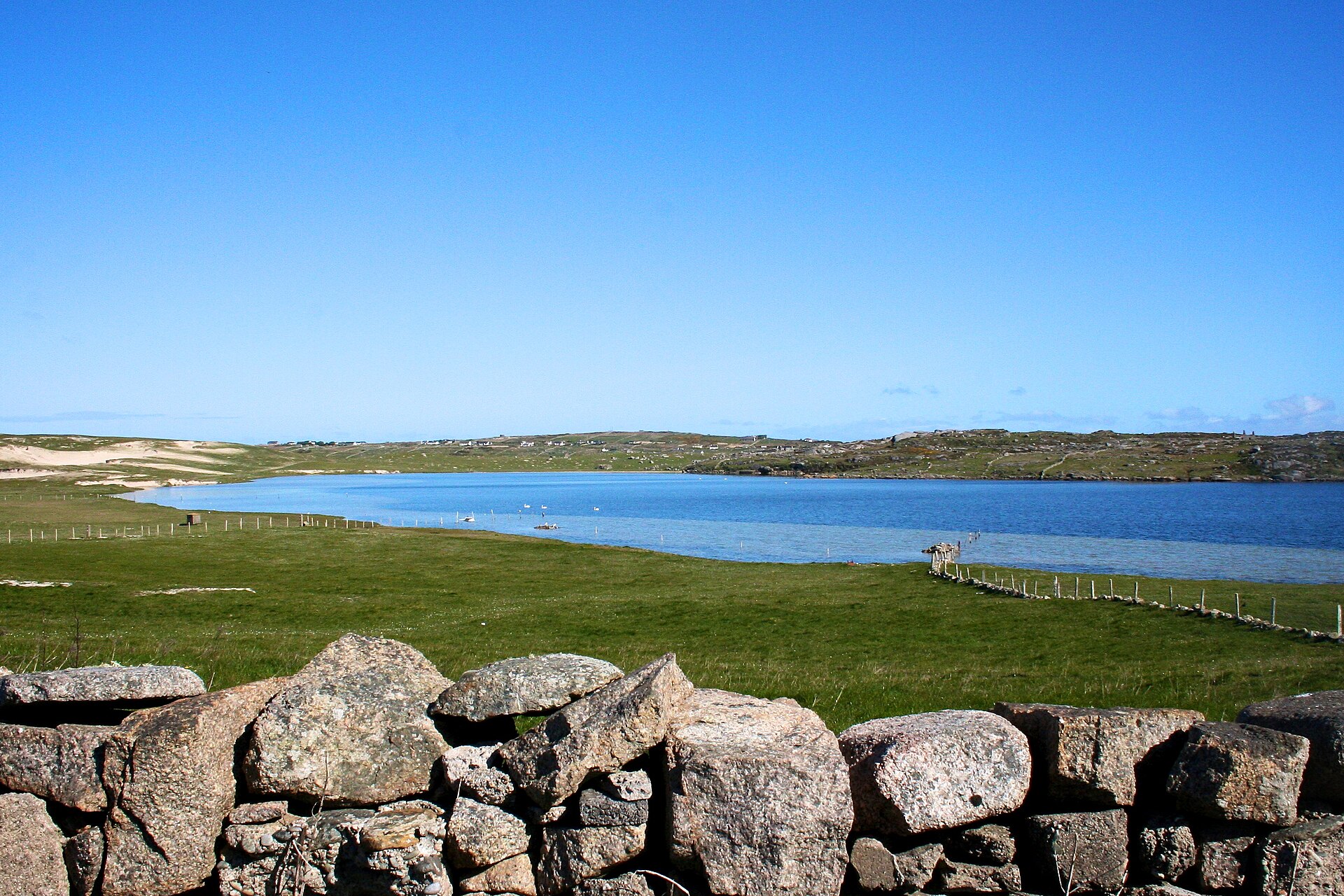
The Legend Behind the Name
In Irish, Inis Bó Finne means “Island of the White Cow.” The name comes from a very old story.
A druidic woman was said to keep a magical white cow on the island, hidden under an enchantment. Sailors who tried to take the cow were struck down or turned to stone. When two brothers finally broke the spell, the mist that had long shrouded the island lifted. The land was freed, and people could settle there at last.
The name stuck. And something of that sense of concealment remains — Inisbofin still feels like a place you have to earn, one short Atlantic crossing at a time.
The Monk Who Chose the Island Over Everything Else
In 668 AD, a scholar named Colmán made a decision that shaped the island for centuries. He had been Bishop of Lindisfarne on the north coast of England, but after losing a great debate about the dating of Easter, he chose to leave. He sailed west, past the Irish mainland, and kept going until he found Inisbofin.
There, he founded a monastery. The stone ruins of that settlement are still visible today, quietly crumbling near the harbour, half-forgotten among the sea pinks and sheep grass.
For centuries, Inisbofin was a place monks and scholars sought out precisely because it was difficult to reach. The island kept its secrets. It still does.
If you’re planning a trip to the west of Ireland, the Ireland travel planning guide covers everything you need before you go.
What Life on Inisbofin Looks Like Today
About 170 people live on Inisbofin year-round. There are no traffic lights, no ATM, no chain stores, and no fast food. The island runs at its own pace, shaped by tides and weather rather than timetables.
Fishing has always been the core of life here. Traditional currachs — the same type of lightweight hide-covered boat that has crossed these waters for thousands of years — are still part of the island’s identity. If you want to understand why the currach outlasted every other boat design on the Irish coast, Inisbofin is a good place to start asking questions.
The harbour is one of the finest natural anchorages on the whole west coast. Ships have sheltered here in storms for at least two millennia. Standing at the pier on a blustery afternoon, watching the swell roll in off the Atlantic, that history is easy to feel.
☘️ Enjoying this? 64,000+ Ireland lovers get stories like this every week.
Thinking about it for retirement? If you’ve started thinking seriously about retiring there, our complete our full Retire in Ireland guide covers the visa, healthcare, cost-of-living, and the regions worth shortlisting.
The Annual Arts Festival That Draws People From Everywhere
Every August, Inisbofin comes alive with the Inisbofin Arts Festival, which brings musicians, writers, visual artists and storytellers to the island for a long weekend.
Sessions happen in the pub. Readings take place on the hillside. Workshops run in converted outbuildings. It is, by all accounts, one of the least pretentious arts gatherings in Ireland.
There’s something about being surrounded by open water that strips away the performance of it. People come to Inisbofin and they’re simply here, in a way that’s hard to replicate on the mainland.
How to Get to Inisbofin
The ferry to Inisbofin runs from Cleggan Pier in County Galway. The crossing takes about 45 minutes. Services run from Easter through to late October, weather permitting.
Cleggan itself is a small fishing village about 16 kilometres from Clifden. If you’re hiring a car, the drive from Galway city through Connemara takes roughly 90 minutes and is worth it on its own terms.
Once on the island, accommodation ranges from Inisbofin House Hotel to family-run B&Bs. There’s no need to rent a car on the island — you can walk its full loop in three hours or hire a bicycle for the afternoon.
Some visitors come for a day trip. Those who stay longer often find it’s not quite enough. The island has a way of making the mainland feel very far away, even when it isn’t.
For island travellers who want to understand why leaving Ireland can feel so final, the story of the last people to leave the Great Blasket Island puts the whole experience in perspective.
Inisbofin is not wild in the dramatic, Instagram-ready sense. It’s wild in the older way — the way of weather that comes without warning, of tides that set the schedule, of a community that decided long ago that it was going to stay put and live on its own terms. That’s rare anywhere. On an island eight kilometres from the Irish mainland, it is extraordinary.
☘️ Join 64,000+ Ireland Lovers
Every Friday, get Ireland’s hidden gems, local secrets, and travel inspiration — the kind you won’t find in any guidebook.
Subscribe free — enter your email:
Love more? Join 43,000 Scotland lovers → · Join 30,000 Italy lovers → · Join 7,000 France lovers →
Free forever · · Unsubscribe anytime
Tours & experiences you might love


Powered by Viator. Some links are affiliate links — we may earn a small commission at no extra cost to you.
Secure Your Dream Irish Experience Before It’s Gone!
Planning a trip to Ireland? Don’t let sold-out tours or packed attractions spoil your journey. Iconic experiences like visiting the Cliffs of Moher, exploring the Rock of Cashel, or enjoying a guided walk through Ireland’s ancient past often sell out quickly—especially during peak travel seasons.

Booking in advance guarantees your place and ensures you can fully immerse yourself in the rich culture and breathtaking scenery without stress or disappointment. You’ll also free up time to explore Ireland’s hidden gems and savour those authentic moments that make your trip truly special.
Make the most of your journey—start planning today and secure those must-do experiences before they’re gone!
Subscribe Free