

Ireland is made for walking. From surf-battered Atlantic cliffs to quiet lake valleys and holy mountains, few countries pack so much variety into such a small island. Below are ten of the best walks and hikes across the country, chosen as a mix of gentle strolls and proper climbs so there is something here whether you want an easy afternoon or a lung-busting summit.
A quick word on safety before you set off. Irish weather changes fast, so check the forecast, wear proper walking footwear, and carry a waterproof and some water even on short routes. On the more exposed cliff and mountain walks, keep well back from edges, tell someone your plan, and turn back if the cloud comes down. All distances and times below are approximate; treat them as a rough guide rather than a promise.
1. Cliffs of Moher Coastal Walk (Clare)
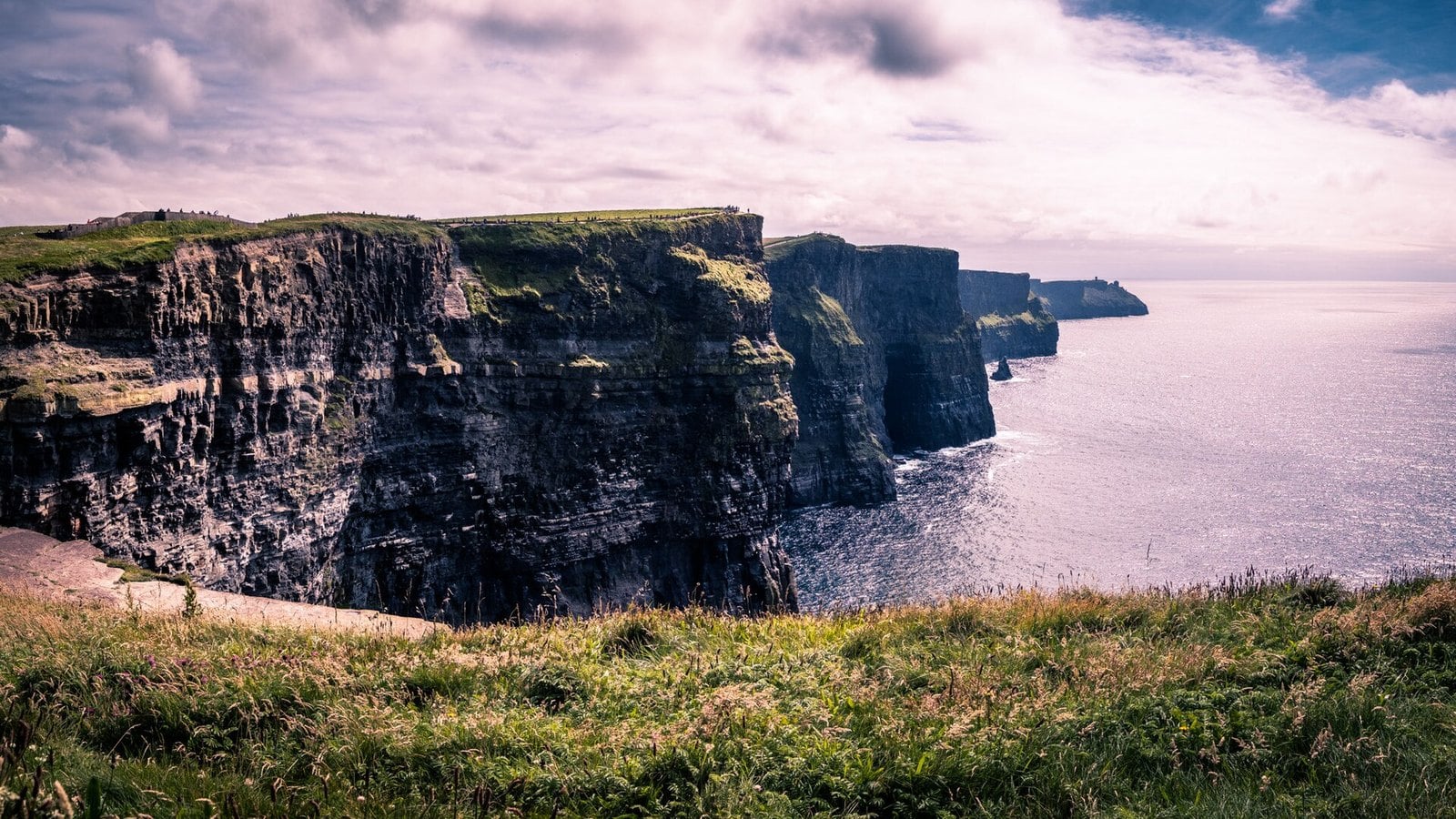
This is the walk most visitors picture when they think of Ireland’s Atlantic edge, running along the tops of the famous cliffs in County Clare. The full coastal trail linking Doolin, the main visitor centre and Hag’s Head runs to roughly 14 kilometres, though the stretch south of the visitor centre towards Hag’s Head is currently closed for safety works, so most people instead walk the shorter, easier section near the visitor centre. The path is unfenced in places and the drops are sheer, so keep well back from the edge and go carefully in wind. On a clear day the views stretch to the Aran Islands and the hills of Connemara.
2. Howth Cliff Walk (Dublin)
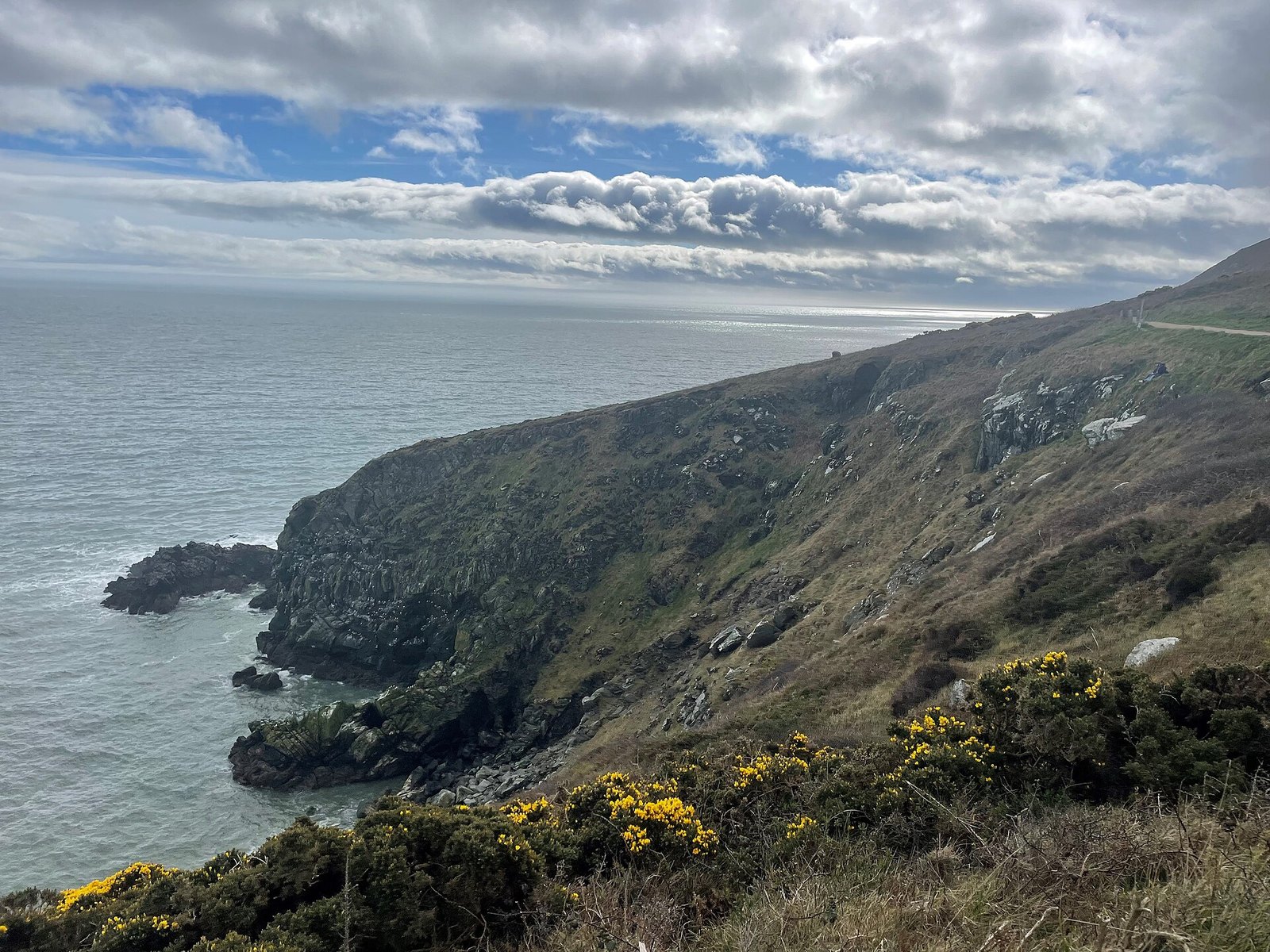
Just north of Dublin city, the Howth peninsula offers a looped cliff path that is one of the capital’s most rewarding half-day outings. The best-known loop is around six kilometres of moderate walking, with heather and gorse on one side and the Irish Sea on the other. You will pass the Baily Lighthouse and, on a clear day, can see across to the Mourne Mountains. It is easily reached by DART train, which makes it a favourite escape for locals and visitors alike.
3. Diamond Hill, Connemara (Galway)
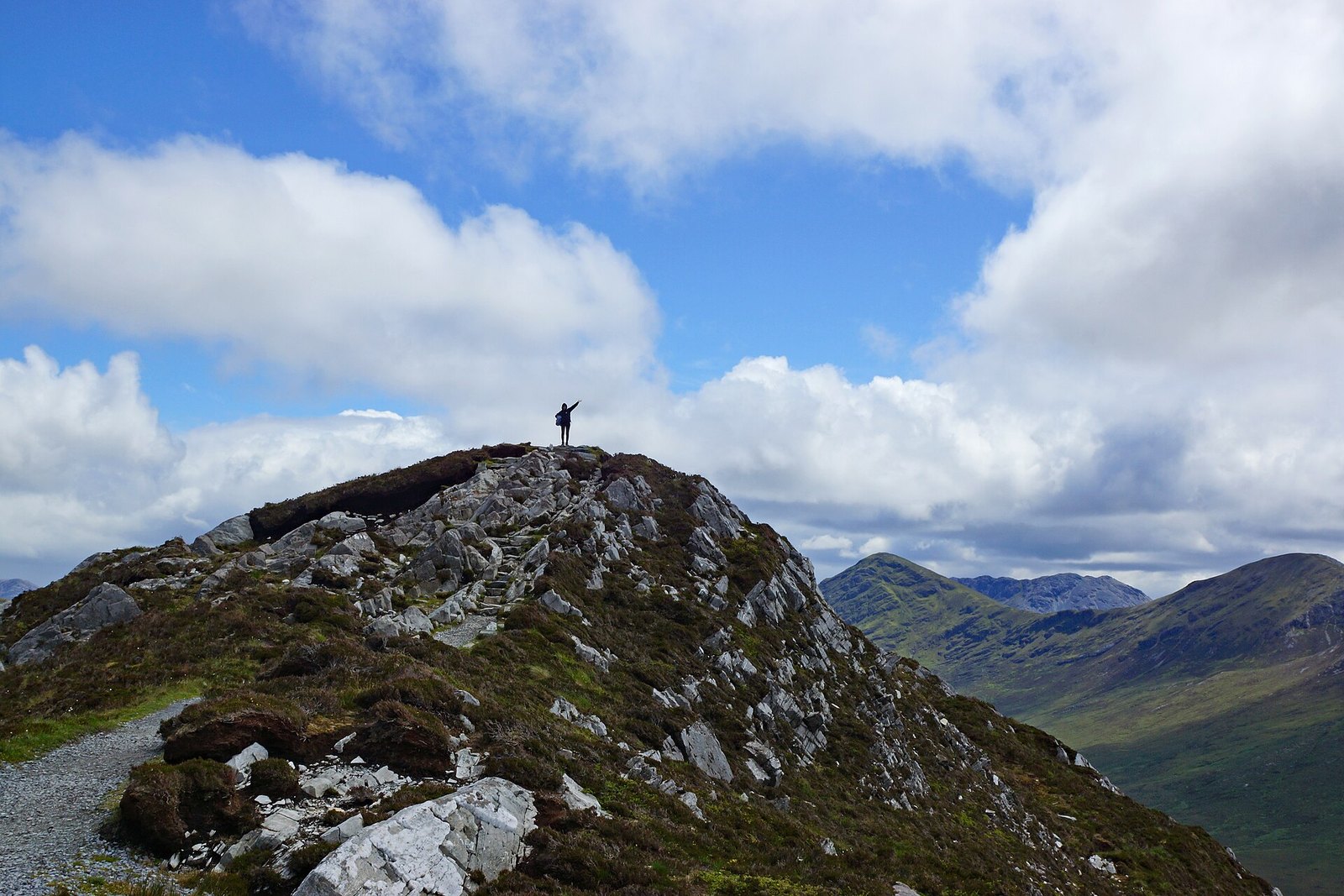
Rising above Connemara National Park near Letterfrack, Diamond Hill delivers some of the finest views in the west for a relatively modest effort. The looped walk to the summit is around seven kilometres and takes most walkers a couple of hours, on well-made boardwalk and stone steps. From the top you look out over the Twelve Bens, Kylemore Abbey and the island-scattered Atlantic coast. It is a moderate climb rather than a hard one, which makes it a great introduction to Irish hill walking.
4. Croagh Patrick (Mayo)
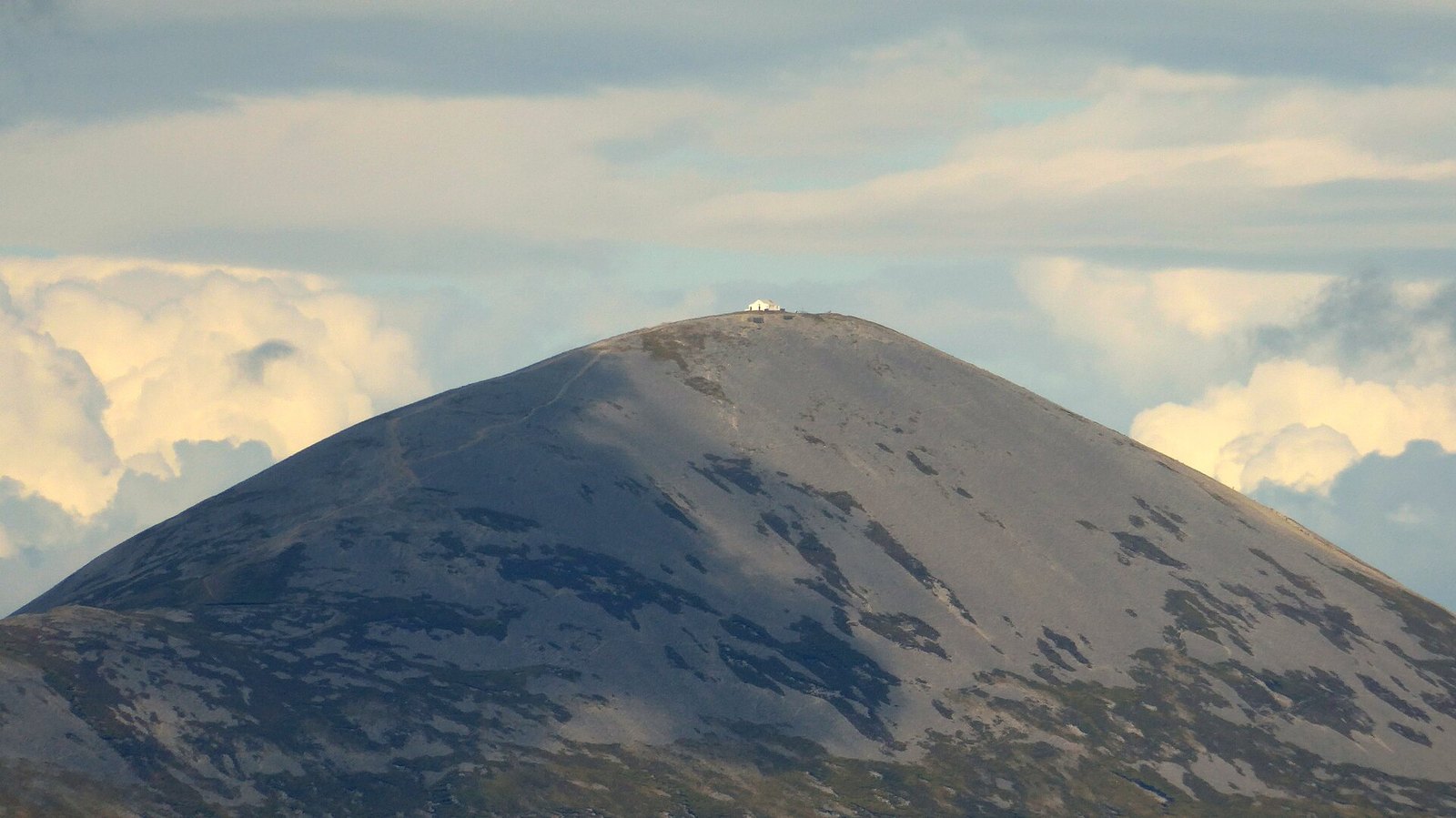
Ireland’s holy mountain stands above Clew Bay in County Mayo and has drawn pilgrims for well over a thousand years. The climb to the summit and back is roughly seven kilometres but genuinely steep and rough underfoot, especially the loose scree near the top, so it is more strenuous than the distance suggests. Allow the best part of a day, wear proper boots and take your time on the descent. The reward is a sweeping view over Clew Bay and its scatter of small islands.
5. Glendalough (Wicklow)
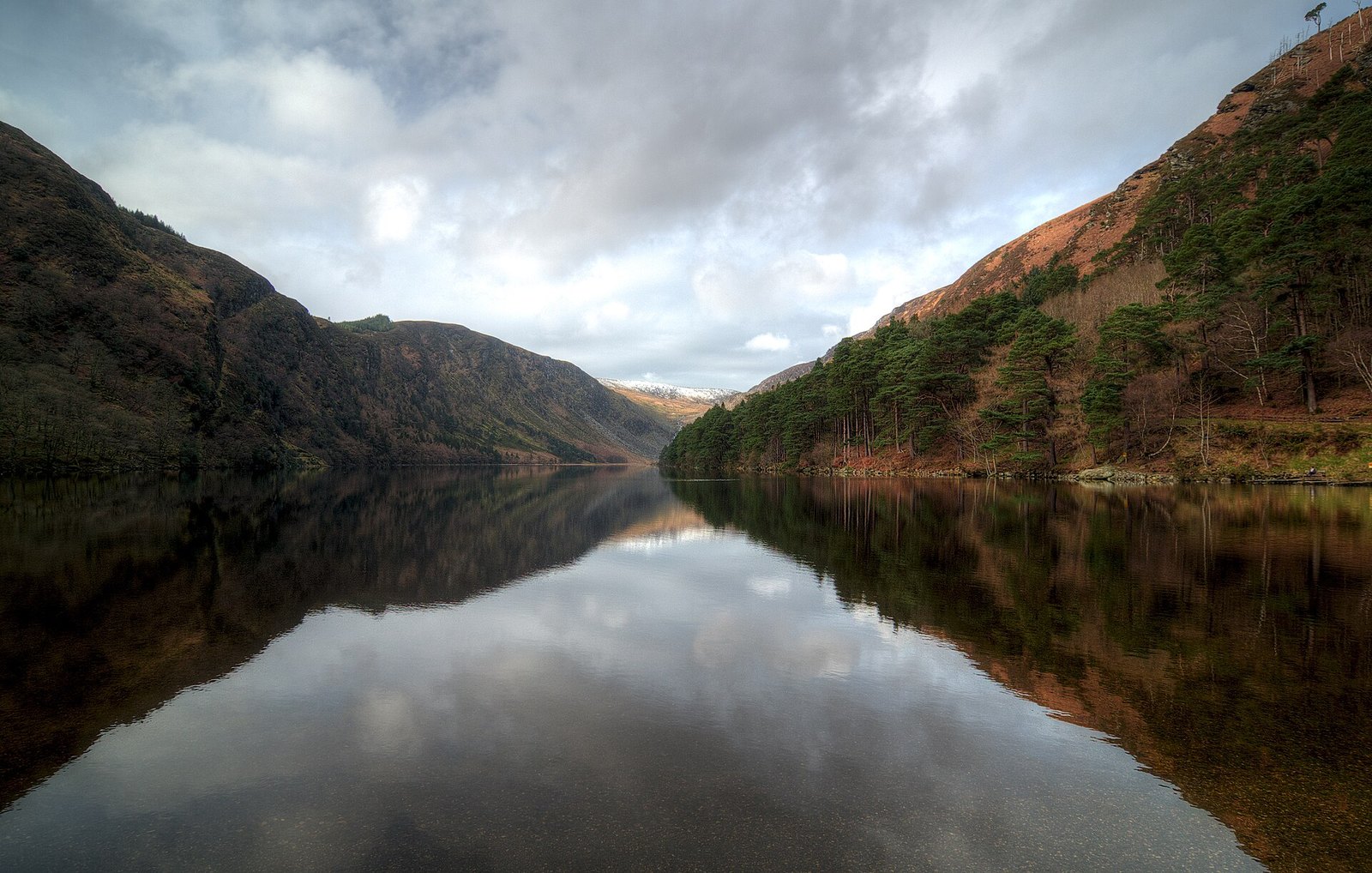
Glendalough, the glen of two lakes, sits in the heart of the Wicklow Mountains and pairs an ancient monastic settlement with a network of colour-coded walking trails. Options range from a gentle lakeside stroll of a couple of kilometres to the more demanding Spinc route, a longer loop of around nine kilometres on boardwalk and forest track. The higher trails climb above the Upper Lake for a wonderful view down the valley. It is an easy day trip from Dublin and suits families as well as keener walkers.
6. Slieve League (Donegal)
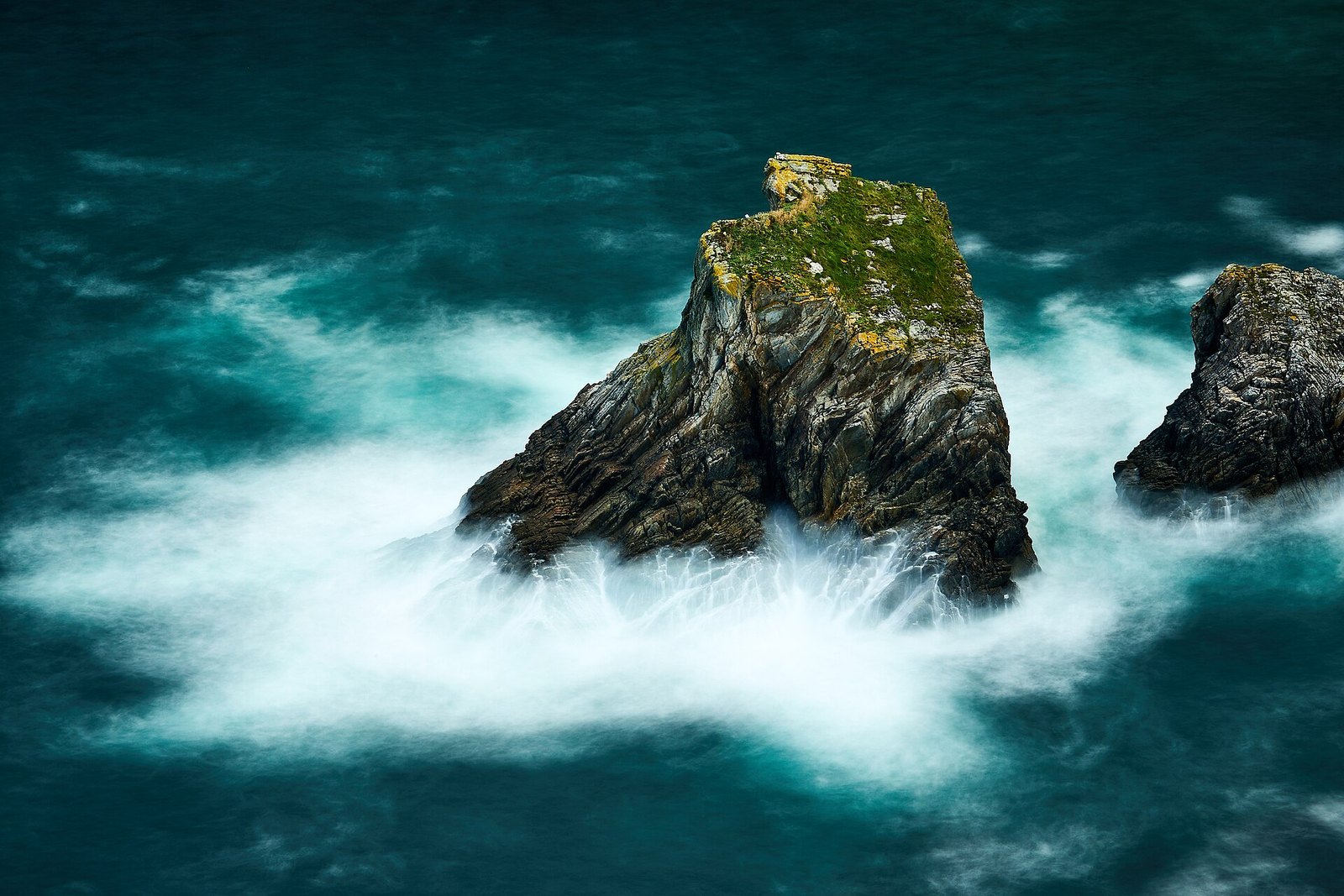
The sea cliffs at Slieve League in south-west Donegal are among the highest in Europe, plunging close to 600 metres into the Atlantic. From the upper car park a viewing point is reached in a short, easy walk, while the exposed path onward towards the ridge known as One Man’s Pass is far more challenging and only for confident, experienced walkers in good weather. Even the shorter walk gives a genuine sense of scale and wildness. Check conditions before you go, as cloud and wind roll in quickly on this coast.
7. Bray to Greystones Cliff Walk (Wicklow)
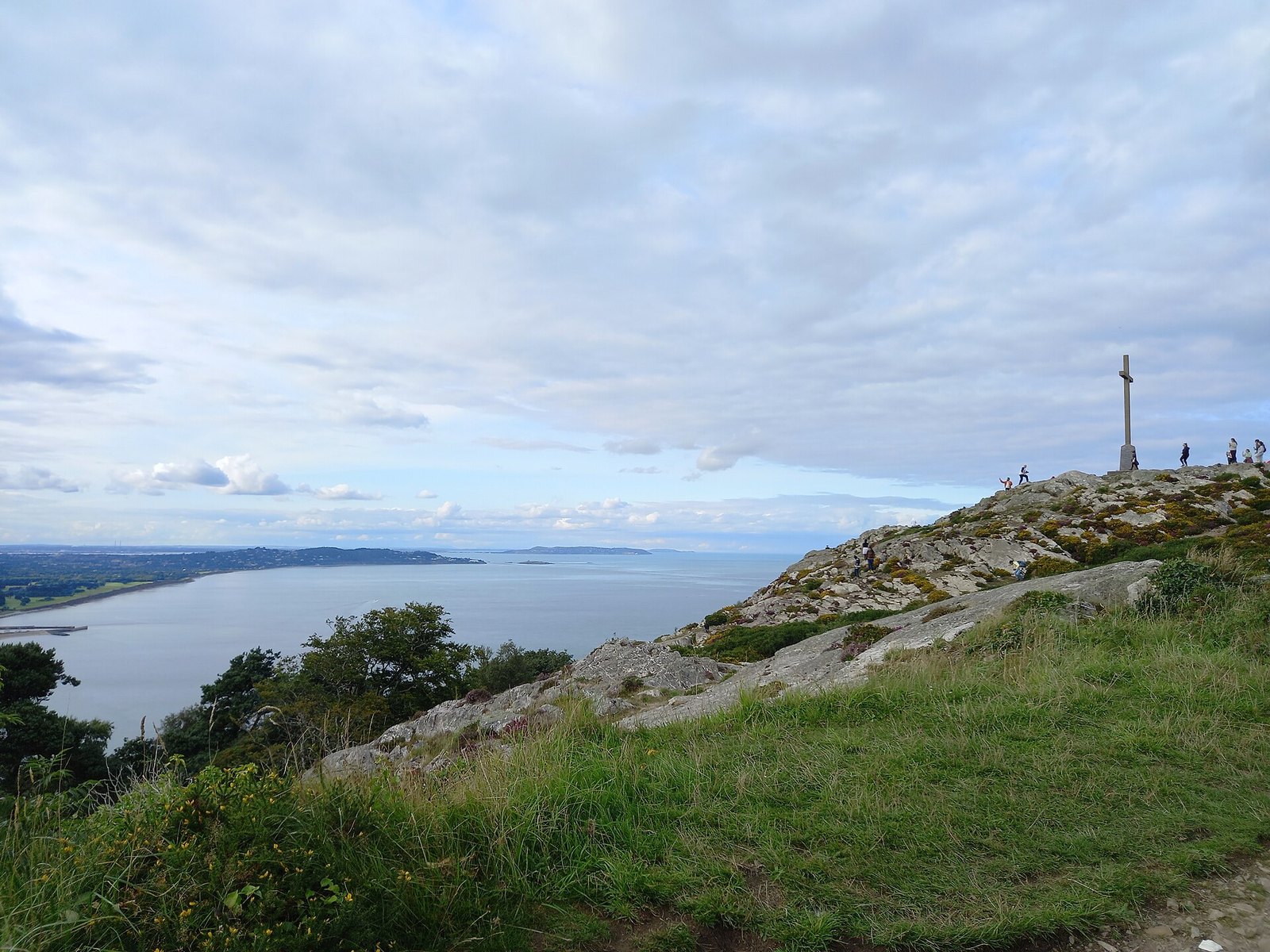
This well-loved coastal path hugs the flank of Bray Head as it links the seaside town of Bray with neighbouring Greystones in County Wicklow, running for roughly seven kilometres and mostly easy going, following the line of the railway high above the Irish Sea. The full route has been closed since 2021 due to landslide risk, and Wicklow County Council does not expect it to reopen before around 2029, so check the latest status before planning a trip. In the meantime the shorter, standalone Bray Head Loop remains open and makes a fine walk in its own right, with the option of catching the DART back from either end. Look out for seabirds on the cliffs and, on a fine day, long views down the coast.
8. Torc Waterfall, Killarney (Kerry)
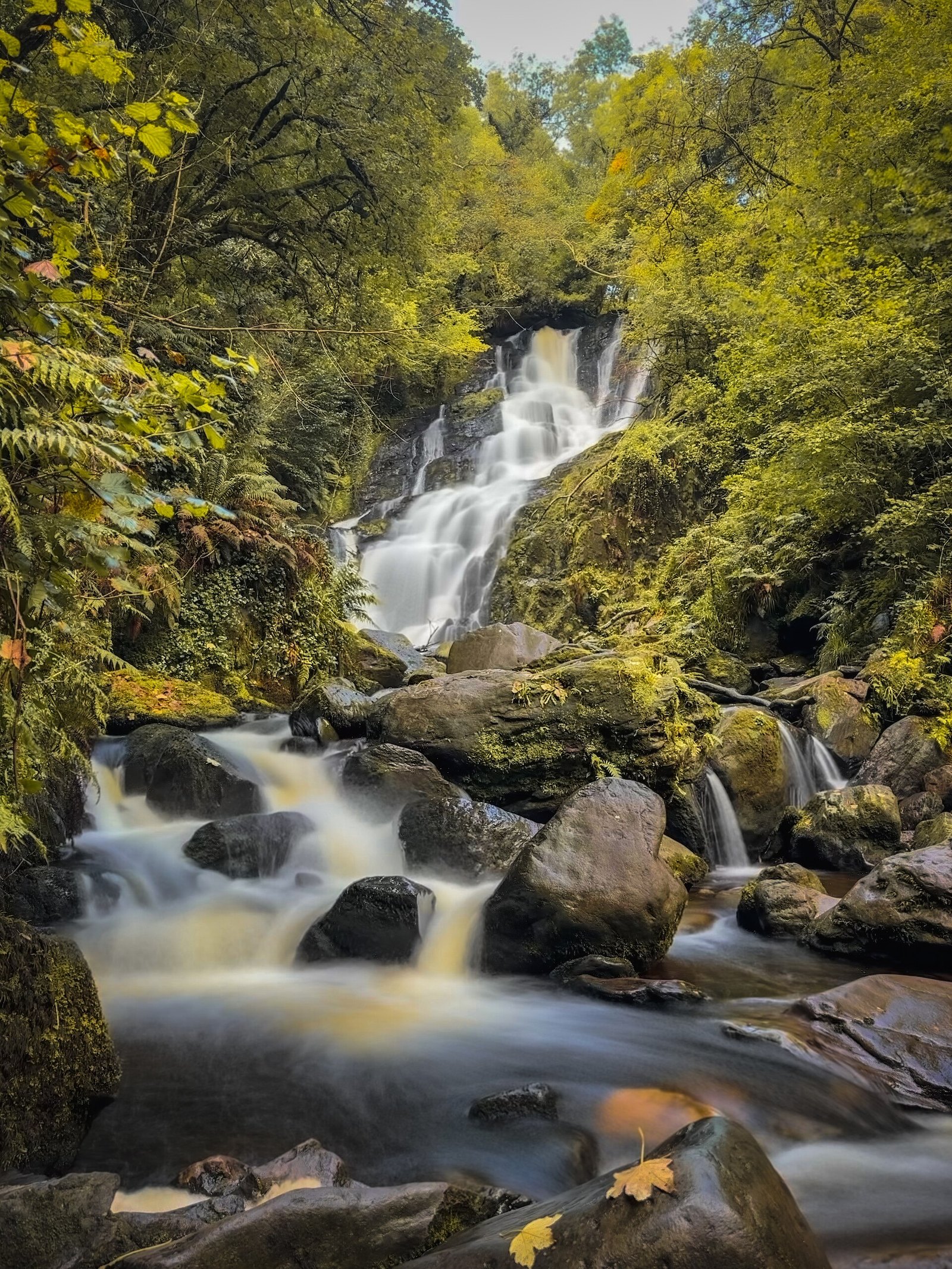
Set within Killarney National Park in County Kerry, Torc Waterfall is one of the most accessible beauty spots in the south-west. The falls themselves are only a short, easy stroll of a few hundred metres from the car park, making them ideal for a quick leg-stretch. Keener walkers can continue up the steps beside the cascade and onto longer looped trails through oak woodland with fine views over Muckross Lake. It works well as part of a wider day exploring the Ring of Kerry.
9. Giant’s Causeway Cliff Path (Antrim)
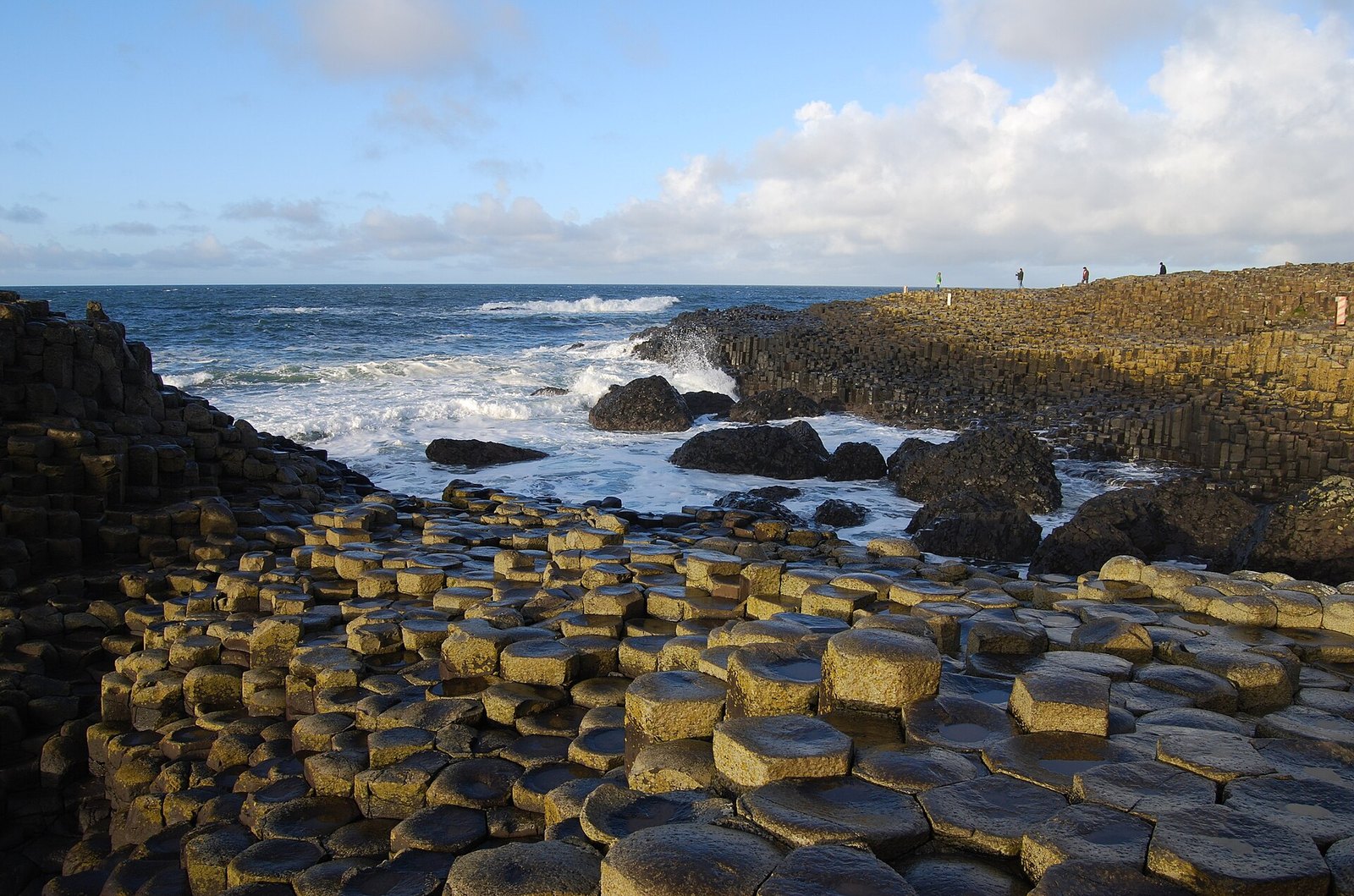
On the north Antrim coast, the famous basalt columns of the Giant’s Causeway can be combined with a superb clifftop walk high above them. The main site is reached on an easy path, while the cliff-top trail forms a moderate loop of several kilometres taking in dramatic bays and rock formations. Steps link the upper path back down to the stones, so you can tailor the length to suit. The exposed cliff sections call for care and sensible footwear, particularly in wet or windy weather.
10. Gap of Dunloe (Kerry)
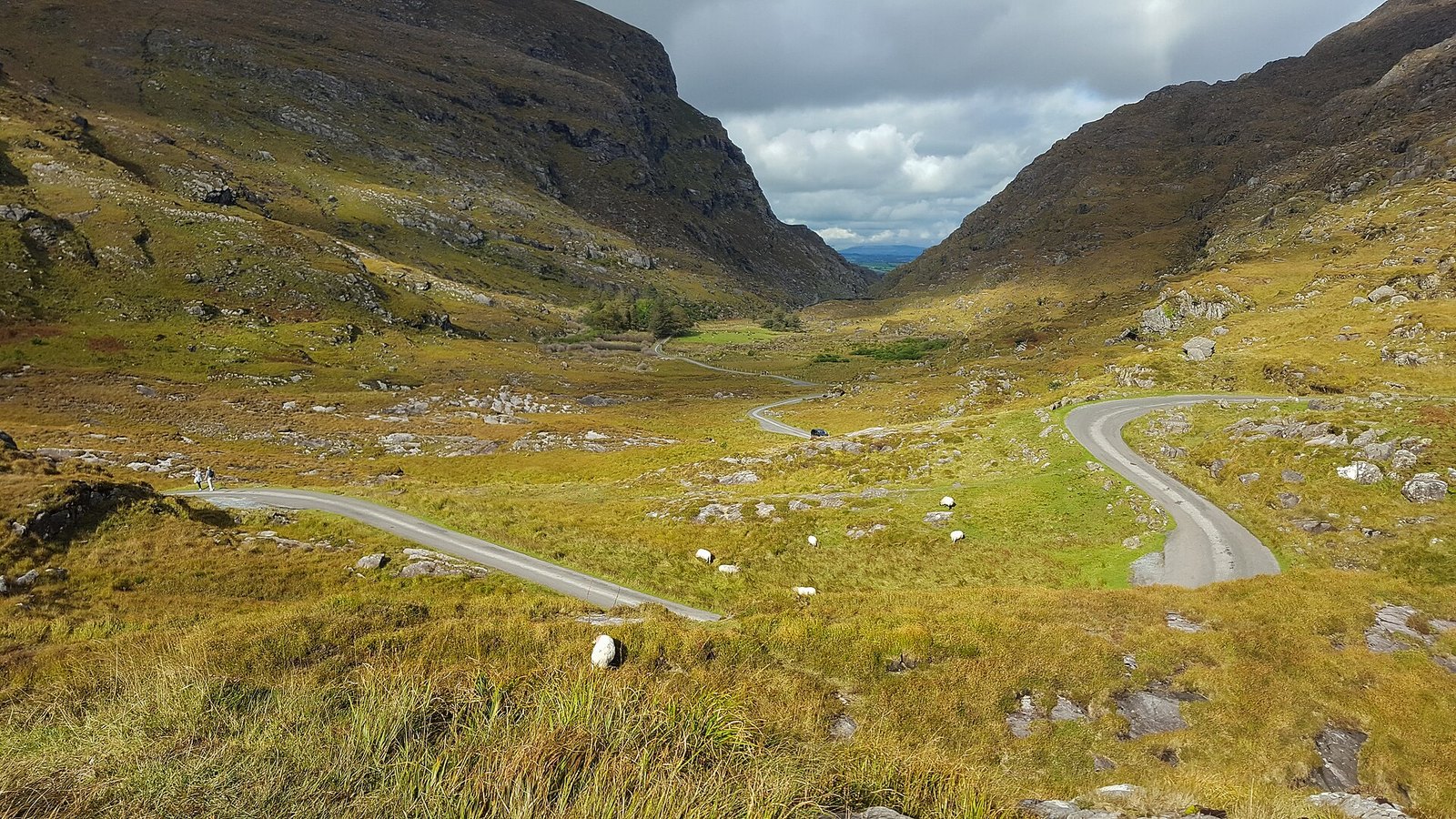
The Gap of Dunloe is a narrow mountain pass carved between the MacGillycuddy’s Reeks and the Purple Mountain in County Kerry. Walking the winding road through the gap is around eleven kilometres, mostly on a quiet surfaced lane that climbs steadily past a string of small lakes. It is a long but not technical outing, and the scenery of jagged peaks and still water is unforgettable. Traditional jaunting cars still work the route, so keep an ear out for ponies and traps sharing the road.
Final thoughts
☘ Enjoying this? 64,000+ Ireland lovers get stories like this every week. Subscribe free →
These ten walks only scratch the surface of what Ireland offers on foot, but between them they cover the best of the country’s coast, mountains and glens. Pick one to match your energy and the weather on the day, pack sensibly, and you will come home with the kind of views that keep people coming back to Ireland year after year. Lace up your boots and enjoy the walk.
☘️ Join 64,000+ Ireland Lovers
Every weekday morning, get Ireland’s hidden gems, local secrets, and travel inspiration — the kind you won’t find in any guidebook.
Subscribe free — enter your email:
Get the free guide
Enter your email and we will send you straight to the download.
📲 Know someone who’d love this? Share on WhatsApp →
Love more? Join 43,000 Scotland lovers → · Join 29,000 Italy lovers → · Join 7,000 France lovers →
Free forever · Unsubscribe anytime
Tours & experiences you might love


Powered by Viator. Some links are affiliate links — we may earn a small commission at no extra cost to you.
Secure Your Dream Irish Experience Before It’s Gone!
Planning a trip to Ireland? Don’t let sold-out tours or packed attractions spoil your journey. Iconic experiences like visiting the Cliffs of Moher, exploring the Rock of Cashel, or enjoying a guided walk through Ireland’s ancient past often sell out quickly—especially during peak travel seasons.

Booking in advance guarantees your place and ensures you can fully immerse yourself in the rich culture and breathtaking scenery without stress or disappointment. You’ll also free up time to explore Ireland’s hidden gems and savour those authentic moments that make your trip truly special.
Make the most of your journey—start planning today and secure those must-do experiences before they’re gone!