

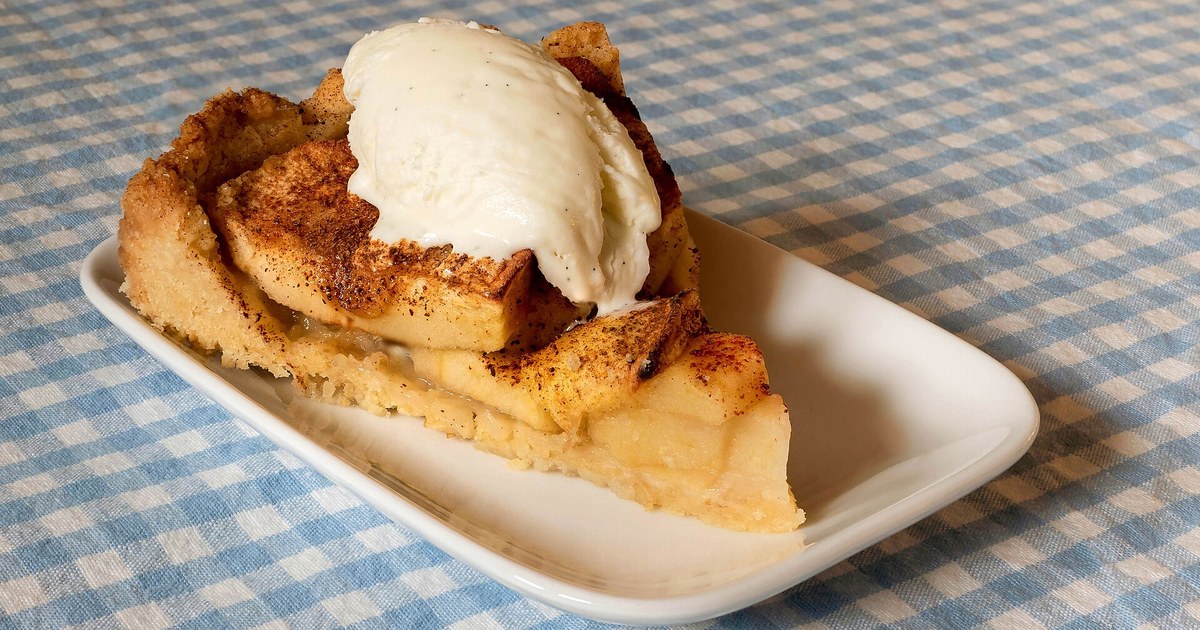
Kerry Apple Cake Recipe: A Buttery Autumn Bake from the Kingdom
There are few things more comforting than the smell of apples and warm spice drifting through a farmhouse kitchen on a grey October afternoon, and Kerry Apple Cake is precisely the kind of bake that has been producing that magic for generations. This is a cake with deep roots in rural Irish life, where apple trees were a fixture of almost every cottage garden and a good harvest meant weeks of baking, preserving, and sharing. In County Kerry especially, where the mild, damp Atlantic climate suits apple growing beautifully, the apple cake was never a special-occasion confection — it was an everyday act of thrift and love, made to use what the season gave you.
Unlike the more elaborate layered cakes that arrived later with modern baking fashions, Kerry Apple Cake is a humble, honest thing. It is built in a single tin, with soft sponge studded generously with chunks of sharp cooking apple, a whisper of cinnamon and clove, and — crucially — a crisp, sugared top that cracks satisfyingly when you press a spoon through it. Some older recipes use buttermilk for a slight tang and a tender crumb; others rely on a simple creamed butter base. Both are correct. Both are delicious. The cake was traditionally served in thick slices with a jug of cold fresh cream poured generously alongside, and if you have never eaten it that way, you are missing something quietly wonderful.
This version follows the classic creamed-butter method, which gives you that characteristic soft interior beneath a golden, slightly crunchy surface. Bramley apples are the traditional choice — they collapse a little during baking, becoming jammy pockets of flavour throughout the sponge — though any firm, tart cooking apple will serve you well. It is the sort of recipe that rewards very little fuss and a great deal of appetite.
Ingredients
- 225g (8oz) plain flour
- 1½ tsp baking powder
- ½ tsp ground cinnamon
- ¼ tsp ground cloves
- Pinch of salt
- 170g (6oz) unsalted butter, softened
- 170g (6oz) caster sugar, plus 2 tbsp extra for the top
- 2 large eggs, at room temperature
- 2 tbsp whole milk
- 450g (1lb) Bramley apples (approximately 2 medium apples), peeled, cored, and chopped into roughly 1–2cm pieces
Method
☘ Enjoying this? 64,000+ Ireland lovers get stories like this every week. Subscribe free →
- Preheat your oven to 180°C (160°C fan / 350°F / Gas Mark 4). Grease and line a 20cm (8 inch) round, deep cake tin with baking parchment.
- Sift the flour, baking powder, cinnamon, cloves, and salt together into a bowl and set aside.
- In a large bowl, beat the softened butter and 170g of the caster sugar together until the mixture is pale, light, and noticeably fluffy — this will take a good 4 to 5 minutes with an electric hand mixer, or a little longer by hand. Do not rush this step; the air you beat in now gives the cake its soft lift.
- Add the eggs one at a time, beating well after each addition. If the mixture looks as though it is beginning to curdle, add a tablespoon of the measured flour and beat on.
- Fold in the sifted flour mixture gently with a large metal spoon or spatula, cutting through the batter rather than stirring, until just combined and no dry streaks remain.
- Add the milk and fold through — the batter should be thick but soft, dropping reluctantly from the spoon.
- Fold in the chopped apple pieces, distributing them as evenly as you can throughout the batter.
- Spoon the batter into your prepared tin and smooth the top gently with a palette knife or the back of a spoon. Scatter the remaining 2 tablespoons of caster sugar evenly over the surface — this is what creates the lovely crisp, golden crust as it bakes.
- Bake in the centre of the preheated oven for 50–60 minutes, until the cake is deep golden brown, has risen well, and a skewer inserted into the centre comes out clean. The top should feel firm when pressed lightly.
- Allow the cake to cool in the tin for 15 minutes before turning out onto a wire rack. It is delicious served warm or at room temperature, with a generous pour of cold fresh cream.
Tips
- Bramley apples are ideal for their sharpness and the way they soften into the sponge during baking, but Cox or Granny Smith work well if Bramleys are unavailable — simply reduce the extra sugar on top slightly as these varieties are sweeter.
- Do not over-fold once the flour is added. A gentle hand keeps the crumb tender and avoids a tough result.
- If the top of the cake is browning too quickly before the centre is set, lay a loose piece of foil over the tin for the final 10–15 minutes of baking.
- This cake keeps well wrapped at room temperature for up to three days, and the flavour actually deepens a little by day two.
- For a more traditional Kerry finish, serve each slice with a small jug of pouring cream rather than whipped cream — it soaks into the warm sponge in the most wonderful way.
Kerry Apple Cake is the kind of bake that feels like an uncomplicated gift — to whoever you make it for, and to yourself in the making of it. It asks for nothing more than good ingredients, a little patience, and a decent apple harvest, and in return it fills a kitchen with a warmth that is difficult to put into words but very easy to recognise. Whether you are baking it in Kerry itself with fruit from a garden tree, or recreating a little piece of the Kingdom somewhere far from Ireland’s south-west coast, there is something deeply settling about this cake, as though the recipe itself carries the memory of every farmhouse kitchen it has ever been made in.
If you enjoyed this bake, you might also like our Irish Brown Soda Bread Recipe or our spiced Barmbrack Recipe for more traditional Irish baking.
☘️ Join 64,000+ Ireland Lovers
Every weekday morning, get Ireland’s hidden gems, local secrets, and travel inspiration — the kind you won’t find in any guidebook.
Subscribe free — enter your email:
📲 Know someone who’d love this? Share on WhatsApp →
Free forever · Unsubscribe anytime
Tours & experiences you might love


Powered by Viator. Some links are affiliate links — we may earn a small commission at no extra cost to you.
Secure Your Dream Irish Experience Before It’s Gone!
Planning a trip to Ireland? Don’t let sold-out tours or packed attractions spoil your journey. Iconic experiences like visiting the Cliffs of Moher, exploring the Rock of Cashel, or enjoying a guided walk through Ireland’s ancient past often sell out quickly—especially during peak travel seasons.

Booking in advance guarantees your place and ensures you can fully immerse yourself in the rich culture and breathtaking scenery without stress or disappointment. You’ll also free up time to explore Ireland’s hidden gems and savour those authentic moments that make your trip truly special.
Make the most of your journey—start planning today and secure those must-do experiences before they’re gone!