

Long before shopping centres and supermarkets, Irish life turned on the market town. These were the places where farmers brought livestock and produce, where craftspeople set up their stalls, and where the countryside came together on fair days to trade, talk and do business. Many of Ireland’s most characterful towns owe their wide streets, central squares and handsome shopfronts to exactly this heritage, and a good number still hold weekly or farmers’ markets today.
Below are ten of the finest market towns in Ireland, chosen for their genuine trading history and the atmosphere that survives on their streets. From medieval Kilkenny to planned Georgian Birr and the painted shopfronts of West Cork, each has kept the feel of a town built around its market square. Here they are, in no particular order.
1. Kilkenny (Kilkenny)
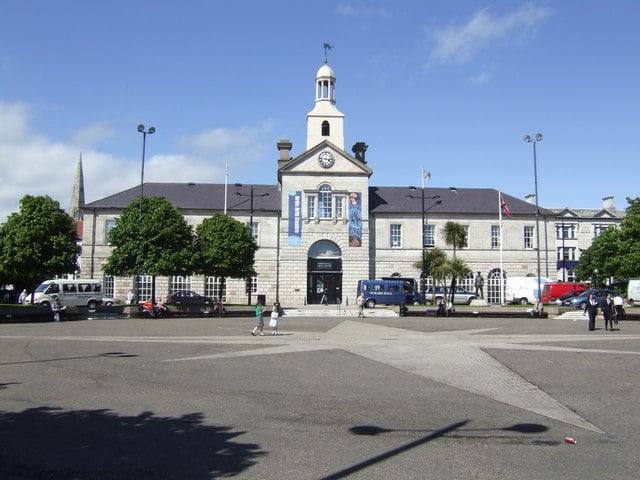
Kilkenny grew up as the market and merchant hub of the fertile south-east, and its medieval street plan still shapes daily life today. High Street and the Parade run between Kilkenny Castle and the cathedral, lined with tall painted shopfronts, old coaching inns and narrow slips that once led to market yards. A weekly farmers’ market gathers at Mayors Walk on Thursdays, while the covered market hall and craft workshops keep the trading tradition alive. The compact, walkable centre of stone and slate is one of the best-preserved medieval streetscapes in the country.
2. Westport (Mayo)
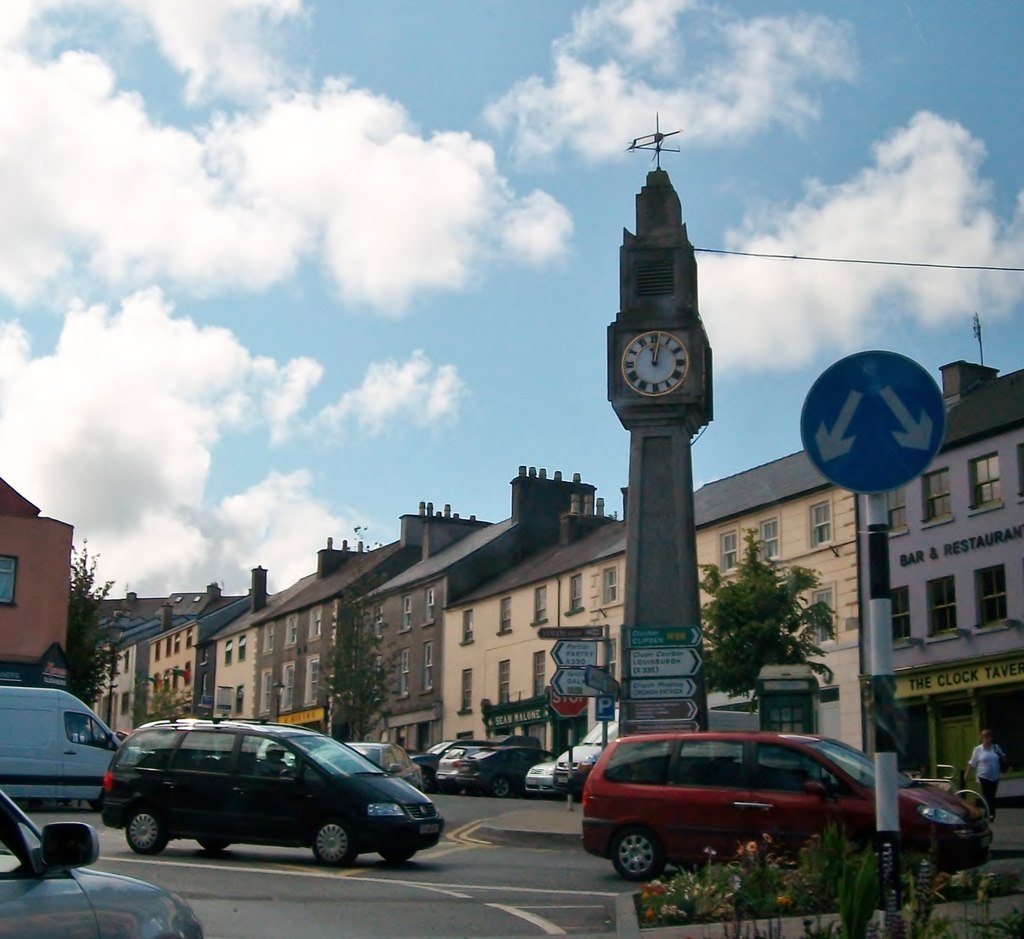
Westport is one of the few Irish towns laid out to a formal plan, designed in the Georgian period around the tree-lined Carrowbeg river and the octagonal market square known as The Octagon. Market day traditionally drew farmers down from the slopes of Croagh Patrick and in from the Clew Bay coast, and a lively country market still runs on Thursdays. The Mall, with its stone bridges and neat terraces, remains the heart of the town. Independent shops, long-established pubs and a strong music scene make it one of the west’s most characterful centres.
3. Ennis (Clare)
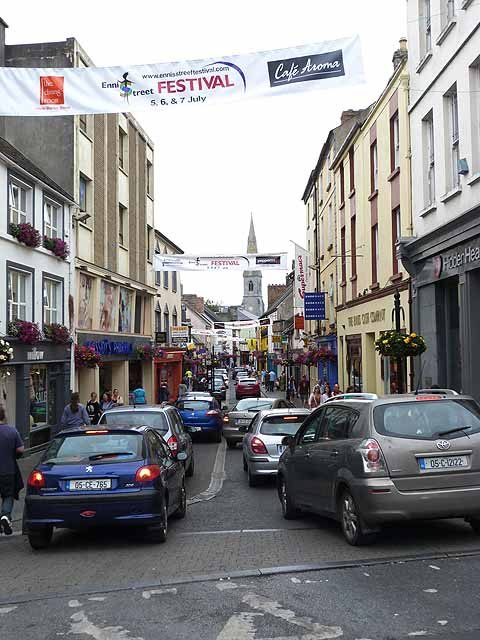
The county town of Clare, Ennis winds around a knot of medieval lanes that grew from its role as a river-crossing market town on the Fergus. O’Connell Street and the narrow streets off it are packed with traditional shopfronts, family-run businesses and some of the best trad-music pubs in Ireland. A regular market and monthly gatherings continue a trading history that goes back centuries to the town’s Franciscan friary. Its tight, curving streets give Ennis an intimate feel quite unlike the grid-planned towns elsewhere.
4. Clonakilty (Cork)
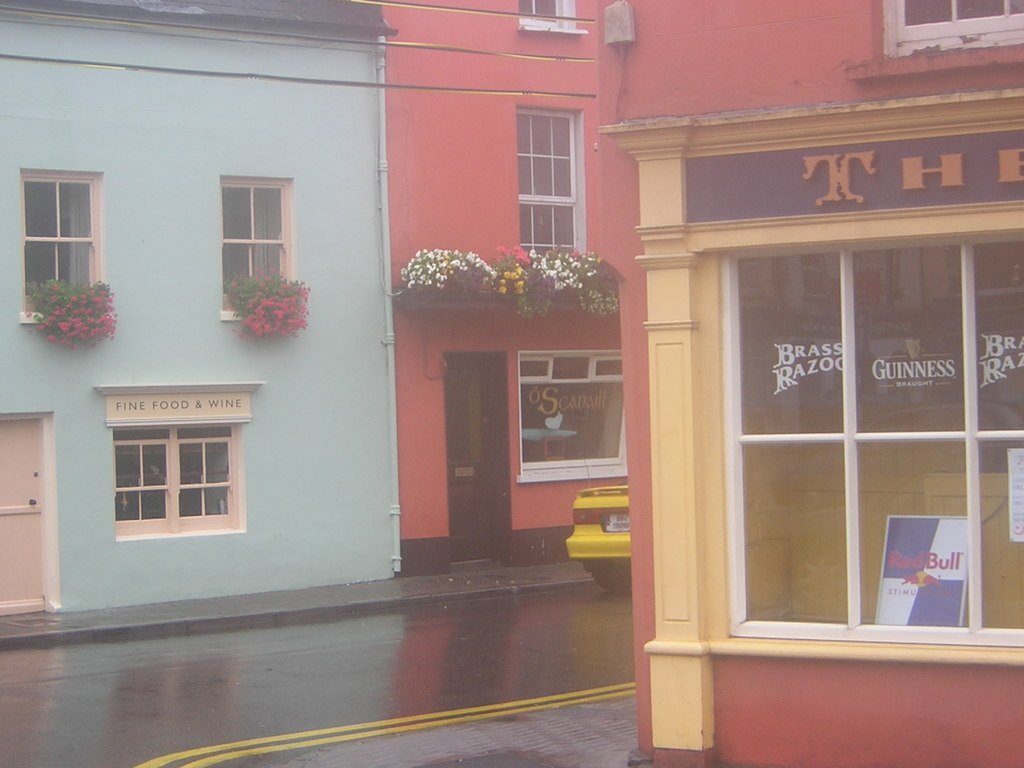
Clonakilty is a West Cork market town known for its bright, hand-painted shopfronts and carefully kept traditional signage, which have won it a string of tidy-town accolades. The town was founded as a market settlement in the early seventeenth century and its wide main streets still fill for a weekly farmers’ market known for local produce. A brewing and food-producing heritage runs deep here, and the streetscape of colourful facades and old shop lettering is among the prettiest in the south-west. It makes a natural base for exploring the coast around Inchydoney and Clonakilty Bay.
5. Skibbereen (Cork)
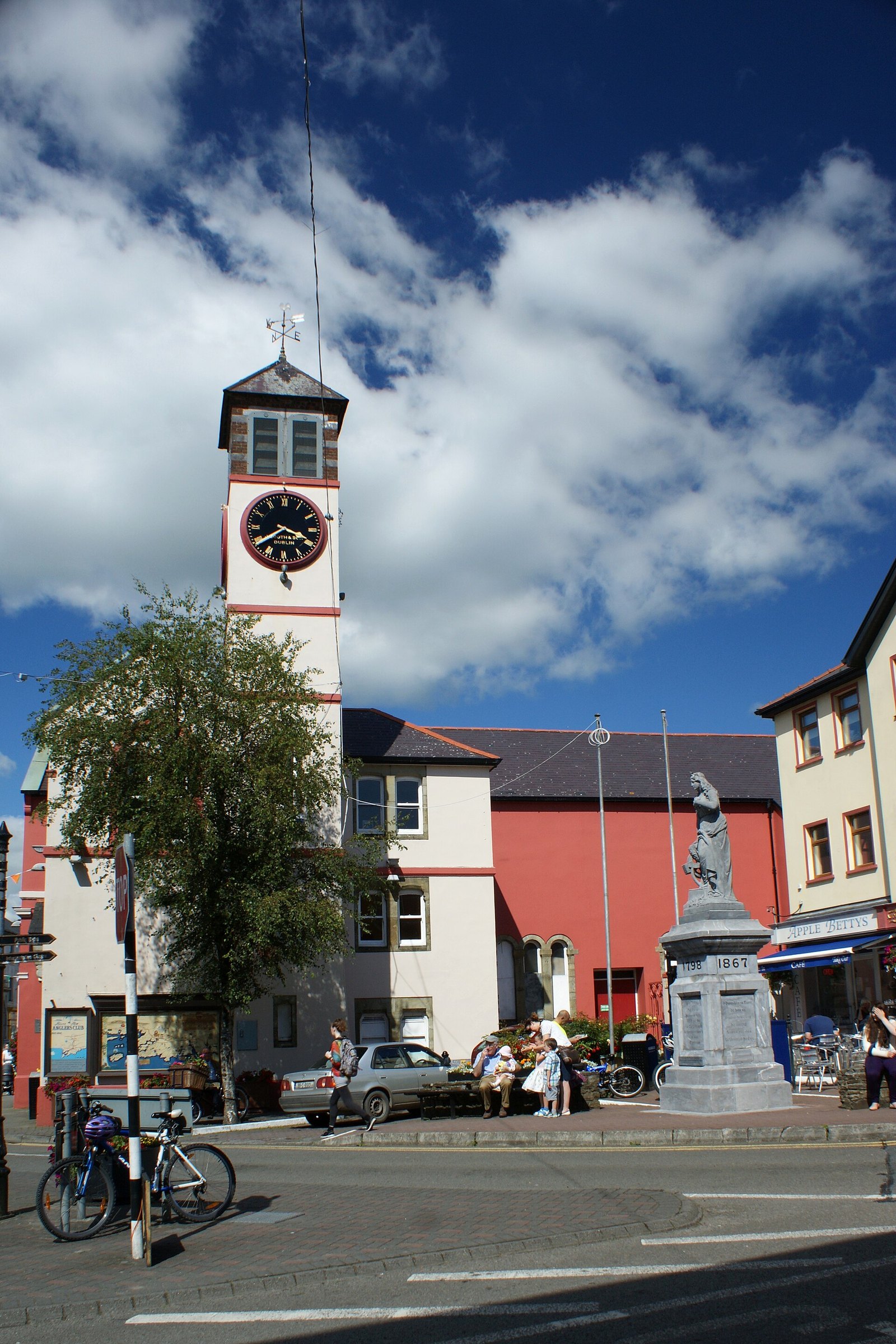
Skibbereen is the busy market town at the heart of West Cork, long the gathering point for farmers and traders from the surrounding countryside and coast. Its Saturday farmers’ market is one of the best known in the region, drawing growers, bakers and craftspeople into the town centre. The wide main street and the old market house speak to a trading history that carried the community through some of the hardest chapters of Irish history. Today it pairs that heritage with a thriving food scene and serves as a gateway to the harbours of Baltimore and Lough Hyne.
6. Birr (Offaly)
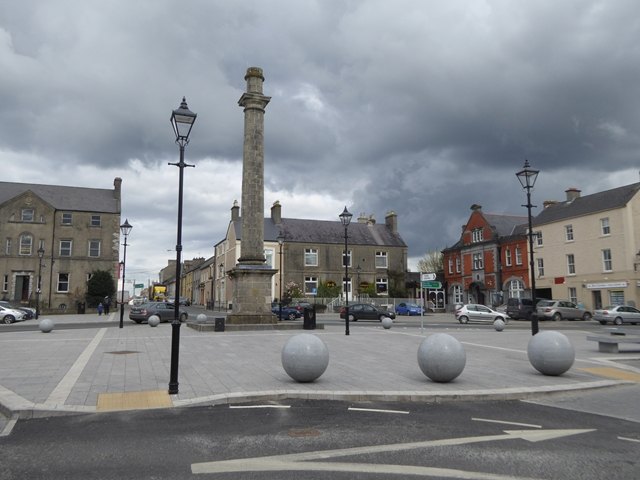
Birr is a planned Georgian market town in the Irish midlands, built around the demesne of Birr Castle and centred on the elegant Emmet Square. Wide streets of tall, well-proportioned townhouses radiate from the square, giving Birr one of the most complete Georgian streetscapes in the country. Its market cross and old fair grounds recall centuries as the trading centre for the surrounding farmland of Offaly. A regular market and a strong tradition of independent shops keep the handsome centre busy year-round.
7. Carlow (Carlow)
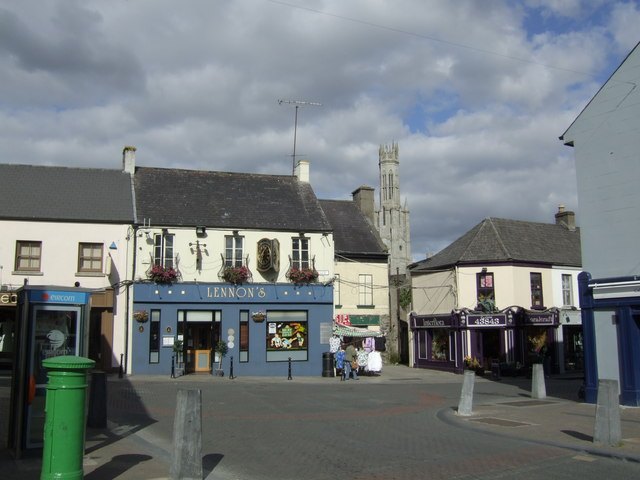
Carlow sits on the river Barrow at the edge of Ireland’s most productive farmland, and its wealth was built on the grain and produce that passed through its markets. Tullow Street and the aptly named Potato Market recall the days when the town was the trading centre for a rich agricultural county. The Barrow quays, old mills and the ruins of Carlow Castle frame a compact town centre that still hosts regular markets. Its position on the river and the old canal once made it a key link in moving goods between the midlands and the coast.
8. Nenagh (Tipperary)
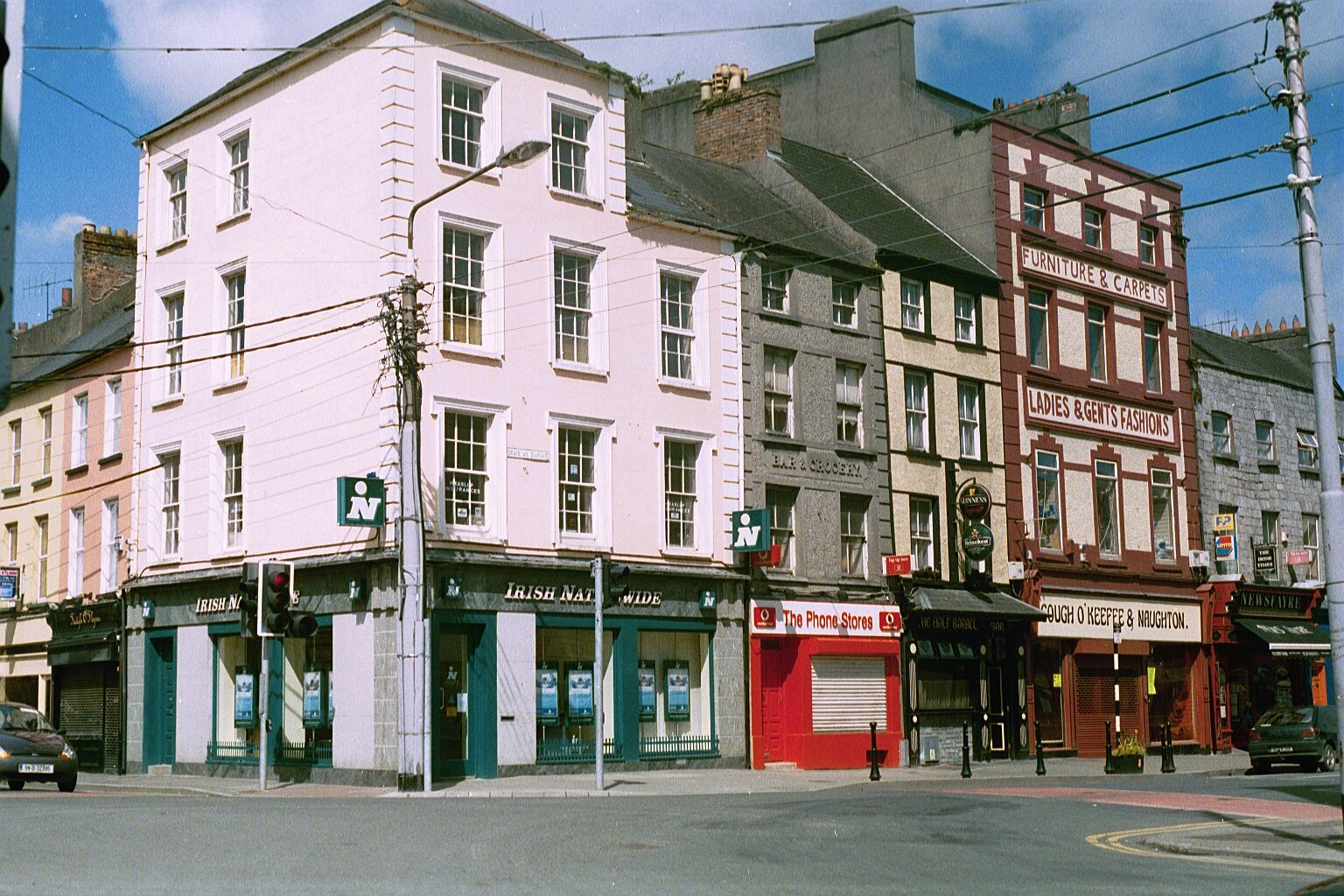
Nenagh grew as the market town of north Tipperary, clustered around its great cylindrical Norman castle keep and a network of streets that once thronged on fair days. Pearse Street and the surrounding lanes are lined with traditional shopfronts, and the restored Nenagh Courthouse and old gaol point to its role as the county’s administrative heart. A lively weekly market and the annual fair kept the town at the centre of local farming life for generations. The castle tower still rises above the rooftops as a reminder of the medieval settlement’s origins.
9. Trim (Meath)
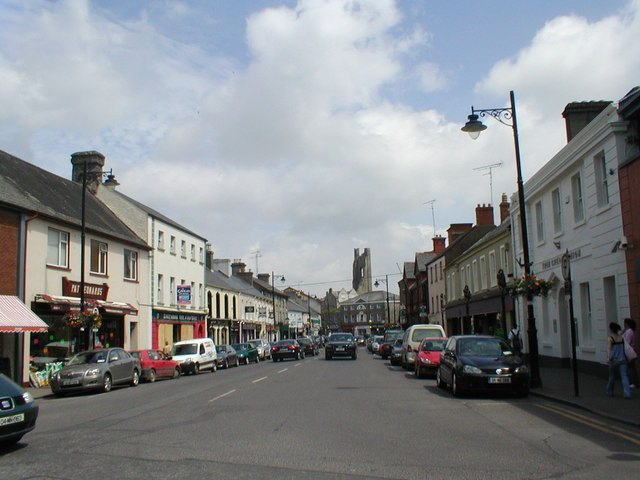
Trim is a medieval market town on the river Boyne, dominated by the largest Norman castle in Ireland and set in the rich pastureland of County Meath. The town grew as a walled trading settlement beneath the castle walls, and its market square and old streets still follow that early layout. A country market and regular events keep the centre lively, while the ruins of abbeys, gates and town walls give a strong sense of its long history. It makes an easy and rewarding day out from Dublin, deep in the Boyne Valley.
10. Listowel (Kerry)
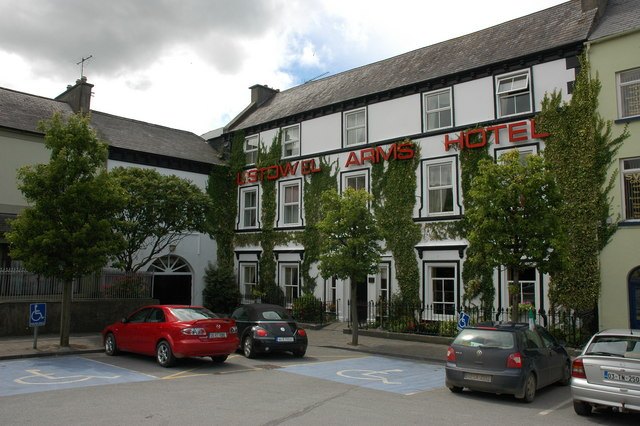
Listowel is the market town of north Kerry, built around a broad central square that has hosted fairs and markets for centuries. The square is framed by handsome buildings, including several fronts decorated with the ornate plasterwork for which the town is famous. Long a gathering point for the farming country of the Feale valley, it still holds a weekly market, the Listowel Races’ Harvest Festival each September, and the literary crowds of Listowel Writers’ Week each May. A strong storytelling and writing tradition gives this compact, friendly town a character all of its own.
Final thoughts
☘ Enjoying this? 64,000+ Ireland lovers get stories like this every week. Subscribe free →
Ireland’s market towns are where the everyday life of the country has always played out, and they remain some of the most rewarding places to spend an unhurried afternoon. Wander the wide streets, browse a Saturday market, step into a family-run pub and you will find the same sociable, trading spirit that first built them. Pick one as a base, or string a few together on a slower tour, and you will see a side of Ireland that the big attractions can miss.
☘️ Join 64,000+ Ireland Lovers
Every weekday morning, get Ireland’s hidden gems, local secrets, and travel inspiration — the kind you won’t find in any guidebook.
Subscribe free — enter your email:
📲 Know someone who’d love this? Share on WhatsApp →
Free forever · Unsubscribe anytime
Tours & experiences you might love


Powered by Viator. Some links are affiliate links — we may earn a small commission at no extra cost to you.
Secure Your Dream Irish Experience Before It’s Gone!
Planning a trip to Ireland? Don’t let sold-out tours or packed attractions spoil your journey. Iconic experiences like visiting the Cliffs of Moher, exploring the Rock of Cashel, or enjoying a guided walk through Ireland’s ancient past often sell out quickly—especially during peak travel seasons.

Booking in advance guarantees your place and ensures you can fully immerse yourself in the rich culture and breathtaking scenery without stress or disappointment. You’ll also free up time to explore Ireland’s hidden gems and savour those authentic moments that make your trip truly special.
Make the most of your journey—start planning today and secure those must-do experiences before they’re gone!