

There’s a particular kind of courage in packing up your life and choosing Ireland. Not just visiting — though Ireland certainly rewards the visitor in ways few places on earth can match — but actually starting over. Starting a new life in Ireland is a decision made by tens of thousands of people every year, drawn by something that’s difficult to put into words: the landscape, the warmth of strangers, the unhurried pace of a Tuesday morning in a town where everyone knows your name. If you’re considering it, this is what’s actually waiting for you.
The Ireland That Nobody Shows You in the Brochures
The Ireland you’ll read about — rolling green fields, whitewashed pubs, fiddle music drifting through a half-open door — is real. All of it. But it’s only part of the picture.
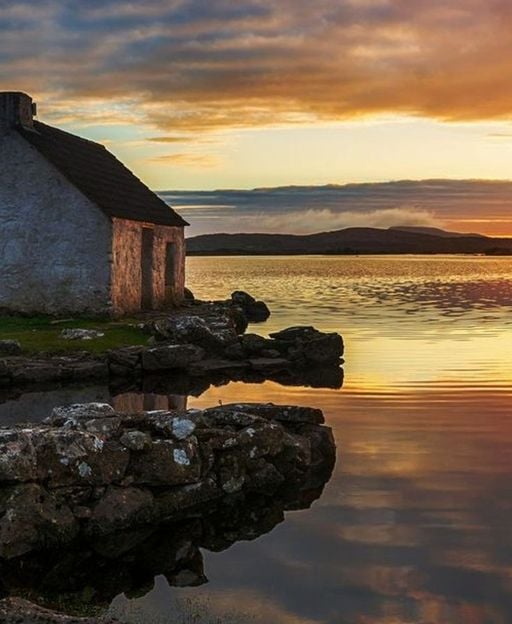
What the brochures don’t capture is the texture of ordinary Irish life: the way a neighbour brings you soup when you’re sick before you’ve even told them you were under the weather. The way a conversation in a petrol station can last forty-five minutes and somehow leave you feeling less alone than you have in years. The way the light changes over Connemara at four o’clock in October, and how it stops you completely.
Ireland is a country that has always known something about loss and longing — and because of that, it understands something about beginning again. If you’re still weighing the decision itself, our piece on what really draws people to make the move digs into that question directly — this one picks up from there, once you’ve already decided to go.
The Community That Arrives Before You Do
One of the most consistent things people say after starting a new life in Ireland is that they were not prepared for how quickly they felt part of something. Ireland operates on a social architecture that much of the Western world has quietly dismantled: the local. The community group, the tidy towns committee, the Friday evening in the pub that functions less like a drinking occasion and more like a town meeting where no one is required to make a decision.
If you move to a small Irish town or village — and many new arrivals choose exactly this over the cities — you will not need to find community. It will find you. The question people ask most often in Ireland is not “What do you do?” but “Where are you from?” And it’s asked with genuine curiosity, not to place you in a hierarchy.
The Pace That Recalibrates Everything
Ireland has never been a particularly fast country. Traffic moves slowly on rural roads. Conversations take as long as they take. An arrangement for “half-two” may solidify into a quarter to three. And while this will occasionally frustrate you in the early months, something quietly shifts after a while.
The Irish relationship with time is, at its core, a relationship with presence. Things happen when people can gather for them. The hurry that powered your previous life begins to feel, after some months, like a story you used to tell about someone else.
🇮🇪 Discover Your Irish Heritage
Join 64,000 people staying connected to their Irish roots. Get our free Irish Ancestry Guide — surnames, counties, parish records and emigration history — when you subscribe free.
Starting a New Life in Ireland — What the Practical Bit Looks Like
☘️ Love Ireland? Join 64,000 people who do.
- Registration: Within three months of arriving, register your address with your local Garda station (the Irish police) to get a GNIB card if you’re from outside the EU.
- PPS Number: Apply for a Personal Public Service number — you’ll need this for healthcare, tax, and most official dealings. Applications are made at your local Intreo office.
- Healthcare: Register with a GP (general practitioner) as soon as you arrive. Ireland has both public and private healthcare; a Medical Card or GP Visit Card gives free or low-cost access if you qualify.
- Banking: Open an Irish bank account early — many services and landlords require a local account. Bank of Ireland, AIB, and digital banks like Revolut and N26 are popular choices.
Get the free Love Ireland newsletter — weekly stories, hidden gems, heritage, and travel inspiration delivered to your inbox every weekday.
The emotional reality of moving to Ireland is one thing. The practical reality is another, and it matters to get it right. Before you decide where to plant yourself, it’s worth spending time with our Ireland planning hub — it’s built specifically to help you understand what different parts of the country actually feel like before you commit to any of them.
Choosing Where to Actually Live
Ireland is smaller than you might think — the island is roughly the size of Indiana — but within its compact geography you’ll find enormous variety. Dublin is a global city with world-class restaurants, a thriving arts scene, and all the infrastructure of modern urban life. Cork is smaller, fiercer, and more independent-minded, with a food culture that punches well above its weight. Galway is for those who want the wild Atlantic close enough to smell it on every morning walk.
But some of the most remarkable quality of life in Ireland exists in places that rarely feature on lists: County Leitrim for those who want space and green silence. County Clare for the music and the coastal drama. County Kilkenny for stone towns and craft culture. County Wicklow — often called the Garden of Ireland — for those who want to be close to Dublin without being inside it. If you’re weighing up the big cities, our guide to Dublin, Galway or Cork breaks down what each city genuinely feels like to live in. Take the time to visit before you commit. Ireland rewards a slow approach.
Making Ireland Feel Like Yours
Integration into Irish life is largely self-directed. The country is welcoming, but it doesn’t recruit you. Joining local organisations — sporting, artistic, voluntary, or social — is the surest route to feeling genuinely at home rather than pleasantly peripheral. The Irish don’t tend to schedule their socialising far in advance; they fall into it. Show up regularly to the same places, and relationships accumulate naturally.
A note for those arriving from warmer climates: the Irish don’t talk about the weather because there’s nothing to say. They talk about it because there is always, always something to say. Make your peace with rain. It is, after all, responsible for every shade of green you came here for.
The Part That Takes the Longest
Almost everyone who has moved to Ireland says the same thing when asked what they wish they’d known: that it takes longer than expected to feel settled, and that it’s entirely worth it.
Ireland doesn’t hand itself over quickly. It tests you, gently, with grey February skies and the particular loneliness of a Sunday afternoon in an unfamiliar town. But then March arrives, and with it the light, and the lambs in the fields, and the first conversation with someone who becomes a friend. And the life you’ve built in Ireland — slowly, strangely, stubbornly — turns out to be exactly what you came for.
The people who thrive here are not necessarily the ones who arrived most prepared. They’re the ones who let Ireland surprise them. Who sat long enough in the silence between the mountains and the sea to hear something they’d been missing for years. Who understood, after a while, that starting a new life in Ireland isn’t really about Ireland at all — it’s about who you become once you stop rushing.
Is Starting Fresh in Ireland Right for You?
If you love people who speak plainly and laugh easily. If you find beauty in ancient things and wide open landscapes. If you want to live somewhere that still believes in the importance of a shared meal, a proper conversation, and a walk in the rain that leaves you feeling cleaner than you started — then yes.
Ireland is patient. It has been waiting a long time, and it will wait a little longer. But it’s worth not waiting too long yourself.
Frequently Asked Questions About Moving to Ireland
Is it expensive to live in Ireland?
Ireland’s cost of living varies significantly by location. Dublin is the most expensive city, with rents averaging €2,000–€2,500 per month for a one-bedroom apartment in 2026. Outside the capital, cities like Galway, Cork, and Limerick offer considerably lower costs. Rural areas and smaller towns are the most affordable. Groceries, utilities, and everyday expenses are broadly comparable to other Western European countries.
Do I need a visa to move to Ireland?
EU and EEA citizens have the right to live and work in Ireland freely. British citizens retain the right to live in Ireland under the Common Travel Area (CTA) agreement. Citizens of other countries will need to apply for a relevant visa — whether a work permit, student visa, or long-stay visa — before arriving. The Irish Naturalisation and Immigration Service (INIS) handles all immigration applications.
What is the best place to live in Ireland?
The best location depends entirely on what you value. Dublin suits those seeking career opportunities, cultural diversity, and urban energy. Galway offers a vibrant arts scene, easy access to Connemara, and a smaller community feel. Cork is increasingly popular for its food culture and growing tech sector. For the countryside and space, counties like Clare, Kerry, and Donegal offer some of the most dramatic landscapes in Europe — with far lower house prices.
How long does it take to feel at home in Ireland?
Most newcomers find the first six months the hardest — navigating practicalities, building new social connections, and adjusting to a different pace of life. By the first year, most people have found their rhythm. The warmth of Irish communities makes the adjustment easier than in many other countries; joining local clubs, sports teams, or parish activities is often the fastest path to feeling genuinely settled.
☘️ Join 64,000+ Ireland Lovers
Every Friday, get Ireland’s hidden gems, local secrets, and travel inspiration — the kind you won’t find in any guidebook.
Get the free guide
Enter your email and we will send you straight to the download.
Free forever · One email per week · Unsubscribe anytime
Tours & experiences you might love


Powered by Viator. Some links are affiliate links — we may earn a small commission at no extra cost to you.
Secure Your Dream Irish Experience Before It’s Gone!
Planning a trip to Ireland? Don’t let sold-out tours or packed attractions spoil your journey. Iconic experiences like visiting the Cliffs of Moher, exploring the Rock of Cashel, or enjoying a guided walk through Ireland’s ancient past often sell out quickly—especially during peak travel seasons.

Booking in advance guarantees your place and ensures you can fully immerse yourself in the rich culture and breathtaking scenery without stress or disappointment. You’ll also free up time to explore Ireland’s hidden gems and savour those authentic moments that make your trip truly special.
Make the most of your journey—start planning today and secure those must-do experiences before they’re gone!