

Ireland is not a country known for long stretches of sunshine, which is exactly why its public squares matter so much. When the sun does appear, people pour outside. Café chairs fill up, benches get claimed, and the squares at the heart of Irish cities and towns become the social centre of the place. This guide covers the best public squares in Ireland worth seeking out — where they are, what makes them worth a visit, and what you can actually do there on a fine afternoon.
Whether you are planning a city break to Dublin, a weekend in Galway, or a slower tour through the towns of the midlands and south, knowing which squares reward a sit-down can shape your whole day.
Want more Ireland travel ideas delivered to your inbox?
Join thousands of readers who get our weekly Ireland guide. Subscribe free here →
St Stephen’s Green, Dublin
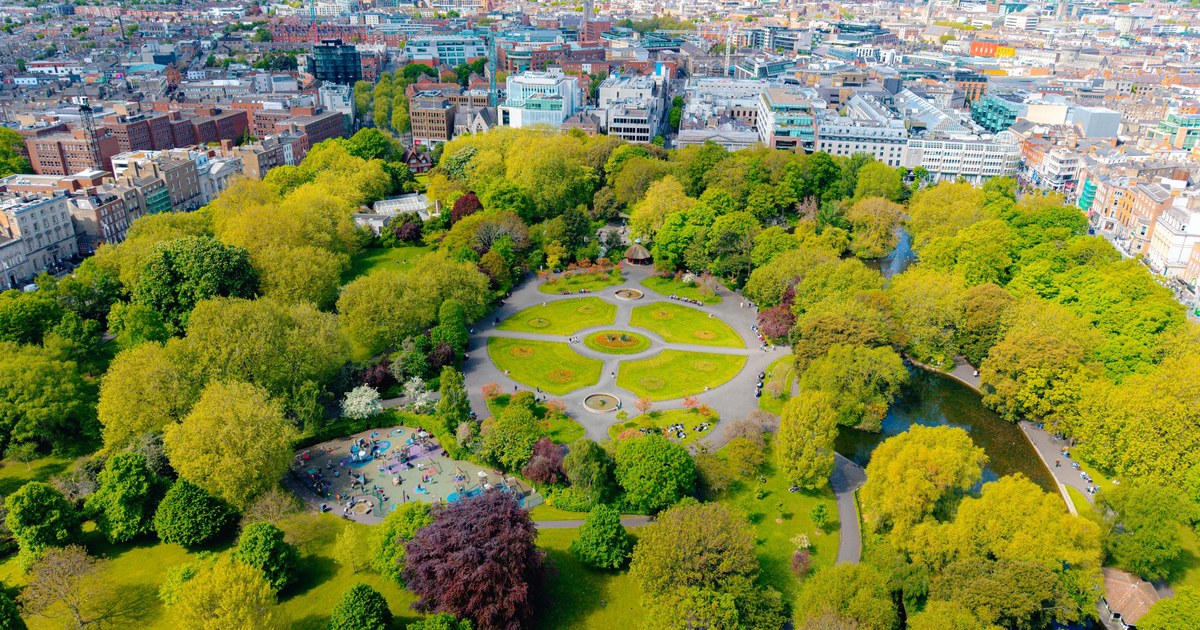
St Stephen’s Green is 22 acres of formal parkland in the centre of Dublin, surrounded on all sides by Georgian terraces, hotels, and shops. It opened to the public in 1880 after the Guinness family funded its transformation from a private enclosure. Today it is free to enter and stays open year-round.
On a sunny afternoon the main paths fill quickly, but the park is large enough that you can find a quiet bench without much effort. The ornamental lake in the centre attracts ducks and is popular with children. The formal flower beds run in a distinctive geometric pattern visible from above, though at ground level you notice the mature trees more — they provide real shade even when the sun is strong.
The Fusiliers’ Arch at the Grafton Street entrance is the most-used gate. From there you are a five-minute walk from the National Gallery, the National Museum on Kildare Street, and Merrion Square. It is practical to combine all three in a single afternoon without needing public transport.
There is a café inside the park near the lake. It is nothing special but it is convenient. Better food and coffee can be found on Grafton Street or Dawson Street, both directly adjacent. The square runs from around 07:30 to dusk throughout the year.
🇮🇪 Plan Your Perfect Ireland Trip
Join 64,000 Ireland lovers. Get weekly travel inspiration, hidden gems and local secrets — free every weekday.
Merrion Square, Dublin
Merrion Square is one of the best-preserved Georgian squares in Europe. The four sides are lined with brick townhouses that date largely from the 1760s onward, and the proportions of the square — roughly 200 metres per side — give it a sense of space that St Stephen’s Green, for all its greenery, does not quite replicate.
The interior garden is well-maintained and quieter than St Stephen’s Green because it sits one block east of the main tourist routes. On weekends, local artists display and sell paintings along the railings — a tradition that has been running here for decades. Oscar Wilde’s family home stands on the north side at Number One, and there is a flamboyant statue of Wilde reclining on a rock at the corner, which is worth locating.
The square is directly across from the National Gallery of Ireland, which makes it a natural starting or ending point for an afternoon in the museum. Entry to the National Gallery is free. If you are arriving by public transport, the LUAS tram stops within a short walk, and numerous bus routes pass along Merrion Street. Official info: en.wikipedia.org/wiki/Merrion_Square.
Eyre Square, Galway
Eyre Square — formally known as John F Kennedy Memorial Park since 1965, when the square was dedicated in honour of the American president who had visited and spoken there in 1963 — sits at the top of Galway city centre, a short walk from the train and bus station. It is smaller than Dublin’s Georgian squares but it punches above its weight in terms of atmosphere.
The square underwent a major redevelopment in the mid-2000s, and the result is a clean, open space with a decent mix of seating, grass areas, and paved sections. The Browne Doorway — a carved limestone doorway from a demolished 17th-century townhouse — stands at one end as an unusual focal point. Two Crimean War cannons once stood here too, but they were moved to the lawn of Galway City Hall on College Road during that redevelopment and are not currently on display in the square.
On a sunny afternoon, the square fills with a genuine cross-section of Galway: students from the university, tourists who have just stepped off buses from Dublin, locals on lunch breaks. It is the kind of place where you can sit for an hour and watch the city move around you. Shop Street, which is Galway’s main pedestrian shopping area, begins directly at the square’s edge.
In summer, Eyre Square regularly hosts festivals, markets, and outdoor events, so check local listings before you visit to see what might be on. The Galway Arts Festival in July and the Galway Races week in late July to early August both bring the square to life in particular ways.
Exploring Ireland town by town?
Our weekly newsletter covers the places most guides skip. Sign up free →
The Parade, Kilkenny
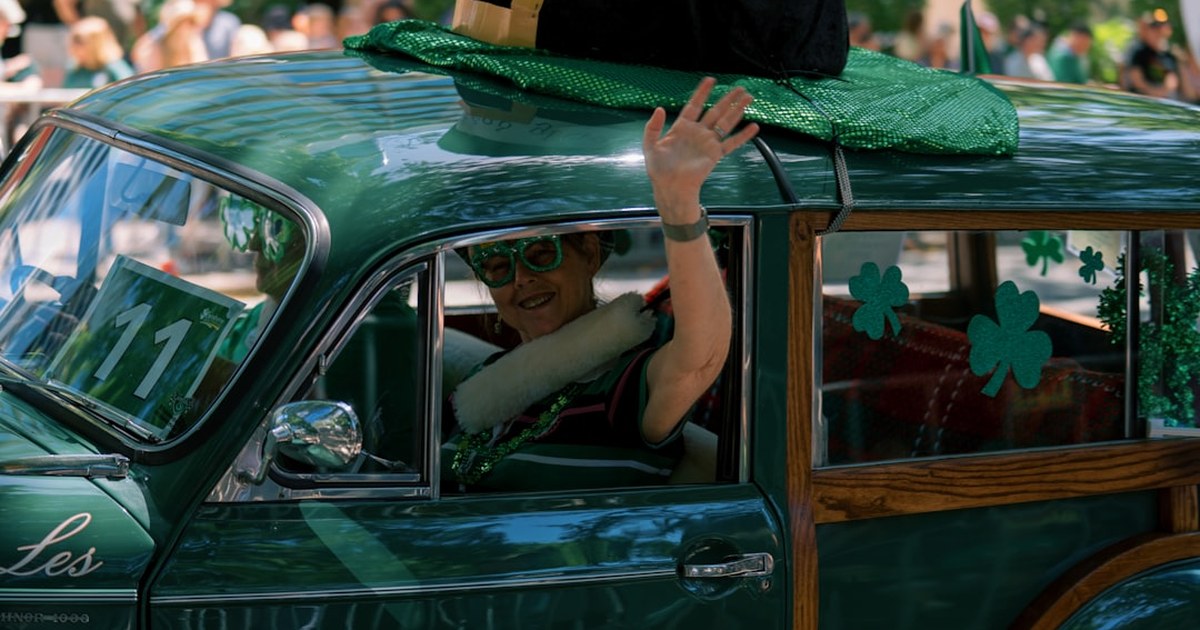
Kilkenny is a compact medieval city built along the River Nore, and its main public gathering space is The Parade — a wide, tree-lined street that runs from the castle gates down toward the city centre. It is not a square in the classic sense but functions as one: it is where people gather, where events are held, and where you go to watch the city breathe.
Kilkenny Castle anchors the upper end of The Parade. The castle grounds — over 50 acres of parkland — are free to walk through and are well maintained, with a long formal lawn running down from the castle’s south facade. On a clear afternoon, this is one of the most pleasant places in Ireland to sit outside, with the castle providing a dramatic backdrop and the park grounds largely flat and accessible.
The Parade itself has a number of outdoor café and restaurant tables during the warmer months. Kilkenny is also well-served by independent coffee shops on High Street and Parliament Street, both of which are a short walk away. The city is compact enough that you can walk almost everywhere.
The Diamond, Donegal Town
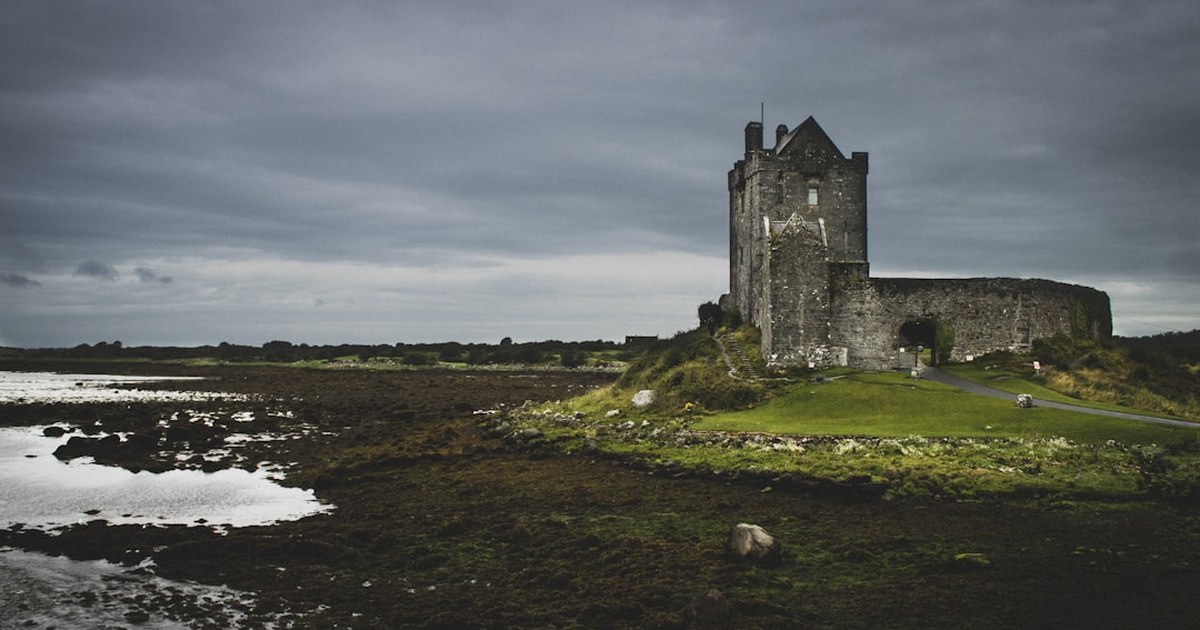
Many towns across the north and northwest of Ireland have a central space called The Diamond rather than a square or plaza. Donegal Town’s Diamond is one of the most recognisable, with a tall obelisk memorial at its centre and a surrounding mix of pubs, restaurants, and craft shops.
The town sits at the mouth of Donegal Bay, and on a clear day the views toward the hills above the town are worth stopping for. The Diamond itself is small by city standards, but Donegal Town is a small place and the square is proportionate to it. Donegal Castle stands a short walk from the Diamond and is open to visitors throughout the summer.
If you are travelling in the northwest — heading toward Slieve League, the Glenveagh National Park, or the Sligo coast — Donegal Town makes a practical midpoint stop. The Diamond gives you somewhere to sit, eat, and get your bearings before continuing on.
Grand Parade and Bishop Lucey Park, Cork
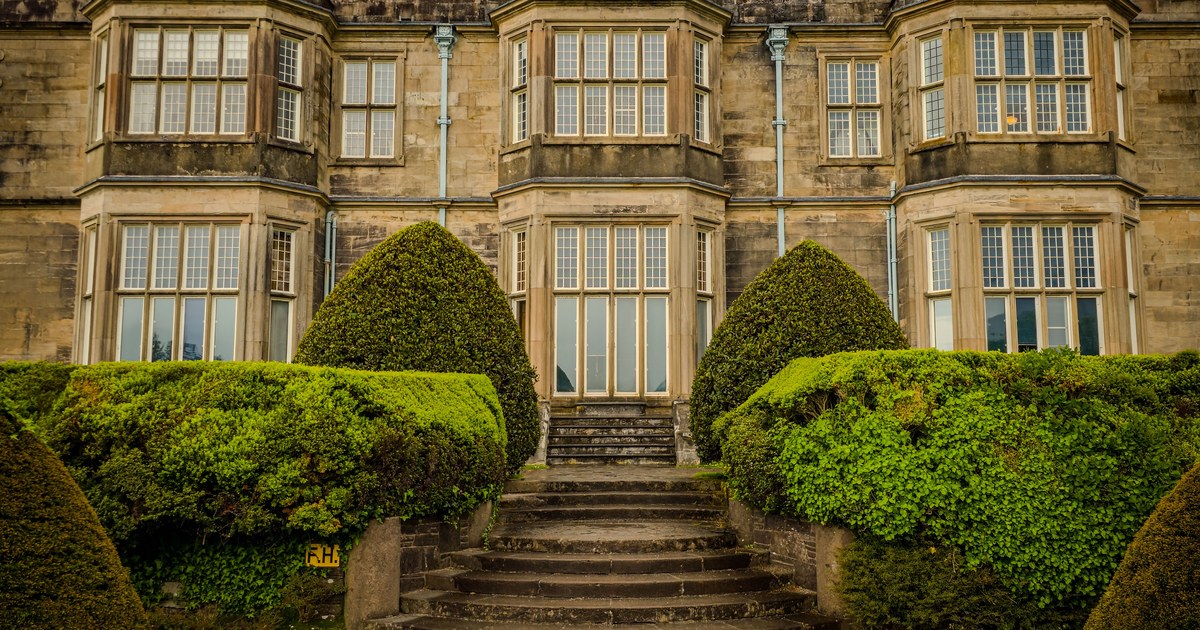
Cork city centre occupies a series of islands formed by the channels of the River Lee. The city’s public outdoor spaces are shaped by this geography — they tend to be linear, following the river, rather than square in form. The Grand Parade is a broad central boulevard with a strip of park running down the middle, connecting the South Mall financial district to the Patrick Street shopping area.
Bishop Lucey Park, which opens off the Grand Parade near the English Market, is the closest Cork comes to a traditional town square in terms of experience. It is small — roughly the size of a tennis court, with greenery and seating — but its position beside the English Market makes it enormously useful. You can pick up food from the market and eat it outside in the park, which is exactly what a lot of locals do on fine days.
The English Market was founded in 1788, though the building you see today — including its landmark glazed roof and grand Princes Street entrance — is Victorian, completed in 1862. It sells fresh fish, local cheeses, artisan bread, olives, and hot food. Entry is free. Queen Elizabeth II visited during her 2011 state visit to Ireland, which gave the market considerable international attention, though it had been a Cork institution long before that.
Practical Notes for Visiting Irish Squares
Irish weather changes quickly, so a sunny afternoon in late spring or early summer is not guaranteed to stay dry. Carrying a light layer or a compact rain jacket means you can stay outside longer without worrying about a brief shower driving you in.
Most Irish city squares have free entry to the outdoor areas, though specific attractions nearby — castle interiors, museum galleries — may charge admission or require booking. Booking ahead is increasingly important during peak summer months for popular sites like Kilkenny Castle’s interior.
The best months for sitting in Irish squares tend to be May, June, and early July, when the weather is at its most settled and the days are long — Dublin has over 17 hours of daylight around the summer solstice. August can be warm but is also the busiest tourist month. September is often underrated: the crowds thin and the weather remains mild.
If you are visiting multiple cities, consider how the squares connect to your wider itinerary. Dublin’s Merrion Square and St Stephen’s Green are both free to enter and within easy walking distance of each other, the National Gallery, and Leinster House. In Galway, Eyre Square is directly adjacent to the train station, making it a natural first stop when you arrive. In Kilkenny, The Parade and the castle grounds are the same destination effectively — you can move between them without a formal entrance gate.
Ireland’s public squares are not grand in the way that European capitals like Rome or Vienna display their piazzas. They are modest, practical, and tied closely to the everyday life of the towns around them. That is precisely what makes them worth seeking out — they show you what a place actually looks like when its residents have somewhere comfortable to be.
Planning an Ireland trip and want the inside track?
Our free weekly newsletter covers towns, hidden spots, and local advice that travel guides miss. Subscribe here — it’s free →
☘️ Join 64,000+ Ireland Lovers
Every weekday morning, get Ireland’s hidden gems, local secrets, and travel inspiration — the kind you won’t find in any guidebook.
Subscribe free — enter your email:
📲 Know someone who’d love this? Share on WhatsApp →
Love more? Join 43,000 Scotland lovers → · Join 29,000 Italy lovers → · Join 7,000 France lovers →
Free forever · Unsubscribe anytime
Tours & experiences you might love


Powered by Viator. Some links are affiliate links — we may earn a small commission at no extra cost to you.
Secure Your Dream Irish Experience Before It’s Gone!
Planning a trip to Ireland? Don’t let sold-out tours or packed attractions spoil your journey. Iconic experiences like visiting the Cliffs of Moher, exploring the Rock of Cashel, or enjoying a guided walk through Ireland’s ancient past often sell out quickly—especially during peak travel seasons.

Booking in advance guarantees your place and ensures you can fully immerse yourself in the rich culture and breathtaking scenery without stress or disappointment. You’ll also free up time to explore Ireland’s hidden gems and savour those authentic moments that make your trip truly special.
Make the most of your journey—start planning today and secure those must-do experiences before they’re gone!