

“May your troubles be less and your blessings be more. And nothing but happiness come through your door.”
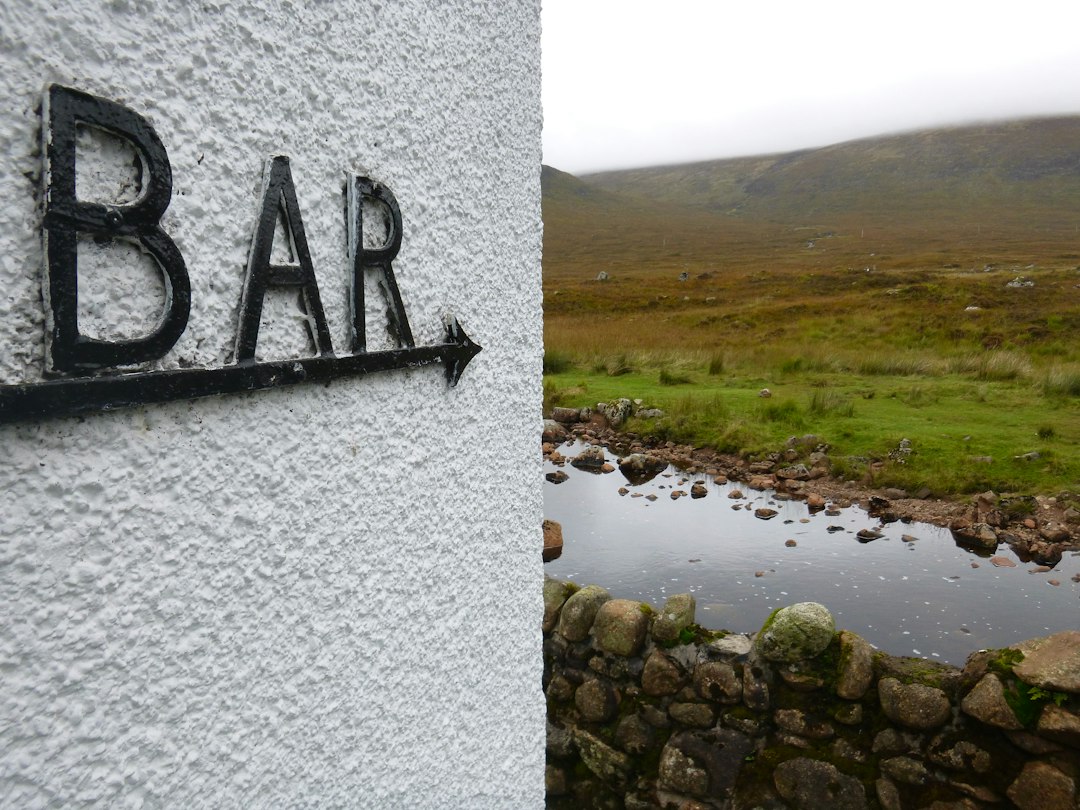
This Irish blessing has been spoken at weddings, wakes, and kitchen tables for generations. It is not a formal prayer from any religious text. It is the kind of thing a grandmother would say before a wedding toast, or a neighbour might write inside a card. Straightforward. Warm. And hiding a question inside it that anyone who has visited an Irish home will already know the answer to.
What is the first thing offered to anyone who comes through your door? In Ireland, the answer is almost always the same: a cup of tea, a chair, and someone genuinely glad you arrived.
The Meaning Behind the Blessing
The blessing quoted above is one of hundreds passed down through Irish families over centuries. These blessings are practical expressions of care — wishing someone less trouble and more happiness is as direct as wishes come.
The phrase “nothing but happiness come through your door” carries real weight in Irish culture. The door is the boundary between private life and the outside world. Once someone crosses that threshold, they are under your care. That responsibility has always been taken seriously in Ireland.
This idea has roots in the Brehon Laws, the native legal system of ancient Ireland that predated English rule by many centuries. Under these laws, hospitality — or flaithiúlacht in Irish — was not a social nicety. It was a legal obligation. A householder who turned away a traveller in need could face penalties. Refusing to offer food or shelter was considered a failure of character and of community.
That may sound extreme to a modern ear, but consider the geography: much of Ireland is rural, the weather can turn quickly, and in an era before hotels or reliable roads, a stranger arriving at your door might genuinely need what you had to offer. The culture of welcome was built on practical necessity as much as on goodwill.
Want more Irish culture, history, and travel delivered straight to your inbox? Subscribe to our free newsletter and join thousands of Ireland lovers around the world.
Tea: The First Thing Offered
☘️ Join 64,000+ Ireland Lovers
Every weekday morning, get Ireland’s hidden gems, local secrets, and travel inspiration — the kind you won’t find in any guidebook.
Subscribe free — enter your email:
Already subscribed? Download your free Ireland guide (PDF)
📲 Know someone who’d love this? Share on WhatsApp →
Love more? Join 43,000 Scotland lovers → · Join 29,000 Italy lovers → · Join 7,000 France lovers →
Free forever · Unsubscribe anytime
Ask any Irish person what comes through the door first, and the answer will nearly always be tea. The kettle goes on before coats are off, before chairs are pulled out, before a single word of business is discussed.
Ireland is one of the highest per-capita tea-consuming countries in the world. The average Irish person drinks approximately four to six cups per day. This is not just a preference — it is a social mechanism. Putting the kettle on signals welcome. It creates a small pause that lets both host and guest settle in. The act of making tea — choosing a mug, asking whether you take milk, setting out biscuits — is itself a form of care.
The tea culture in Ireland is deeply tied to the kitchen. In traditional Irish homes, the kitchen was the warmest room in the house, built around a fireplace or range kept burning throughout the day. Visitors were always brought to the kitchen, not the sitting room. The sitting room was for formal occasions. The kitchen was where real conversation happened.
This habit persists. Even in modern Irish homes with central heating and open-plan living, the pull toward the kitchen is strong. It remains the room where guests feel most at ease, and where hosts feel most comfortable receiving them.
The Irish Kitchen Dresser and What It Tells You
In older Irish homes, you will often see a large wooden dresser against the kitchen wall, its shelves lined with cups, plates, and jugs. These were not purely decorative. They were a signal of readiness. A dresser full of china meant a house prepared for visitors at any time.
This readiness is a key feature of Irish hospitality culture. You do not need to call ahead. You do not need to make an appointment. If you arrive at an Irish home — especially in rural areas — you will be welcomed. Turning up unannounced is not an inconvenience; it is taken as a compliment.
Traditional Irish hospitality extended well beyond tea. A visitor might be offered soda bread or brown bread, still warm if you were lucky, with butter and jam. In farming households, a full meal was common if the timing was right — soup, potatoes, whatever was in the pot. Guests were never left sitting empty-handed.
Food in this context is not about showing off. It is about demonstrating that the person in front of you matters. That you went to some effort. That they are welcome to stay as long as they like.
Céad Míle Fáilte: A Hundred Thousand Welcomes
The phrase you will see on signs across Ireland — Céad Míle Fáilte — translates as “a hundred thousand welcomes.” It appears in tourist offices and hotel lobbies, yes, but also on the walls of family homes, on pub doors, on church noticeboards. It is not a marketing slogan. It is a genuine statement of intent.
What makes Irish hospitality distinctive is that it is not conditional on status. In the old tradition, the poor traveller on the road and the wealthy merchant were both entitled to the same welcome. You were given what the house could offer — no more, but never less.
This egalitarianism is still visible today. Walk into an Irish pub and you will find strangers talking to each other with the ease of old friends. Visit a rural B&B and the host will sit with you over breakfast, ask where you are from, and offer local advice no guidebook carries. Irish small talk is not small. It reflects a genuine interest in the person in front of them.
Curious about the history, people, and places that make Ireland what it is? Sign up for our free newsletter — new stories every week, straight to your inbox.
What to Expect as a Visitor to Ireland
If you are planning a trip to Ireland, here is what this culture of welcome actually looks like on the ground.
In rural areas, do not be surprised if a stranger strikes up a full conversation at a petrol station, a post office queue, or a country lane. Irish people in rural communities are accustomed to knowing their neighbours and are generally curious about visitors. This is not intrusive; it is how community functions.
In B&Bs and guesthouses, the personal touch is far more pronounced than in large hotels. Most guesthouses are family-run. Owners often eat breakfast with guests, offer local knowledge that no app carries, and take a genuine interest in how your stay is going.
In pubs, the local is the best source of authentic welcome. Town-centre tourist pubs are a different experience entirely. But find a local pub — the kind with no music on a Tuesday evening, a dog under the bar, and half the village at the counter — and you will discover a place where conversation is the main event and strangers are welcomed without ceremony.
At markets and festivals, Irish vendors and event organisers take pride in making visitors feel included. Show interest in a food stall, a craft, or a local story, and you will get a conversation, not a sales pitch.
The Pub Door and the Front Door
There is a reason the pub has been central to Irish community life for centuries. It functions as an extension of the domestic welcome — a place where the door is always open and everyone who comes through it deserves a bit of warmth and attention.
Sean’s Bar in Athlone, County Westmeath, claims to be the oldest pub in Ireland, with evidence of use dating back over a thousand years. Whether or not every detail of that claim holds up to historical scrutiny, the spirit behind it rings true: Irish pubs have been welcoming people through their doors for a very long time. They are not just places to drink. They are the living room the public shares.
The same logic applies to the Irish home. The blessing at the start of this article — may nothing but happiness come through your door — is a wish that the home remains a place of refuge and welcome. Not just for the family inside, but for whoever knocks.
Why This Matters
Ireland’s reputation for warmth is not accidental, and it was not invented by the tourism board. It is rooted in a culture that regarded hospitality as a moral duty, sustained through generations of communities where people depended on one another, and expressed daily in small acts: a mug of tea, a chair pulled out, a question asked with genuine interest.
Many visitors to Ireland comment on feeling unexpectedly at ease — welcomed into conversations they did not start, offered help they did not ask for, made to feel like they belong somewhere they have never been before. That does not happen by accident. It happens because of a deep cultural habit of treating the person at the door as someone who matters.
The blessing says it simply: may your troubles be less and your blessings be more. And nothing but happiness come through your door. In Ireland, that happiness usually arrives with someone else — a neighbour, a traveller, a cousin who dropped by without notice. The door is open. The kettle is on.
If you have not experienced Irish hospitality in person, it is worth making the trip. Come through the door. See what you are offered.
We write about Ireland every week — the history, the people, the places worth knowing. Join our newsletter community here and never miss a story.
Tours & experiences you might love


Powered by Viator. Some links are affiliate links — we may earn a small commission at no extra cost to you.
Secure Your Dream Irish Experience Before It’s Gone!
Planning a trip to Ireland? Don’t let sold-out tours or packed attractions spoil your journey. Iconic experiences like visiting the Cliffs of Moher, exploring the Rock of Cashel, or enjoying a guided walk through Ireland’s ancient past often sell out quickly—especially during peak travel seasons.

Booking in advance guarantees your place and ensures you can fully immerse yourself in the rich culture and breathtaking scenery without stress or disappointment. You’ll also free up time to explore Ireland’s hidden gems and savour those authentic moments that make your trip truly special.
Make the most of your journey—start planning today and secure those must-do experiences before they’re gone!