

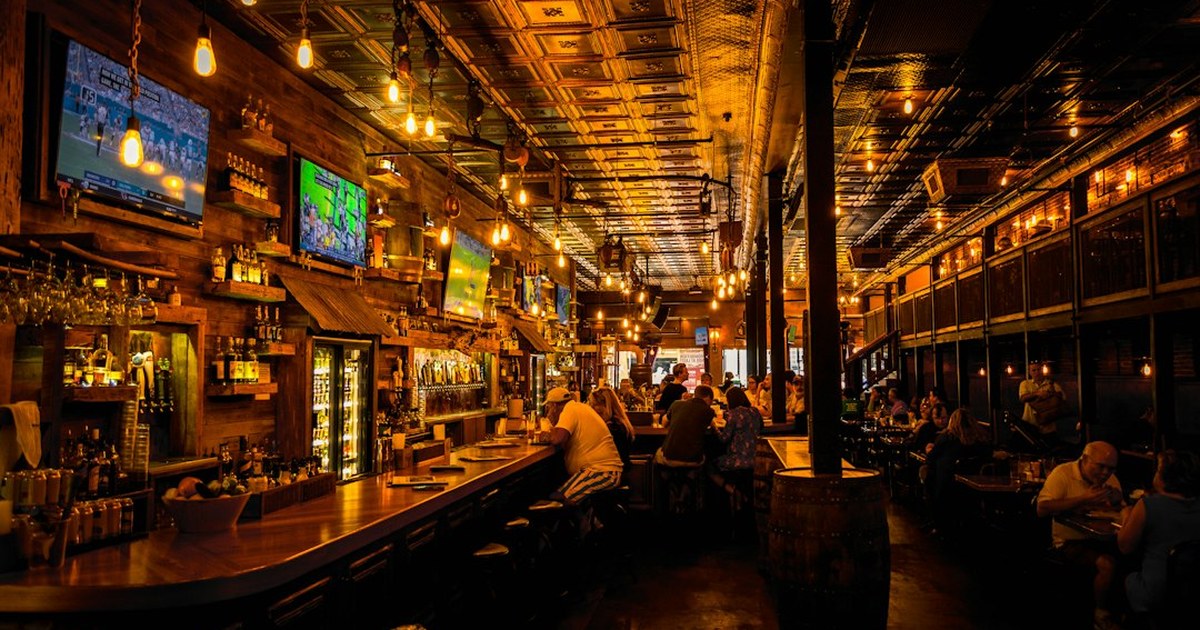
Why Irish Pub Regulars Stay Loyal to One Local for Life
Walk into almost any Irish pub on a Tuesday evening and you will notice something that takes a moment to name. A man in his sixties settles onto a stool without looking at the menu, without scanning the taps, without saying a word beyond a nod. Within ninety seconds, a pint of Guinness is pulled and placed in front of him at precisely the right moment — after its two-stage pour, rested and topped. The publican has already moved on. No transaction has visibly taken place. What you are watching is not efficiency. It is a relationship that has been built, built one visit at a time, across several decades. This is the Irish local, and understanding it changes how you read everything else about pub culture on the island.
The concept of the local — a single pub to which a person returns, almost exclusively, for the entirety of their adult drinking life — runs deeper in Ireland than in most other pub cultures. Partly this is geography. In rural parishes, there may have been only two or three licensed premises within reasonable reach, and allegiance to one over another was determined early, often by which one your father used. But it goes beyond convenience. Irish licensing law historically produced pubs that were genuinely embedded in communities in ways that English or continental equivalents were not. The combined grocery-pub, or grocer’s licence establishment, meant that the publican was also, sometimes literally, the person who sold your family its tea and bread. Trust ran through a single premises. You banked social capital there the way others might bank money. Switching your local was not so much a practical decision as a mild form of social defection. Some of these combined premises lasted into living memory, and you can still see the legacy in why traditional Irish pubs have shelves and shop fittings inside.
What a publican knowing your order by heart actually signals is worth unpacking, because it is not simply a party trick or a mark of good memory. It represents reciprocal knowledge — the publican knows your drink, your preferred glass temperature, the gap you like between pints, whether you want to talk or be left in peace, and who you should not be seated next to. In return, the regular is expected to behave: to hold their drink with dignity, to contribute to the general atmosphere, to buy their round without prompting, and not to arrive in a state that will cause difficulty. The unspoken contract is extraordinarily detailed. In rural Ireland the pub has long worked less as a venue than as a social institution with its own internally enforced codes, and those codes only held because both sides of the bar knew each other intimately over time. When a publican pulls your pint without being asked, they are not just remembering a preference. They are confirming your membership.
The specific rituals that hold this loyalty in place are worth noting for anyone who wants to understand rather than simply observe. Regulars tend to have a spot — a particular stool or corner that is understood, without any formal arrangement, to be theirs on certain evenings. Other regulars will leave it free. Staff will naturally orient conversation in that direction. Over years, the spot becomes almost architectural — part of how the room works. There is also the matter of credit and slate, less common now than in earlier decades but not entirely gone, which created a financial relationship between regular and house that made the idea of wandering to a competitor’s bar feel almost disloyal in a business sense. And there is the role of the pub in marking life events: the pint after a funeral, the round bought on a child’s christening, the quiet drink on an anniversary. A regular who has been coming to the same house for thirty years has, effectively, let the pub witness their life. That is not a relationship most people walk away from lightly.
Why It Matters Today
For visitors to Ireland, understanding the local dynamic changes the texture of the experience considerably. The pub that looks quiet on a Wednesday at six o’clock is not failing — it may be doing exactly what it has done for generations, serving a room of people who barely need to speak to communicate what they want. Joining that room as an outsider is genuinely welcome in most Irish pubs, provided you read the room rather than try to perform your own version of Irishness at it. Ask the publican what they recommend. Sit at the bar rather than immediately retreating to a table. Do not rush. The pubs most worth spending time in — the ones with authentic atmosphere rather than manufactured décor — are often the ones where regulars have been quietly anchoring the room for years. Their presence is what makes the place feel the way it does, and recognising that adds a layer to any visit that no amount of tourist-trail guidance can manufacture. For the unwritten rules in more detail, see our Irish pub etiquette guide, and for how the bar counter itself changed over the last century, read Women in Irish Pubs.
There is something quietly moving about a culture that allows a person to walk into the same room, sit in the same spot, and be known without explanation for forty or fifty years — and something worth travelling to understand first-hand, at your own careful pace, over a properly poured pint.
Tours & experiences you might love


Powered by Viator. Some links are affiliate links — we may earn a small commission at no extra cost to you.
Secure Your Dream Irish Experience Before It’s Gone!
Planning a trip to Ireland? Don’t let sold-out tours or packed attractions spoil your journey. Iconic experiences like visiting the Cliffs of Moher, exploring the Rock of Cashel, or enjoying a guided walk through Ireland’s ancient past often sell out quickly—especially during peak travel seasons.

Booking in advance guarantees your place and ensures you can fully immerse yourself in the rich culture and breathtaking scenery without stress or disappointment. You’ll also free up time to explore Ireland’s hidden gems and savour those authentic moments that make your trip truly special.
Make the most of your journey—start planning today and secure those must-do experiences before they’re gone!