

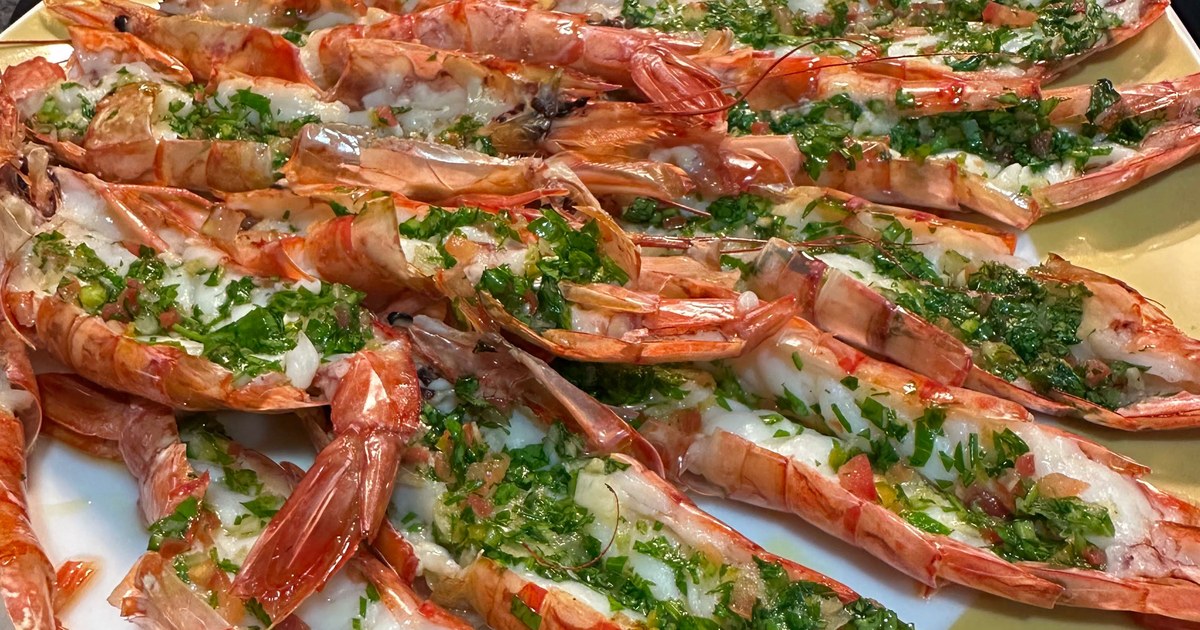
There are few more immediately joyful experiences in Irish food than sitting at the edge of Howth harbour, the salt air coming off the Irish Sea, with a plate of Dublin Bay prawns split and glistening in garlic butter set before you. These are not prawns in the modest supermarket sense — Dublin Bay prawns, known more formally as langoustines and sometimes called Norway lobsters, are a different creature altogether: sweet, firm, coral-pink, and possessed of a delicate flavour that proper Irish butter and a little garlic can elevate without overwhelming. The fishermen of Howth have been landing them for generations, and the harbourside restaurants and seafood shacks that grew up around that trade turned this simple preparation into something of a local institution.
The name “Dublin Bay prawn” is itself a small piece of culinary history. Langoustines were originally an unsolicited bycatch for trawlers working the northern Irish Sea — not strictly part of the official catch, so crews would off-load them at sea in Dublin Bay before the boat ever reached the harbour, selling them on to street vendors for extra cash in what amounted to a floating black market. Only later did they move from this informal trade into the mainstream of Irish cooking. By the mid-twentieth century, Dublin Bay prawns had become synonymous with a certain kind of unpretentious, gloriously fresh Irish seafood cooking: no heavy sauces, no elaborate technique, just impeccable ingredients treated with respect and served with good bread to mop up the butter — the same spirit behind simple Dublin classics like cockles and mussels sold by the Dublin Bay shellfish trade.
This recipe is the classic Howth preparation — langoustines split lengthways, laid cut-side up under a hot grill, and bathed in melted Irish butter enriched with garlic and flat-leaf parsley. It is fast, it is honest, and if you can get your hands on truly fresh langoustines, it will taste like the sea itself. Ask your fishmonger to split them if you prefer, though it is straightforward to do at home with a sharp, heavy knife.
Ingredients
- 12 whole fresh langoustines (Dublin Bay prawns), approximately 1 kg / 2 lb 3 oz total weight
- 100 g / 3½ oz good-quality Irish salted butter (Kerrygold is ideal)
- 4 cloves of garlic, peeled and very finely minced
- 3 tablespoons fresh flat-leaf parsley, finely chopped
- 1 tablespoon fresh lemon juice, plus lemon wedges to serve
- A pinch of flaky sea salt
- Freshly ground black pepper
- Crusty soda bread or a good baguette, to serve
Method
- Preheat your grill (broiler) to its highest setting — around 240°C / 465°F if your grill has a temperature guide — and position the rack approximately 10 cm / 4 inches below the heat source. Give it a full 5 minutes to come up to temperature.
- To split the langoustines, place each one shell-side down on a chopping board. Using a sharp, heavy chef’s knife, cut firmly down through the head and tail so the prawn is halved lengthways into two neat halves. Remove and discard the dark intestinal thread running through the tail if visible.
- Arrange the langoustine halves cut-side up in a single layer in a large, shallow, oven-proof baking dish or roasting tin. They should sit snugly but without overlapping.
- In a small saucepan over a low heat, melt the butter gently until just liquid — do not let it brown. Remove from the heat and stir in the minced garlic, chopped parsley, lemon juice, a pinch of sea salt, and a few grinds of black pepper. Stir well to combine.
- Spoon or pour the garlic butter generously and evenly over the cut flesh of all the langoustines, ensuring every tail is well coated.
- Slide the dish under the preheated grill and cook for 5 to 6 minutes, until the flesh is just opaque and cooked through, the shells have turned a deeper orange-pink, and the butter is bubbling and beginning to catch slightly at the edges. Do not overcook — langoustine flesh turns rubbery quickly if left too long under heat.
- Remove from the grill immediately and serve straight from the dish, with lemon wedges alongside and plenty of crusty bread for the butter pooled in the dish.
Tips
- Freshness is everything. Live or very freshly caught langoustines are ideal. If buying pre-caught, look for firm flesh, bright shells, and a clean sea smell — avoid any with a strong ammonia scent.
- Frozen langoustines can work well if that is what is available; thaw them slowly in the fridge overnight and pat thoroughly dry before grilling to prevent excess water diluting the butter.
- Don’t rush the grill. A properly preheated grill gives you that essential quick, high heat that cooks the flesh without drying it out — a tepid grill will steam rather than grill, and the result will be noticeably less good.
- Add a tiny pinch of dried chilli flakes to the butter if you like the gentlest warmth, though the traditional preparation keeps things clean and simple.
- Serve immediately. Langoustines in garlic butter wait for nobody — bring your guests to the table before the dish comes out of the grill, not after.
There is something wonderfully grounding about a dish this simple done this well — it asks nothing of you beyond good ingredients and a little attention, and it gives back something that feels genuinely special. Whether you make it beside the sea or in a kitchen miles inland, Dublin Bay prawns in garlic butter carry with them a sense of place and occasion that no amount of elaborate cooking can manufacture. Set out the bread, pour something cold and crisp to drink, and let the harbour come to you. For more simple Irish seafood dishes, try our classic Irish seafood chowder.
Tours & experiences you might love


Powered by Viator. Some links are affiliate links — we may earn a small commission at no extra cost to you.
Secure Your Dream Irish Experience Before It’s Gone!
Planning a trip to Ireland? Don’t let sold-out tours or packed attractions spoil your journey. Iconic experiences like visiting the Cliffs of Moher, exploring the Rock of Cashel, or enjoying a guided walk through Ireland’s ancient past often sell out quickly—especially during peak travel seasons.

Booking in advance guarantees your place and ensures you can fully immerse yourself in the rich culture and breathtaking scenery without stress or disappointment. You’ll also free up time to explore Ireland’s hidden gems and savour those authentic moments that make your trip truly special.
Make the most of your journey—start planning today and secure those must-do experiences before they’re gone!