

On 31 December 1759, the Dublin brewer Arthur Guinness signed a lease on a disused brewery at St James’s Gate in Dublin. It ran for 9,000 years, and the rent was £45 a year. Here is what the lease covered, why it no longer matters, and a beef and Guinness stew for the cold evenings.
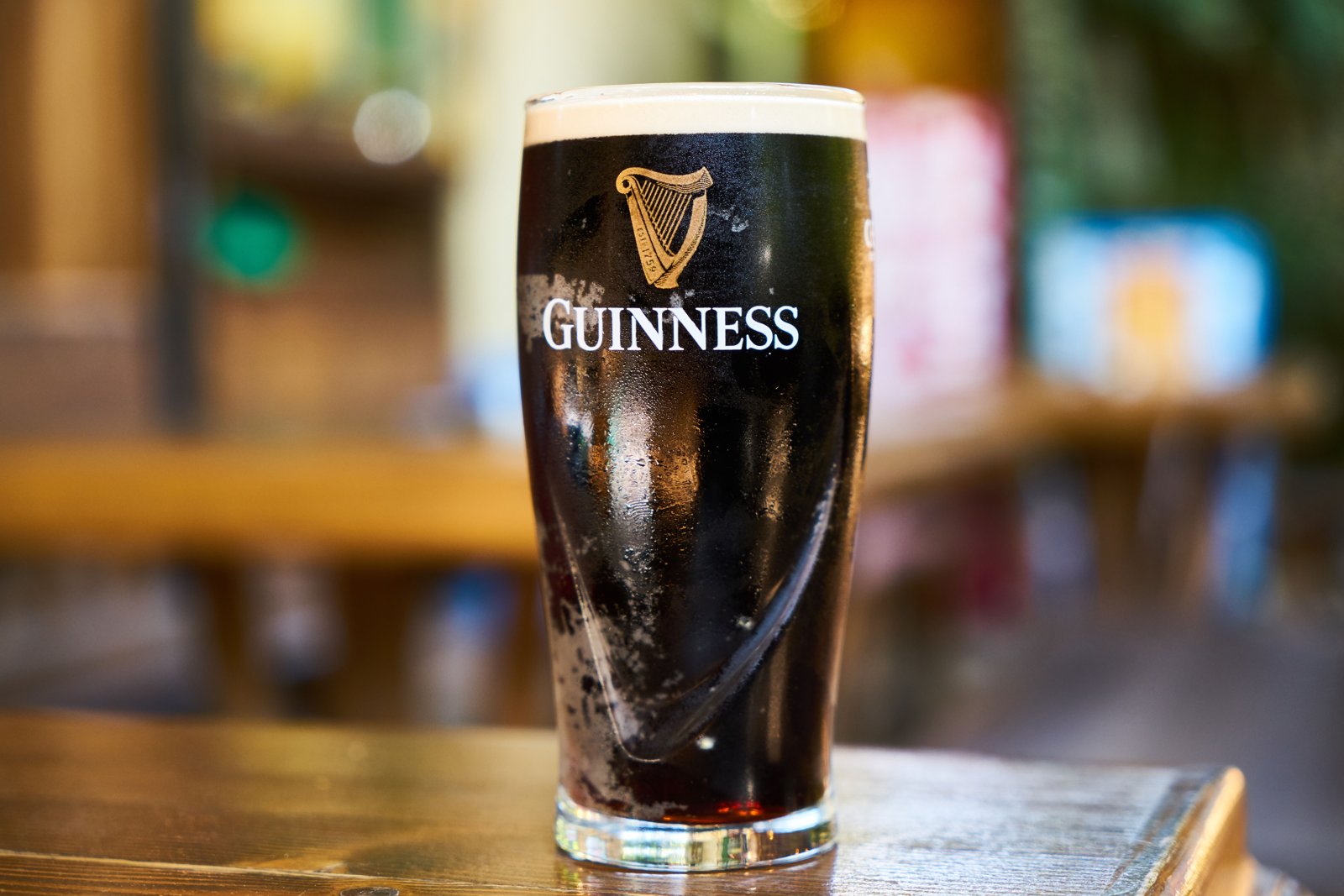
What a 9,000-year lease actually covered
The Irish Times, in its short history of St James’s Gate, records that in 1759 Arthur Guinness signed a 9,000-year lease on a disused brewery at the site for an annual rent of £45. The brewery covered four acres. It came with a mill, two malthouses, stabling for twelve horses and a loft that could hold 200 tons of hay.
Wikipedia’s history of the site, which draws on the company’s own account, gives the date as 31 December 1759 and says the lease had passed through several hands before Guinness took it. The site had been on the market for about ten years.
The water in the small print
The lease also gave the brewery its water. The Irish Times timeline notes that Guinness later had to defend the water rights agreed in the 1759 lease against Dublin Corporation, which wanted to cut off and fill in the watercourse the brewery drew its free supply from. For a brewer, that clause mattered as much as the buildings.
Why the lease no longer counts
Nobody is still paying £45 a year. Guinness grew well beyond the original four acres, and the company bought the land outright many years ago. That made the 1759 lease redundant, according to the history of the site on Wikipedia. The brewery now covers more than 50 acres. If you want to see where it all began, the Guinness Storehouse in Dublin is the place to start.
Guinness has turned up in our kitchen before. We told the story of Pierce Brosnan’s potatoes, butter and Guinness and of the pint in Moneygall. For baking, try our Guinness brown bread.
Cook the real Irish classics at home ☘️
Get our free guide, 10 Real Irish Recipes: the dishes Irish families actually cook, written the way Granny made them.
How to make beef and Guinness stew (serves 4 to 6)
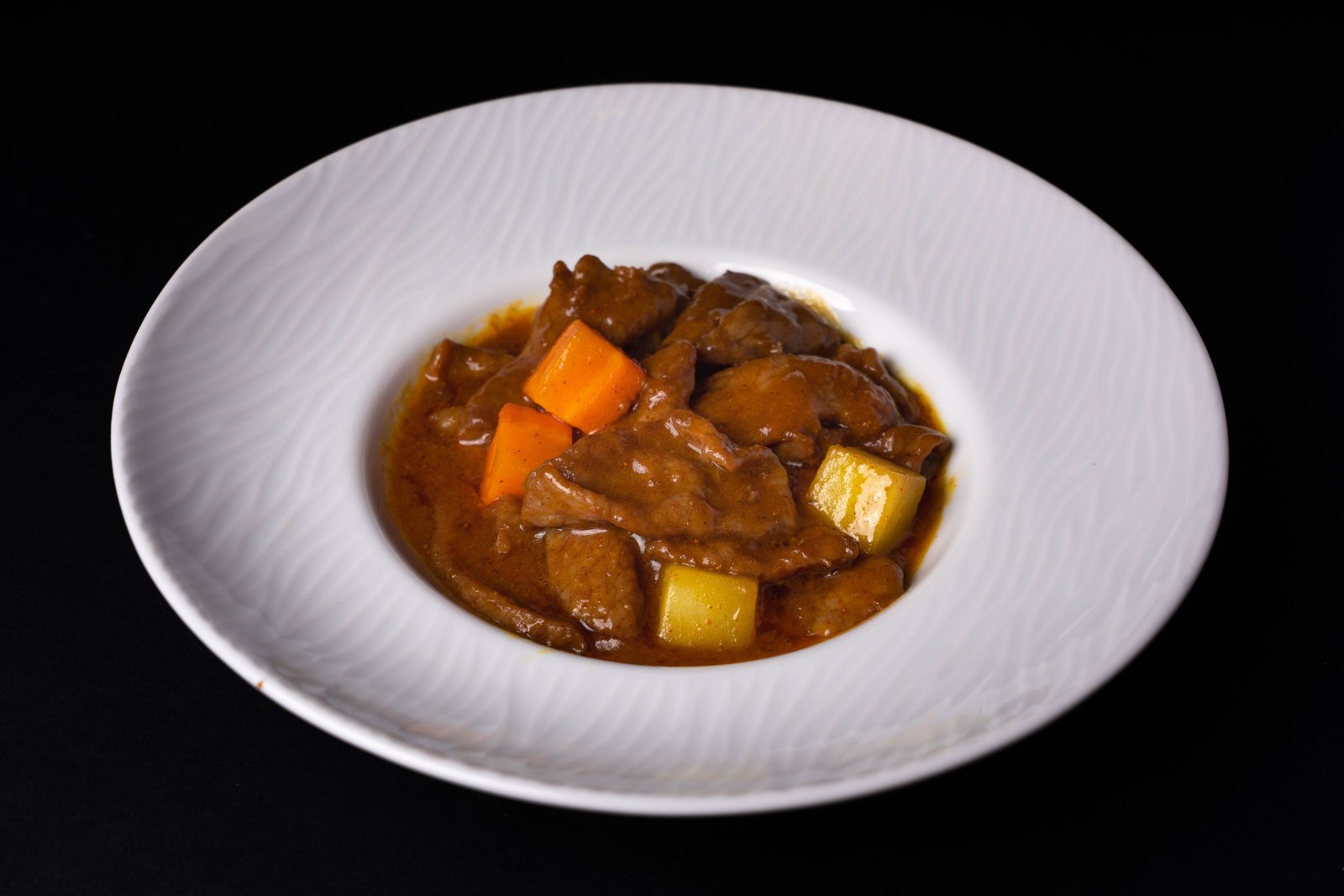
This is the slow oven version from our Irish beef and Guinness stew recipe. Allow about 2 hours 30 minutes in the oven.
Ingredients
- 1 kg beef chuck or stewing beef, cut into 4 to 5 cm chunks
- 2 tbsp plain flour, seasoned with salt and black pepper
- 3 tbsp oil
- 2 medium onions, roughly chopped
- 3 garlic cloves, finely chopped
- 2 medium carrots, cut into chunky rounds
- 2 medium parsnips, cut into chunky pieces
- 500 g waxy potatoes, halved
- 440 ml can of Guinness
- 400 ml good beef stock
- 2 tbsp tomato purée
- 2 tsp Worcestershire sauce
- 2 thyme sprigs and 2 bay leaves
- Salt, pepper and chopped parsley, to serve
Method
- Heat the oven to 160°C (140°C fan). Toss the beef in the seasoned flour.
- Heat 2 tbsp oil in a large ovenproof casserole. Brown the beef in batches, without crowding the pan, and set it aside.
- Add the last tbsp of oil and soften the onions for 6 to 8 minutes, scraping up the brown bits. Add the garlic for 1 minute.
- Stir in the tomato purée for 1 to 2 minutes. Pour in the Guinness and scrape the base of the pot, then add the stock, Worcestershire sauce, thyme, bay leaves and the beef.
- Bring to a simmer, cover and cook in the oven for 1 hour 30 minutes.
- Add the carrots, parsnips and potatoes. Cook, covered, for another 45 to 60 minutes until the beef and vegetables are tender.
- Season to taste, scatter with parsley and serve with brown bread.
Would you cook with Guinness, or keep the pint for the glass?
Sources
- St James’s Gate: a brief history, The Irish Times
- St James’s Gate, Wikipedia
- Guinness Storehouse
Checked November 2026.
Tours & experiences you might love


Powered by Viator. Some links are affiliate links — we may earn a small commission at no extra cost to you.
Secure Your Dream Irish Experience Before It’s Gone!
Planning a trip to Ireland? Don’t let sold-out tours or packed attractions spoil your journey. Iconic experiences like visiting the Cliffs of Moher, exploring the Rock of Cashel, or enjoying a guided walk through Ireland’s ancient past often sell out quickly—especially during peak travel seasons.

Booking in advance guarantees your place and ensures you can fully immerse yourself in the rich culture and breathtaking scenery without stress or disappointment. You’ll also free up time to explore Ireland’s hidden gems and savour those authentic moments that make your trip truly special.
Make the most of your journey—start planning today and secure those must-do experiences before they’re gone!