

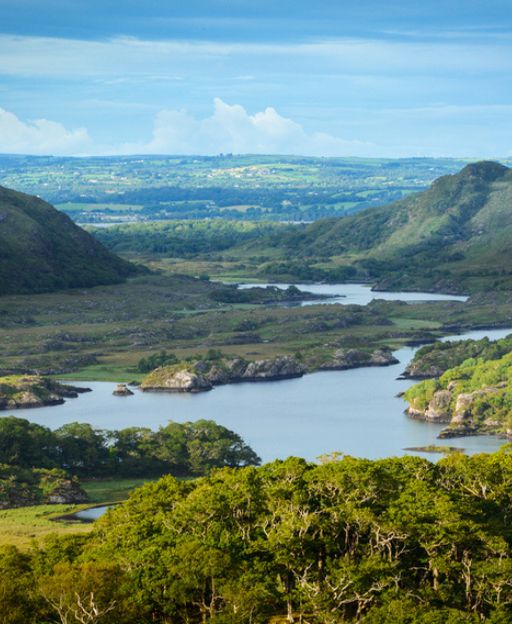
County Kerry sits at the far southwest of Ireland. The Atlantic cuts deep inlets into the mountains here. The sky changes every hour. For Americans thinking about making a new life in Ireland, Kerry offers something rare. You get genuine wildness — and still have good broadband, a local health centre, and a weekly market. This is a county for people who want the Ireland they dreamed of.
Why Kerry Draws People Who Want a Real Change
Kerry is Ireland’s third-largest county, covering 4,807 square kilometres. About 155,000 people live here. It’s small enough that you become a known face within months. It’s large enough to have a regional hospital, secondary schools, and a good-sized Lidl. That ratio matters to people who are seriously weighing a move.
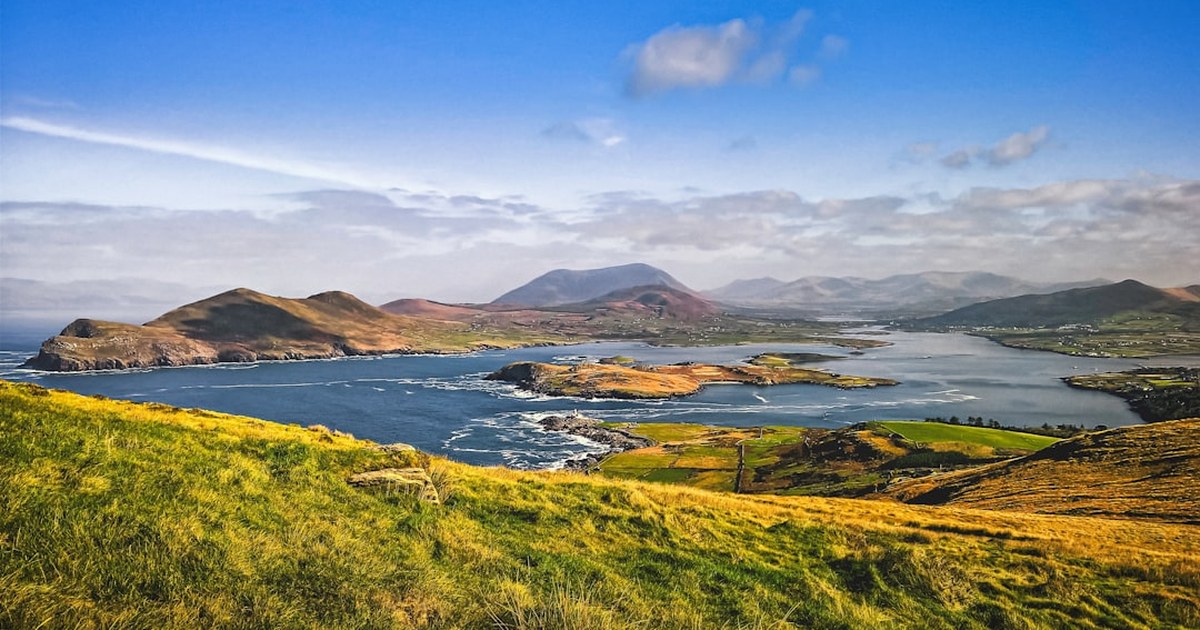
The landscape is genuinely extraordinary. The McGillycuddy’s Reeks — Ireland’s highest mountain range — rise sharply from Killarney’s lakes. The Dingle Peninsula pushes 50 kilometres into the Atlantic. The Ring of Kerry covers 179 kilometres of coastal road, with sea cliffs, early Christian ruins, and villages where Irish is still a first language for many residents.
Property prices stay well below Dublin and Cork levels. In early 2026, three-bedroom homes in Kerry town centres cost between €280,000 and €380,000. In smaller villages, similar houses sell for €160,000 to €240,000. Many people move here precisely for this reason — good space, great scenery, and a price they can actually afford.
The Best Towns in County Kerry for a New Life
Killarney
Killarney has 14,500 people. It’s the county’s best-known town and the most practical base for anyone arriving from abroad. It has a hospital, a bus and rail link to Cork and Dublin, and a well-established expat community. The national park sits right on the town’s doorstep.
The town gets very busy in summer. From June to August, the main streets fill with tourists. Prices spike and parking gets tight. People who settle here quickly learn the rhythm — step back in July and August, and enjoy the town at its best from September to May, when it belongs to the people who live there. Plan your visit: Official site.
Kenmare
Kenmare has 2,400 people. It sits at the head of the Kenmare River estuary, ringed by mountains. The stone-built town centre looks much as it did in the 19th century. The town has good restaurants, independent shops, a regular market, and a lively arts scene.
Kenmare draws people who want village scale with town amenities. The weekly farmers’ market runs year-round. Two bookshops, several good restaurants, and walking trails through ancient stone circles all sit within 2 kilometres of the main square. It’s 30 minutes from Killarney and 80 minutes from Cork — useful for airports and specialist medical care. Plan your visit: Official site.
Dingle (An Daingean)
Dingle is Ireland’s westernmost significant town. It has 1,900 people, a working fishing harbour, and a strong music tradition. The town sits in a Gaeltacht area — Irish is a community language here, not just a school subject. You hear it in the butcher’s queue and at local matches.
Property in Dingle costs more than elsewhere in Kerry. Buyers from Dublin and abroad keep prices high. Expect €350,000 to €500,000 for a house with any view. In return, you get a community where nearly every face becomes familiar within a year, and access to some of Ireland’s finest walking on the Slea Head Drive. Plan your visit: Official site.
Tralee
Tralee has about 26,000 people. It’s Kerry’s county town and the most practical option for people who need full services at lower cost. It has the county hospital, a train station, a university campus, and the full range of shops and professional services. House prices run about 20% lower than Killarney.
Tralee lacks the drama of Killarney or the charm of Kenmare. But it works well as a real, functioning town. People who prioritise everyday practicality often say it suits them better than they expected. Fenit Harbour is 20 minutes away. Ballybunion’s beaches are 30 minutes. The Dingle Peninsula is 45 minutes.
☘️ Enjoying this? 64,000+ Ireland lovers get stories like this every week. Subscribe free →
What Daily Life Actually Looks Like in Kerry
Kerry has strong broadband in its main towns. Smaller villages are improving quickly. This matters more each year as remote working becomes normal for people moving from North America and Britain. The county has attracted international tech companies — Fexco, an Irish fintech founded in Killorglin, is one example. That means the infrastructure keeps getting investment.
The weather is the honest conversation nobody wants to have first. Kerry is one of Ireland’s wettest counties. It receives 1,400 to 2,000 mm of rain per year in coastal areas. The payoff? Green grass from January to December, clear Atlantic air, and the quality of Kerry light in autumn — a soft gold that photographers travel from across Europe to catch. Most people who move here and stay say they adapt to the rain within a year. After two years, most stop noticing it.
- Healthcare — Tralee University Hospital (377 beds) is the main local hospital. Cork University Hospital is 60 minutes away for specialist care.
- Schools — Kerry has 14 secondary schools across the county. Irish-language primary schools (Gaelscoileanna) run in several towns.
- Transport — Irish Rail links Tralee, Killarney, and Cork (connection to Dublin, 3.5 hours). Kerry Airport at Farranfore flies year-round to Dublin and London Stansted.
- Cost of living — Groceries, utilities, and restaurants run 20 to 30% cheaper than Dublin. Petrol costs a little more than the city due to distance from depots.
The Irish Community in Kerry
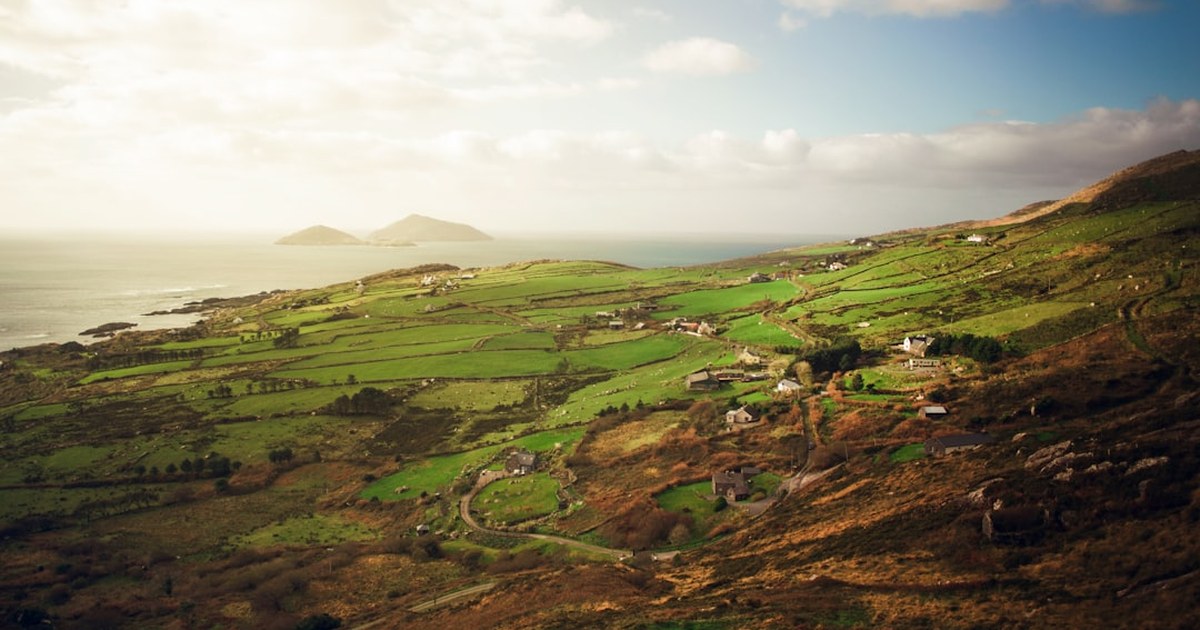
Kerry has absorbed newcomers steadily for three decades. Returning Irish emigrants, British retirees, Germans, Americans, and Dutch have all made lives here. The county has a well-established pattern of welcoming outsiders through sport, community groups, and the local pub — which functions as a community board and information exchange as much as a drinking place.
Irish Americans with Kerry roots form a specific group. The county sent an extraordinary number of emigrants to the United States in the 19th and early 20th centuries. Towns like Caherciveen, Listowel, and Killorglin sent whole families across the Atlantic. People who trace their name back to Kerry often find the move feels less like relocation and more like return.
For a practical guide to making the move work, the full Move to Ireland guide covers everything in detail. It explains the visa categories that work best for retirees and remote workers, what to expect from the first 90 days on the ground, and how to open an Irish bank account before you land.
Kerry for Retirees: What the Numbers Say
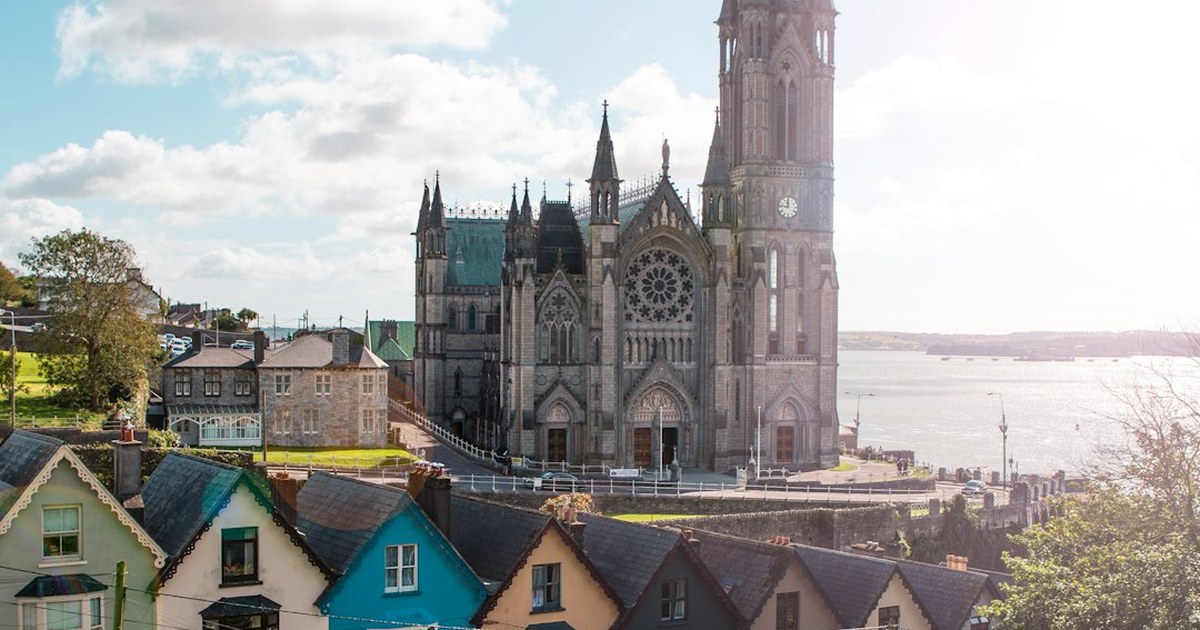
Kerry is one of Ireland’s most popular retirement destinations for overseas arrivals. The reasons are consistent: lower house prices than the cities, full rural services, and a pace of life that people specifically seek when they leave North American or British urban schedules behind.
- Average house price in Kerry (2026) — €295,000 (national average: €395,000)
- Average rent for a 2-bed outside Killarney — €1,100 to €1,400 per month
- GP visit (private) — €50 to €65 per visit. Free with a medical card if your income qualifies.
- Irish state pension (2026) — €299.30 per week (€15,564 per year)
- Distance from Kerry to Dublin Airport — 3 hours 30 minutes by road; 1 hour by air from Kerry Airport
The Irish state pension is available alongside a US Social Security pension if you have qualifying work history in both countries. The Ireland-USA social security agreement means years worked in both count toward eligibility in each. Many Kerry retirees from North America draw both income streams.
If your family has roots in Kerry — and tens of thousands of Irish-American families do — our free Irish Ancestral Heritage Guide covers the records available for the county, including Griffith’s Valuation (1847–1864) and Kerry civil registration records from 1864 onward.
What are the best towns to retire to in County Kerry?
Kenmare is widely considered the best Kerry town for retirees who want quality of life in a compact, walkable setting. Killarney suits people who want a larger community with full amenities and easy transport links. Tralee offers the best value and the most complete services, including the county hospital. Smaller villages like Waterville, Caherciveen, and Killorglin suit people who specifically want a quieter pace and don’t need a town nearby every day.
How much does it cost to buy a house in County Kerry?
The average house price in Kerry in 2026 is approximately €295,000. The national average is approximately €395,000. In Killarney, three-bedroom houses range from €280,000 to €380,000. In smaller villages away from the main tourist route, similar homes often sell for €150,000 to €220,000. Properties close to the coast or with mountain views command a premium of 15 to 25%.
Is County Kerry a good place to live as an American?
Yes. Kerry is consistently one of Ireland’s most popular destinations for Americans relocating or retiring. The county has a long history of welcoming newcomers, particularly those with Irish-American heritage. All services run in English. Property prices are well below US equivalents for a comparable rural lifestyle. The main practical challenges are the wet weather and limited public transport outside the main towns. The Retire in Ireland guide covers how to plan for both before you arrive.
☘️ Join 64,000+ Ireland Lovers
Every weekday morning, get Ireland’s hidden gems, local secrets, and travel inspiration — the kind you won’t find in any guidebook.
Subscribe free — enter your email:
📲 Know someone who’d love this? Share on WhatsApp →
Love more? Join 43,000 Scotland lovers → · Join 29,000 Italy lovers → · Join 7,000 France lovers →
Free forever · Unsubscribe anytime
Tours & experiences you might love


Powered by Viator. Some links are affiliate links — we may earn a small commission at no extra cost to you.
Secure Your Dream Irish Experience Before It’s Gone!
Planning a trip to Ireland? Don’t let sold-out tours or packed attractions spoil your journey. Iconic experiences like visiting the Cliffs of Moher, exploring the Rock of Cashel, or enjoying a guided walk through Ireland’s ancient past often sell out quickly—especially during peak travel seasons.

Booking in advance guarantees your place and ensures you can fully immerse yourself in the rich culture and breathtaking scenery without stress or disappointment. You’ll also free up time to explore Ireland’s hidden gems and savour those authentic moments that make your trip truly special.
Make the most of your journey—start planning today and secure those must-do experiences before they’re gone!