

Ireland is one of the most popular destinations in the world for Americans considering a move abroad. More than 13,000 American citizens already live here — and the number is growing every year. Whether you are chasing a slower pace of life, reconnecting with your family’s roots, or simply ready for something different, the question quickly becomes: which part of Ireland?
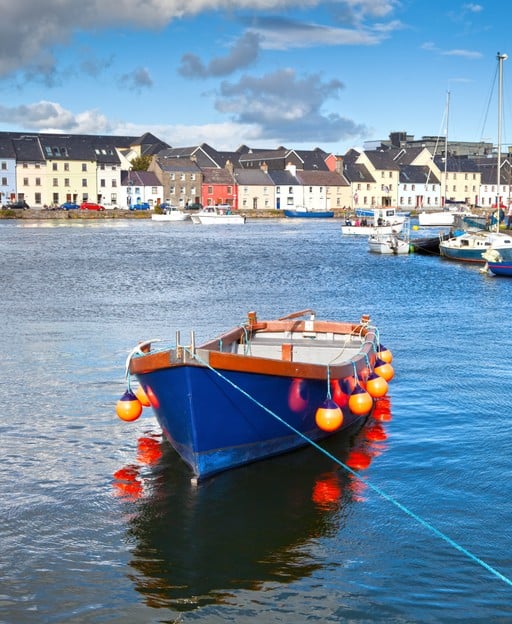
The country has far more variety than most people expect. From medieval cities with lively arts scenes to quiet harbour villages where everyone knows your name, Ireland packs an enormous range of experiences into a relatively small space. This guide focuses on the places where American retirees and relocators have genuinely built happy lives — towns with good amenities, strong communities, and landscapes that never get old.
Watch: Do You Qualify for an Irish Passport?
If one of your grandparents was born in Ireland, you may be able to become an Irish citizen. This 14-minute guide explains who qualifies, what it costs and how long it takes. Thinking of making the move? Get the free Moving to Ireland checklist.
If you are seriously exploring the idea, the full Retire in Ireland guide covers the practical side in much greater depth — but first, the places themselves.
What Makes a Good Place to Retire in Ireland?
When Americans ask where to retire in Ireland, the conversation usually starts with scenery. That is understandable — Ireland’s landscapes are extraordinary. But the towns that tend to work best for retirees share a few practical qualities beyond the view from the kitchen window.
- A real town centre — with a post office, supermarket, pharmacy, and cafés you can walk to
- A settled expat or international community — others have already made this same move
- Good connectivity — a train or bus route to Dublin for medical appointments, flights, or simply a change of scene
- Outdoor access — walking trails, coastline, or countryside within easy reach
- A sense of genuine community — the kind that draws you into local life rather than keeping you at arm’s length
Provincial Irish towns typically cost 30 to 40 per cent less than Dublin. That gap matters enormously when you are living on a fixed income. The towns below all hit this balance well — beautiful enough to be worth the move, practical enough to work as a real home.
Galway City: Ireland’s Cultural Capital on the Atlantic Coast
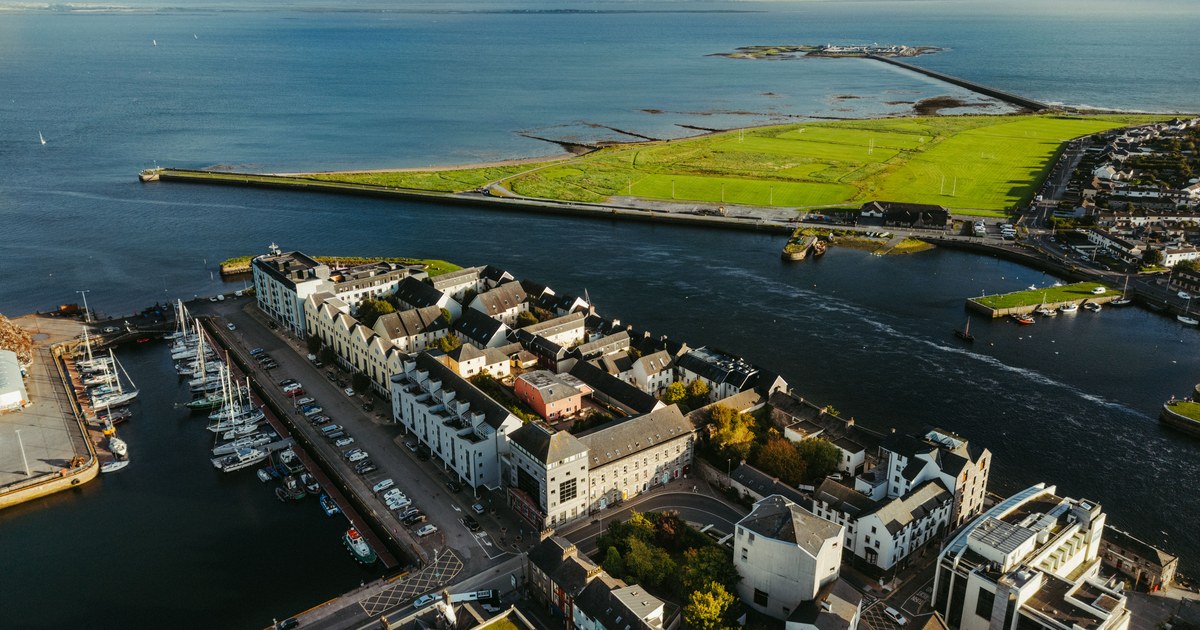
Galway is the most popular city in Ireland for Americans who want something lively but not overwhelming. It has a permanent population of around 80,000 people, which makes it genuinely urban without being a metropolis. The city centre is almost entirely walkable, centring on a medieval core of narrow lanes, independent shops, and traditional pubs.
What sets Galway apart is its energy. It hosts more festivals per resident than almost any other Irish city — from the Galway International Arts Festival in July to the Galway Film Fleadh, Galway Race Week, and dozens of smaller events throughout the year. There is always something happening, but the pace of daily life remains unhurried.
The Spanish Arch quarter, Salthill, and the Long Walk are among the best residential areas for those who want character without noise. Galway Bay stretches out to the west, and the Aran Islands are a 45-minute ferry ride away. Transport is good: regular trains to Dublin take around 2 hours 20 minutes, there is a regional airport with direct flights to the UK, and bus connections run across Connacht. Official visitor information: visitgalway.ie. Official info: en.wikipedia.org/wiki/Galway_City.
Westport, County Mayo: The Town That Keeps Winning
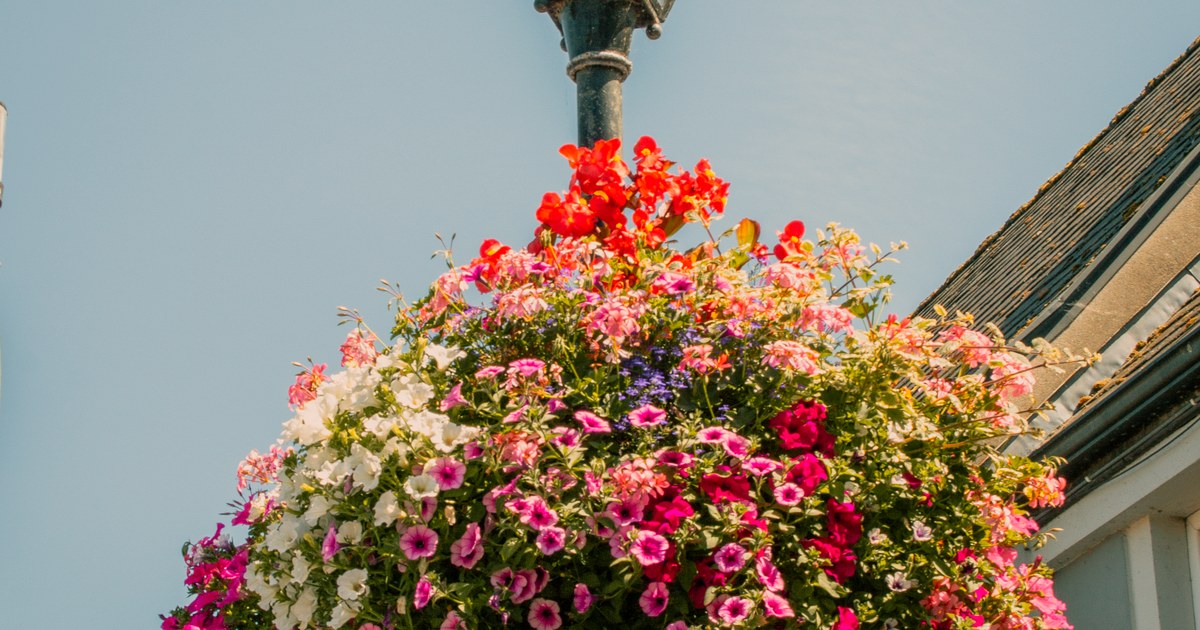
Westport has won the title of Ireland’s Tidiest Town more times than any other place. The residents genuinely care about where they live, and that pride is clear in everything from the flower boxes on the bridge to the quality of the independent restaurants along Bridge Street.
The town sits at the foot of Croagh Patrick, Ireland’s holy mountain, with Clew Bay stretching out to the west and more than 300 islands visible on a clear day. You will find walking, cycling, and sea kayaking available within minutes of the town centre. The Great Western Greenway — a 42-kilometre off-road cycling trail from Westport to Achill Island — runs right through the town and has become one of the most popular cycling routes in Ireland.
Westport’s population is around 6,900, which sounds small but feels much larger in practice. The town has excellent amenities for its size, and Mayo University Hospital in Castlebar sits just 15 kilometres away. Americans who have settled here often describe it as having the warmth of a small community without the insularity that can make smaller villages feel closed off to outsiders. There is a well-established international community, and the Westport Arts Centre gives you entry points into local creative life. Official visitor information: westporttourism.com.
☘ Enjoying this? 64,000+ Ireland lovers get stories like this every week. Subscribe free Official info: en.wikipedia.org/wiki/Westport.
Kenmare, County Kerry: Luxury Living at an Irish Scale
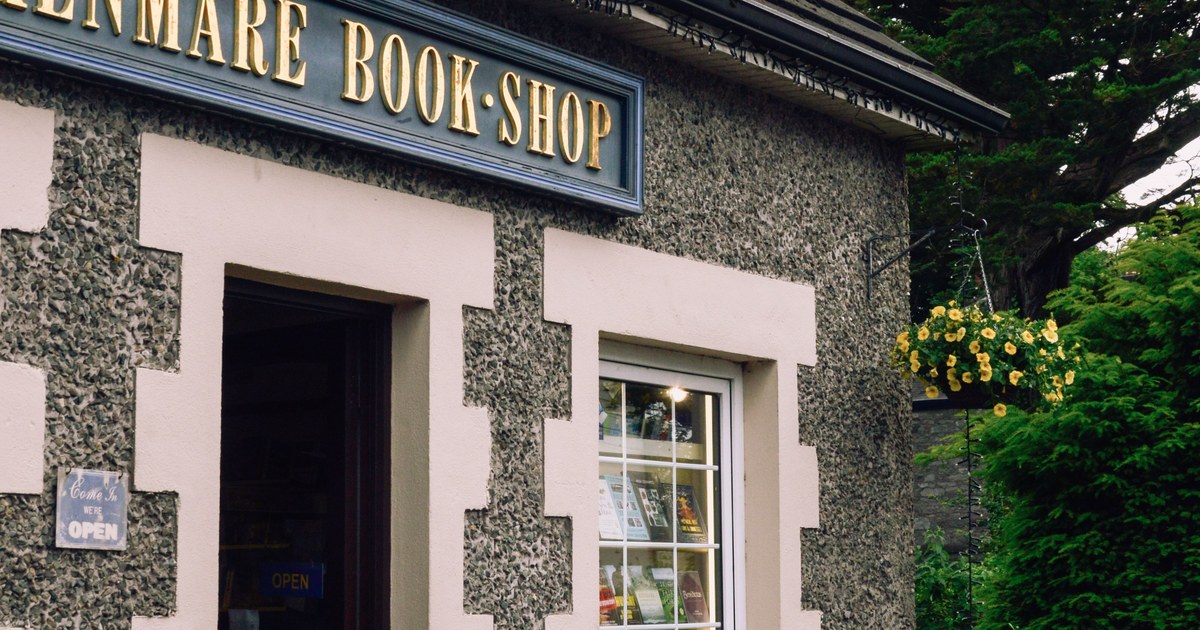
Kenmare is a different kind of Irish town. Situated at the head of Kenmare Bay, surrounded by the MacGillycuddy’s Reeks mountains to the north and the Beara Peninsula to the south, it has attracted a wealthier, more internationally-minded community than most Irish towns its size.
The town has around 2,500 residents but boasts a restaurant scene that would be impressive in a city four times as large. It is one of the few places in provincial Ireland where you can eat exceptionally well without travelling 45 minutes to the nearest decent kitchen. The weekly market draws producers from across Kerry and Cork, and the town has developed a strong reputation for craft and food tourism that brings visitors year-round.
For outdoor enthusiasts, Kenmare is exceptional. The Kerry Way — a 214-kilometre walking route — passes through the town. The Ring of Kerry is 20 minutes away in one direction; the Ring of Beara, quieter and more dramatic, is accessible in the other. You will find sea angling, horse riding, and mountain biking all available locally.
The drawback is Kenmare’s isolation. Killarney is 34 kilometres away, and Cork is nearly 90 kilometres. This suits some people perfectly and frustrates others. If you want one of the most beautiful settings in Ireland and a genuinely high quality of daily life, Kenmare delivers both. Official visitor information: kenmare.ie. Official info: en.wikipedia.org/wiki/Kenmare.
Kilkenny City: Medieval Streets and a Modern Community
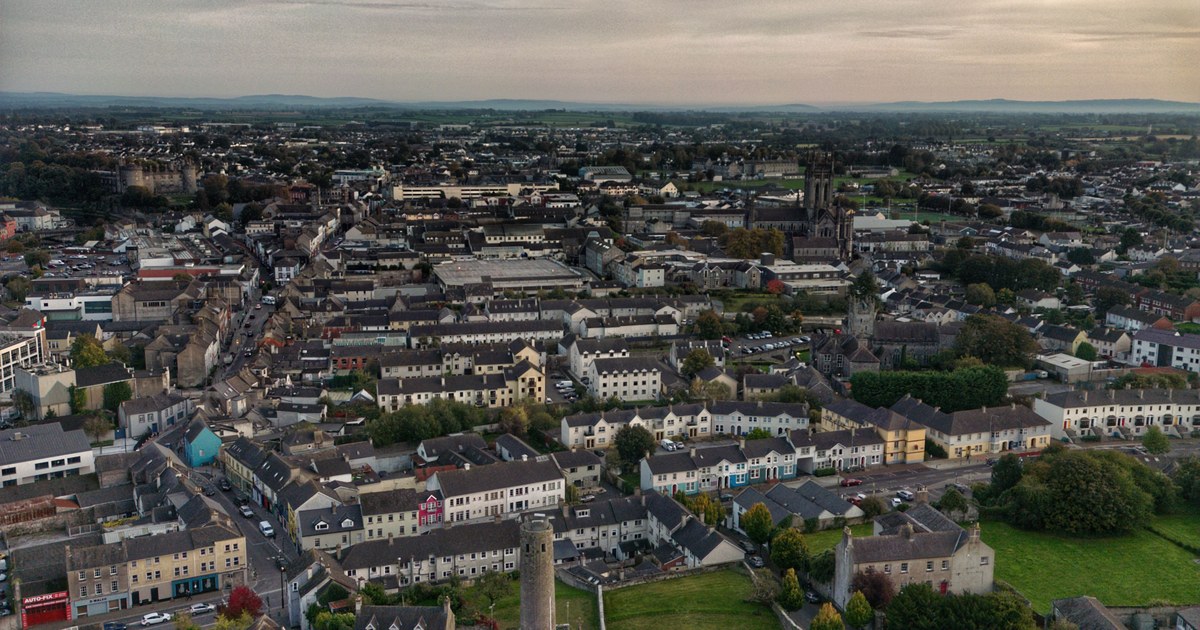
People often describe Kilkenny as Ireland’s most beautiful inland city. The city centre centres on a 12th-century Norman castle, and much of the medieval street plan survives — narrow laneways called slips, a 13th-century cathedral, and stone buildings that people have used continuously for 600 years.
Despite this, Kilkenny feels anything but frozen in time. The city hosts Kilkenny Arts Festival each August — one of Ireland’s oldest and most prestigious festivals — as well as a growing craft quarter and a restaurant and bar scene that draws people from across the south-east. The population of around 27,000 makes it small enough to navigate easily and large enough to have everything you need.
Dublin is around 1 hour 30 minutes away by train. Property values are considerably lower than in Galway or Kerry, which makes Kilkenny one of the more accessible options for those working with a careful budget. Hurling is the dominant sport here, and Kilkenny’s passion for the game runs deep — GAA culture runs through the fabric of the city in a way that gives you an immediate sense of community. Official info: en.wikipedia.org/wiki/Kilkenny_City.
Dingle, County Kerry: Ireland at Its Most Authentic
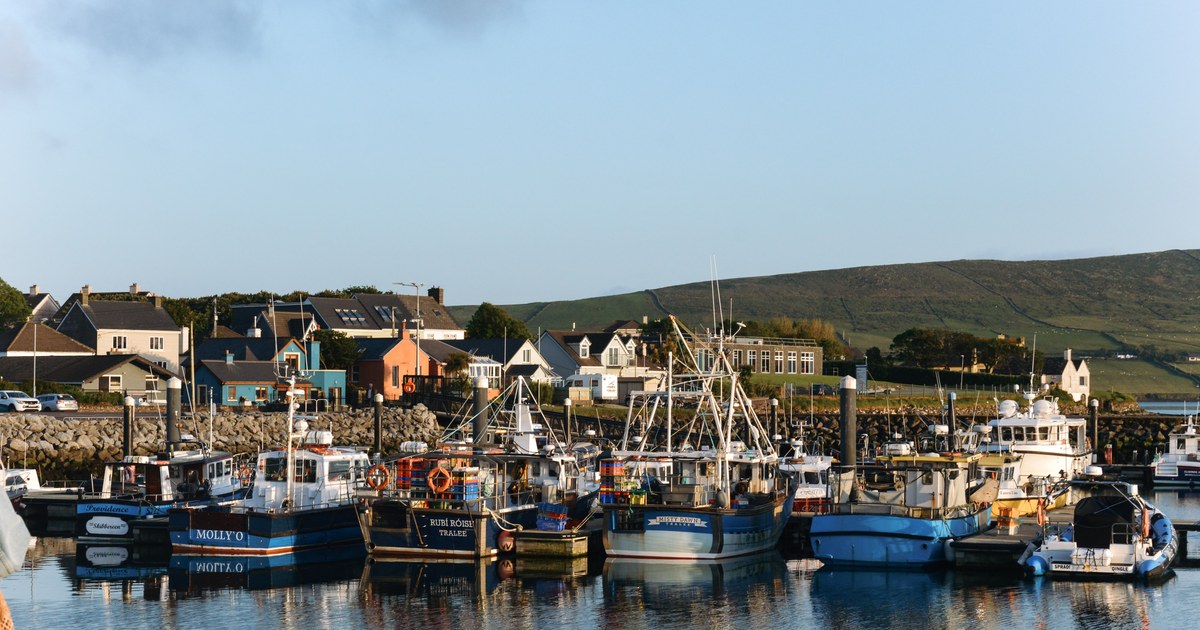
Dingle — Daingean Uí Chúis in Irish — is the largest Irish-speaking town on the mainland. That one fact tells you a great deal about its character. The town perches at the end of a peninsula that juts 50 kilometres into the Atlantic, and it has managed to hold on to something that many Irish towns have lost: a genuine sense of its own identity.
The population is around 1,700 people, but Dingle has a film festival, a food festival, and a traditional music festival (Féile na Bealtaine each May). It has more restaurants per head than almost anywhere in Ireland. The combination of landscape, cultural depth, and quality of daily life draws a steady stream of international arrivals who come on holiday and start thinking about whether they could stay.
The Dingle Peninsula is one of Ireland’s most dramatic landscapes. The Conor Pass road crosses at 456 metres above sea level with views over Tralee Bay and the Brandon Mountain range. The peninsula has Bronze Age stone forts, early Christian oratories, and cliff-top walks that feel genuinely remote even though you are never far from a warm pub.
Tralee is 54 kilometres away, and the road over the pass does not suit nervous drivers in bad weather. Dingle suits people who actively want to live at the edge of things. Official visitor information: dingle-peninsula.ie. Official info: en.wikipedia.org/wiki/Dingle.
Carrick-on-Shannon, County Leitrim: The River Town Nobody Expected
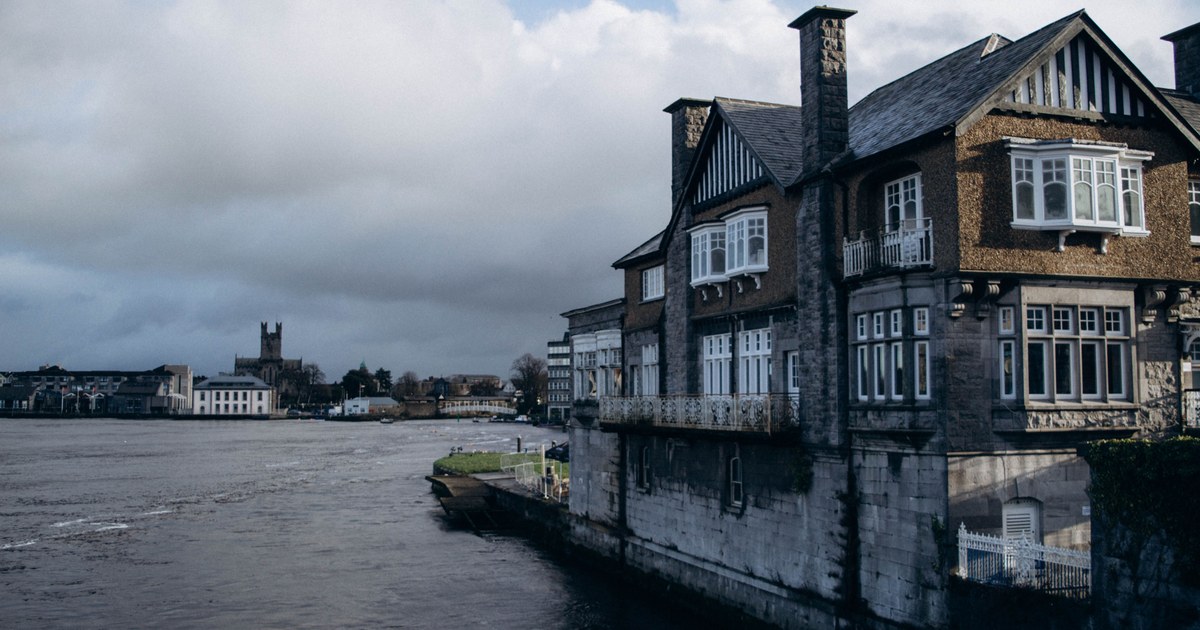
Carrick-on-Shannon rarely appears on most people’s radar, which is partly why it deserves a mention. The town sits on the River Shannon — Ireland’s longest river, stretching 360 kilometres from the Cuilcagh Mountains to the Atlantic — and has built its identity around the Shannon waterway system. Hiring a narrowboat to explore the inland waterways is one of the most relaxed ways to spend time in Ireland, and Carrick is the best place in the country to start.
The town is small (around 4,700 people) but has an outsized hospitality scene driven by weekend visitors from Dublin and beyond. Property values in Leitrim sit among the lowest in the Republic, which makes the county unusually accessible. The surrounding landscape of drumlins, lakes, and bog is quietly beautiful rather than dramatic, but it grows on you in the way that only understated places can. Carrick lies about 2 hours from Dublin by road. Official visitor information: leitrimtourism.com. Official info: en.wikipedia.org/wiki/Carrick-on-Shannon.
Making the Decision: What to Ask Before You Choose

Every town on this list has attracted Americans who love it. Every town has also seen residents leave who found that reality did not match the dream. The difference usually comes down to clear-eyed answers to a few questions before you commit.
- How important is urban access? If you need a city regularly, stay within 90 minutes of Dublin or Cork. If you rarely do, the west and north-west open up considerably.
- Do you drive? In most provincial Irish towns, a car is essential. Outside Dublin, public transport offers limited services.
- What kind of community do you want? Some people want a large expat network where settling in is easy. Others want to go deep into Irish life and feel the difference every day.
- How do you feel about Irish weather? The west coast is wetter and windier than the east. The south-east (Kilkenny, Waterford, Wexford) is drier and warmer.
- What will you do here? The best moves are the ones where the answer is already clear — this person walks, and trails surround this town. Match the place to the life you actually want to lead.
Ireland rewards people who take their time choosing. Spend a few weeks in two or three places before you decide. Stay somewhere long enough to see it in the rain as well as the sunshine, to sit in the pub on a weekday evening, and to notice whether it still feels right when the novelty has settled.
The full Retire in Ireland guide goes into the practical details that make this decision work in the long term. The places above are where the story starts. What you build here is the rest of it.
Frequently Asked Questions About Retiring in Ireland
What is the best county in Ireland to retire in?
There is no single answer, but County Kerry, County Galway, and County Kilkenny consistently rank highly among international retirees. Kerry offers dramatic Atlantic scenery and a warm local culture. Galway combines urban energy with coastal beauty. Kilkenny provides a medieval city atmosphere with excellent rail connections to Dublin and lower property costs than the west coast.
Is Ireland a good place to retire for Americans?
Ireland is one of the most popular retirement destinations in Europe for Americans, primarily because of the shared language, strong cultural connections, and the warmth of Irish communities toward those who genuinely want to become part of local life. More than 13,000 American citizens already live in Ireland, and a record number of new arrivals are joining them each year. The country is safe, well-connected to the US, and offers a high standard of living outside the major cities.
Does it cost much to live in Ireland outside of Dublin?
Provincial towns in Ireland typically cost 30 to 40 per cent less than Dublin. Towns like Carrick-on-Shannon, Kilkenny, and Westport offer a high quality of life at a manageable cost, particularly when compared with equivalent lifestyle costs in many parts of the United States. Leitrim, Roscommon, and Mayo have some of the lowest property costs in the Republic.
What are the most popular Irish towns for American expats?
Galway consistently attracts the largest number of American and European expats outside Dublin. Westport in County Mayo has a well-established international community for a town of its size. Kinsale in County Cork is another popular choice, known for its harbour, restaurant scene, and sailing culture. Kilkenny also draws a steady stream of international residents who want a city feel without Dublin prices.
☘ Join 64,000+ Ireland Lovers
Every weekday morning, get Ireland’s hidden gems, local secrets, and travel inspiration — the kind you won’t find in any guidebook.
Subscribe free — enter your email:
Know someone who’d love this? Share on WhatsApp
Free forever · Unsubscribe anytime
Tours & experiences you might love


Powered by Viator. Some links are affiliate links — we may earn a small commission at no extra cost to you.
Secure Your Dream Irish Experience Before It’s Gone!
Planning a trip to Ireland? Don’t let sold-out tours or packed attractions spoil your journey. Iconic experiences like visiting the Cliffs of Moher, exploring the Rock of Cashel, or enjoying a guided walk through Ireland’s ancient past often sell out quickly—especially during peak travel seasons.

Booking in advance guarantees your place and ensures you can fully immerse yourself in the rich culture and breathtaking scenery without stress or disappointment. You’ll also free up time to explore Ireland’s hidden gems and savour those authentic moments that make your trip truly special.
Make the most of your journey—start planning today and secure those must-do experiences before they’re gone!