

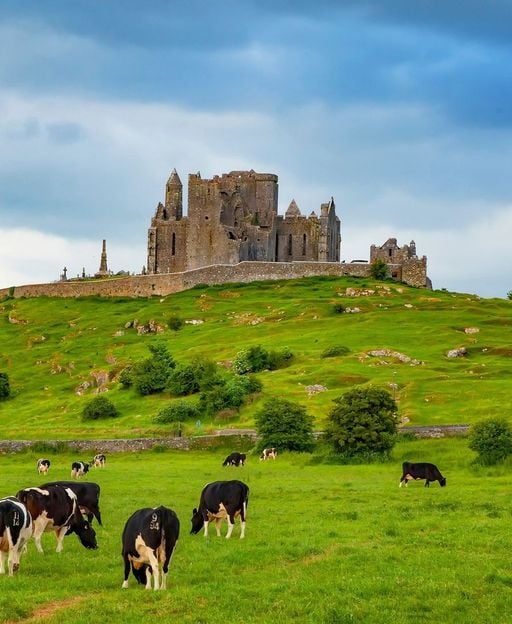
County Tipperary gives you some of Ireland’s most dramatic history in one compact region. The Rock of Cashel — a cluster of medieval buildings perched on a 60-metre limestone outcrop — is one of the most photographed sites on the island and has been the seat of Irish kings since the 4th century. Beyond that centrepiece, Tipperary delivers medieval castles, early Christian monasteries, long-distance walking trails, and the lush farmland of the Golden Vale. If you are planning a trip to Ireland and want somewhere that packs extraordinary history into a short drive, Tipperary belongs on your itinerary.
Why Visit County Tipperary?
Tipperary is the largest inland county in Ireland, covering 4,303 square kilometres in the heart of Munster. It does not have a coastline, but what it lacks in beaches it more than makes up for in heritage. The county sits on some of the richest farmland in Europe — the Golden Vale — and its towns and villages carry centuries of history. From the 12th-century Cistercian monks who built Holy Cross Abbey to the High Kings of Munster who ruled from the Rock of Cashel, this is a county where the past is never far from view.
Tipperary is also a practical base for exploring the wider south of Ireland. Cashel, Clonmel, Thurles, and Nenagh are all within easy reach of Limerick, Cork, and Kilkenny. Most visitors to Tipperary are day-trippers from those cities, which means the county itself is rarely crowded — a real advantage if you prefer your Irish heritage without the tour buses.
The Rock of Cashel
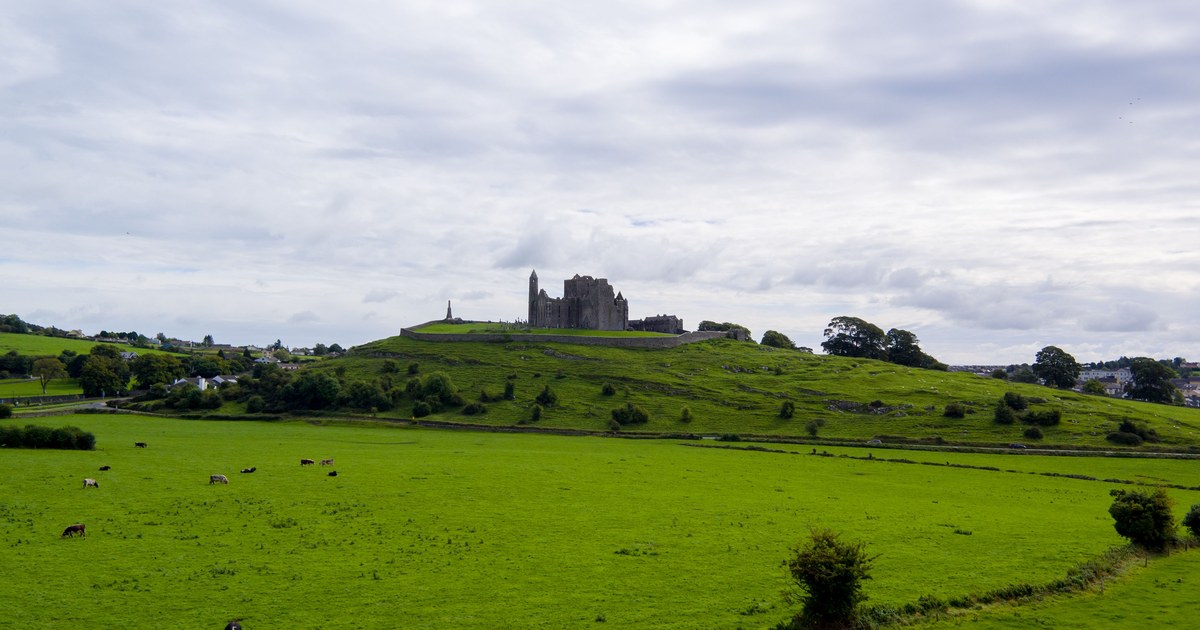
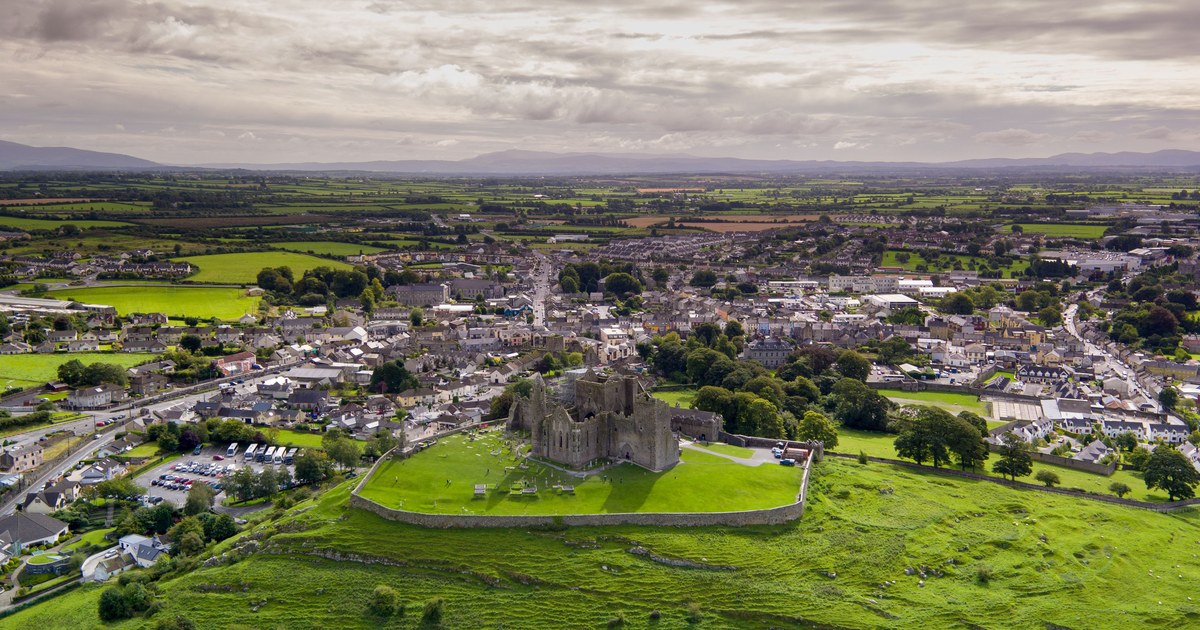
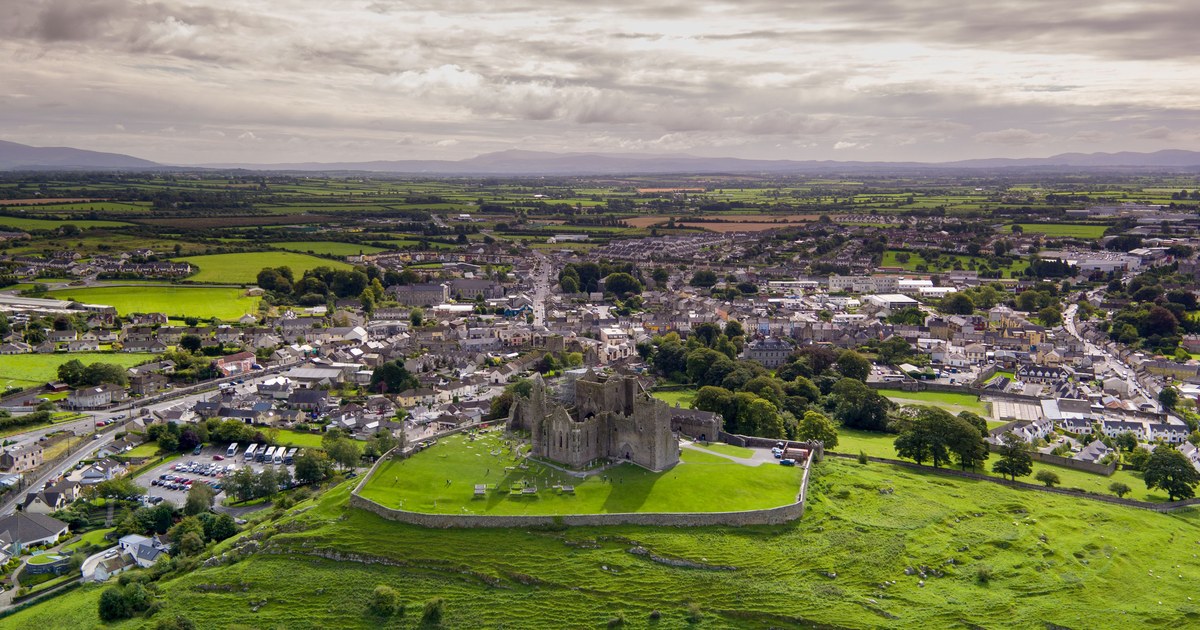
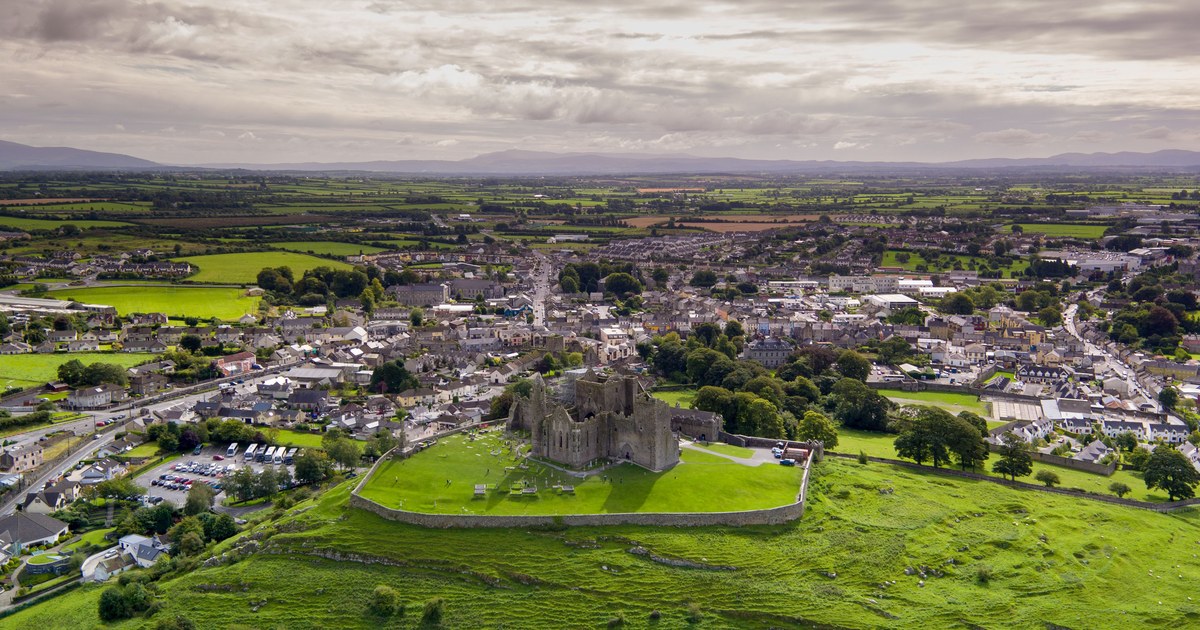
No visit to Tipperary is complete without a few hours at the Rock of Cashel. The complex sits on a natural limestone platform that rises sharply from the surrounding plain. From a distance, the silhouette of the round tower, the cathedral, and Cormac’s Chapel is unmistakable — and for good reason. The site has been a place of power and worship for more than 1,600 years.
Cormac’s Chapel, completed in 1134, is considered the finest example of Romanesque architecture in Ireland. Its carved stone tympanum above the north doorway and its barrel-vaulted ceiling survived centuries of neglect and are still largely intact. The round tower, built around the 10th century, stands 28 metres tall and was used as both a lookout post and a place of refuge during Viking raids.
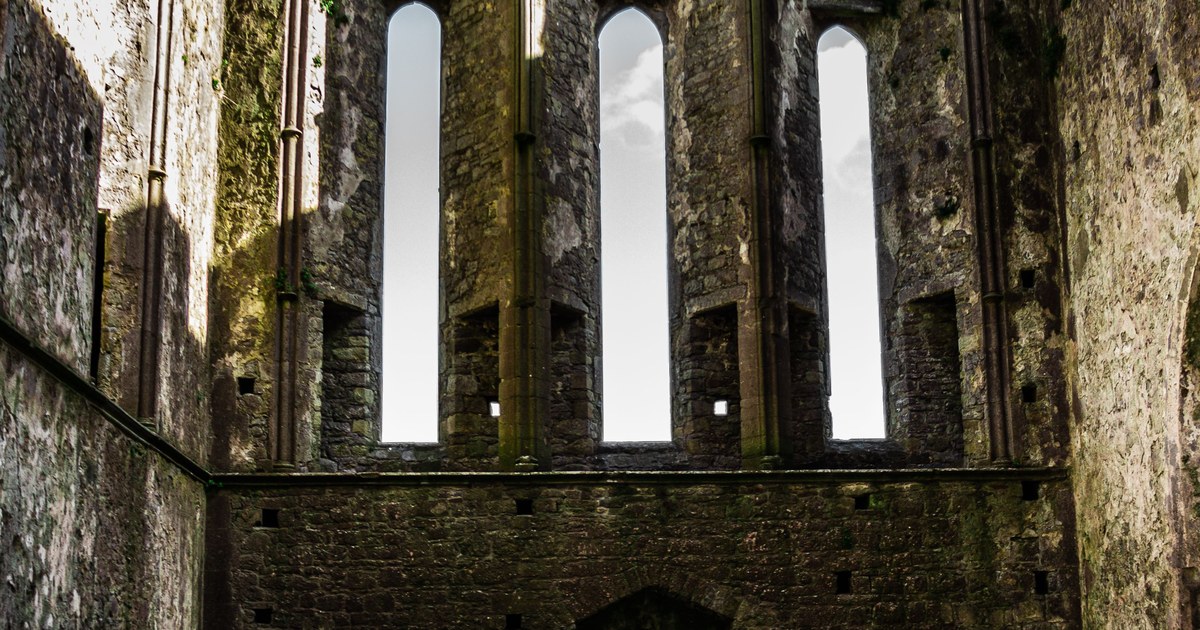
The cathedral dates from the 13th century and was the seat of the Archbishop of Cashel until it fell into ruin following a 1647 siege by Cromwellian forces. The Hall of the Vicars Choral houses a small museum where you can see the original St Patrick’s Cross, a 12th-century high cross that stood outside the cathedral for 800 years before being moved indoors for protection.
Practical details: Entry is €9 for adults and €7 for seniors. The site is open daily, with hours varying by season — 9am to 5:30pm in winter, 9am to 7pm in summer. Allow at least 90 minutes. The guided tours run every half hour and are worth joining — the guides know the history in extraordinary depth. Book tickets in advance during summer to avoid queuing.
☘️ Enjoying this? 64,000+ Ireland lovers get stories like this every week.
Thinking about it seriously?
If you’ve started actually planning a move, our complete the full Move to Ireland guide walks through every step, every cost, and the paperwork that catches most people out.
Subscribe free →
Cahir Castle
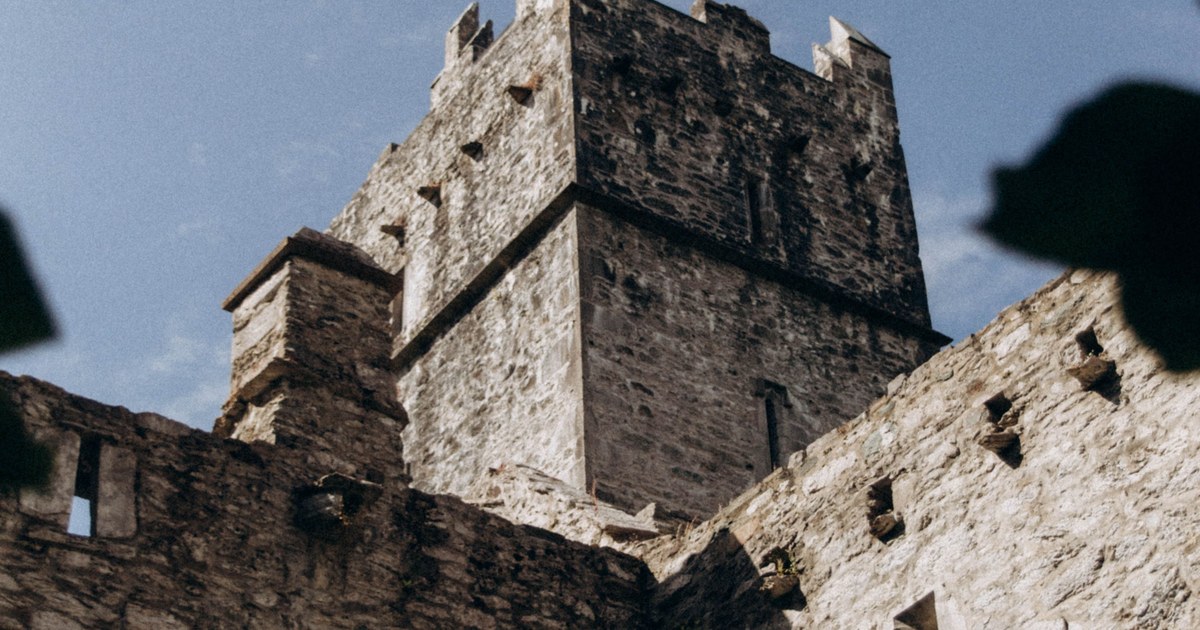
Cahir Castle is one of the largest and best-preserved medieval castles in Ireland, and it has the added advantage of being free to enter. The castle sits on a rocky island in the River Suir and was constructed in the 13th century by the Butler family, who controlled much of Tipperary for four centuries. Its massive walls, towers, and gatehouse give it a formidable appearance that has made it a favourite with film and television productions — parts of Excalibur (1981) were filmed here.
The castle withstood repeated sieges over the centuries, including an attack by the Earl of Essex in 1599 — one of the few occasions when cannon fire successfully breached Irish castle walls. Despite this, the main structure survived largely intact. Today you can explore the keep, walk the battlements, and visit the exhibition inside the great hall. The castle is managed by the Office of Public Works and entry is free with a Heritage Ireland card, or €5 for adults without one.
The Swiss Cottage, just 2 kilometres from Cahir Castle along the river, is another Heritage Ireland site worth a visit. Built around 1810 as a picturesque retreat for the Butlers, it is a rare example of a thatched cottage ornée — a fashionable architectural style of the Regency period. The interior has been carefully restored and guided tours run regularly throughout the day. Official info: en.wikipedia.org/wiki/Cahir_Castle.
Holy Cross Abbey
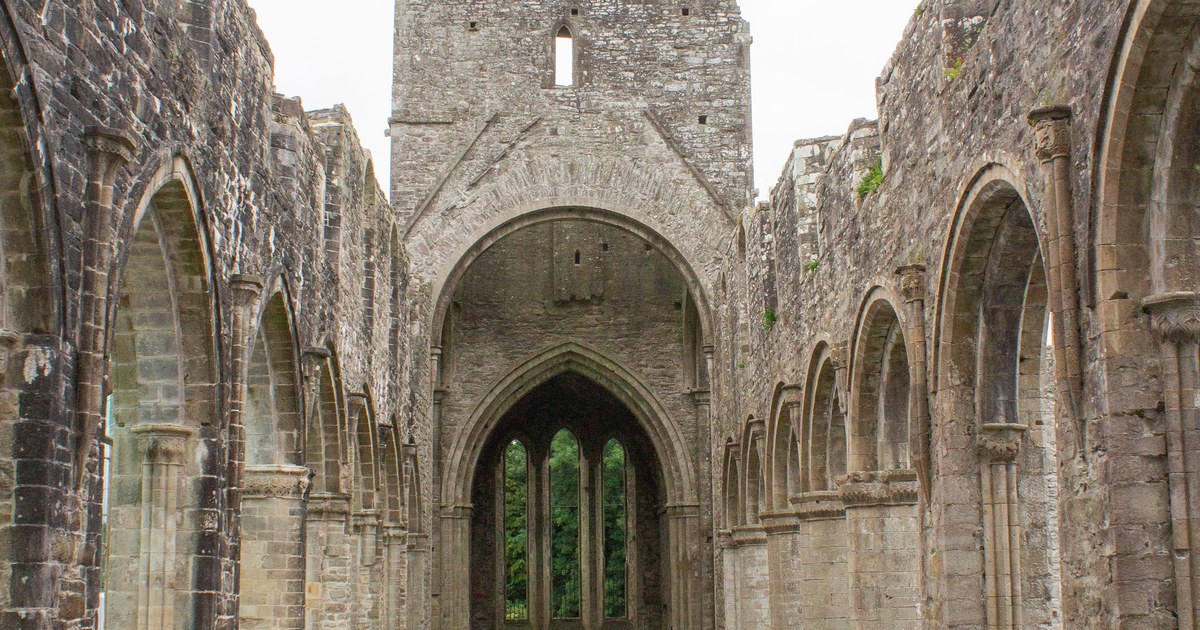
Holy Cross Abbey stands on the banks of the River Suir near the village of Holycross, about 15 kilometres from Cashel. The Cistercian monks founded the abbey in 1168, and for centuries it was one of the most important pilgrimage sites in Ireland — it claimed to hold a relic of the True Cross, attracting pilgrims from across Europe. The building fell into ruin after the dissolution of the monasteries in the 16th century but was fully restored in the 1970s and is now an active parish church.
Walking inside, you immediately notice the quality of the stonework. The decorated sedilia — the carved stone seats for clergy — are among the finest examples of Gothic stone carving in Ireland. The 15th-century wall paintings in the transept are also remarkably well preserved and include a hunting scene that is one of only a handful of medieval secular paintings to survive in Ireland. Entry to the abbey is free. Official info: en.wikipedia.org/wiki/Holy_Cross_Abbey.
Tipperary Heritage Way
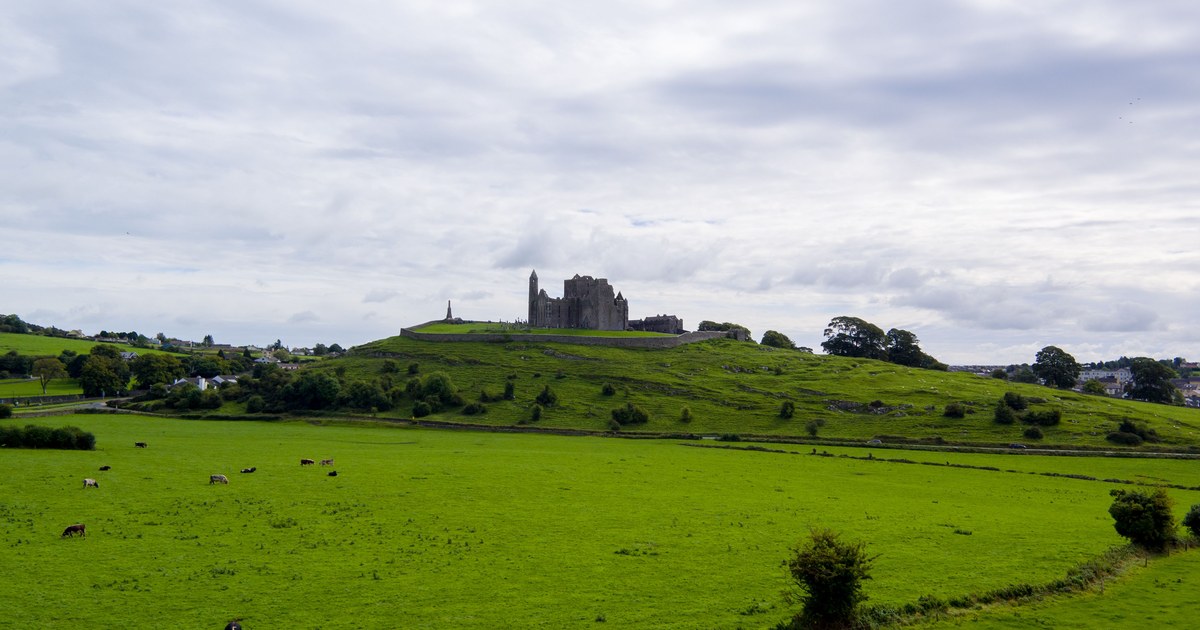
The Tipperary Heritage Way is a 113-kilometre waymarked walking trail that passes through the heart of the county, linking Carrick-on-Suir in the east to Cashel in the west. The route takes in the Suir Valley, the Knockmealdown Mountains, and the Golden Vale farmland, passing heritage sites including monastic ruins, Norman mottes, and 18th-century demesnes along the way.
Most walkers complete the trail over five or six days, staying in B&Bs and guesthouses in the towns along the route. The landscape is gentle by Irish standards — no dramatic cliff tops or exposed mountain ridges — which makes it accessible to walkers of most fitness levels. The section between Clonmel and Ardfinnan along the Suir towpath is particularly pleasant and can be walked as a standalone day trip.
For a shorter walk, the Slievenamon Mountain trail near Clonmel offers a rewarding 4-hour return hike to the summit at 721 metres. On a clear day you can see as far as the Wicklow Mountains to the north and the Galtee Mountains to the west. Slievenamon — meaning “Mountain of the Women” in Irish — features in several ancient myths connected to Fionn mac Cumhaill and the Fianna. Official info: en.wikipedia.org/wiki/Tipperary_Heritage_Way.
Clonmel: Tipperary’s Largest Town
Clonmel is the county town and largest settlement in Tipperary, with a population of around 18,000. It sits in the Suir Valley on the border with County Waterford and has a pleasant medieval core worth half a day of exploration. The West Gate — a restored 14th-century town gate — stands at the top of O’Connell Street, and the County Museum on Parnell Street offers a good introduction to Tipperary’s history without charging for entry.
Clonmel also has literary connections. Laurence Sterne, author of Tristram Shandy (1759), was born in the town. Anthony Trollope worked here as a post office surveyor during the 1840s and used the experience as material for his early novels. A small heritage trail connects these and other sites of note.
For food and drink, Clonmel has a good range of independent restaurants and traditional pubs. The town is also close to the Mitchelstown Caves — about 20 kilometres to the southwest — which contain one of the finest cave systems in Ireland open to the public. Guided tours last approximately 50 minutes and take you through 1.5 kilometres of caverns decorated with stalactites and stalagmites. Official info: en.wikipedia.org/wiki/Clonmel.
Nenagh and North Tipperary
The northern part of Tipperary is less visited than the south, which is reason enough to explore it. Nenagh is the administrative centre of North Tipperary and has a striking Norman castle at its heart — Nenagh Castle’s circular keep stands 30 metres tall and is one of the largest in Ireland. The town’s Heritage Centre, housed in a former jail, tells the story of the region through well-assembled exhibitions.
Lough Derg forms Tipperary’s western boundary with County Clare, and the eastern shore of the lake is dotted with small harbours and water sports centres. Killaloe, just across the border in Clare, is the most popular base for exploring the lake, but the Tipperary shoreline at Garrykennedy and Dromineer offers quieter spots to sit by the water. Dromineer has a small marina, a ruined castle, and a pub — which in rural Ireland counts as everything you need.
The Rock of Cashel by Night
One experience worth seeking out is the floodlit Rock of Cashel after dark. The site is illuminated throughout the night and can be viewed from several vantage points in the town below. In summer, Heritage Ireland runs evening tours that take small groups through the site after the daytime crowds have left — check the heritageireland.ie website for dates and booking details as these fill up quickly. Standing on the rock at dusk, with the Tipperary plain stretching out below in the fading light, is one of those moments that stays with you.
Practical Planning: Getting to Tipperary
Tipperary does not have a major international airport, but it is easily reached from Shannon Airport in County Clare (about 65 kilometres from Cashel) or Cork Airport (about 95 kilometres). Dublin Airport is roughly 165 kilometres away — a two-hour drive on the M8 motorway, which cuts straight through the county and makes Cashel an ideal lunch stop on the Dublin-to-Cork route.
Irish Rail runs services from Dublin Heuston to Clonmel via Thurles, with a journey time of around 2.5 hours. Bus Éireann connects Cashel to Dublin and Cork, with several services daily. Within the county, having your own car is strongly recommended — the distances between sites are manageable and the rural roads are well signposted.
Most visitors spend one or two nights in Tipperary before moving on. Cashel itself has excellent accommodation, from the Cashel Palace Hotel (a Queen Anne mansion directly opposite the Rock) to family-run guesthouses a short walk from the main sites. Clonmel and Nenagh both have a wider range of options for longer stays.
For planning advice tailored to your trip, the Ireland planning hub covers everything from visa requirements to driving on the left. You might also find our 10-day Ireland itinerary useful if Tipperary is one stop on a longer journey, or our 7-day Ireland itinerary if your time is more limited.
What is the best time to visit County Tipperary?
The best time to visit County Tipperary is from May to September, when the weather is warmest and daylight hours are longest. July and August can bring crowds to the Rock of Cashel, so visiting early in the morning gives you the site with fewer people.
How do I get from Dublin to the Rock of Cashel?
The Rock of Cashel is approximately 165 kilometres south of Dublin — about a two-hour drive on the M7 and M8 motorway. Bus Éireann operates daily services from Dublin Busáras to Cashel, with a journey time of around 2.5 hours. There is no direct train to Cashel; the nearest train station is Thurles, 24 kilometres to the north.
Is County Tipperary worth visiting?
County Tipperary is well worth visiting for anyone with an interest in Irish history and medieval heritage. The Rock of Cashel alone justifies the journey, and the combination of Cahir Castle, Holy Cross Abbey, and the Tipperary Heritage Way makes it one of the most rewarding inland counties in Ireland.
What county is the Rock of Cashel in?
The Rock of Cashel is in County Tipperary, in the town of Cashel in south Tipperary. It sits roughly 55 kilometres from Limerick and 95 kilometres from Cork, making it accessible from both cities on a day trip.
📲 Know someone who’d love this? Share on WhatsApp →
Love more? Join 43,000 Scotland lovers → · Join 29,000 Italy lovers → · Join 7,000 France lovers →
Free forever · Unsubscribe anytime
Tours & experiences you might love


Powered by Viator. Some links are affiliate links — we may earn a small commission at no extra cost to you.
Secure Your Dream Irish Experience Before It’s Gone!
Planning a trip to Ireland? Don’t let sold-out tours or packed attractions spoil your journey. Iconic experiences like visiting the Cliffs of Moher, exploring the Rock of Cashel, or enjoying a guided walk through Ireland’s ancient past often sell out quickly—especially during peak travel seasons.

Booking in advance guarantees your place and ensures you can fully immerse yourself in the rich culture and breathtaking scenery without stress or disappointment. You’ll also free up time to explore Ireland’s hidden gems and savour those authentic moments that make your trip truly special.
Make the most of your journey—start planning today and secure those must-do experiences before they’re gone!
Subscribe Free