

County Tipperary has more remarkable things to do than most visitors realise. Home to the Rock of Cashel — one of Ireland’s most dramatic medieval sites — plus the perfectly preserved Cahir Castle, the peaceful Holy Cross Abbey, and over 100 kilometres of unspoiled walking trails, Tipperary rewards those who explore beyond the main tourist circuit. This guide covers the best things to do in Tipperary, whether you have a single day or a full week to spend in Ireland’s Ancient East.
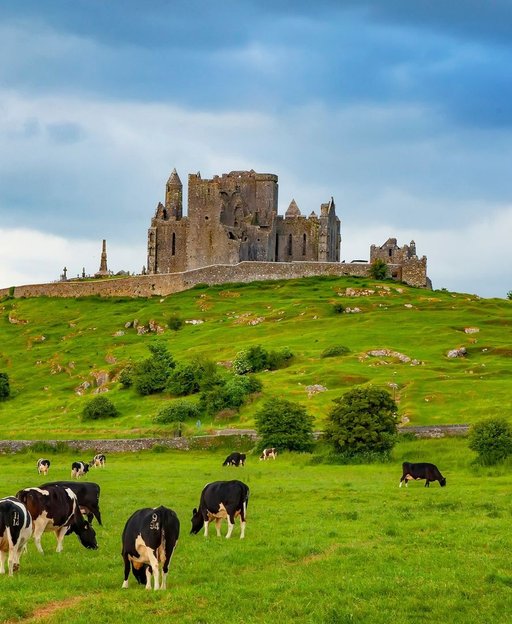
Tipperary sits in the heart of Ireland, bordered by eight counties and covering 4,305 square kilometres of farmland, river valleys, and mountain ranges. It is Ireland’s largest inland county and a place where history runs extraordinarily deep — three successive civilisations have left their mark here, from Iron Age ringforts to Norman castles to Victorian country estates. Here is where to start.
The Rock of Cashel
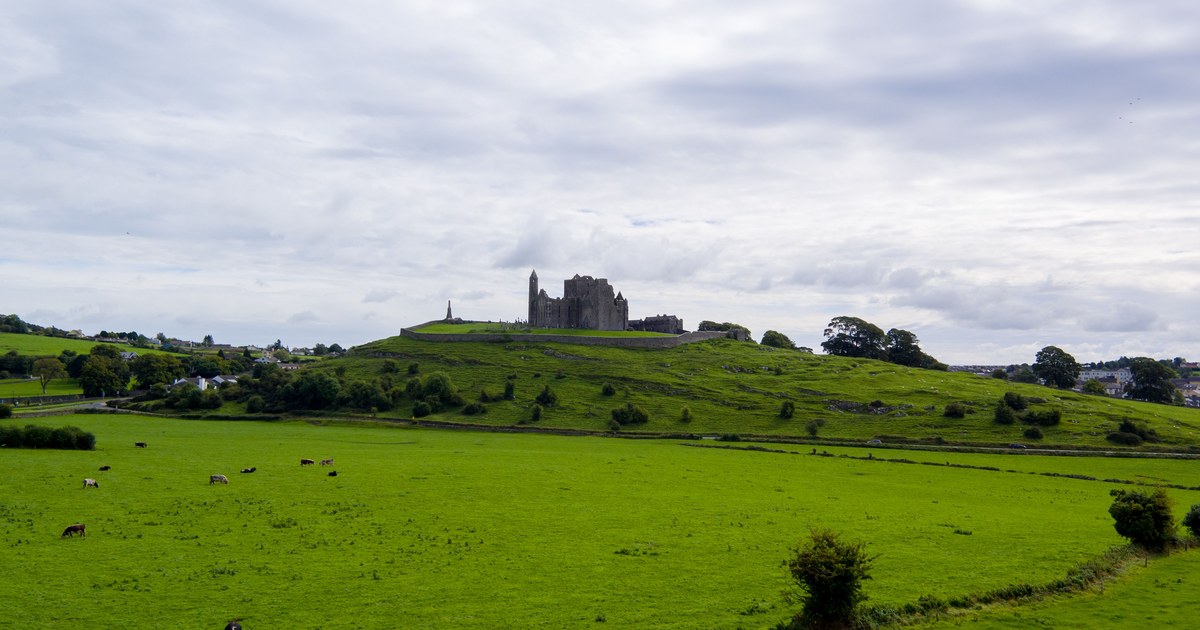
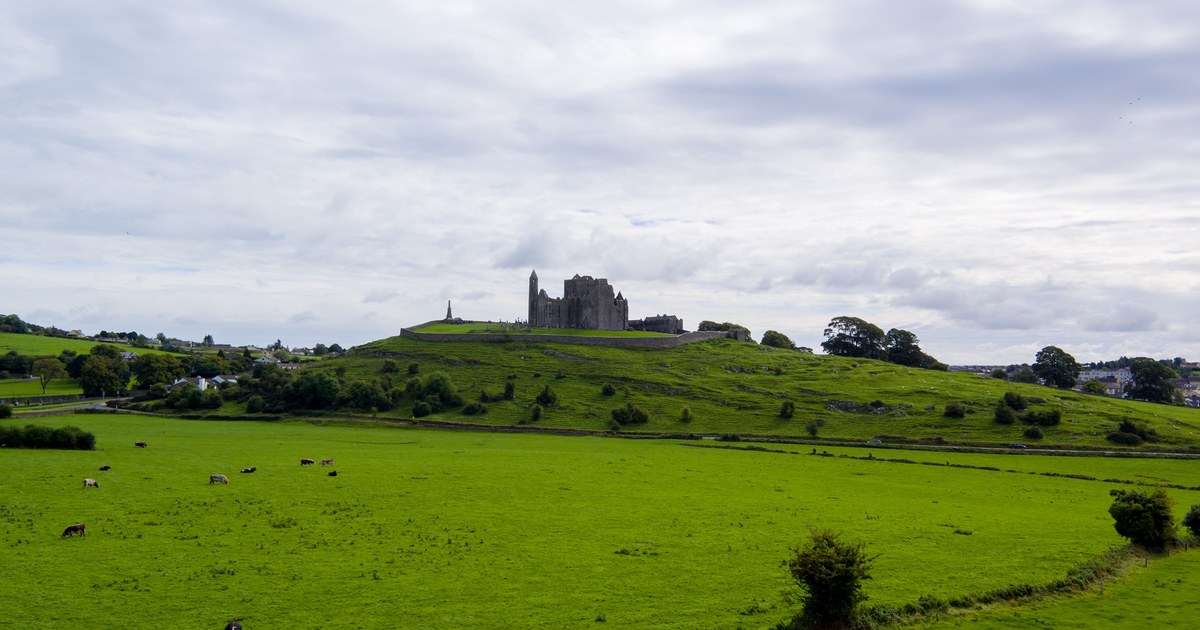
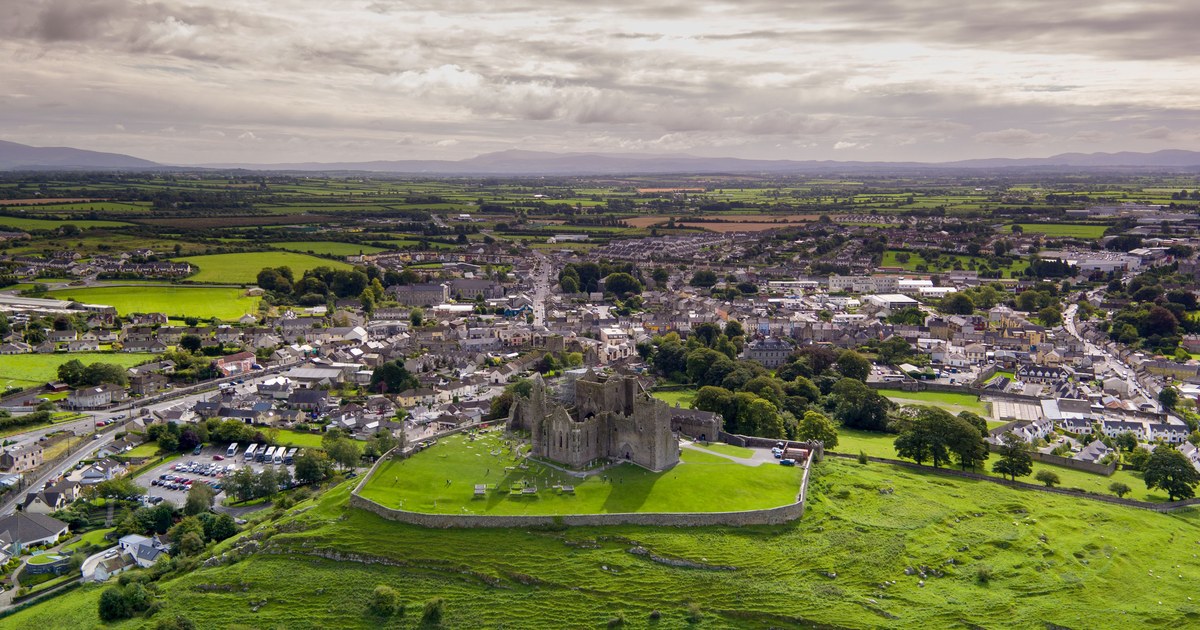
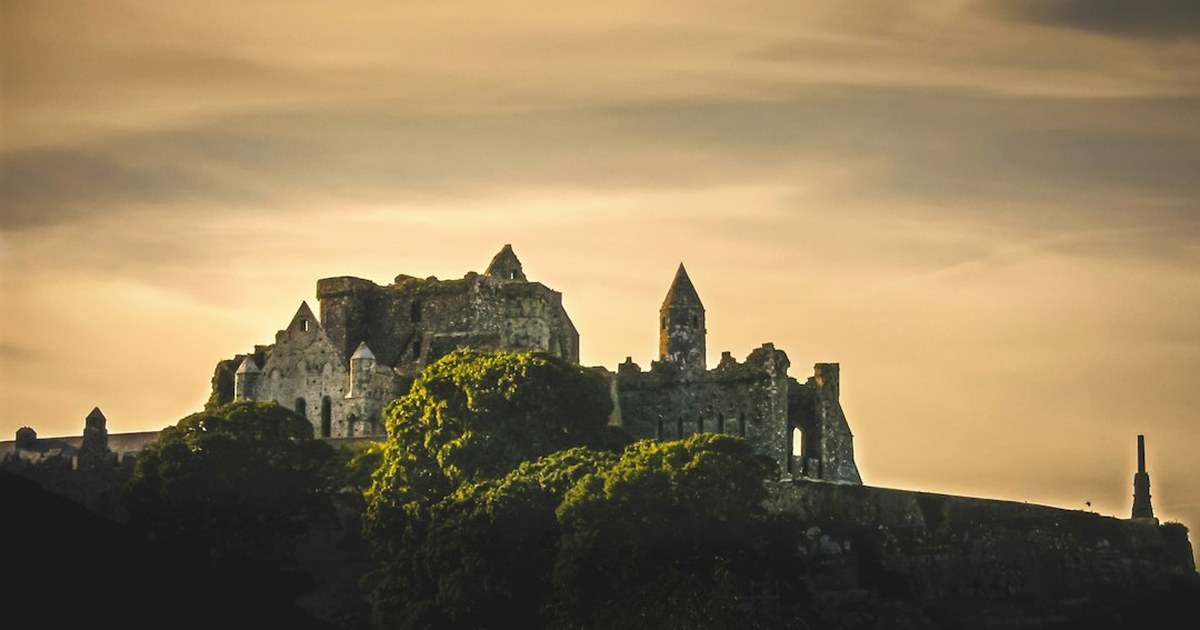
The Rock of Cashel is Tipperary’s defining landmark, and one of the most impressive medieval sites in Ireland. A cluster of 12th and 13th-century stone buildings rises dramatically from a 60-metre limestone outcrop in the middle of the Tipperary plain — visible for miles in every direction on a clear day.
The complex includes Cormac’s Chapel (built between 1127 and 1134, making it one of the oldest Romanesque churches in Ireland), a 12th-century round tower standing 28 metres tall, a 13th-century Gothic cathedral, and the Hall of the Vicars Choral, which now houses a museum of the site’s original medieval carvings. The St Patrick’s Cross in the courtyard is a replica — the original, carved in the 12th century and now sheltered indoors, is one of the most important Celtic stone crosses in existence.
The Rock draws approximately 250,000 visitors per year. Arrive early (the site opens at 9am) to explore the buildings in relative quiet before tour groups arrive mid-morning. Allow at least 90 minutes to visit properly. Adult admission in 2026 is €8; children under 12 are free. The views from the battlements across the Tipperary Golden Vale are exceptional.
The town of Cashel itself is worth exploring after your visit. Several traditional pubs occupy 18th-century buildings on Main Street, and the Cashel Folk Village — a reconstruction of a 19th-century Irish rural settlement — provides useful context about the daily life of the people who lived in the shadow of the Rock.
For the full history and what to expect on your visit, read our complete Rock of Cashel visitor’s guide.
☘️ Planning a trip to Ireland?
Our free 7-day road trip itinerary covers the Wild Atlantic Way from Dublin to the west — day-by-day driving guide with hidden gems, practical tips, and local secrets.
Get the Free 7-Day Itinerary →Cahir Castle
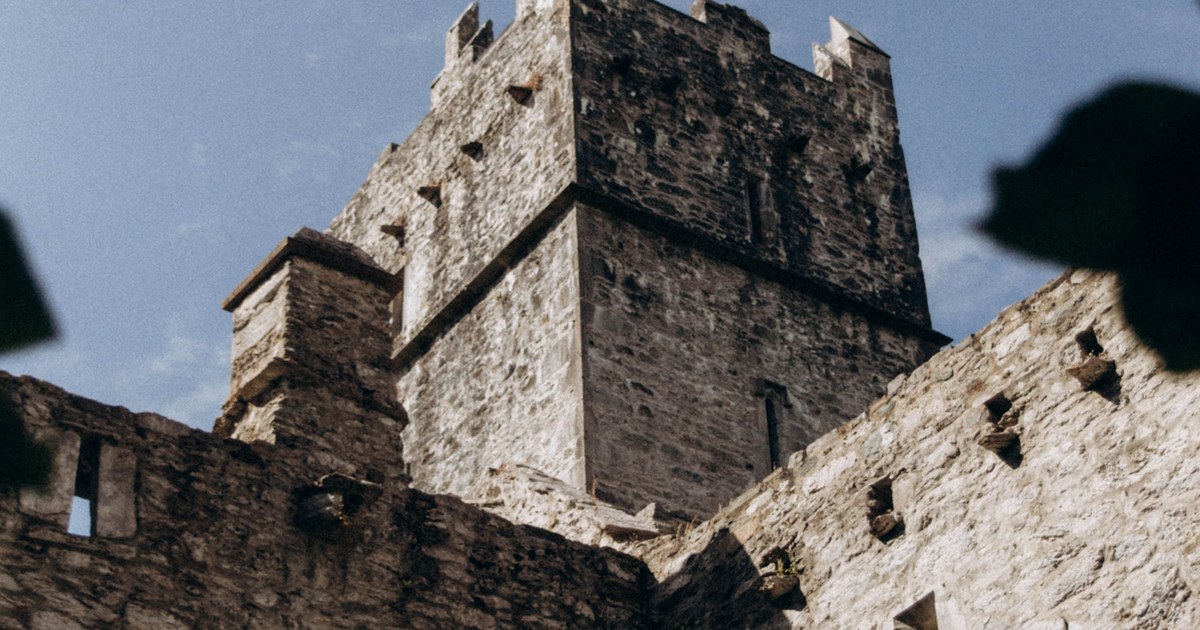
Cahir Castle stands on a rocky island in the River Suir and is one of the largest and best-preserved Norman castles in Ireland. Conor O’Brien began construction in 1142, and the castle passed through the hands of the Butler family for over 300 years before being captured — without a fight — by the Earl of Essex in 1599. Its excellent state of preservation is partly because Cromwellian forces, who destroyed so much of Ireland’s built heritage, accepted the castle’s surrender peacefully in 1650.
The Office of Public Works manages the castle and keeps it open daily. An audio guide takes visitors through the great hall, the keep, the watchtowers, and the gate system in approximately 45 minutes. Adult admission is €5. The castle’s location on the river makes it particularly photogenic in the early morning when mist hangs over the Suir.
The town of Cahir is a pleasant stop in its own right. The central square is lined with independent shops and cafés, and the Swiss Cottage — a thatched Regency-era cottage orné designed by John Nash and located 2 kilometres outside town — makes a charming short detour. The cottage dates to around 1810 and served as a romantic rural retreat for the Butler family of Cahir Park.
Want to know more about its history before you visit? Read our post on why Cahir Castle was built. Official info: en.wikipedia.org/wiki/Cahir_Castle.
Holy Cross Abbey
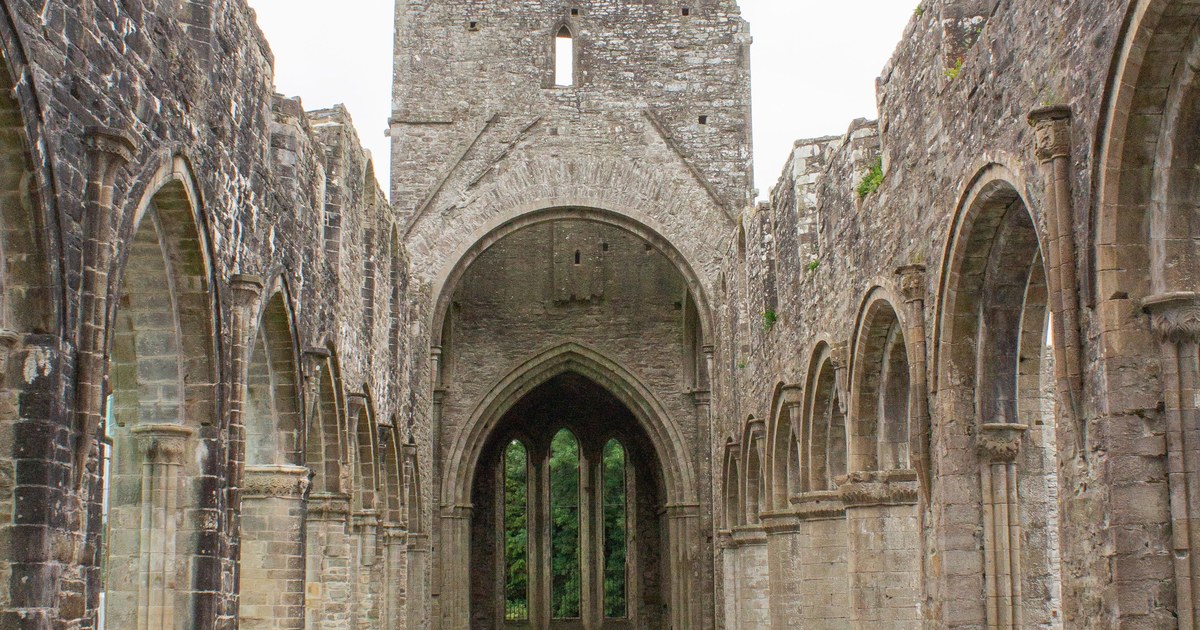
Holy Cross Abbey sits in a remarkably peaceful setting beside the River Suir near the village of Thurles. Founded in the 12th century and occupied by Cistercian monks from around 1182, the abbey was built to house a relic of the True Cross — hence its name — and became one of the most important pilgrimage sites in medieval Ireland.
What makes Holy Cross extraordinary is that it is still in active use as a parish church. The restoration carried out between 1969 and 1975 returned the medieval building to its original function after centuries of neglect, and visitors attend Mass alongside local parishioners in a church that dates to the 12th century. The carved sedilia (priests’ seats) in the chancel rank among the finest Gothic stone carvings in Ireland.
Entry to Holy Cross Abbey is free. Guided tours run during summer months and last approximately 45 minutes. The grounds beside the river are ideal for a picnic or a quiet walk.
☘️ Enjoying this? 64,000+ Ireland lovers get stories like this every week. Subscribe free → Official info: en.wikipedia.org/wiki/Holy_Cross_Abbey.
Tipperary Heritage Way
The Tipperary Heritage Way is a 56-kilometre walking trail that runs from the Vee Gap near Clogheen to Cashel, passing through the Galtee Mountains, the Knockmealdown foothills, and several riverside stretches along the Suir. The route breaks into sections suitable for day walks, with the Galtee Mountain section — crossing Ireland’s highest inland mountain range, which peaks at Galtymore at 918 metres — the most dramatic stretch.
Waymarkers guide walkers throughout the trail, which the county council maintains to a good standard. Most sections can be combined with public transport back to a starting point. Ordnance Survey Ireland’s Tipperary map (1:50,000 series) is the recommended navigation tool for the mountain sections. Official info: en.wikipedia.org/wiki/Tipperary_Heritage_Way.
Clonmel: Tipperary’s Largest Town
Clonmel is the county town of Tipperary and a more interesting base for exploring the county than its low profile might suggest. The town has a well-preserved medieval street pattern, with the 13th-century Main Guard building on Sarsfield Street and the remains of the town’s medieval walls still visible in several locations.
Clonmel’s independent food scene has grown considerably over the past decade. Hickey’s Bakery on O’Connell Street has operated since 1919 and produces traditional Irish breads and pastries. The Saturday market at Kickham Street draws local producers from across the county.
Laurence Sterne, author of The Life and Opinions of Tristram Shandy (1759), was born in Clonmel. Charles Bianconi launched Ireland’s first public passenger carriage service in 1815 — running horse-drawn coaches across Ireland decades before the railway era. The town commemorates both men locally. Official info: en.wikipedia.org/wiki/Clonmel.
Glen of Aherlow
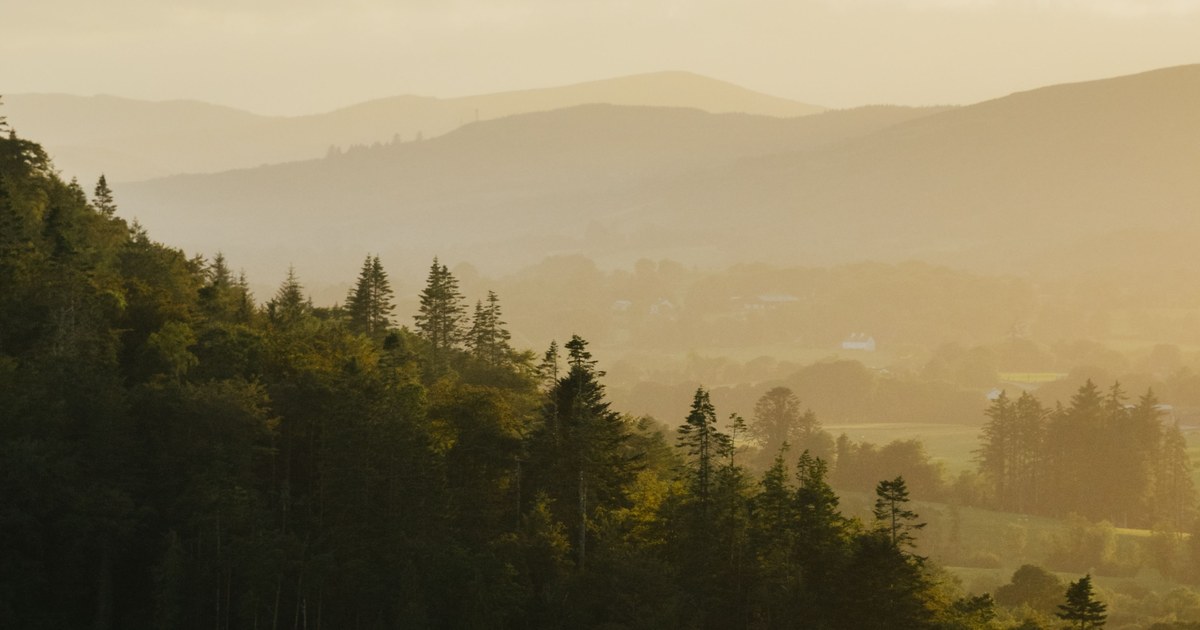
The Glen of Aherlow lies between the Galtee Mountains to the south and Slievenamuck Ridge to the north, forming a secluded green valley that runs for approximately 16 kilometres. It is one of the least-visited scenic landscapes in Munster and a favourite among Irish walkers who know it well.
The Galtee Mountains are visible from the glen floor, with Galtymore and Lyracappul forming a dramatic skyline to the south. The Aherlow River runs through the valley floor. A 5-kilometre looped walking trail from the Coach Road is an accessible introduction to the landscape; more experienced walkers can climb to the ridge of Slievenamuck for views across both the glen and the Tipperary plain.
The village of Bansha at the eastern end of the glen is a convenient entry point, with the atmospheric Bansha House guesthouse a well-regarded base for multi-day walkers. Official info: en.wikipedia.org/wiki/Glen_of_Aherlow.
Athassel Priory
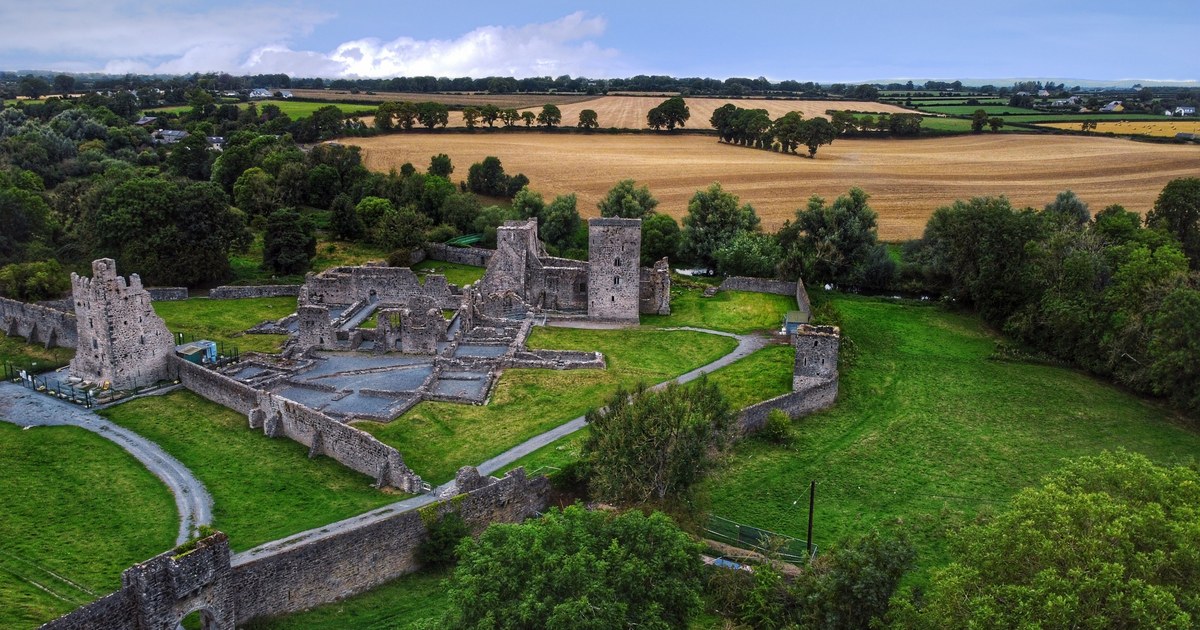
Athassel Priory, located 7 kilometres south-west of Cashel, is one of the largest medieval priory sites in Ireland and, despite its significance, one of the least visited. William de Burgo founded the priory in 1192; the complex includes a church, cloister, refectory, chapter house, and gatehouse — all in varying states of ruin but much of the stonework still standing.
The priory sits in open farmland beside the River Suir. There is no entry fee and no visitor centre — the ruins are simply there, accessible by a short field path, offering a genuinely immersive experience of medieval Irish architecture without the crowds that gather at more famous sites. A visit pairs naturally with the Rock of Cashel, which is a 15-minute drive away. Official info: en.wikipedia.org/wiki/Athassel_Priory.
Practical Guide to Visiting County Tipperary
Getting to Tipperary
Tipperary is well connected by road and rail. Dublin to Cashel takes approximately 2 hours by car via the M8 motorway. Thurles and Clonmel both have direct rail connections to Dublin Heuston (1 hour 45 minutes and 2 hours 15 minutes respectively). Bus Éireann operates services connecting Cashel to Dublin, Cork, and Limerick.
Where to Stay in Tipperary
Cahir and Clonmel offer the widest choice of accommodation. The Cahir House Hotel on the square in Cahir is a reliable mid-range option. For those seeking a more characterful stay, several Georgian country house B&Bs operate across the county, particularly in the Glen of Aherlow and the Cashel area.
How Long to Spend in Tipperary
One full day is enough for a focused visit to the Rock of Cashel and Cahir Castle. Two days allows you to add Holy Cross Abbey, Athassel Priory, and a walk in the Glen of Aherlow. Three or more days suits walkers tackling sections of the Tipperary Heritage Way or those wanting to explore Clonmel and the south of the county properly. Tipperary is compact enough that all major sites are within a 45-minute drive of each other.
Frequently Asked Questions About Tipperary
What is County Tipperary most famous for?
County Tipperary is most famous for the Rock of Cashel — a medieval complex of cathedral ruins, round tower, and Romanesque chapel rising dramatically from a limestone outcrop. The county is also known for Cahir Castle, one of Ireland’s best-preserved Norman fortresses, and for the World War I song “It’s a Long Way to Tipperary,” which gave the county international name recognition during the early 20th century.
Is Tipperary worth visiting?
Yes. Tipperary is often overlooked in favour of more coastal counties, but it contains some of Ireland’s most impressive historic sites — particularly the Rock of Cashel and Holy Cross Abbey — along with excellent walking in the Galtee Mountains and the Glen of Aherlow. The county is less crowded than Kerry or Clare, which makes visiting its main attractions a considerably more relaxed experience.
How do I get from Dublin to Tipperary?
The fastest route from Dublin to Tipperary is by car via the M8 motorway south, which takes approximately 2 hours to Cahir and 2 hours 15 minutes to Cashel. By train, Thurles (on the Cork line) is 1 hour 45 minutes from Heuston Station and provides a convenient base for visiting the Rock of Cashel, which is 22 kilometres away. Bus Éireann’s expressway service between Dublin and Cork stops in Cashel.
What is the best time to visit Tipperary?
Late spring (April to June) and early autumn (September to October) are the best times to visit Tipperary. The weather is milder than deep summer, the main sites are open but less crowded than during the July-August peak, and the countryside is at its greenest. The Galtee Mountains are walkable from April through October, though conditions can change quickly and waterproof gear is essential year-round.
☘️ Join 64,000+ Ireland Lovers
Every weekday morning, get Ireland’s hidden gems, local secrets, and travel inspiration — the kind you won’t find in any guidebook.
Subscribe free — enter your email:
Already subscribed?
Thinking about it seriously?
If you’ve started actually planning a move, our complete the full Move to Ireland guide walks through every step, every cost, and the paperwork that catches most people out.
📲 Know someone who’d love this? Share on WhatsApp →
Free forever · Unsubscribe anytime
Tours & experiences you might love


Powered by Viator. Some links are affiliate links — we may earn a small commission at no extra cost to you.
Secure Your Dream Irish Experience Before It’s Gone!
Planning a trip to Ireland? Don’t let sold-out tours or packed attractions spoil your journey. Iconic experiences like visiting the Cliffs of Moher, exploring the Rock of Cashel, or enjoying a guided walk through Ireland’s ancient past often sell out quickly—especially during peak travel seasons.

Booking in advance guarantees your place and ensures you can fully immerse yourself in the rich culture and breathtaking scenery without stress or disappointment. You’ll also free up time to explore Ireland’s hidden gems and savour those authentic moments that make your trip truly special.
Make the most of your journey—start planning today and secure those must-do experiences before they’re gone!