

Americans can legally buy property in Ireland with no restrictions. Ireland places no limits on foreign ownership, which means a buyer from Boston or San Diego has exactly the same rights as a buyer from Dublin. With house prices ranging from around €80,000 for a rural renovation project to over €500,000 for a city home, and Irish banks willing to lend to non-residents, owning a piece of the Emerald Isle is far more achievable than most Americans realise.
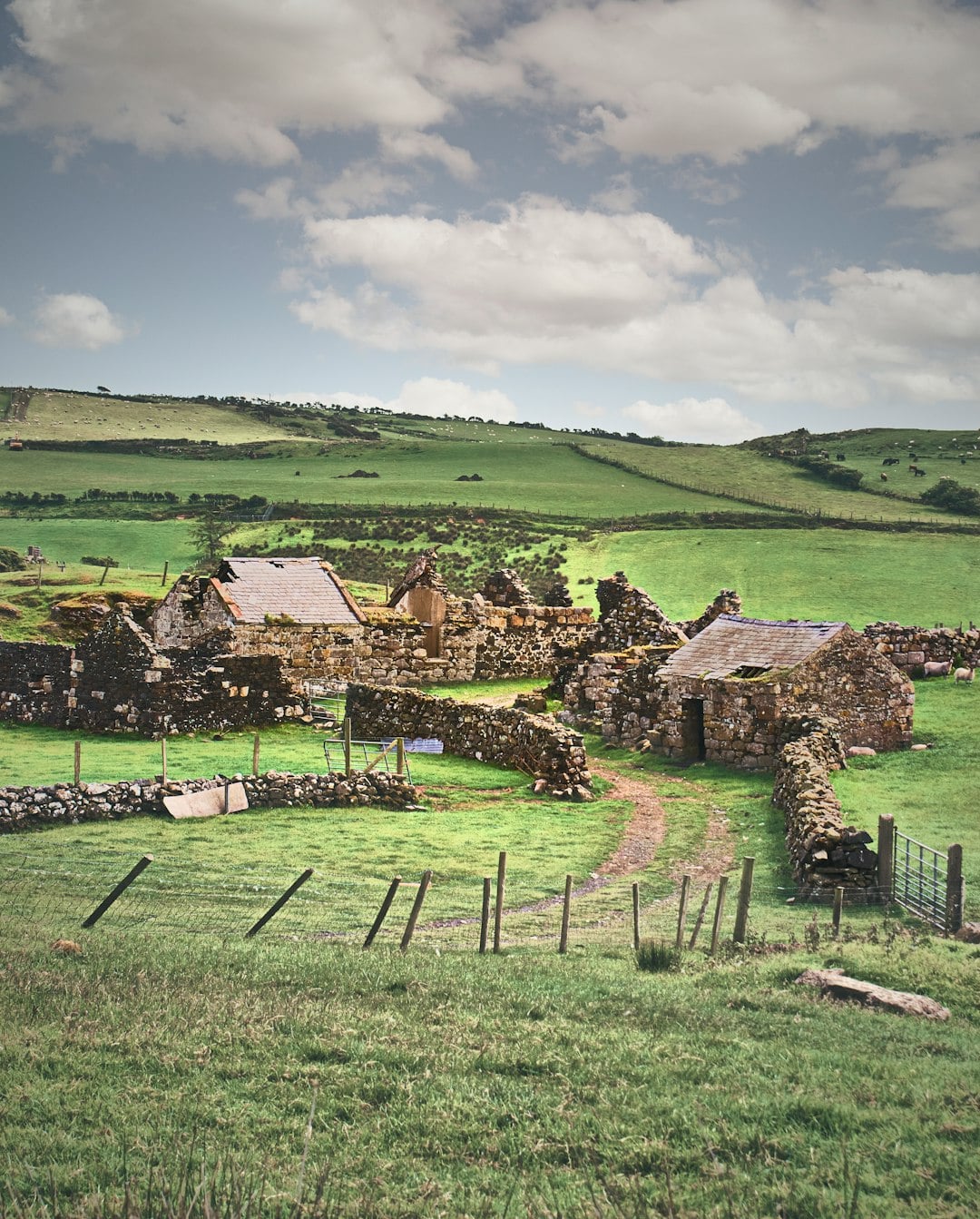
Can Americans Buy Property in Ireland?
Yes, and without any special permits or government approval. Ireland operates an open property market: citizens of any country may purchase residential or commercial property. You do not need an Irish visa, residency status, or work permit to complete a property purchase.
This makes Ireland one of the most accessible property markets in Europe for American buyers. You do not need to form an Irish company, establish local residency first, or prove a connection to the country. You simply need the funds, a local solicitor, and a clear plan.
The main practical consideration is arranging finance. If you are paying cash, the process is straightforward. If you need a mortgage, you will be working with Irish lenders, who have their own criteria for non-resident buyers — more on that below.
How Much Does Property Cost in Ireland in 2026?
Irish property prices vary enormously depending on location. Dublin remains the most expensive market by a significant margin, while rural Connacht and the west of Ireland offer some of the best value in Western Europe.
- Dublin city and suburbs: Typically €400,000 to €550,000 for a three-bedroom house. Premium areas such as Blackrock, Dalkey, and Ranelagh exceed €700,000.
- Cork city: Typically €280,000 to €380,000 for a family home. The surrounding county is considerably cheaper.
- Galway city: Typically €300,000 to €420,000. Rural County Galway drops sharply, with cottages from €120,000.
- Rural west of Ireland (Mayo, Roscommon, Leitrim, Sligo): Turnkey homes from €100,000 to €200,000. Properties needing renovation from €40,000 to €90,000.
- Rural Munster (Tipperary, Limerick, Waterford): Solid family homes from €180,000 to €280,000.
Ireland faces a significant housing shortage, which has pushed prices upward in cities and commuter belts since 2020. Rural areas remain comparatively affordable, and many American buyers find they can purchase a character property with land for well under $250,000 USD.
Getting a Mortgage in Ireland as an American
Irish banks do lend to non-residents, though the criteria are stricter than for Irish residents. The three main lenders for non-resident buyers are AIB, Bank of Ireland, and Permanent TSB. Each requires roughly the same documentation: proof of income, two years of tax returns (your US returns are acceptable), bank statements, and evidence of your deposit.
The key difference from a US mortgage is the deposit requirement. As a non-resident buyer, you will typically need a deposit of 30 per cent or more of the purchase price. Irish first-time buyers who are residents can purchase with as little as 10 per cent, but non-residents fall outside that scheme.
Irish banks will also apply a stress test, checking that you could still afford repayments if interest rates rose by several percentage points. With Irish mortgage rates currently ranging from around 3.5 to 5 per cent depending on the product and lender, the stress test rate sits meaningfully above that.
One practical note: you will almost certainly need an Irish bank account before a mortgage can be approved. Opening one remotely is possible with AIB and Bank of Ireland through their online processes, though it typically requires identity verification steps that take two to four weeks to complete.
For a deeper breakdown of Central Bank lending limits, loan-to-income figures by salary, and a lender-by-lender comparison of AIB, Bank of Ireland, and PTSB, see our complete guide to Irish mortgages for non-residents.
☘️ Enjoying this? 64,000+ Ireland lovers get stories like this every week. Subscribe free →
The Step-by-Step Buying Process in Ireland
The Irish property buying process differs from the US system in several important ways. Understanding the sequence before you begin saves considerable time and stress.
- Appoint a solicitor. In Ireland, property transactions are handled by solicitors, not title companies or real estate attorneys as in the US. Appoint yours before you start making offers — you will need them from the outset. Fees typically range from €1,500 to €3,000, plus VAT at 23 per cent.
- Find a property through an estate agent. The Irish equivalent of a real estate agent is an estate agent (or auctioneer for rural properties). You can search Daft.ie and Myhome.ie, Ireland’s two main property portals, from anywhere in the world.
- Make an offer. Offers are made verbally through the estate agent. There is no binding contract at this stage.
- Pay a booking deposit. Once an offer is accepted, you pay a booking deposit — typically €5,000 to €10,000 — to hold the property while contracts are being prepared. This deposit is refundable if the sale falls through before contracts are signed.
- Commission a survey. Before signing contracts, have an independent surveyor inspect the property. A structural survey costs between €300 and €600 and is strongly recommended, particularly for older properties. Irish surveyors will flag subsidence, roof condition, damp, and structural concerns.
- Sign contracts and pay the full deposit. Once both solicitors are satisfied, you sign the contracts and pay the remaining deposit, bringing your total to 10 per cent of the purchase price (or more if agreed).
- Complete the purchase. Completion typically occurs eight to twelve weeks after contracts are signed. On closing day, you pay the balance, the solicitor transfers funds, and the property becomes yours. The Land Registry records the transfer and your solicitor arranges registration.
Buying Costs to Budget For
Beyond the purchase price, American buyers should budget for the following additional costs.
- Stamp duty: 1 per cent on the first €1 million of the purchase price, 2 per cent on the portion between €1 million and €1.5 million, and 6 per cent on any portion above €1.5 million (the three-tier structure introduced on 2 October 2024). On a €300,000 home, stamp duty is €3,000.
- Solicitor fees: €1,500 to €3,000 plus VAT (23 per cent).
- Structural survey: €300 to €600.
- Valuation fee (if using a mortgage): €150 to €250, paid to the lender’s valuer.
- Land Registry fees: Approximately €400 to €800 depending on the property value.
- Currency exchange: USD to EUR conversion fees vary significantly between banks and specialist providers. Using a specialist currency exchange service (such as Wise or OFX) rather than your US bank can save thousands on larger purchases.
In total, budget approximately 3 to 4 per cent of the purchase price above the asking price to cover all buying costs. On a €250,000 purchase, that means setting aside roughly €7,500 to €10,000 in addition to your deposit and purchase funds.
Rural Ireland vs the Cities: Which Suits You Better?
This is one of the most important decisions American buyers face, and it depends heavily on your intended use of the property.
If you plan to retire to Ireland or live there full-time: access to healthcare, transport links, and community life matters more than scenery. Cork, Galway, Limerick, and Waterford all offer urban infrastructure at significantly lower prices than Dublin. Towns like Killarney, Westport, and Carrick-on-Shannon offer a genuine community feel with good services, at rural-adjacent prices.
If you want a holiday home or investment property: rural properties on the Wild Atlantic Way, in Connemara, or in counties like Mayo and Donegal deliver the postcard Ireland most Americans dream of. These areas attract strong holiday rental demand in summer, and property prices remain far below the national average.
Broadband access in rural Ireland has improved dramatically since 2020. The National Broadband Plan has connected tens of thousands of rural homes to high-speed fibre, making remote working from a Connemara cottage a genuine possibility rather than a romantic fantasy.
If you are serious about making the move, our full Retire in Ireland guide covers everything from visas and healthcare to cost of living and the best towns for American retirees — in one comprehensive resource. You can also browse our Ireland travel planning hub for inspiration on which part of the country suits you best, or read our guide to your first 90 days in Ireland to understand what life actually looks like on arrival. For a county-by-county look at where American retirees are settling, the guide to the five counties that welcome American buyers is a useful starting point.
Tax Considerations for American Buyers
American citizens are taxed on worldwide income, which creates specific considerations when buying foreign property.
If you rent out your Irish property, that rental income is taxable in Ireland at the Irish income tax rate (currently 20 to 40 per cent depending on total income) and must also be declared to the IRS. The US-Ireland tax treaty provides for relief against double taxation, meaning you will not pay full tax in both countries, but you must file in both.
Capital gains on the sale of Irish property are taxed in Ireland at 33 per cent. Again, the tax treaty applies, and any Irish capital gains tax paid generally offsets your US federal capital gains liability.
FBAR reporting applies if your Irish bank account balance exceeds $10,000 USD at any point during the year. Form 8938 (FATCA) may also be required depending on the value of your Irish assets. A US accountant familiar with expatriate tax law is worth consulting before your purchase completes.
Buying Irish Property Remotely from the USA
Many Americans complete Irish property purchases without making a single trip to Ireland. This is legally straightforward through a power of attorney, which allows your Irish solicitor to sign contracts and complete the transaction on your behalf.
Video viewings are now standard across Irish estate agencies. Most platforms on Daft.ie include virtual tours. For a serious purchase, arranging an in-person viewing or instructing a local surveyor to inspect on your behalf before exchange of contracts is strongly advised.
The entire process — from accepted offer to completed purchase — typically takes three to four months when buying remotely, slightly longer than buying in person due to the additional time required for document verification and international transfers.
Working with a solicitor who has experience with non-resident buyers makes the remote process considerably smoother. Ask specifically about their experience with American clients, as FBAR, FATCA, and US-Ireland tax treaty implications require a solicitor who understands transatlantic transactions.
Can Americans buy property in Ireland without living there?
Yes. There is no requirement to live in Ireland or hold Irish residency to purchase property. Americans routinely buy Irish holiday homes, investment properties, and retirement properties without residing there. No special permit is required at any stage of the purchase process.
How much deposit do Americans need to buy property in Ireland?
Non-resident buyers typically need a deposit of 30 per cent or more of the purchase price when applying for an Irish mortgage. If buying with cash, no minimum deposit applies — you simply need the full purchase funds plus your estimated buying costs of 3 to 4 per cent.
How long does the Irish property buying process take?
From accepted offer to completion, the Irish buying process typically takes eight to twelve weeks for buyers in Ireland and three to four months for non-resident buyers completing remotely. Mortgage-dependent purchases tend to take longer than cash purchases due to the additional lender requirements.
What are the main costs when buying property in Ireland?
Budget for stamp duty (1 per cent on the first €1 million, 2 per cent on the portion up to €1.5 million, and 6 per cent above that), solicitor fees (€1,500 to €3,000 plus 23 per cent VAT), a structural survey (€300 to €600), and Land Registry fees. In total, plan for 3 to 4 per cent of the purchase price in additional costs beyond the agreed price.
📲 Know someone who’d love this? Share on WhatsApp →
Free forever · Unsubscribe anytime
Tours & experiences you might love


Powered by Viator. Some links are affiliate links — we may earn a small commission at no extra cost to you.
Secure Your Dream Irish Experience Before It’s Gone!
Planning a trip to Ireland? Don’t let sold-out tours or packed attractions spoil your journey. Iconic experiences like visiting the Cliffs of Moher, exploring the Rock of Cashel, or enjoying a guided walk through Ireland’s ancient past often sell out quickly—especially during peak travel seasons.

Booking in advance guarantees your place and ensures you can fully immerse yourself in the rich culture and breathtaking scenery without stress or disappointment. You’ll also free up time to explore Ireland’s hidden gems and savour those authentic moments that make your trip truly special.
Make the most of your journey—start planning today and secure those must-do experiences before they’re gone!