

(How to Retire in Ireland-From visa stamps and financial proof to the towns where community still means everything)
Introduction
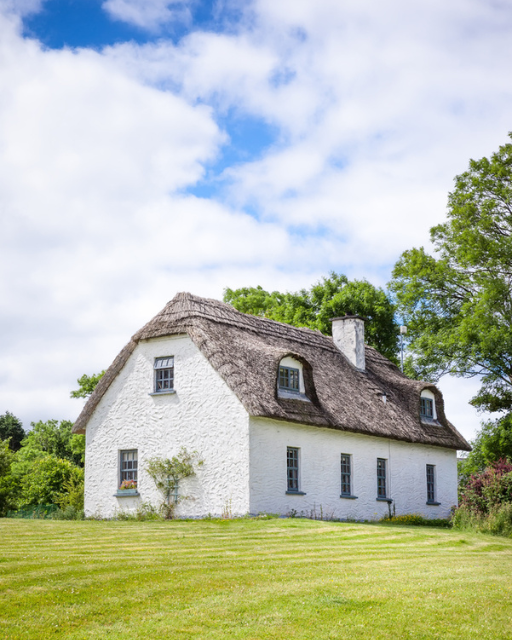
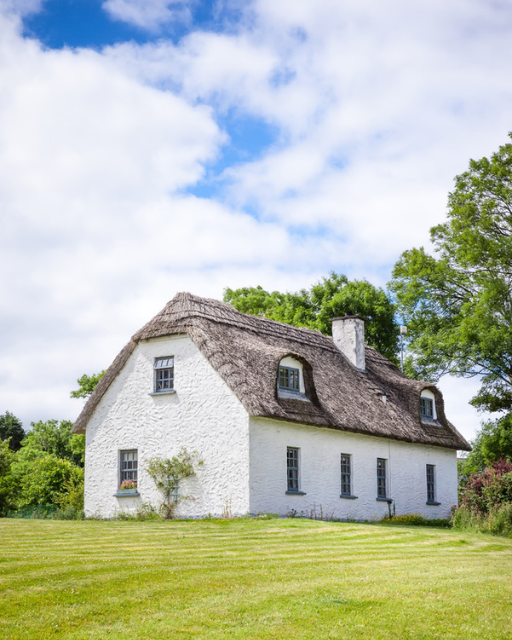
For many, the dream of retiring in Ireland is about more than landscapes—it’s about connection. It’s the promise of unhurried days, neighbours who greet you by name, and a culture that values conversation as much as comfort. Whether you’re tracing family roots or simply drawn to the rhythm of Irish life, retiring in Ireland offers a balance of beauty, safety, and belonging.
But what does it actually take to make the move? In this guide, we’ll explore what life looks like for retirees in Ireland today—from practical visa steps and living costs to the best towns for starting a new chapter. (In our Sunday Premium Archive, the full guide “How to Retire in Ireland” breaks down each requirement in detail, including Stamp 0 application forms and regional cost comparisons.)
Watch: Do You Qualify for an Irish Passport?
If one of your grandparents was born in Ireland, you may be able to become an Irish citizen. This 14-minute guide explains who qualifies, what it costs and how long it takes. Thinking of making the move? Get the free Moving to Ireland checklist.
Why Ireland Appeals to Retirees
Ireland isn’t just a scenic choice; it’s a lifestyle choice. The country offers modern healthcare, English-speaking communities, and a famously warm welcome. For those with Irish ancestry, it’s also a way to reconnect with heritage and live among the stories that shaped their family’s past.
The pace of life is gentler here. A morning market in Kilkenny, an afternoon walk along the Cliffs of Moher, a pint in a small-town pub—each day feels less hurried, more human.
Understanding the Visa Process
To retire in Ireland legally, non-EU citizens apply under the Stamp 0 Retirement Permission. This visa allows long-term residence based on independent financial means.
You’ll need:
- Proof of at least €50,000 annual income per person (or €100,000 per couple).
- Sufficient savings to cover unexpected expenses, usually equivalent to the cost of a home in Ireland.
- Private health insurance covering hospital care.
- No reliance on state benefits or paid employment.
Applications are submitted to the Department of Justice (Stamp 0 – Independent Means Section) in Dublin. Once approved, you’ll receive a conditional offer and, after arrival, register for your Irish Residence Permit (IRP). For the full step-by-step walkthrough of this process, see our complete guide to the Stamp 0 system.
(The Premium Sunday deep-dive explains each form and renewal step in “Eligibility and Financial Requirements” and “Application Process for Stamp 0.”)
Healthcare and Everyday Essentials
Ireland’s Health Service Executive (HSE) oversees public healthcare, but Stamp 0 residents must maintain private insurance through providers like Vhi, Laya Healthcare, or Irish Life Health.
Once you hold an IRP card and PPS Number, you can register with a local GP and access HSE clinics. Retirees often combine private cover with public services to ensure both choice and affordability.
Cost of Living and Housing
Costs vary widely depending on location. City living in Dublin or Cork can stretch budgets, while towns on the west coast remain affordable and community-oriented.
Typical monthly budget in a mid-sized town (2026, approximate — rents rose sharply through 2025–2026, so always check current listings):
- Rent (1-bed flat): €1,000 – €1,500
- Utilities: €150 – €200
- Groceries: €350 – €450
- Health insurance: €150 – €250
Rural areas such as Mayo, Clare, or Wexford often deliver a higher quality of life for less, while still offering good healthcare and vibrant community events.
The Best Towns to Consider
Westport, County Mayo – A harbour town known for friendliness, sea air, and creativity. Weekly arts events and the Great Western Greenway keep life active and social.
Kinsale, County Cork – A small coastal gem filled with colour, food, and music. The annual Gourmet Festival and lively volunteer scene make it easy to meet people.
Ennis, County Clare – Compact, musical, and welcoming, with strong healthcare links to Limerick and Shannon.
Kilkenny City – Culture and comfort combined. Craft fairs, medieval architecture, and excellent medical facilities make it ideal for retirees wanting both activity and convenience.
Wexford Town – Famous for festivals and coastal walks. The Curracloe Beach trail and Opera Festival showcase its charm year-round.
Galway City & Villages – Buzzing yet balanced. Barna and Spiddal offer quieter alternatives just outside the city, with access to University Hospital Galway and an “Age Friendly” community programme.
Community, Culture, and Belonging
Life in Ireland revolves around connection. Local clubs, storytelling nights, and charity events aren’t side activities—they’re the social fabric. Gaelic sports, literary festivals, and traditional music sessions turn strangers into friends.
Organisations like Active Retirement Ireland run national clubs for travel, classes, and volunteering, helping newcomers integrate quickly. Libraries, GAA clubs, and Men’s Sheds offer daily ways to get involved and feel part of something real.
“Retiring in Ireland means joining a country that values connection over speed and community over individualism.”
Plan It Smart
Practical tips for a smooth move:
- Apply for Stamp 0 permission before travelling.
- On arrival, register and collect your Irish Residence Permit (IRP).
- Obtain a PPS Number to access public services.
- Open an Irish bank account and keep all financial proof current.
- Join local groups early—community is your best introduction.
(A complete 30-day arrival checklist is available in the Premium Archive under “Your First 30 Days in Ireland.”)
When to Visit Before You Move
A short scouting trip helps you experience Ireland’s seasons and rhythms. Spring and early autumn are ideal—mild weather, fewer tourists, and plenty of local festivals. Spend a week each in a few regions before deciding where you’ll settle.
Conclusion
Retirement in Ireland isn’t just about visas or finances—it’s about rediscovering simplicity. The paperwork may take patience, but the reward is a life rich in conversation, laughter, and genuine community.
If you enjoyed this guide, explore the full deep-dive: “How to Retire in Ireland” (Premium Sunday Archive) for detailed visa steps, cost comparisons, and town profiles.
☘️ You Might Also Love
64,000 Ireland lovers can’t be wrong.
Every week, our free newsletter delivers hidden gems, seasonal guides, local stories, and practical travel tips — straight to your inbox. Join the community that loves Ireland as much as you do.
☘️ Want More Hidden Ireland?
Join 64,000+ subscribers who discover Ireland’s best-kept secrets every week.
Subscribe Free — Join the Community →
Free forever · Unsubscribe anytime · No spam
📥 Free Download: Ireland Travel Planning Guide
Our most popular resource — itineraries, insider tips, and the 50 places you must not miss.
Tours & experiences you might love


Powered by Viator. Some links are affiliate links — we may earn a small commission at no extra cost to you.
Secure Your Dream Irish Experience Before It’s Gone!
Planning a trip to Ireland? Don’t let sold-out tours or packed attractions spoil your journey. Iconic experiences like visiting the Cliffs of Moher, exploring the Rock of Cashel, or enjoying a guided walk through Ireland’s ancient past often sell out quickly—especially during peak travel seasons.

Booking in advance guarantees your place and ensures you can fully immerse yourself in the rich culture and breathtaking scenery without stress or disappointment. You’ll also free up time to explore Ireland’s hidden gems and savour those authentic moments that make your trip truly special.
Make the most of your journey—start planning today and secure those must-do experiences before they’re gone!
Belinda
Tuesday 4th of November 2025
I live in Canada but born in Ireland. Do I still need this Visa?
Kathryn Levenson
Tuesday 28th of October 2025
I am daunted by driving on the opposite side of the road as a retiree. Are there driving services like Uber?
Dermot Gallagher
Sunday 9th of November 2025
@Kathryn Levenson, in rural areas its shanks pony and the next car will give you a lift. Lots of private taxis (ask for local taxi man/woman)